Strandparti, Hardanger — History & Analysis
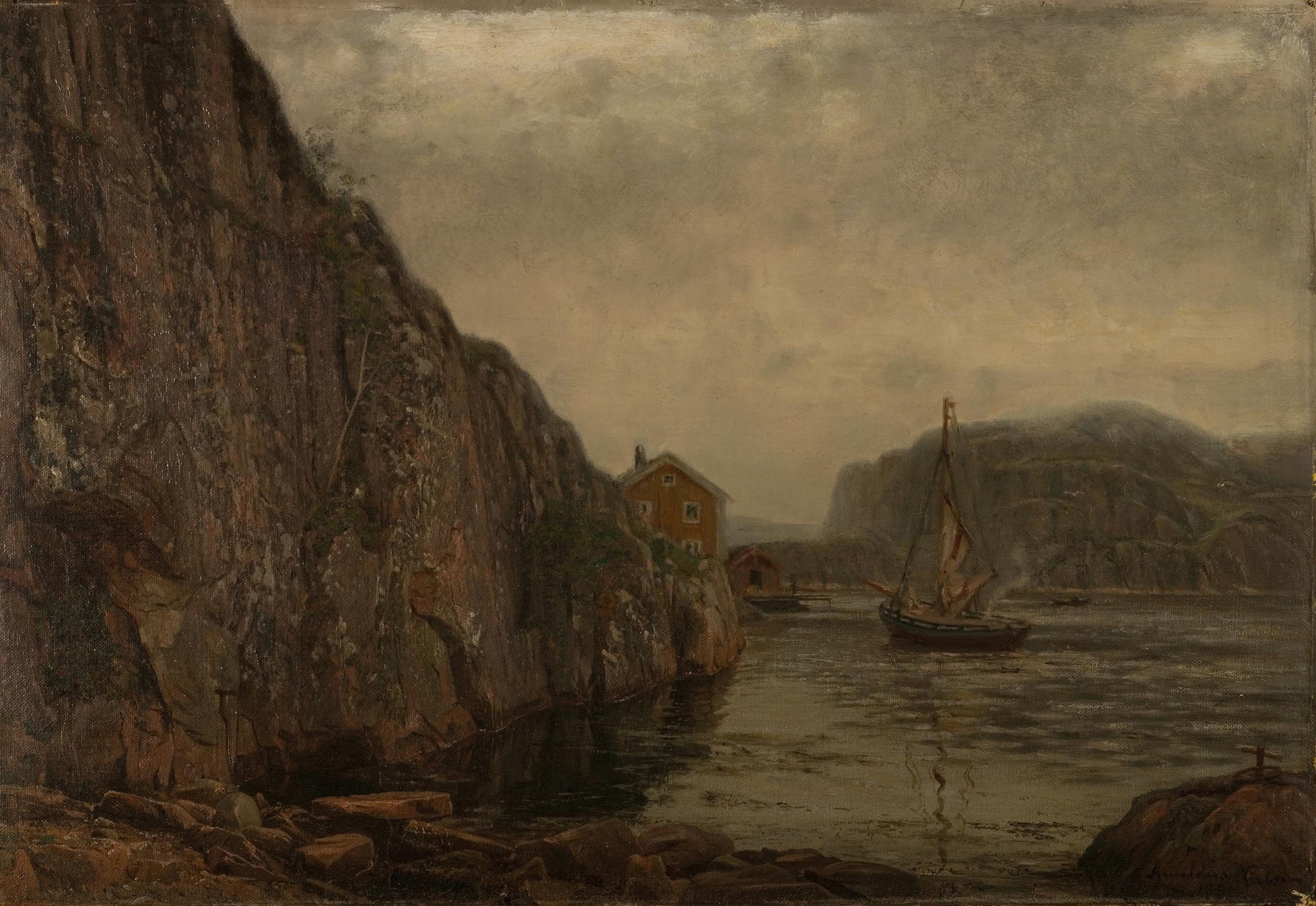
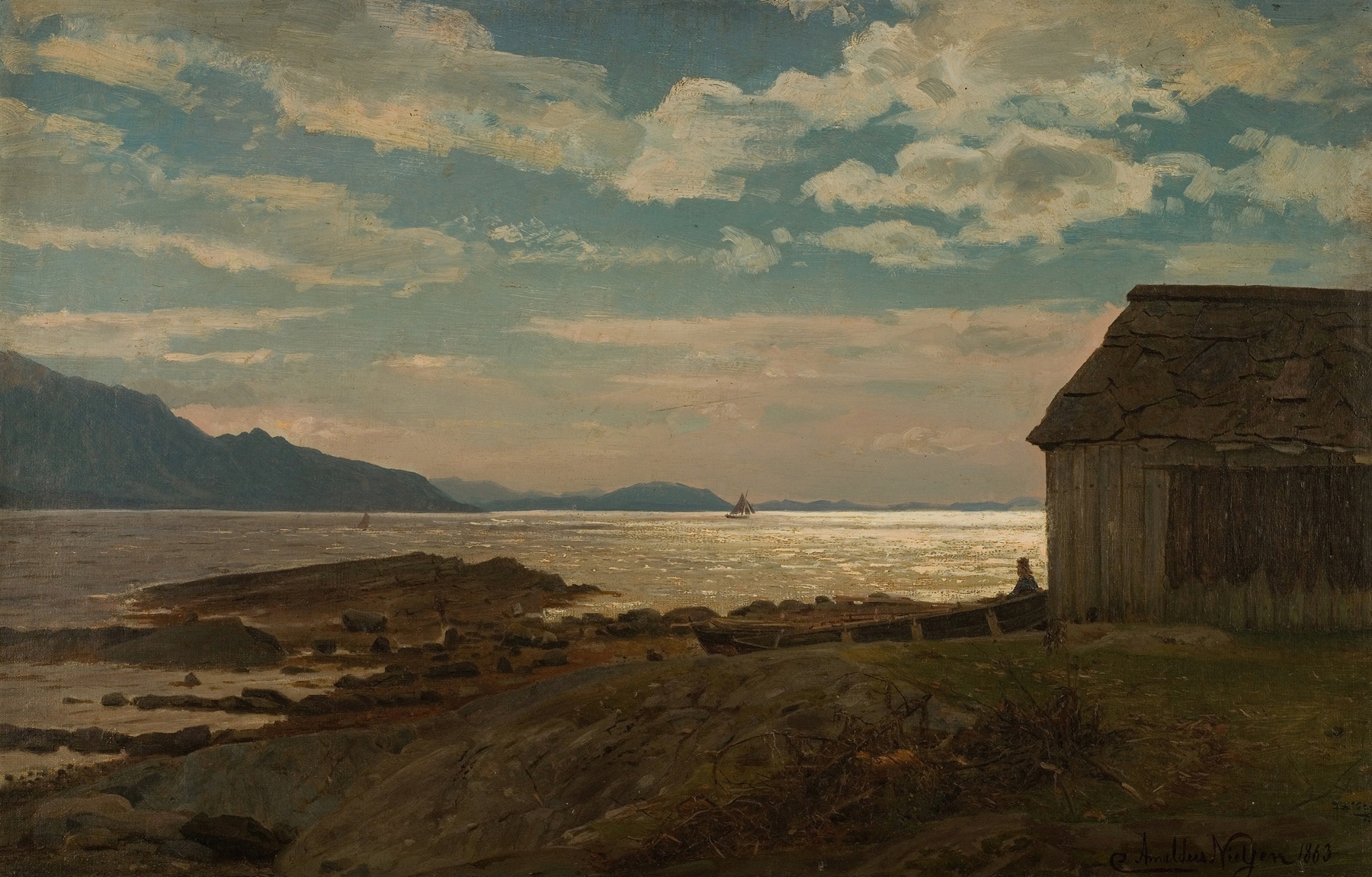
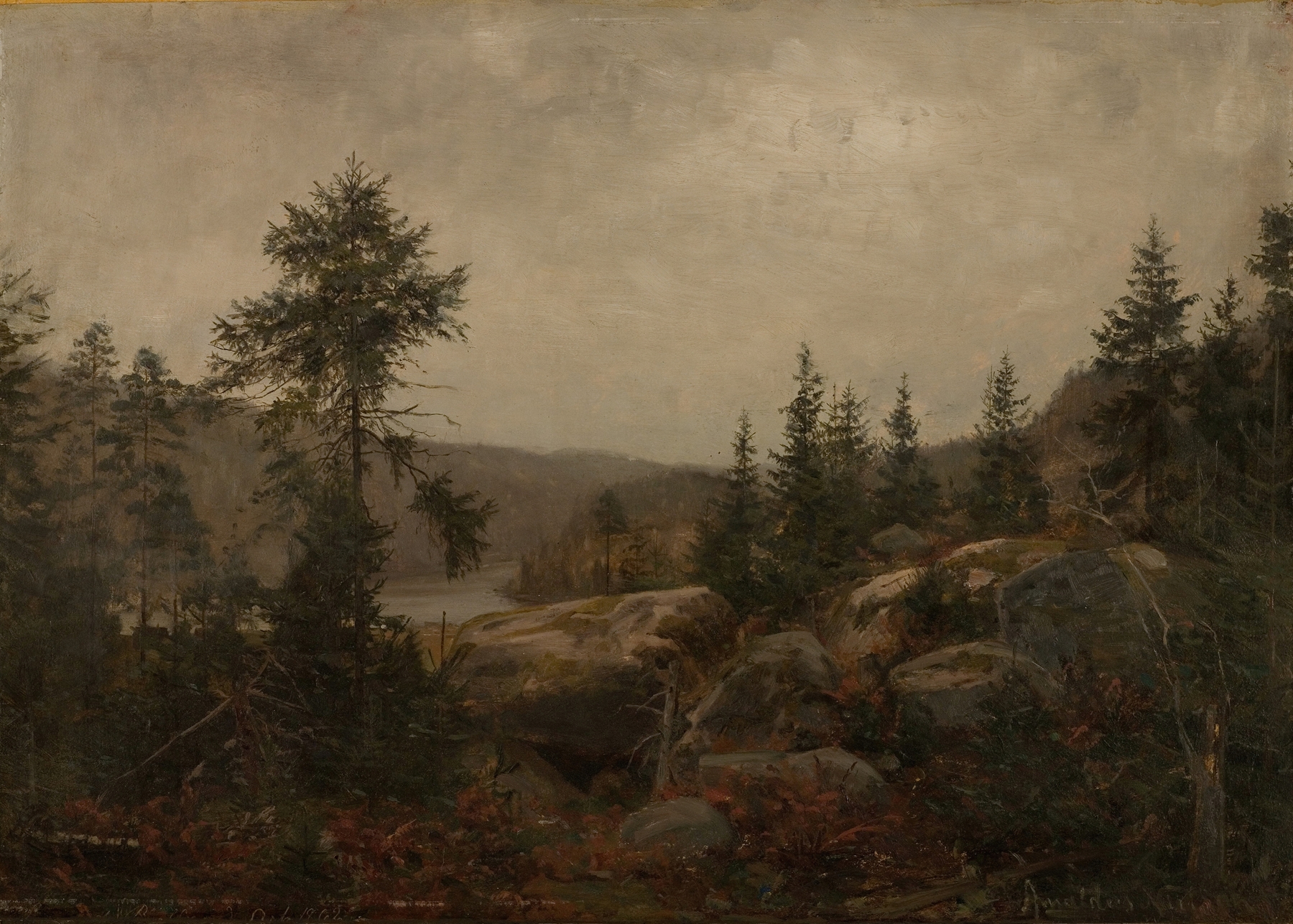
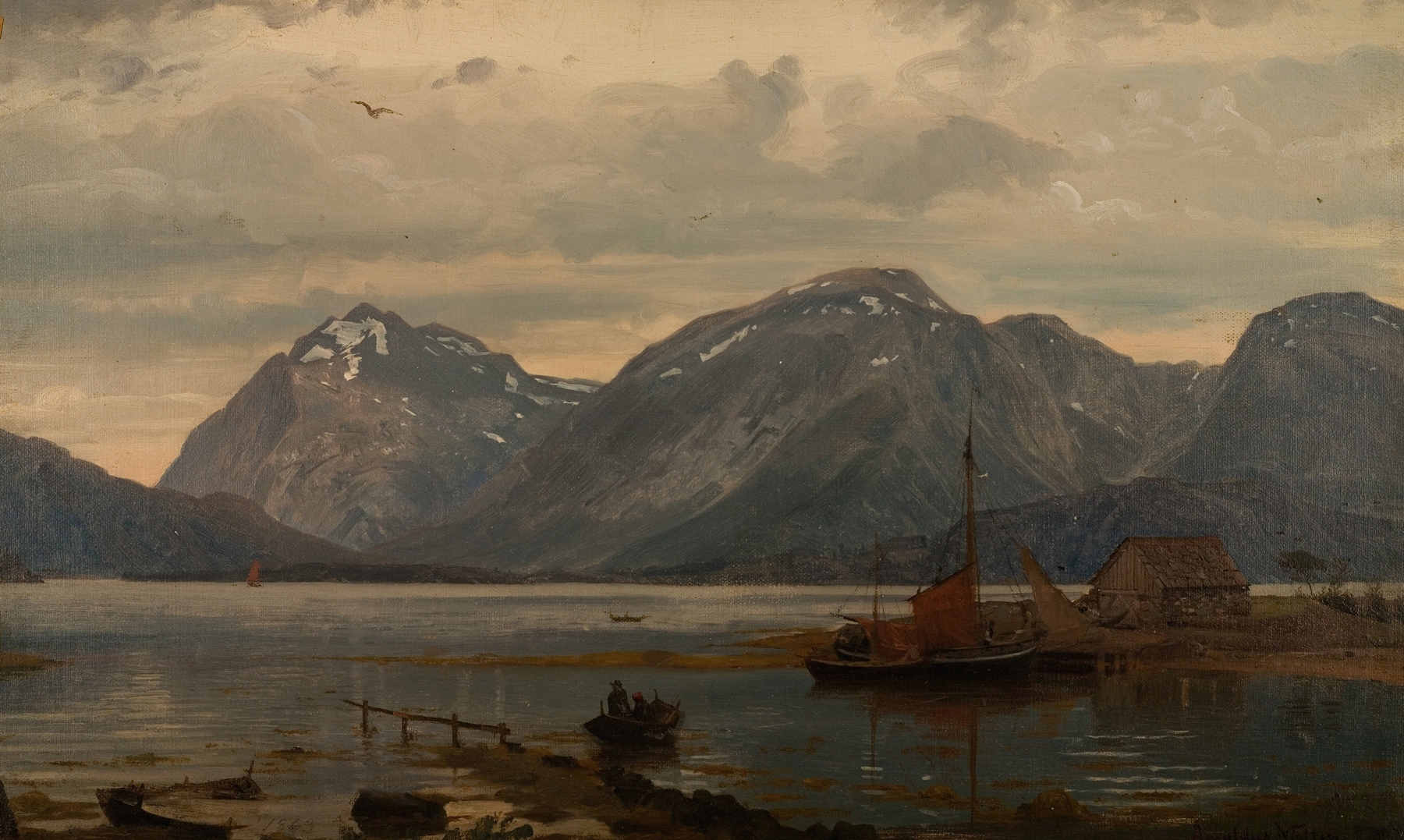
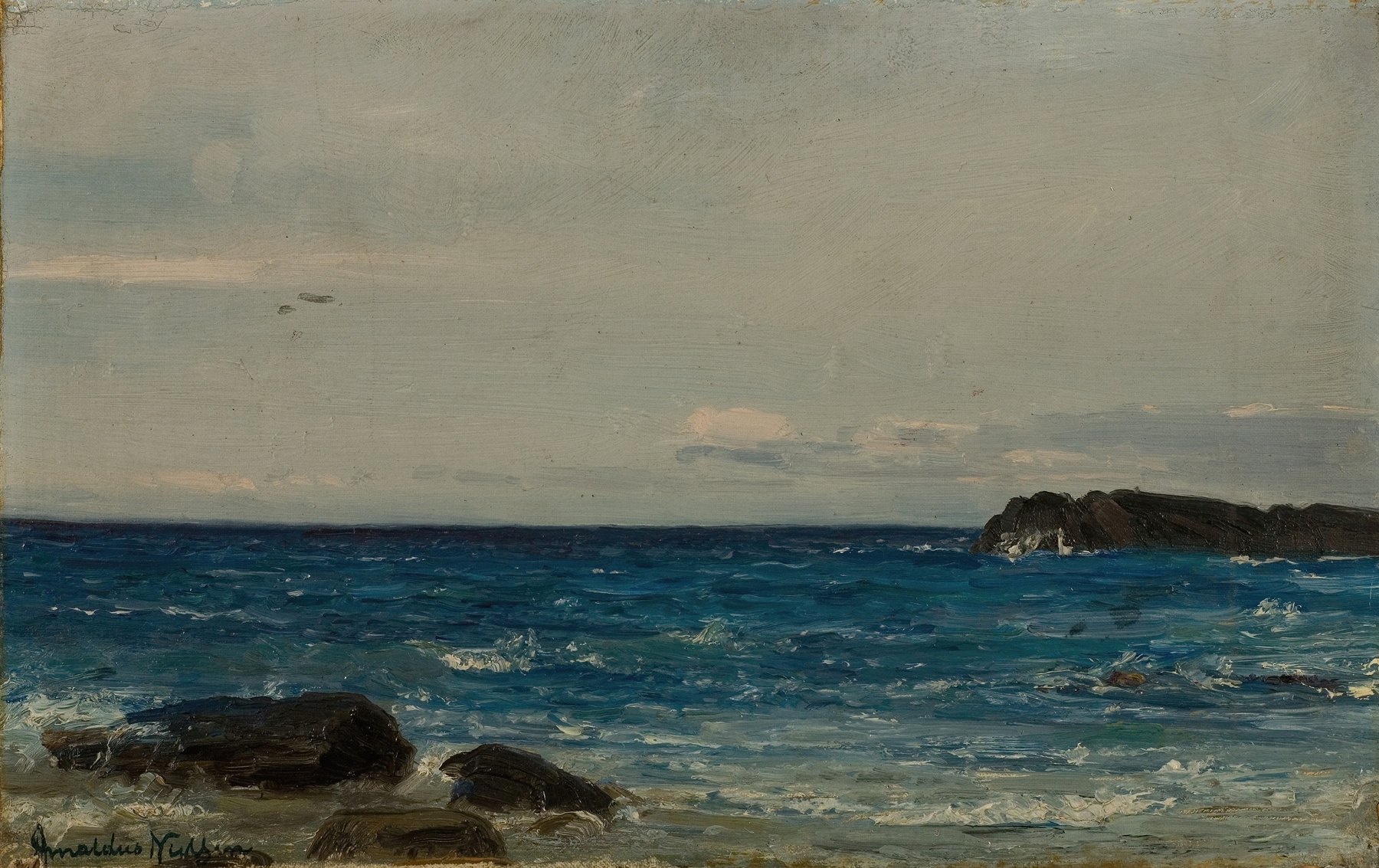
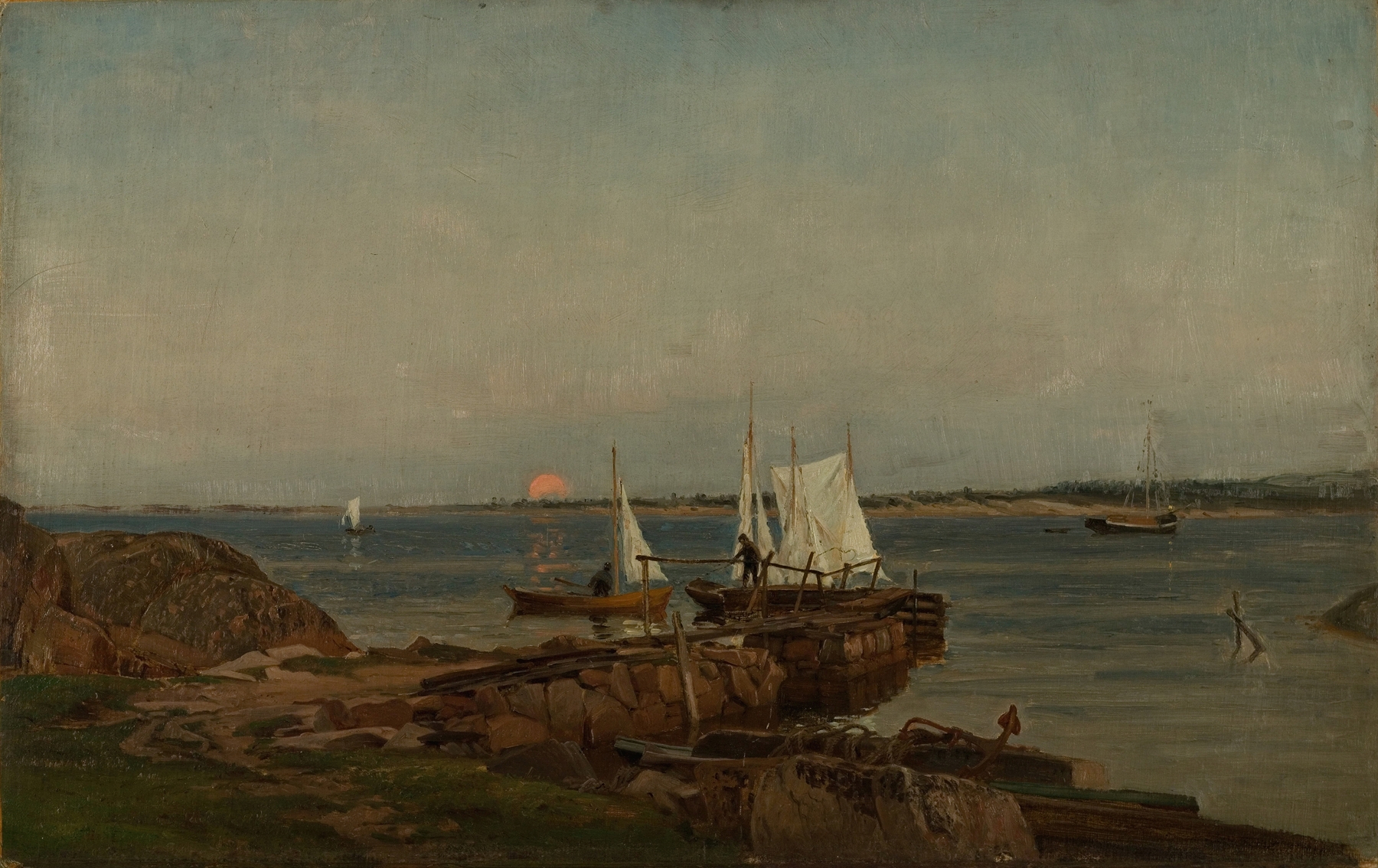
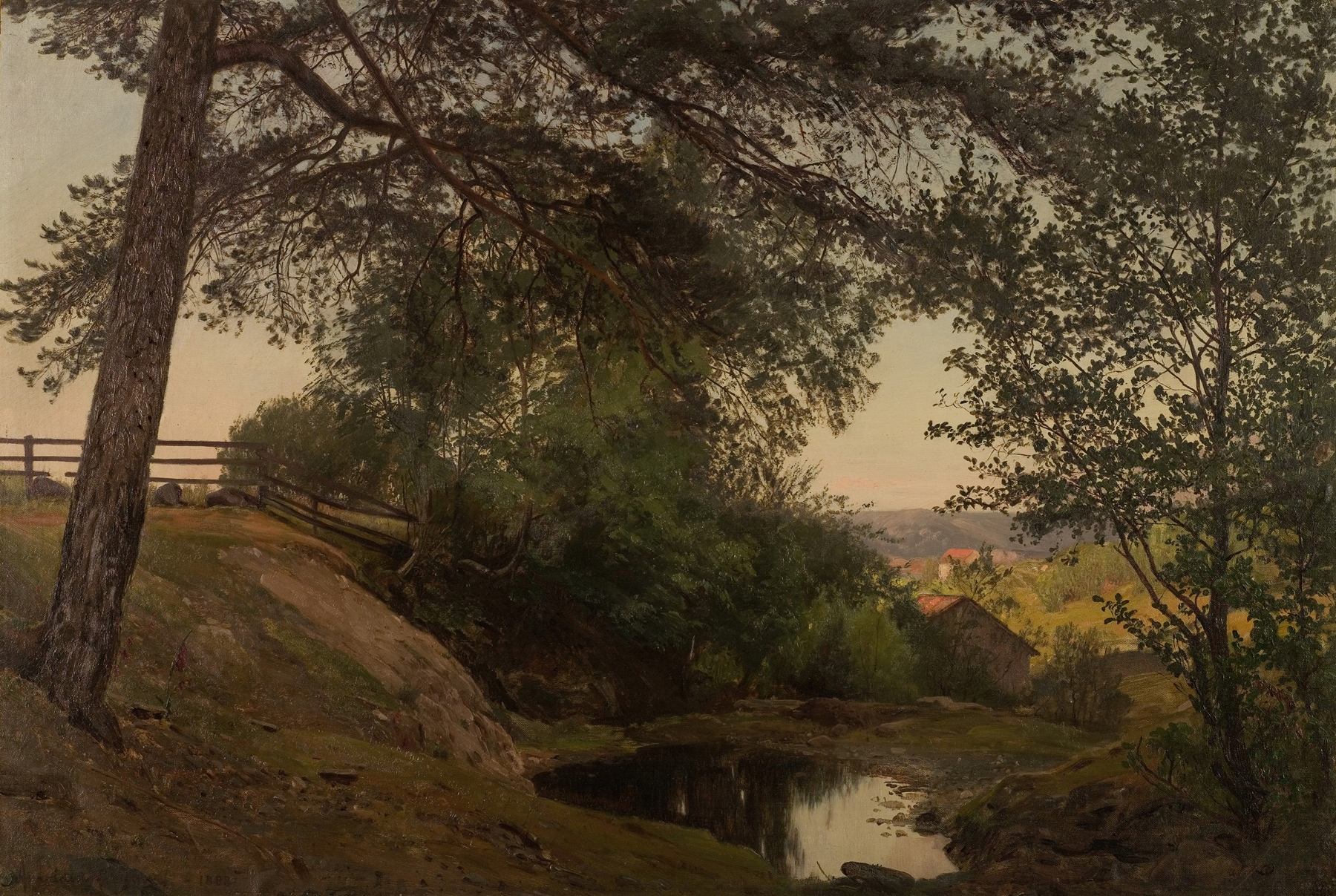
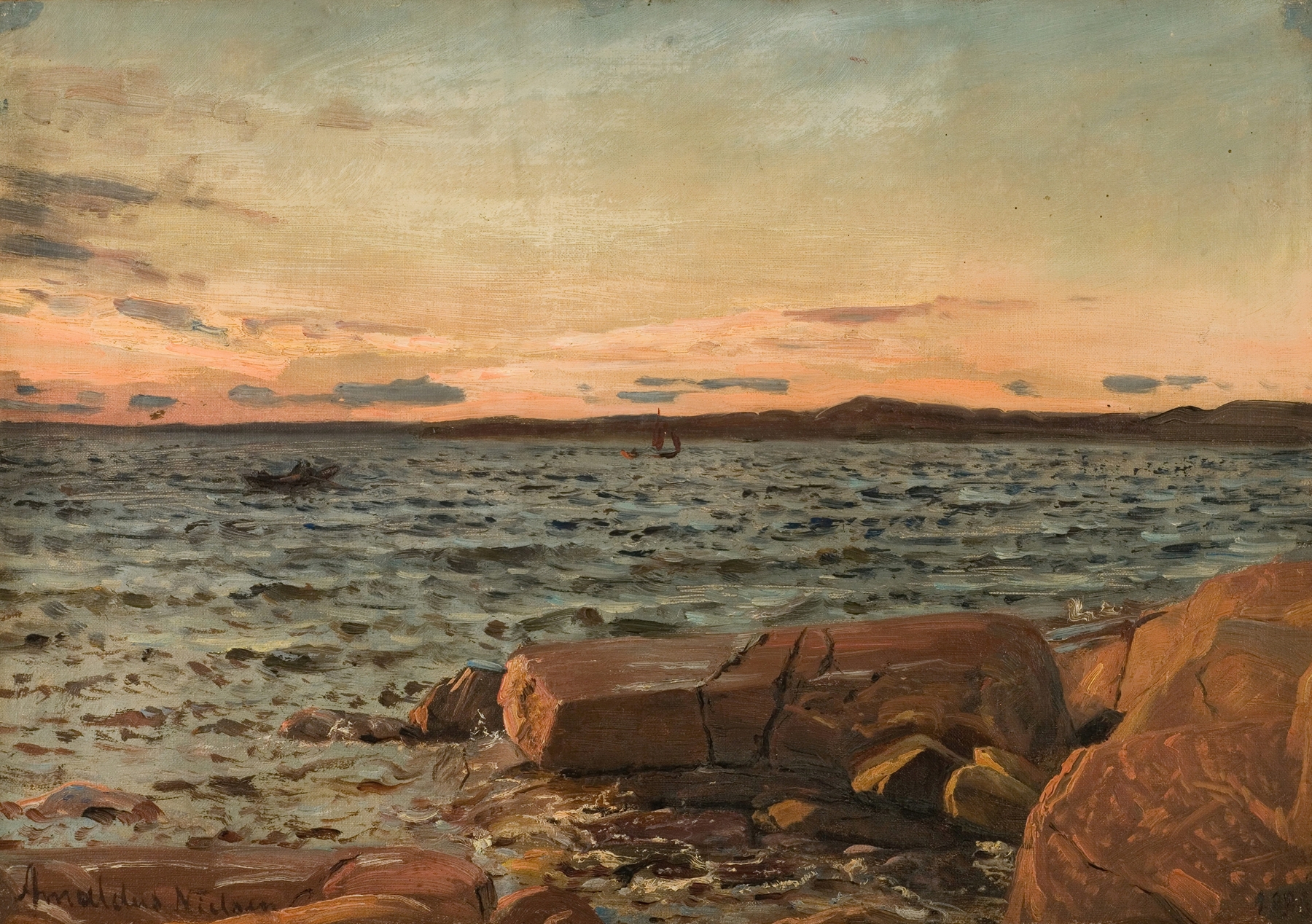
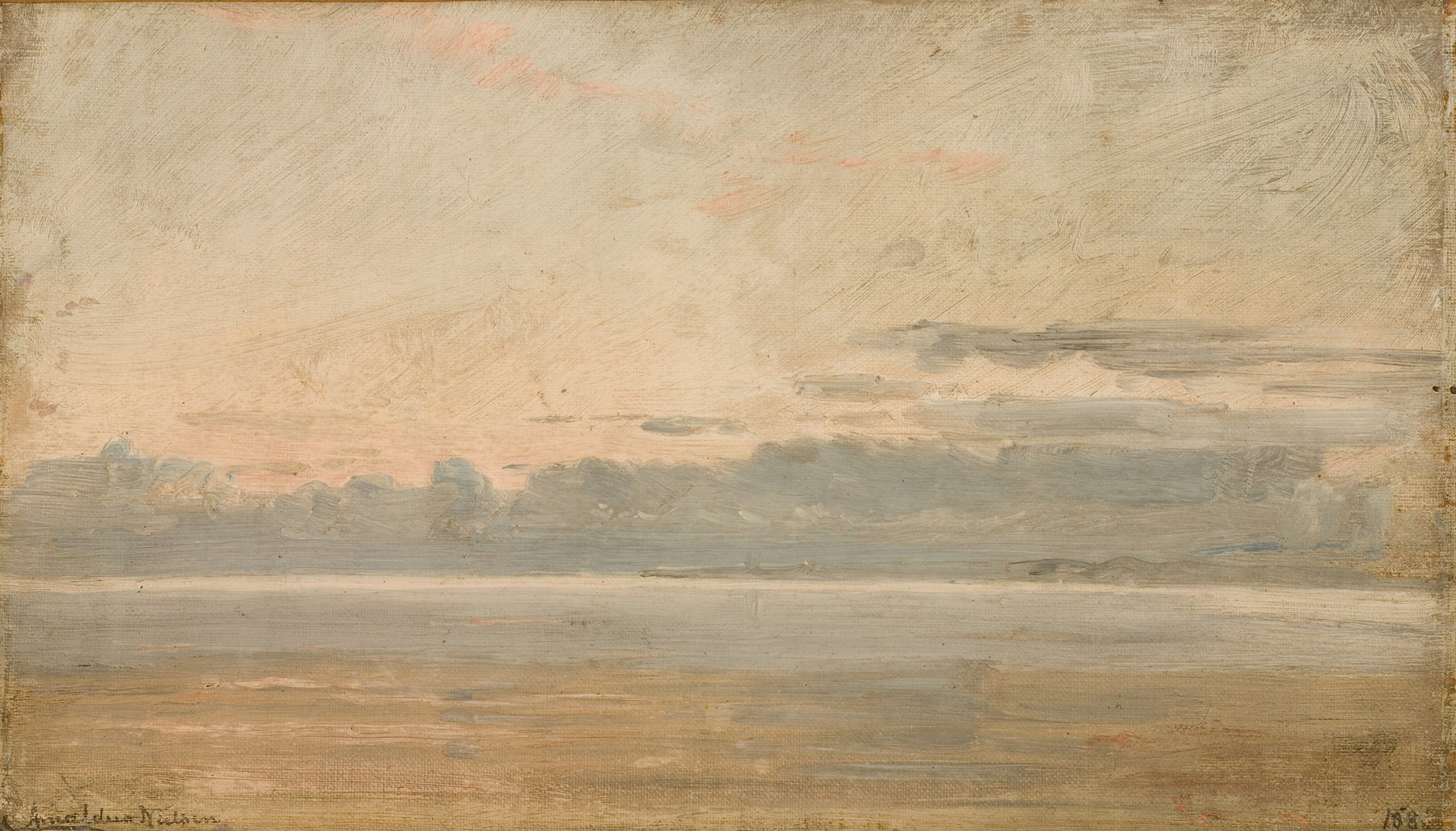
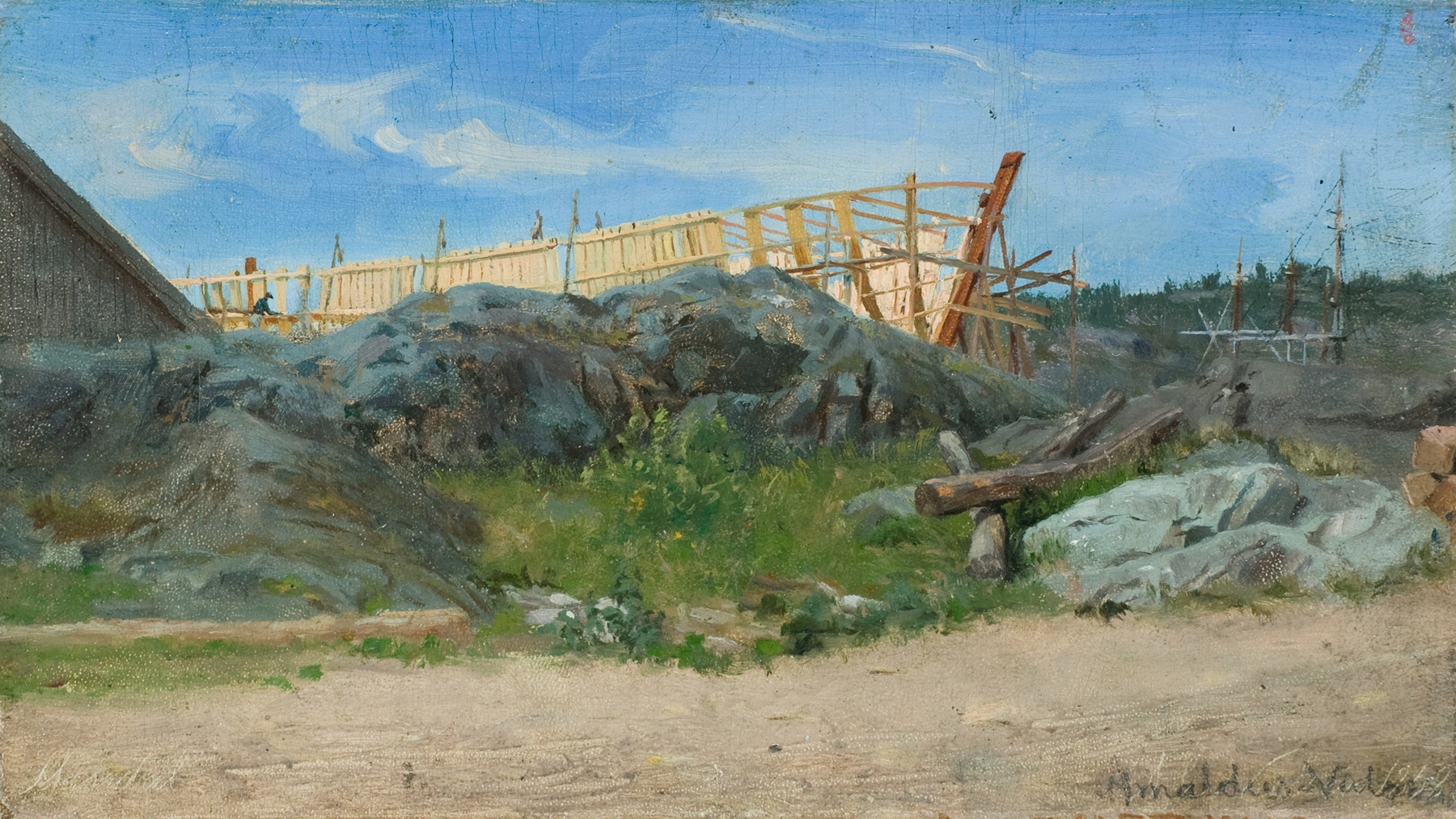
“To paint is to remember what time wants us to forget.” This notion resonates deeply within the layers of human emotion captured on canvas—an obsession that transcends time. Focus first on the tranquil shoreline of crystal waters, where smooth pebbles blend seamlessly into the gentle lapping waves. The painter’s meticulous brushwork invites your gaze to dance across the surface, revealing a palette of soft blues and greens that echo the serene atmosphere. Notice how the light plays on the water, sparkling like scattered diamonds, while the distant mountains loom with a majestic presence, grounding the composition.
Each stroke captures fleeting moments, evoking a sense of nostalgia and connectedness to nature. Delve deeper, and you’ll find a tension between the tranquil scene and the undercurrent of longing. The figures scattered along the shore, though small, evoke a profound sense of solitude in their interaction with the vast landscape. They seem caught in a moment of contemplation, as if grappling with their place in the world.
This delicate juxtaposition hints at a shared obsession with the natural beauty surrounding them, a reminder of both the comfort and isolation nature can bring. Amaldus Nielsen painted Strandparti, Hardanger in 1870 during a period of artistic exploration in Norway. Emerging from the Romantic tradition, he sought to capture the enchanting landscapes of his homeland, reflecting a growing appreciation for national identity in art. At this time, he was navigating personal challenges and creative ambitions, striving to convey a deeper connection to his environment through his art, as society began to embrace a more profound relationship with nature.