Stubbenkammer Königsstuhl (Kreidefelsen auf Rügen) — History & Analysis
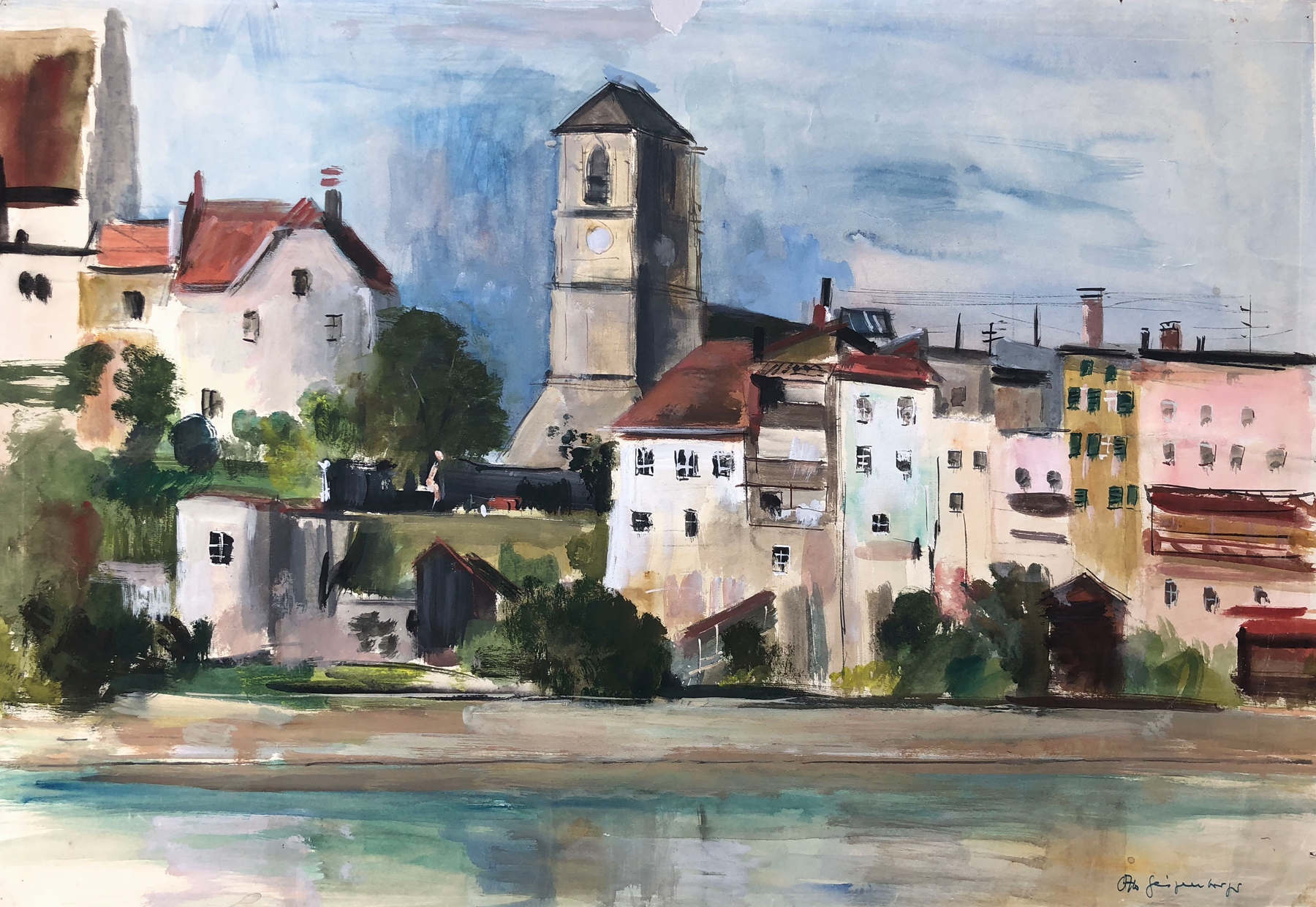
“Under the brush, chaos becomes grace.” The act of creation is a legacy, a bridge connecting the artist and the viewer through shared experience and emotion. Focus your gaze on the luminous cliffs, where soft, chalky whites contrast sharply with the deep turquoise waters below. Notice how the strokes of the artist’s brush create a rhythmic flow, guiding your eye along the curve of the coastline. The interplay of light and shadow is masterfully rendered, evoking a sense of depth that invites you to explore the sheer cliffs and the vast expanse of sea.
The sky above, painted in delicate hues, hints at the ephemeral beauty of nature, while the solidity of the cliffs reminds us of endurance. Hidden within this landscape is a dialogue between fragility and permanence. The towering cliffs stand firm against the relentless waves, representing the strength of legacy amidst the passage of time. Each brushstroke seems to capture a fleeting moment, yet the cliffs themselves are a testament to centuries of change.
The tranquil waters reflect not just the sky, but also the artist's reverence for this natural wonder, urging us to consider our own connections to the environments we inhabit. In 1940, Otto Geigenberger painted this piece against a backdrop of turmoil in Europe, as the world grappled with the shadows of war. Living in Germany during this period, he sought solace in the natural beauty surrounding him, using his art as a means to escape and document a world at risk of being forgotten. This painting, like many from that time, embodies the artist's desire to preserve the majesty of nature amid uncertainty, leaving a legacy of beauty for future generations to behold.