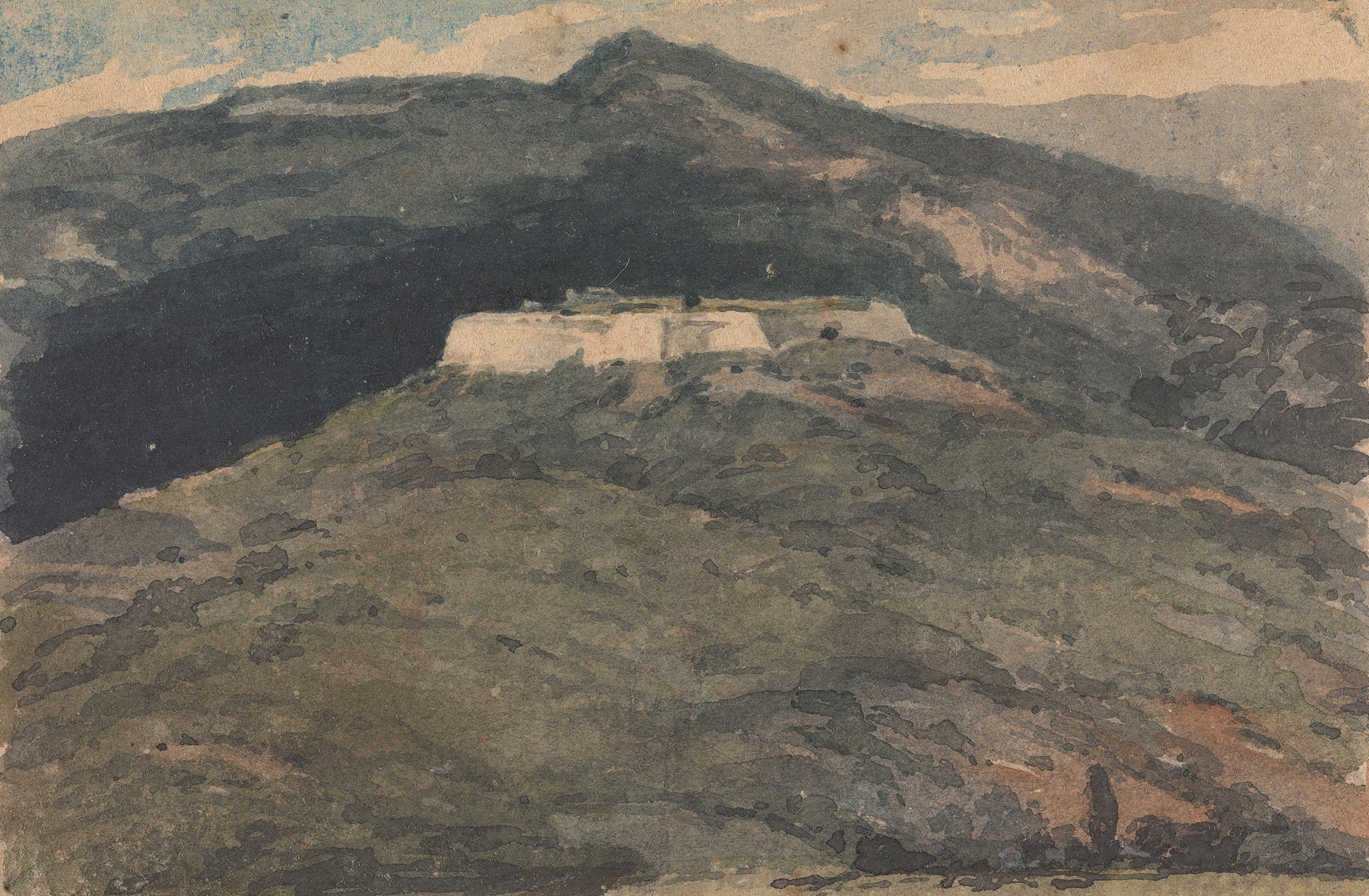
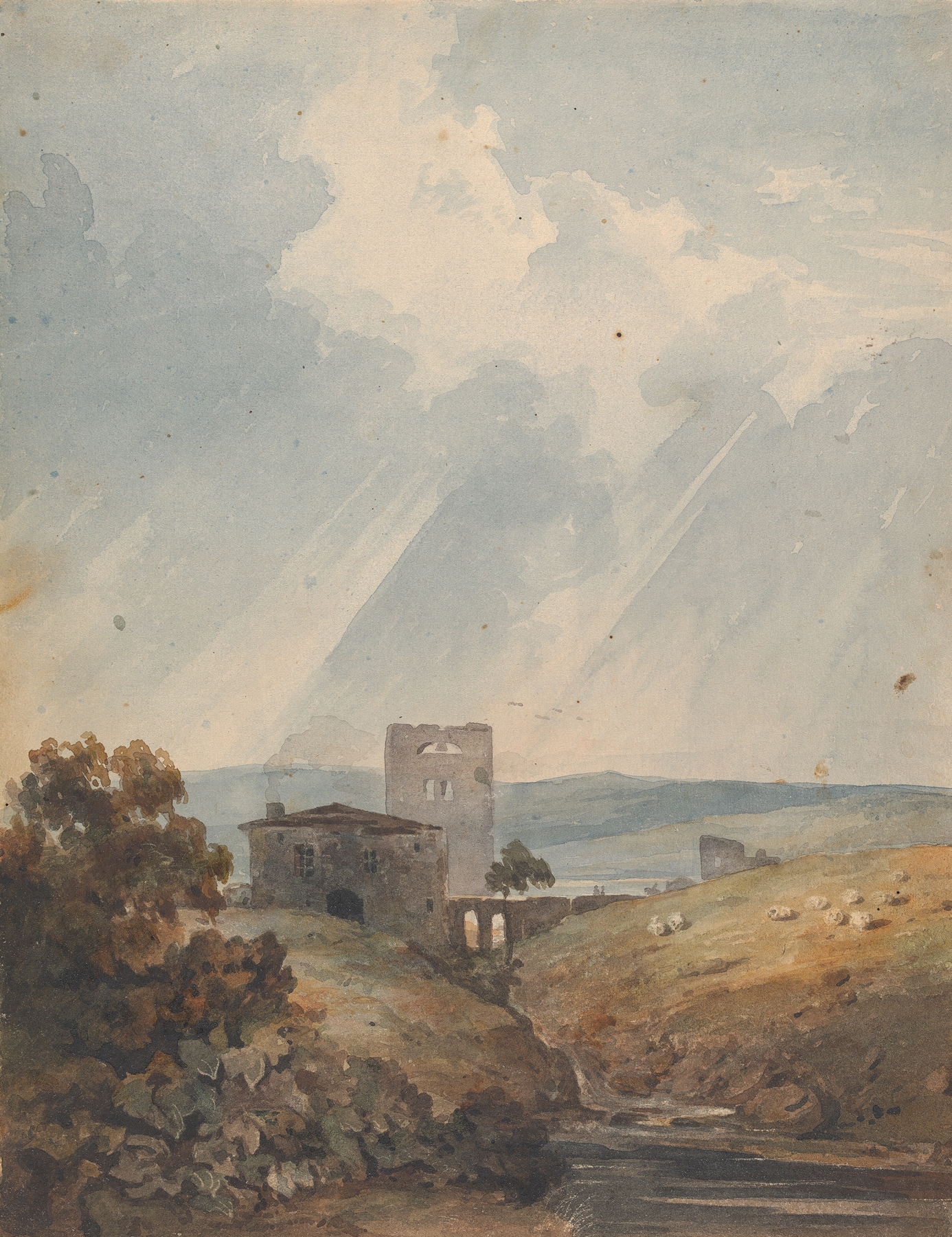
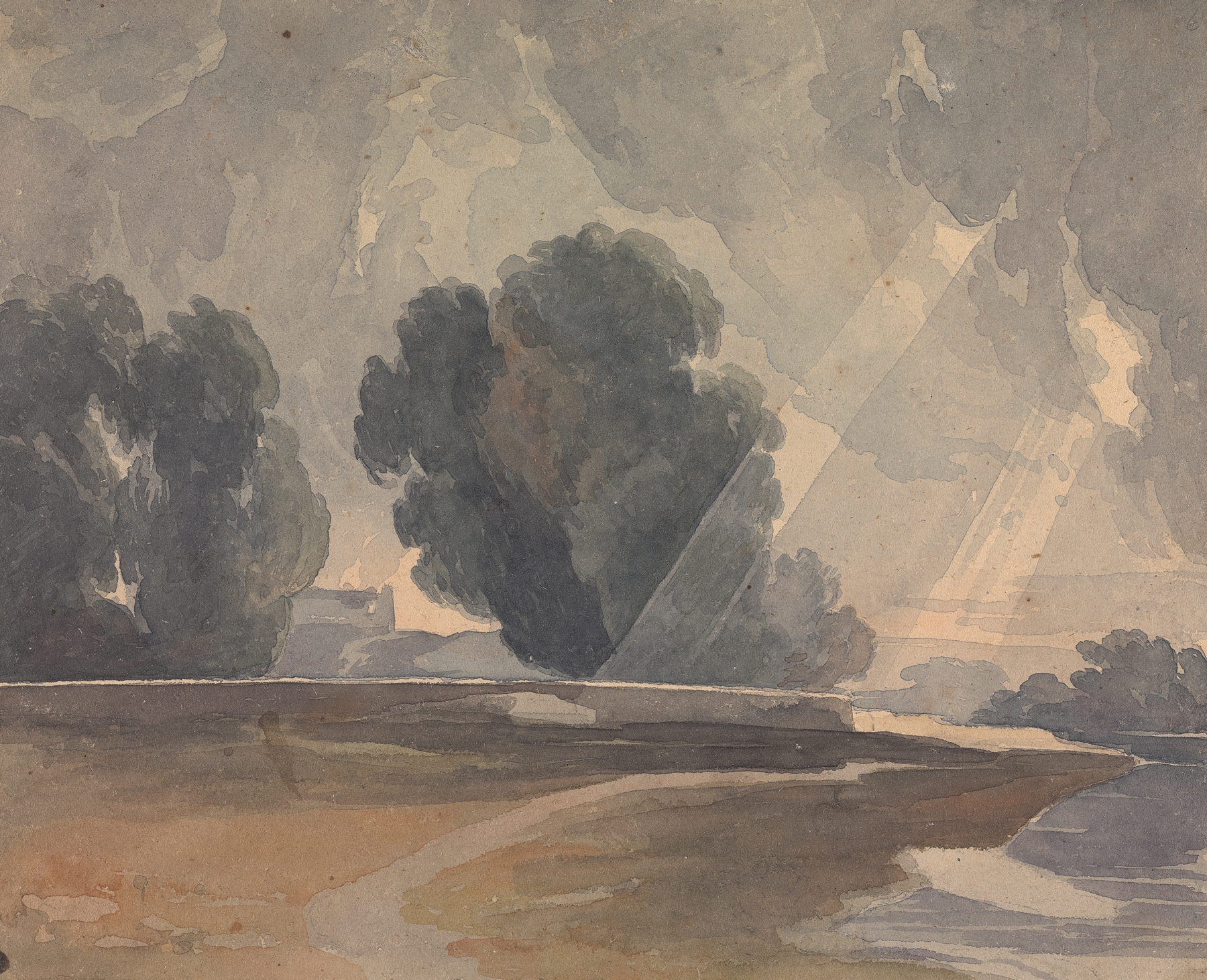
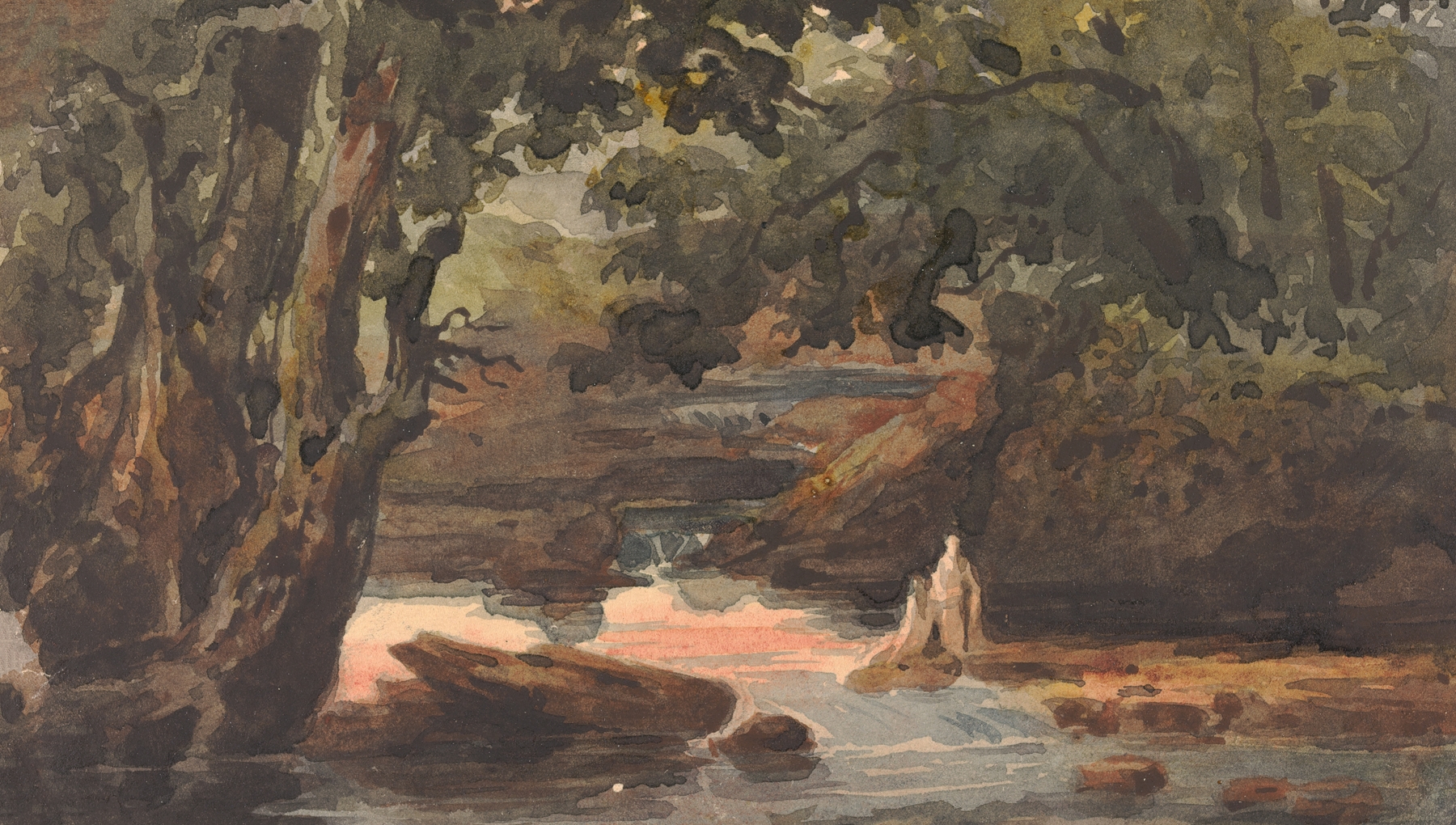
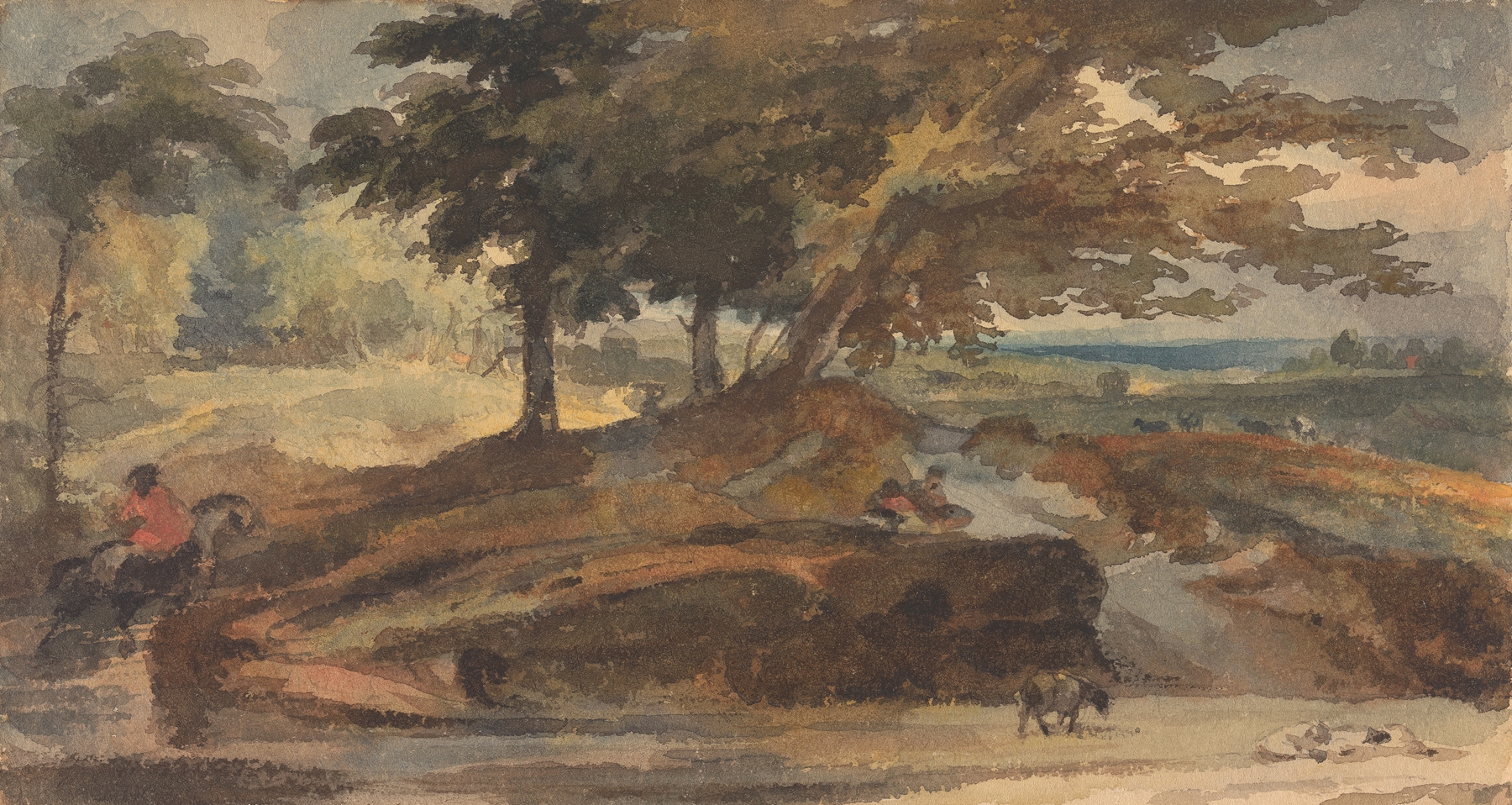
Sugar-Loaf Mountain, From North Window, Col. J. Monroe’s. Oak-Field Landon Co. Va. June 12th 1829 — History & Analysis
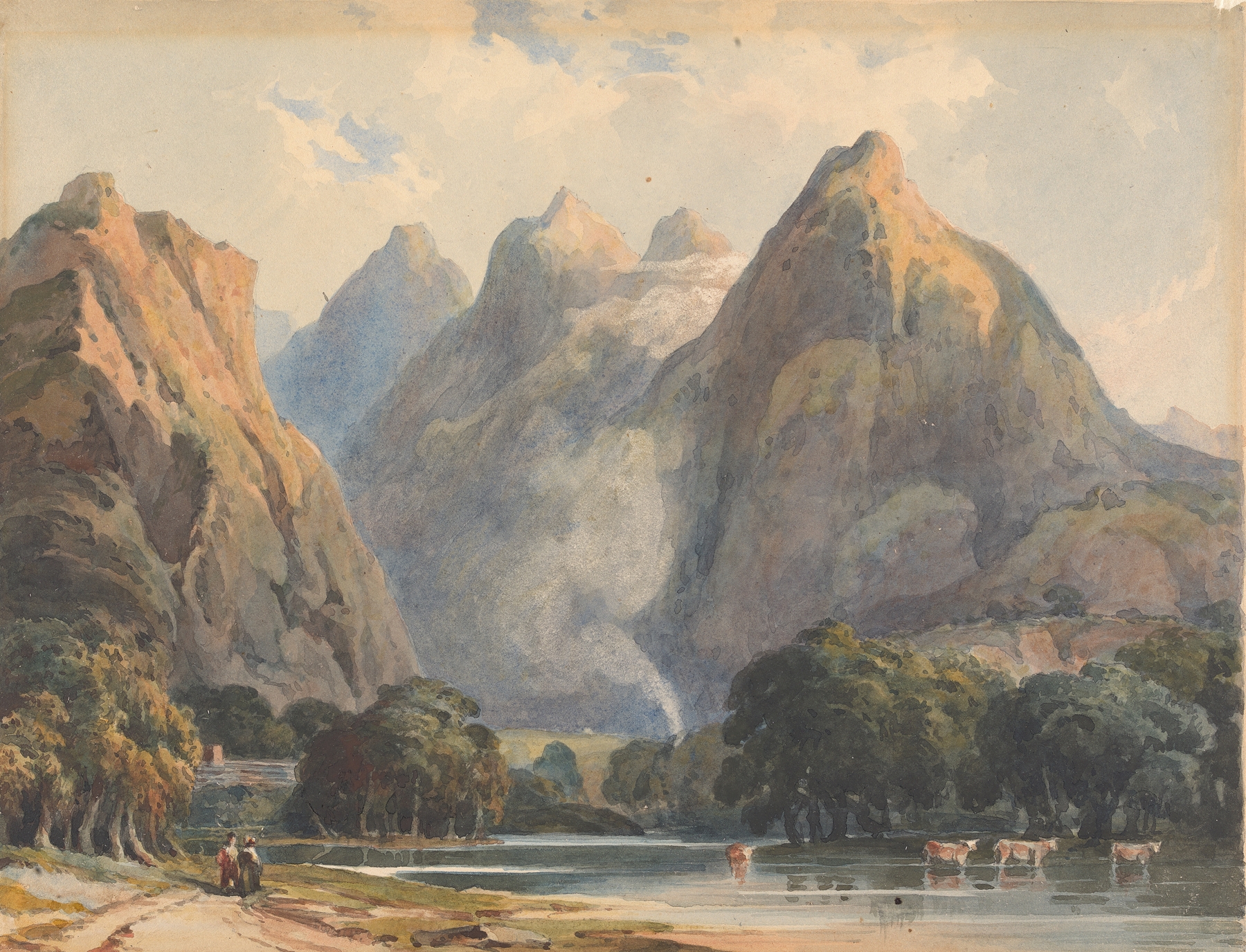
“Between color and silence, truth hides.” The madness of life often dances on the edge of beauty, revealing itself in the most unexpected hues and forms. This balance teeters delicately in the work of a master who captures not just the landscape but the essence of existence itself. Look closely at the vibrant greens that cradle Sugar-Loaf Mountain, where each stroke of the brush suggests a secret yet to be unraveled. Focus on the interplay of light and shadow, particularly how the soft golden glow envelops the mountain's peak, contrasting with the deep blues of the sky.
The precision of the foreground, dotted with soft, wispy clouds, leads the viewer’s eye gently towards the majestic mountain, inviting contemplation and exploration. Within the canvas, hidden narratives emerge—an unspoken tension between nature's calm and the chaos of human emotion. Notice the serene lake below, reflecting the mountain's grandeur, yet the ripples on its surface hint at life's unpredictable nature. This duality echoes the artist's internal struggle, a reminder that behind every serene landscape lies the potential for madness—a yearning for clarity amid confusion.
In 1829, Thomas Sully painted this piece during a prolific period in his career, while he was based in Philadelphia. Influenced by the Romantic movement, he sought to blend realism with emotion, capturing both the beauty of the American landscape and the tumult of his own artistic aspirations. This was a time when America was burgeoning with its identity, mirroring the complexities evident in Sully's vivid landscapes.