Suijpe Steijn — History & Analysis
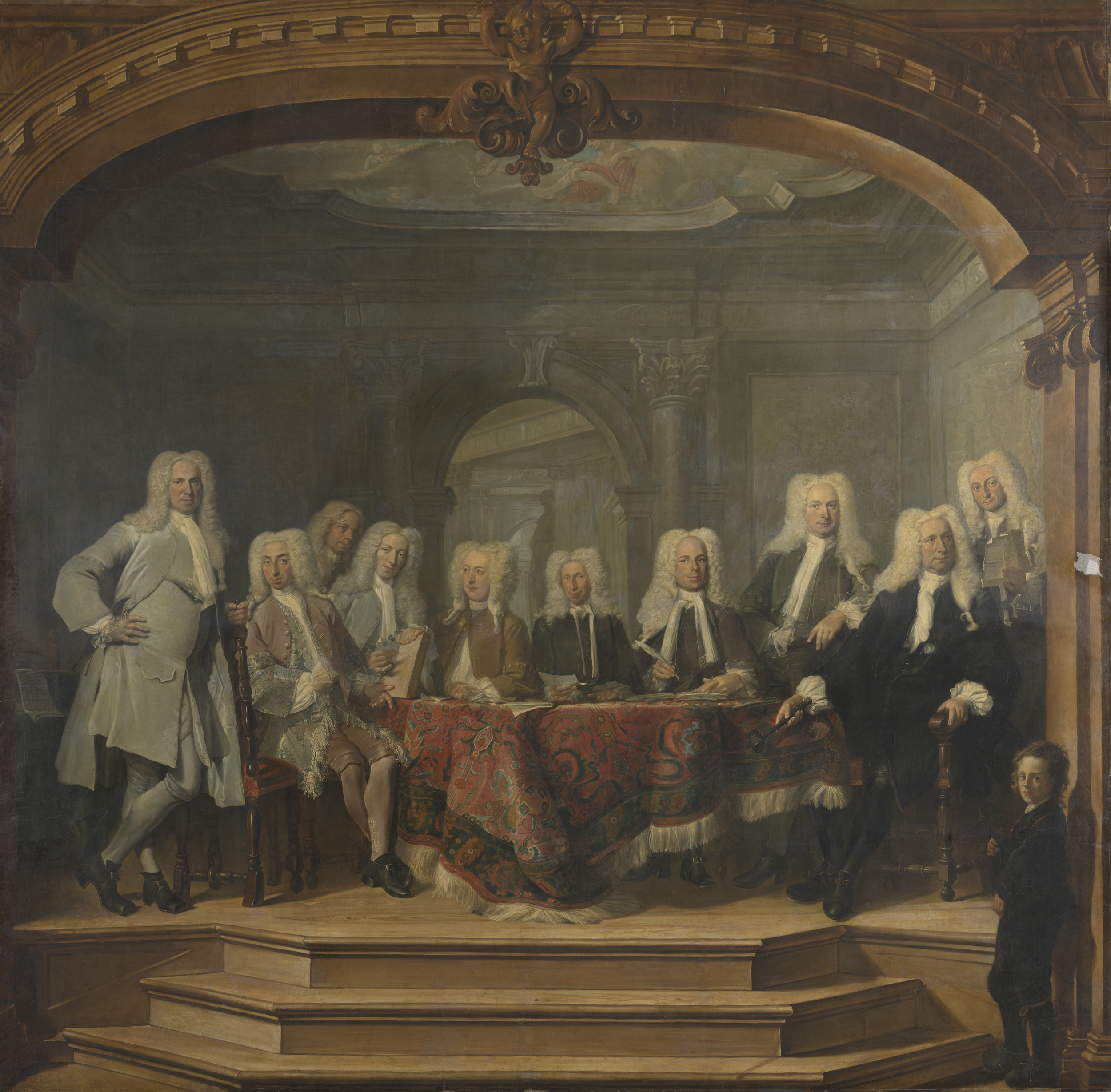
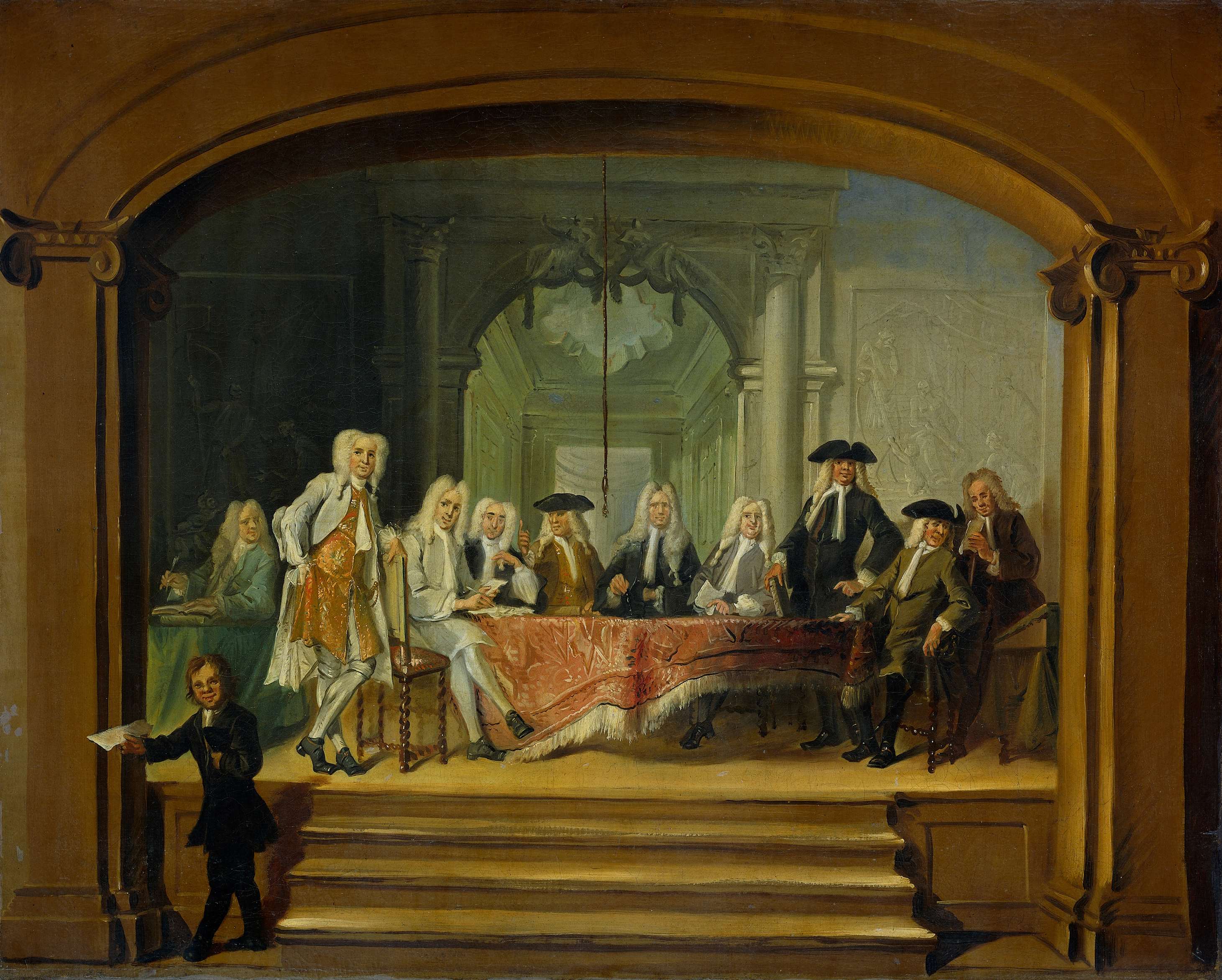
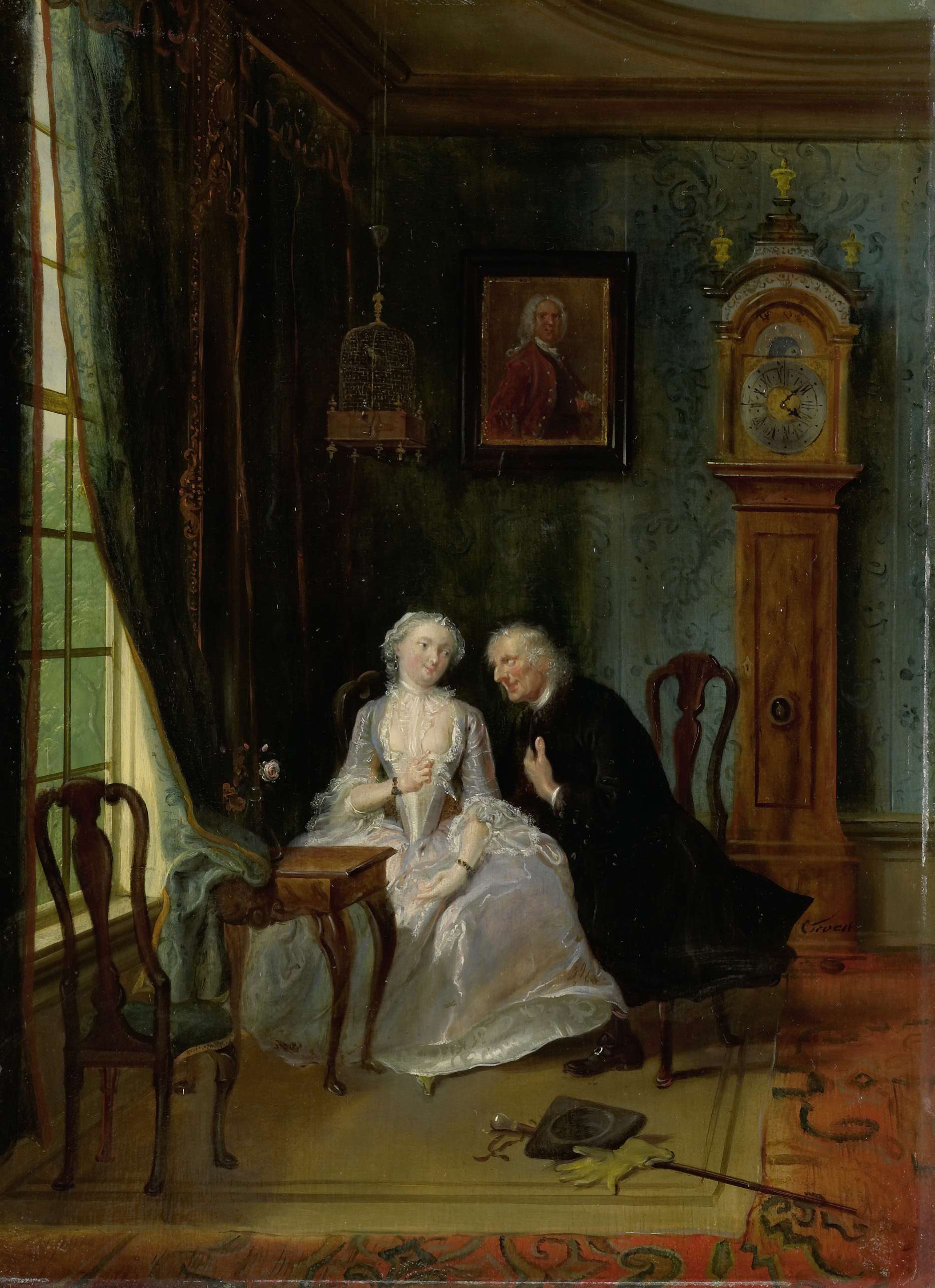
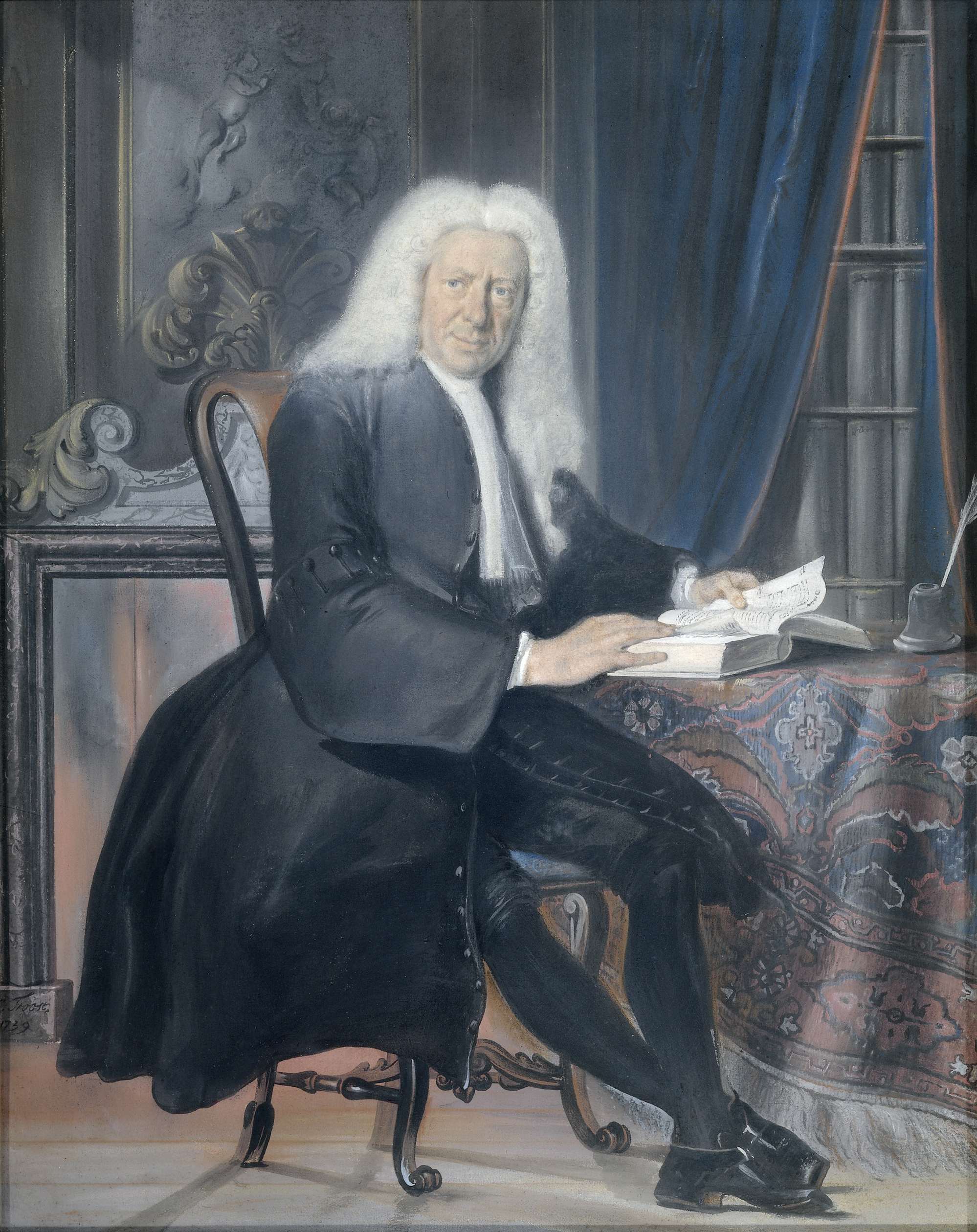
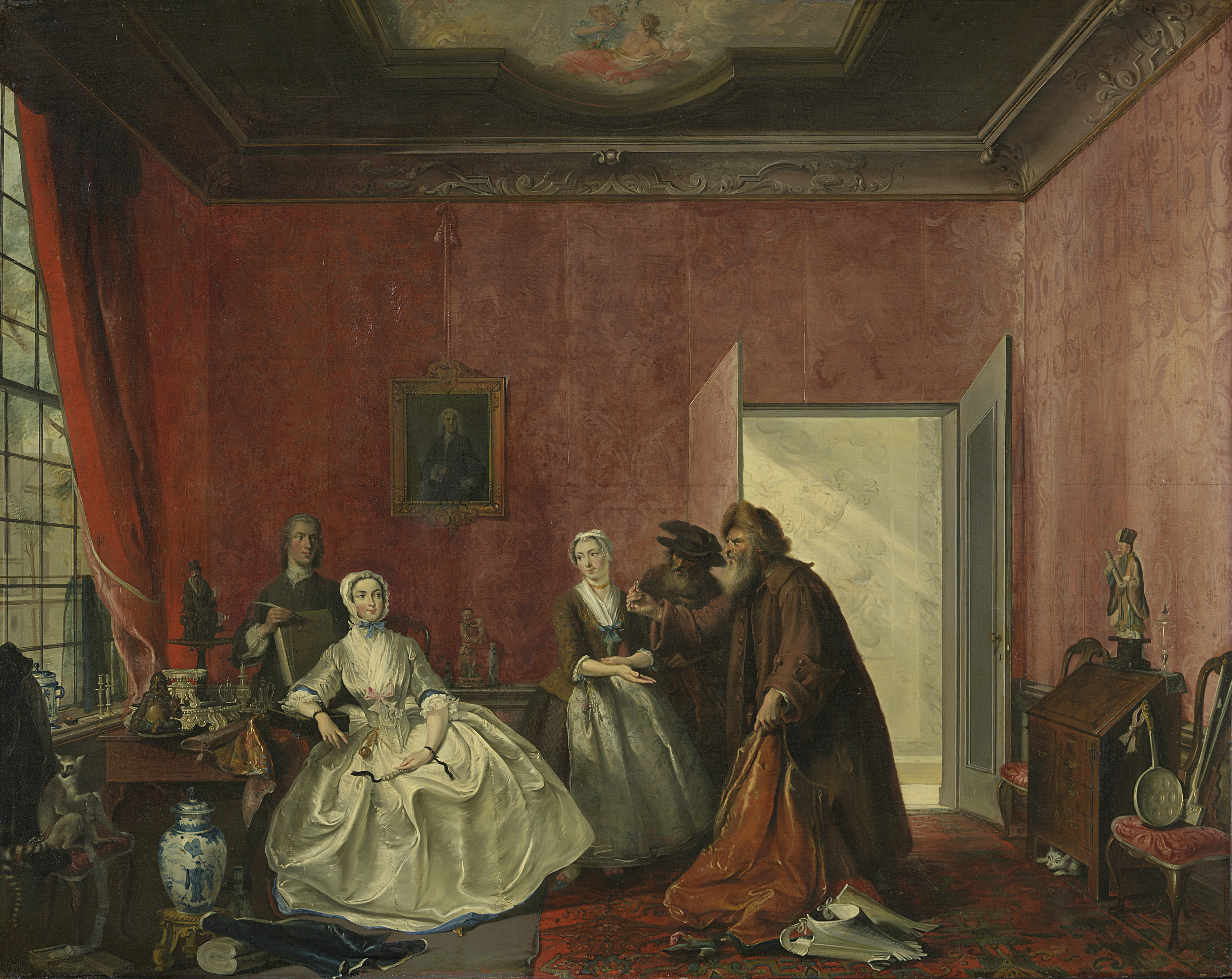
“Under the brush, chaos becomes grace.” In a world where loneliness festers beneath the surface, the heart seeks solace in the quiet corners of existence. Look to the center of the canvas where the figure, draped in a cloak, seems to withdraw into the shadows. Notice how the muted earthy tones envelop them, contrasting sharply with the delicate play of light that breaks through, illuminating the contours of their face. The gentle strokes define their features with an almost tender touch, while the background remains a soft haze, emphasizing a profound isolation captured in the stillness of the moment.
Yet, beyond the immediate visual, there lies a deeper narrative. The figure’s downcast eyes and subtle posture reveal a silent battle against despair, evoking the complexities of human emotion. The juxtaposition of light and dark not only highlights the physical presence but also symbolizes the inner turmoil that often accompanies solitude. Each brushstroke resonates with the weight of unspoken thoughts, drawing the viewer into an introspective dialogue about the nature of being alone in a crowd.
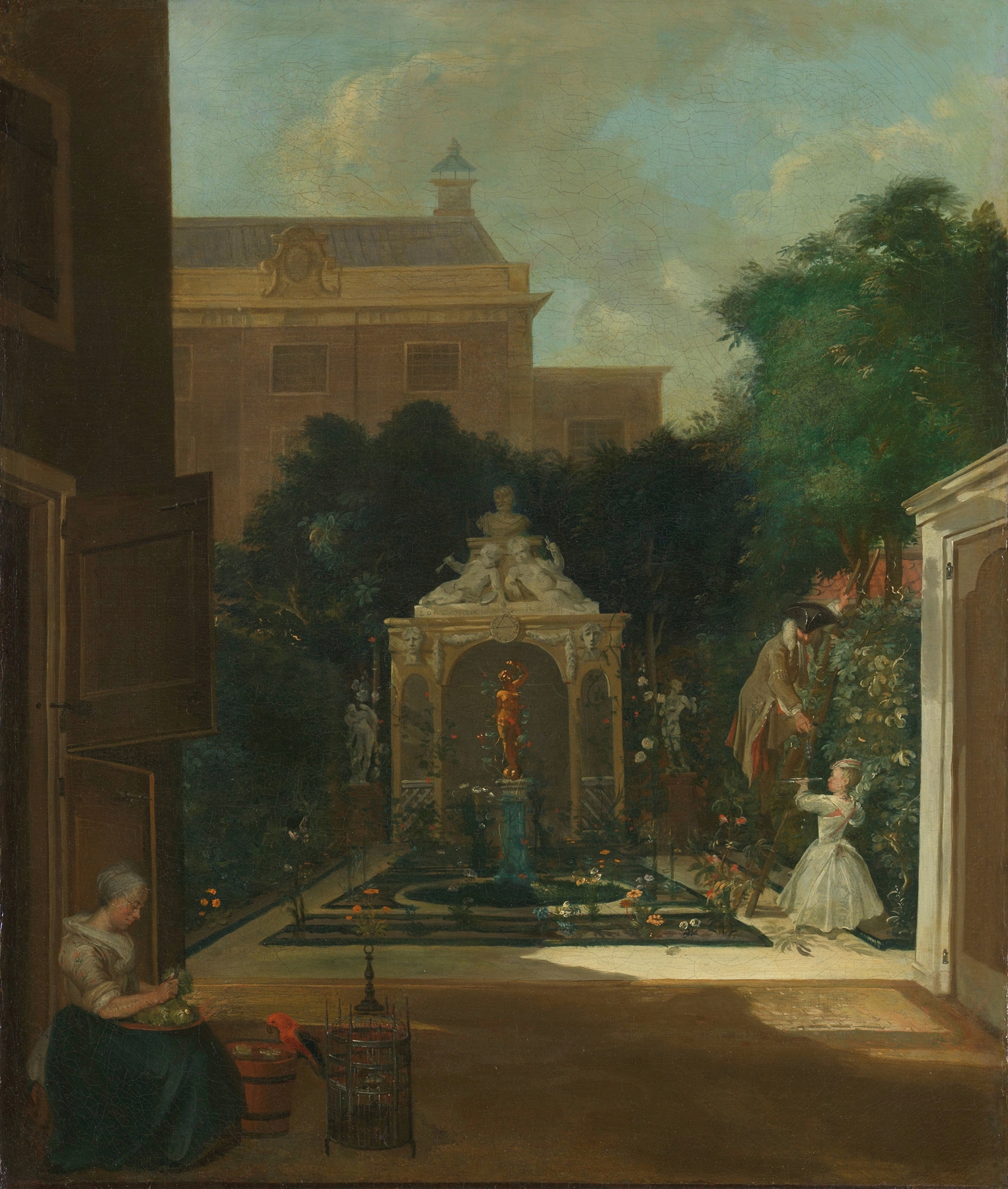
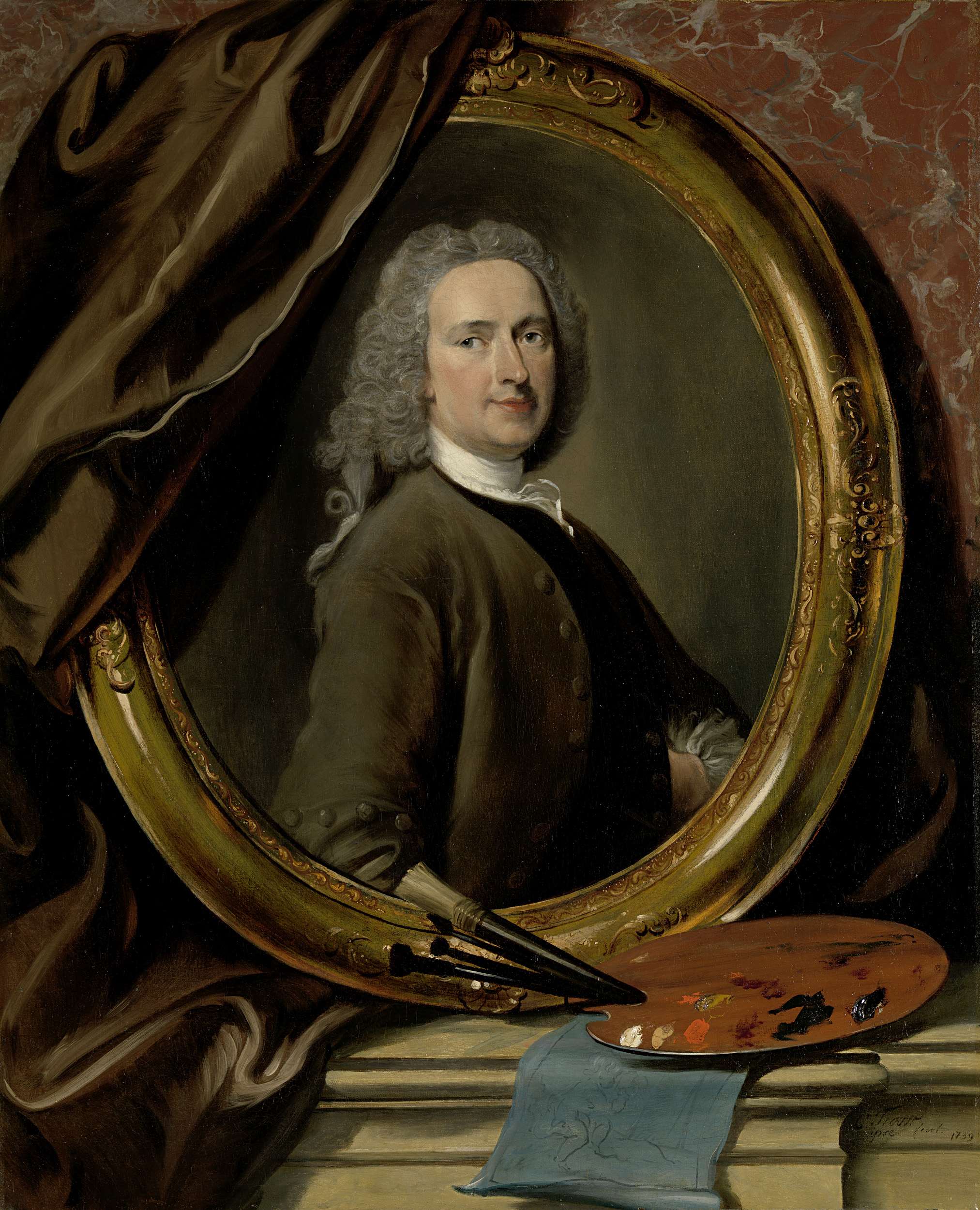
Created in 1742, this work emerged during a time when Cornelis Troost was navigating the complexities of Dutch art after the Golden Age. Living in Amsterdam, he was deeply influenced by the theatrical aspects of his subjects, often reflecting the changing tides of society. The painting captures a moment of introspection during a period colored by both artistic innovation and personal challenges, mirroring the silence and weight of emotional depth that his art so masterfully conveys.