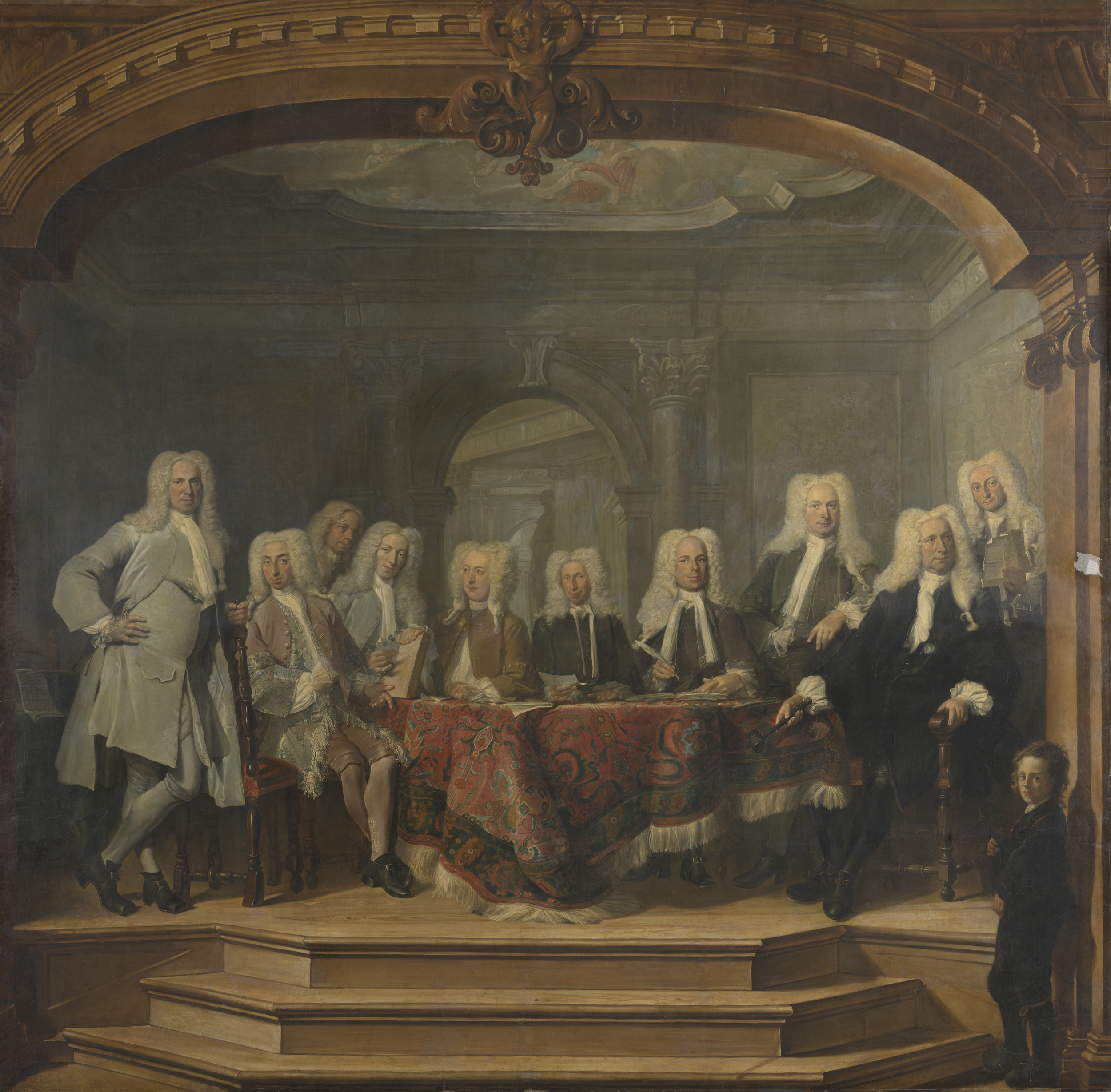
Regents of the Aalmoezeniersweeshuis Orphanage in Amsterdam, 1729 — History & Analysis
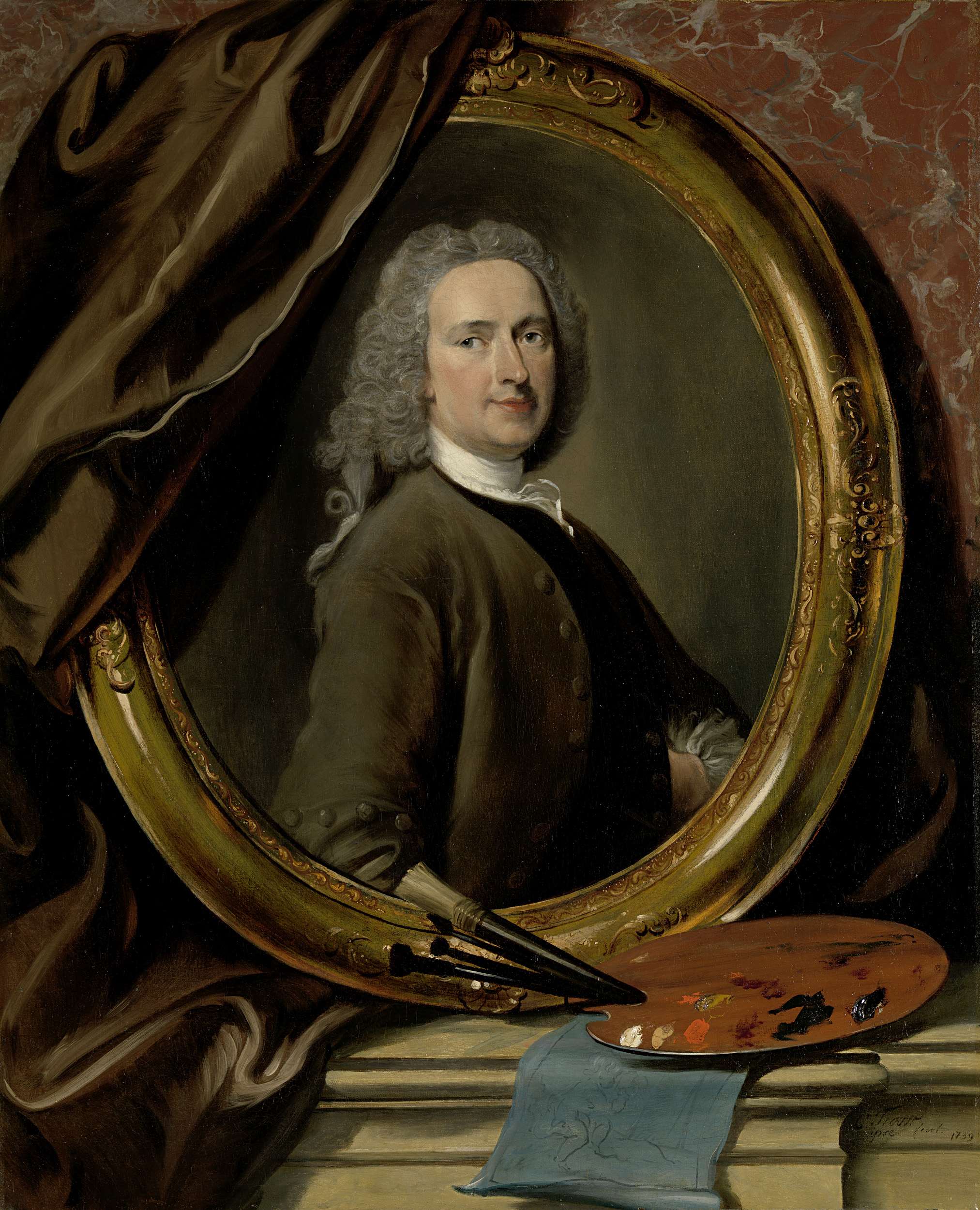
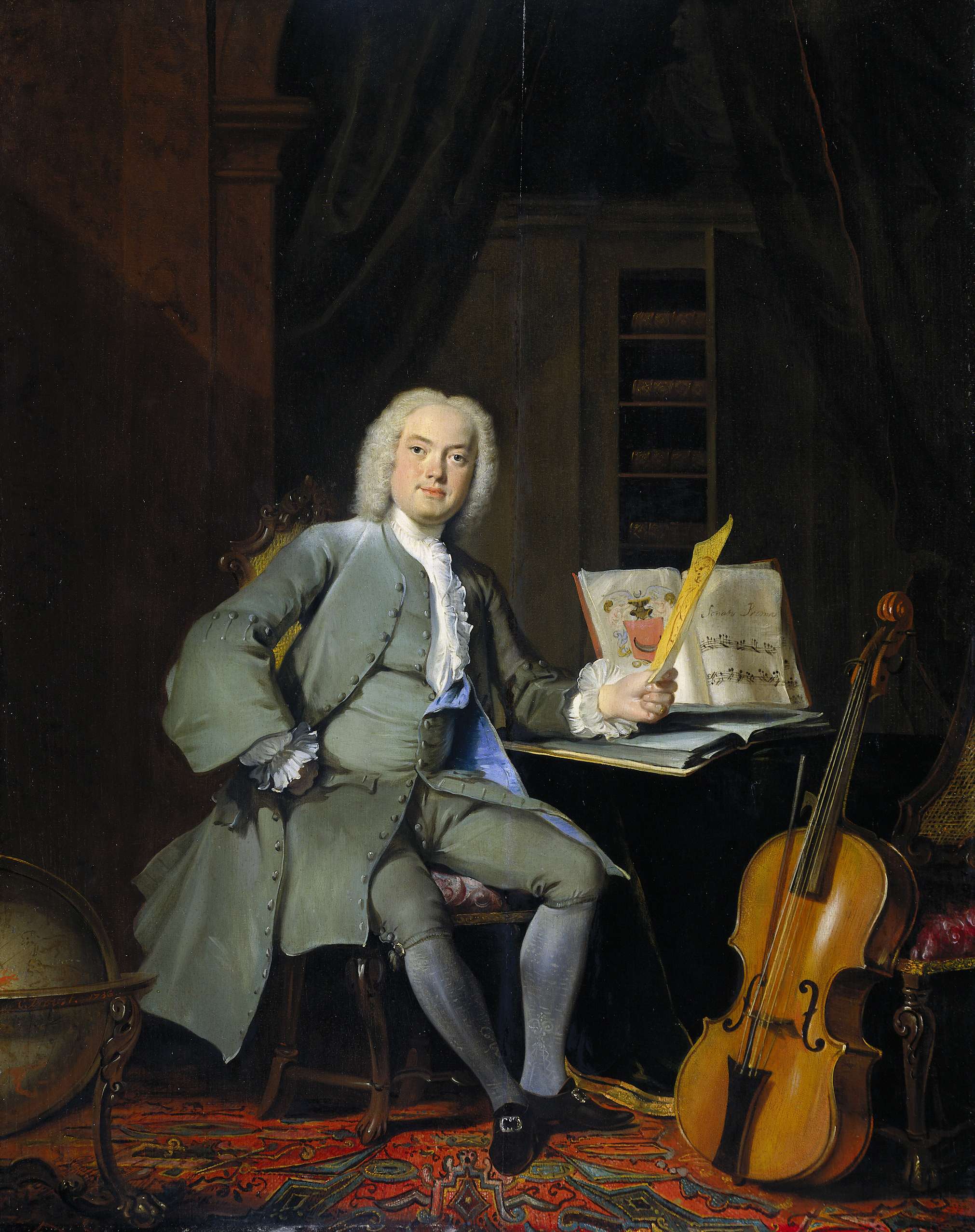
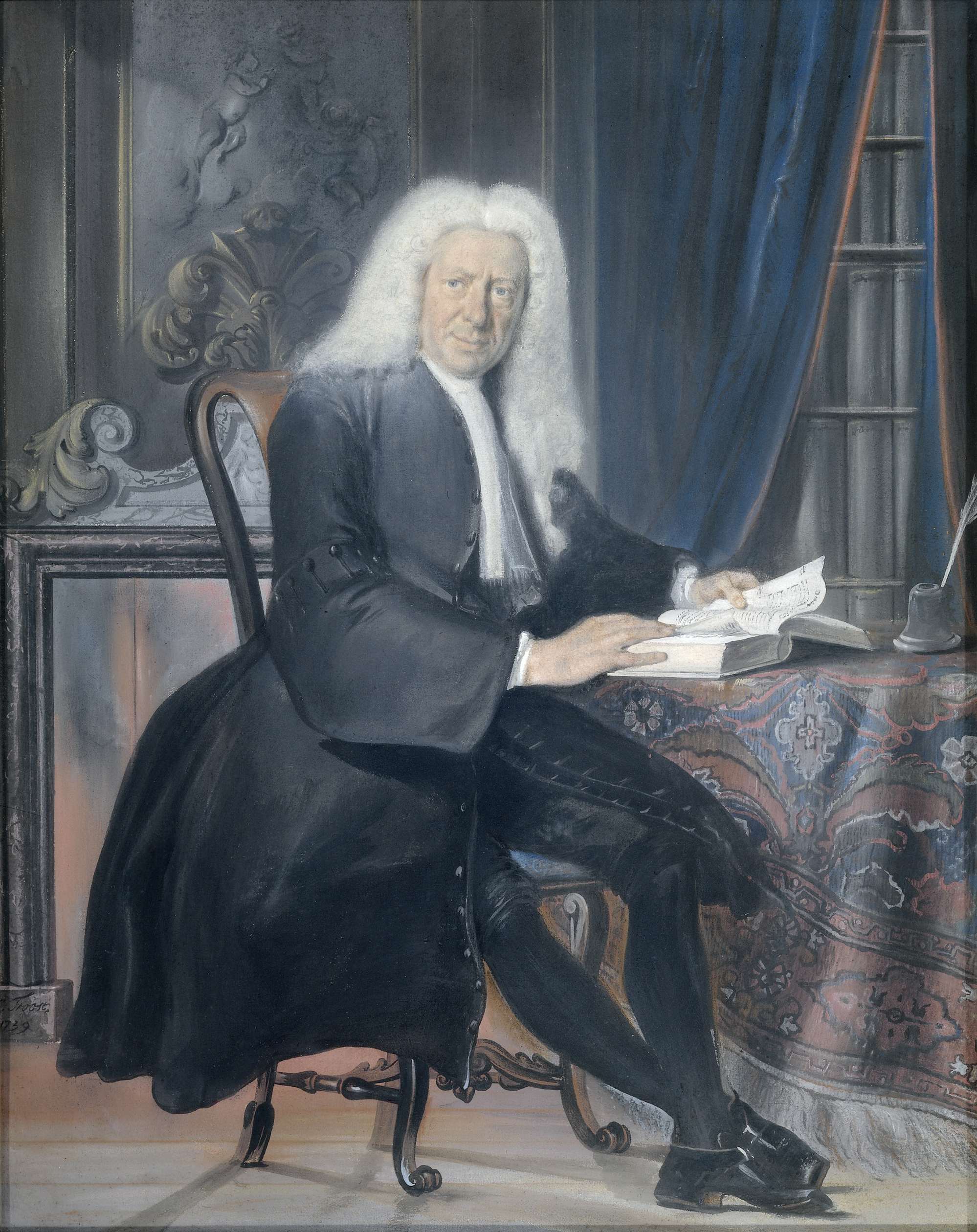
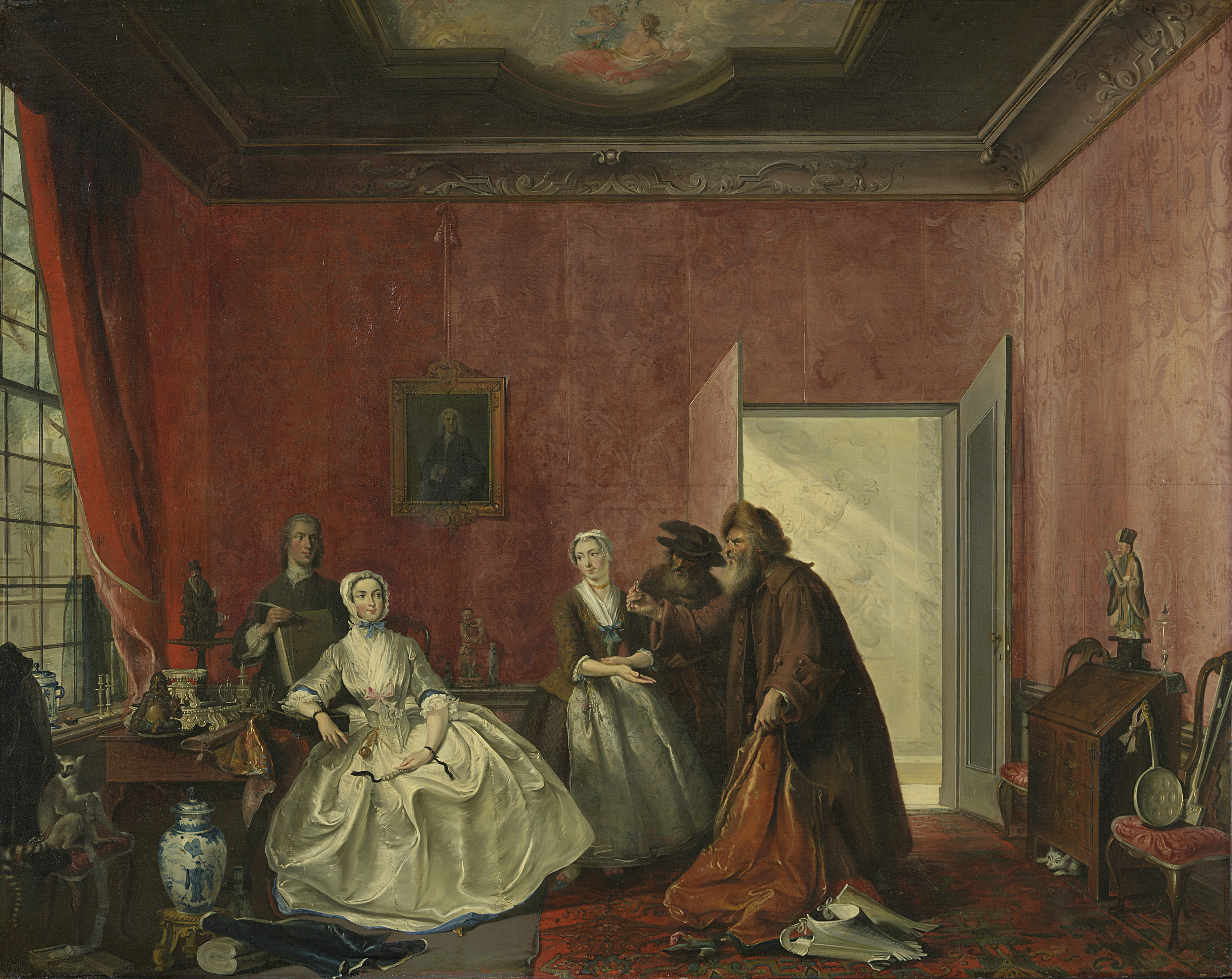
“Every brushstroke is a heartbeat remembered.” In a world where ecstasy is often lost in the chaos of existence, the quiet dignity of human connection can ignite a sense of joy. The interplay of light and shadow within this 1729 masterpiece invites a deeper understanding of community and compassion. Look to the left at the elegantly draped garments of the figures, their rich, deep hues contrasting with the muted palette of the room. Notice how the artist captures the meticulous detail in their attire, each fold whispering stories of status and responsibility.
The warm light spills across the figures, illuminating their faces, each expression a blend of solemnity and hope, drawing the viewer into the emotional tapestry of the scene. Amidst the austere surroundings, there’s a palpable tension between the warmth of human emotion and the coldness of institutional duty. Here, the regents embody both authority and benevolence, revealing the complexity of their roles in the lives of the orphans they serve.
The distant gaze of one figure suggests a yearning for connection beyond the confines of duty, hinting at the deeper aspirations that lie within even the most structured of environments. Cornelis Troost painted this work in Amsterdam in 1729, a time when the city was navigating the complexities of its mercantile wealth and the burgeoning Enlightenment. As a prominent portraitist of his era, Troost was deeply entrenched in the social fabric of his community, capturing not just the likeness of his subjects, but also the nuanced relationships that defined their interactions within a rapidly changing world.