Carel Bouman (1673-1747). Tabaksfactor te Amsterdam en dichter — History & Analysis
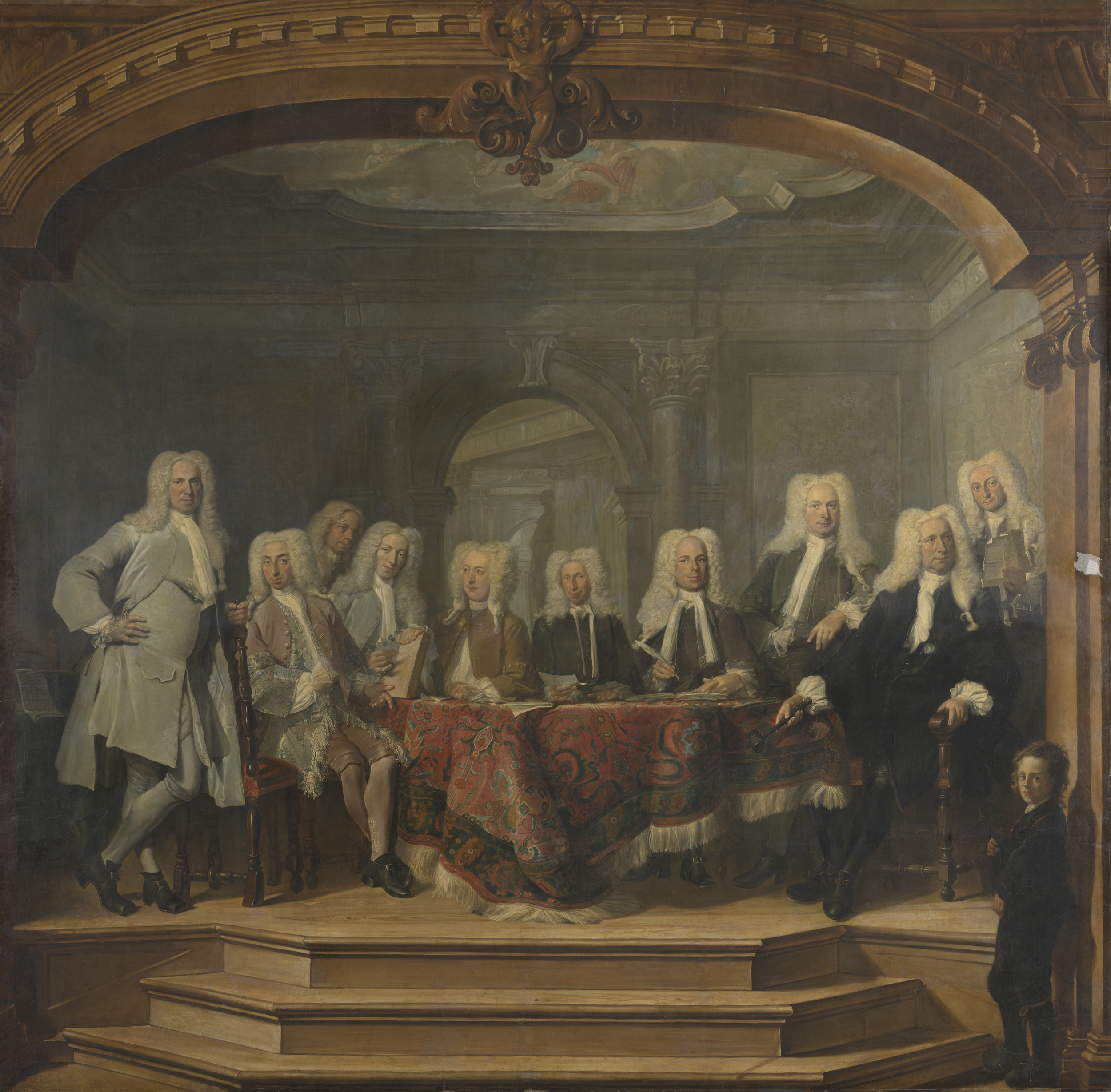
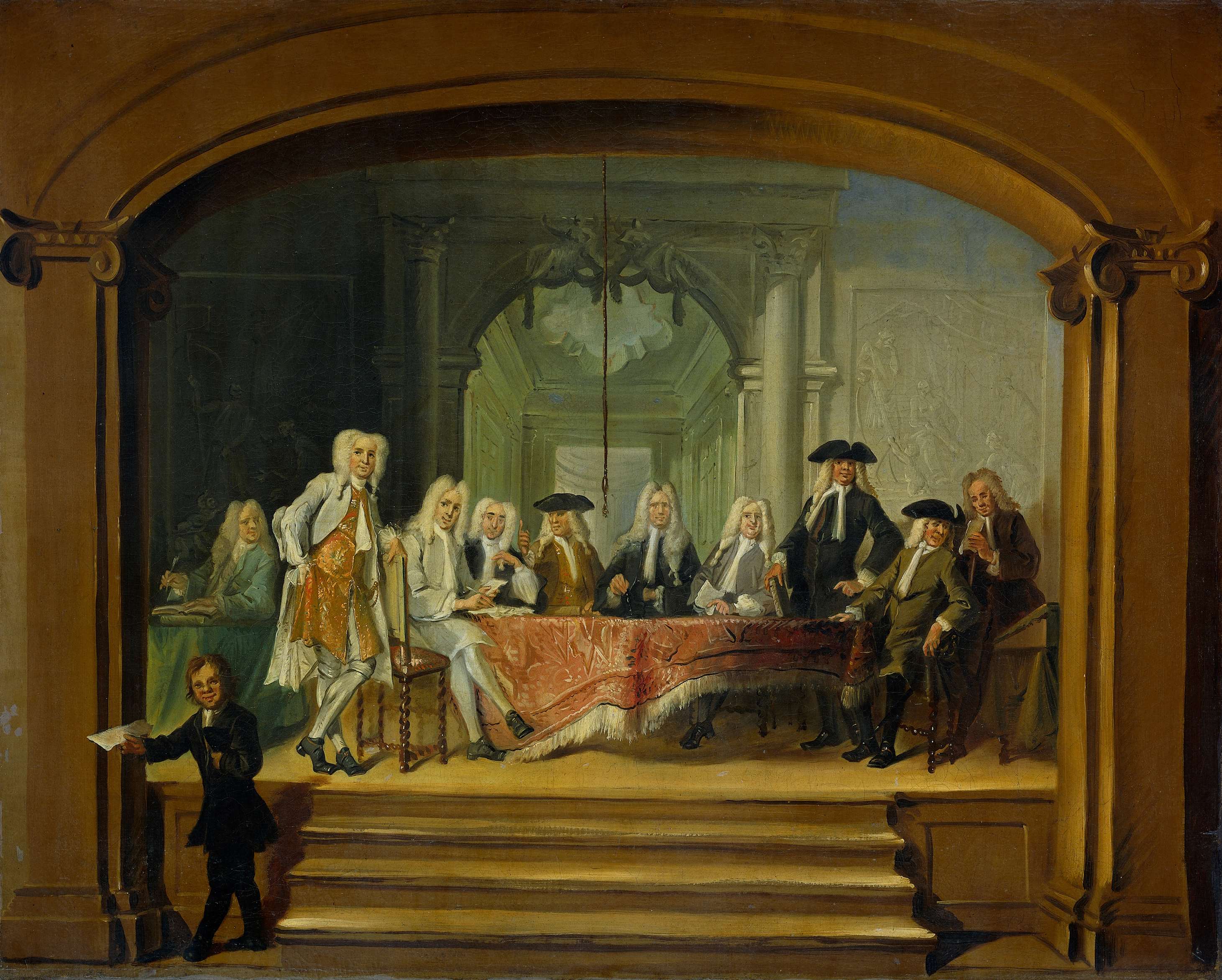
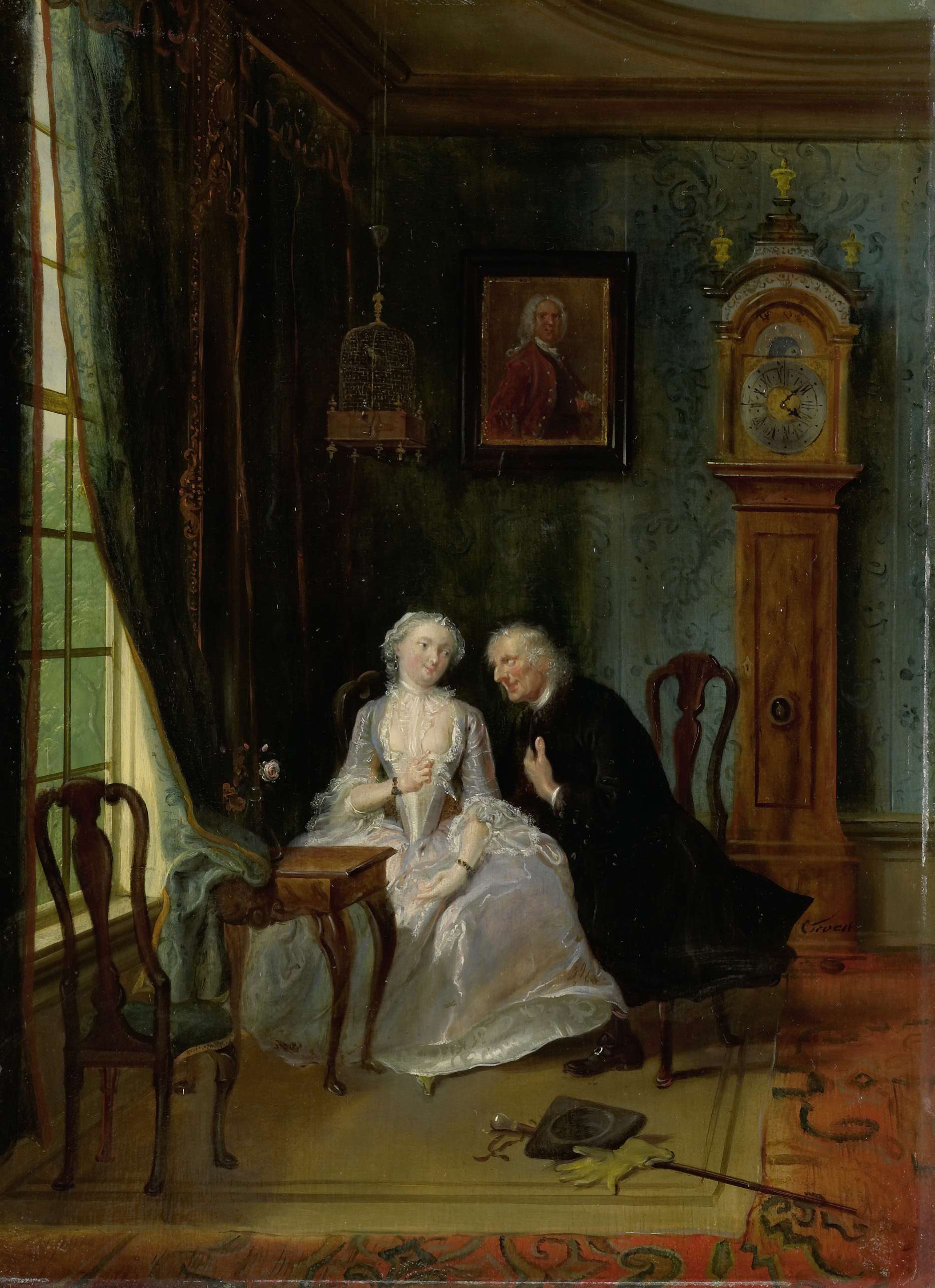
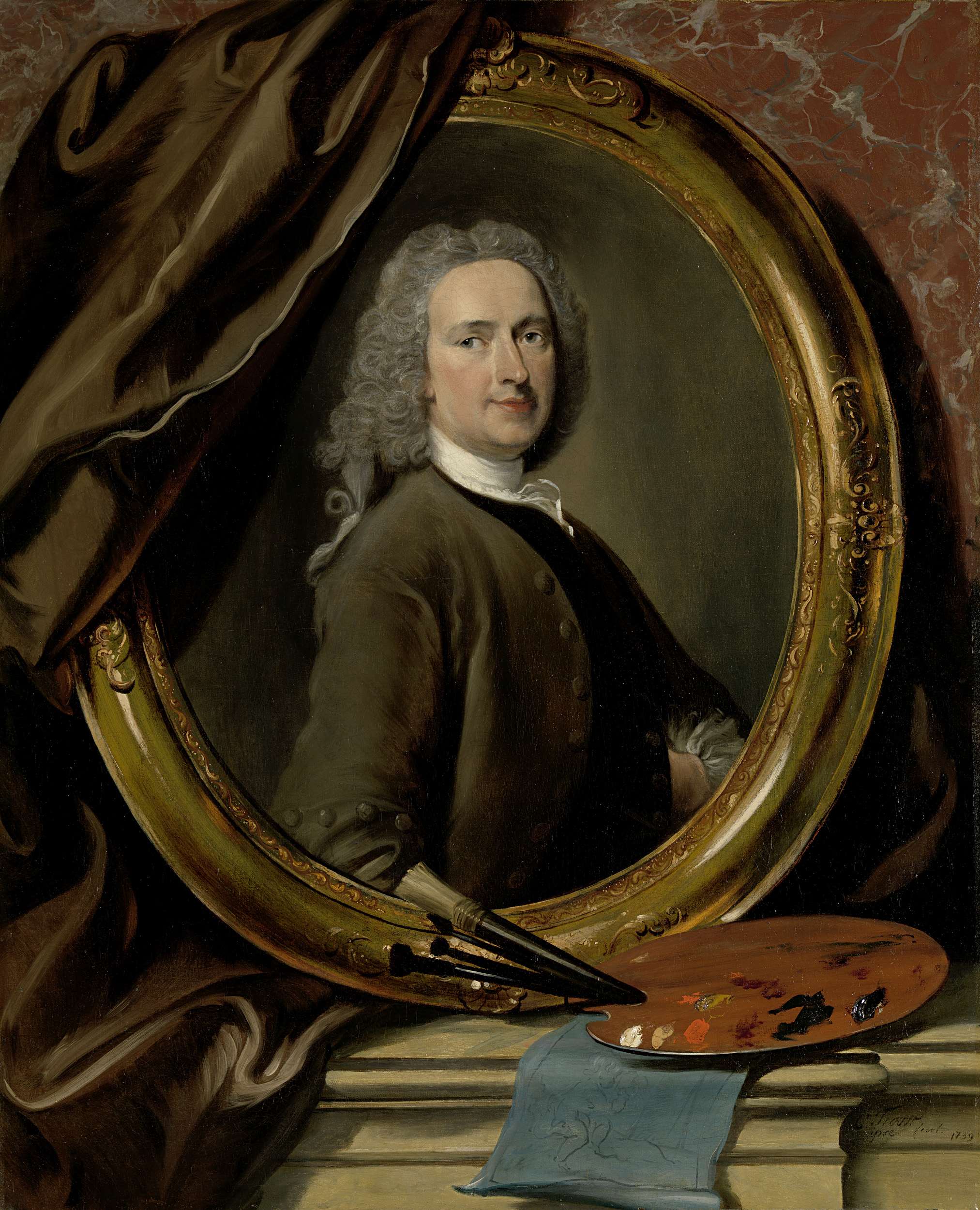
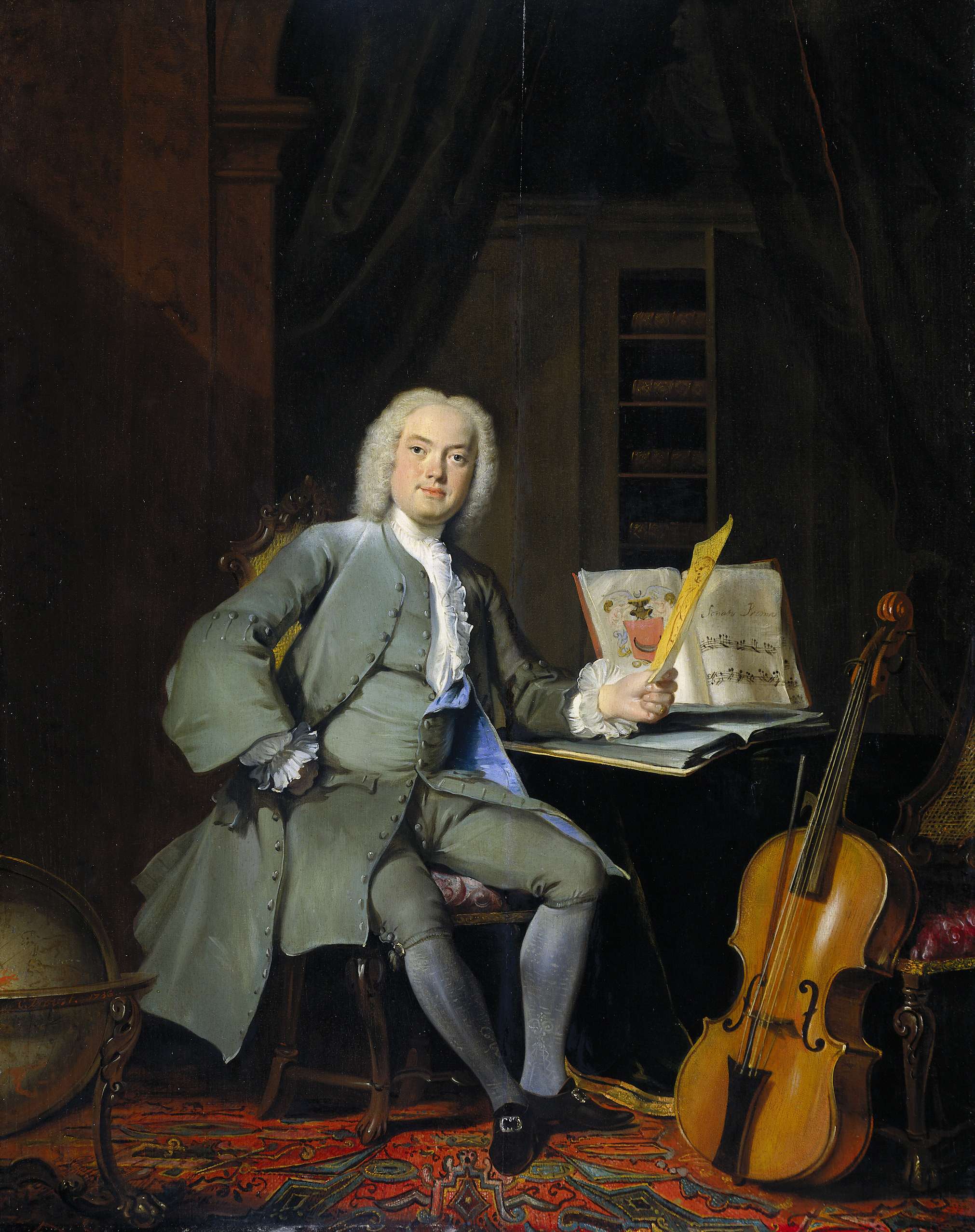
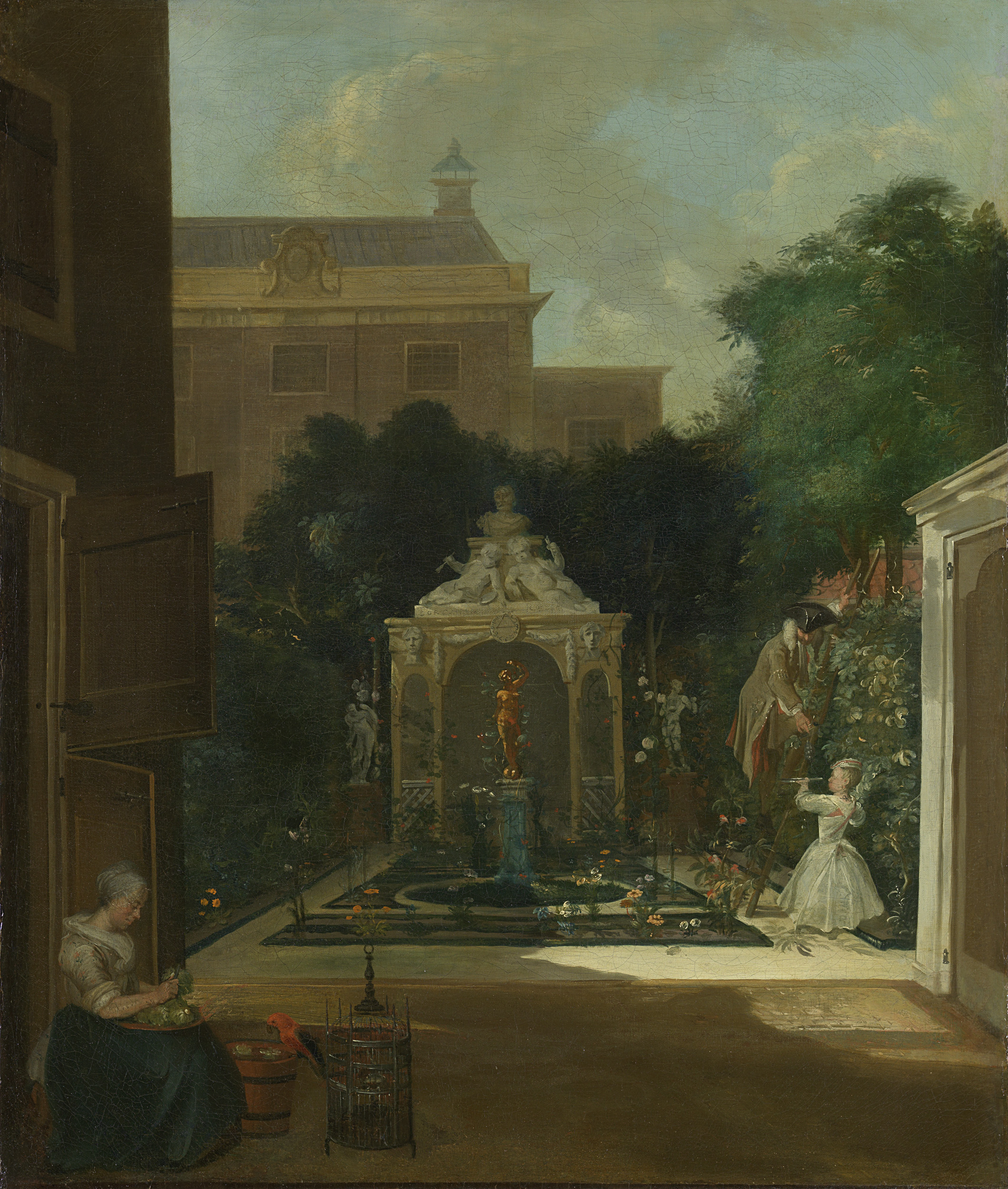
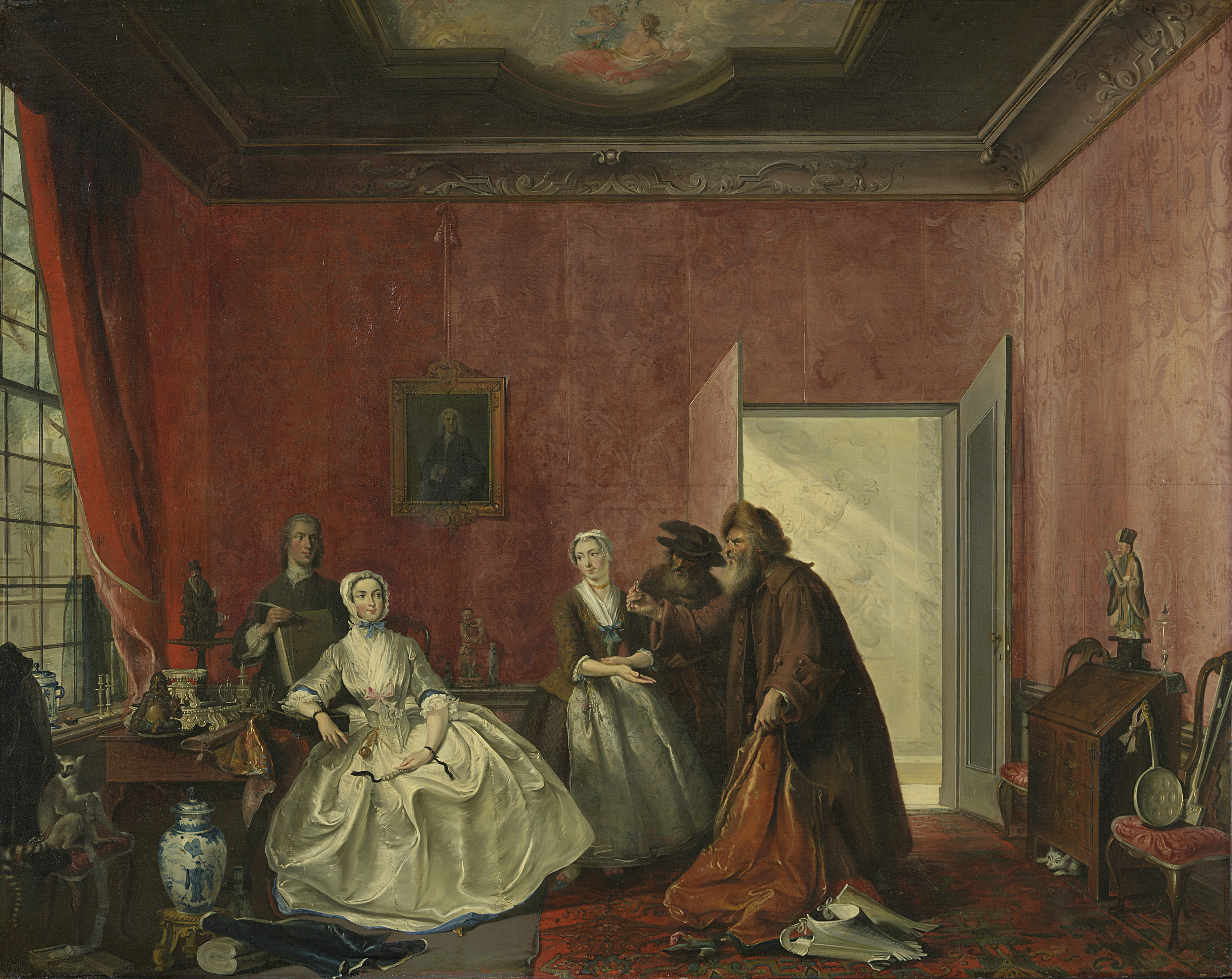
Could beauty survive in a century of chaos? In an age marked by uncertainty, is it possible for the human spirit to find ecstasy amid the tumult? Focus on the gentleman seated prominently in the foreground, a figure of calm amidst the lively scene. His expression is contemplative, framed by the soft, golden hues that envelop the room, drawing you into the world of 18th-century Amsterdam. Notice how the light gracefully hits the curved contours of the tobacco leaves spread before him, illuminating their rich textures and inviting details.
The play of shadows suggests a depth of thought, as if the weight of his contemplative engagement is made tangible through Troost's delicate brushwork. Hidden within this moment is a reflection on the societal shifts of the time. The figures surrounding the tobacco merchant, each engaged in their own tasks, symbolize the interconnectedness of trade and creativity. The subtle contrast between the merchant's composed demeanor and the animated gestures of others highlights the tension between commerce and artistry, as if questioning whether one can thrive without the other.
Moreover, the presence of tobacco offers a duality—serving as a substance of indulgence while also hinting at the darker ramifications of addiction and economic exploitation. Cornelis Troost painted this work in 1739, during a period when the Dutch Golden Age was shifting into a more complex, if not troubled, era. Living in Amsterdam, Troost witnessed the flourishing of trade yet felt the undercurrents of societal unease. This painting reflects not just a moment in time but also the artist's own navigation through the evolving landscape of art, where beauty struggled to maintain its place amid the encroaching chaos of modernity.