Sunlight and Shadow, Shinnecock Hills — History & Analysis
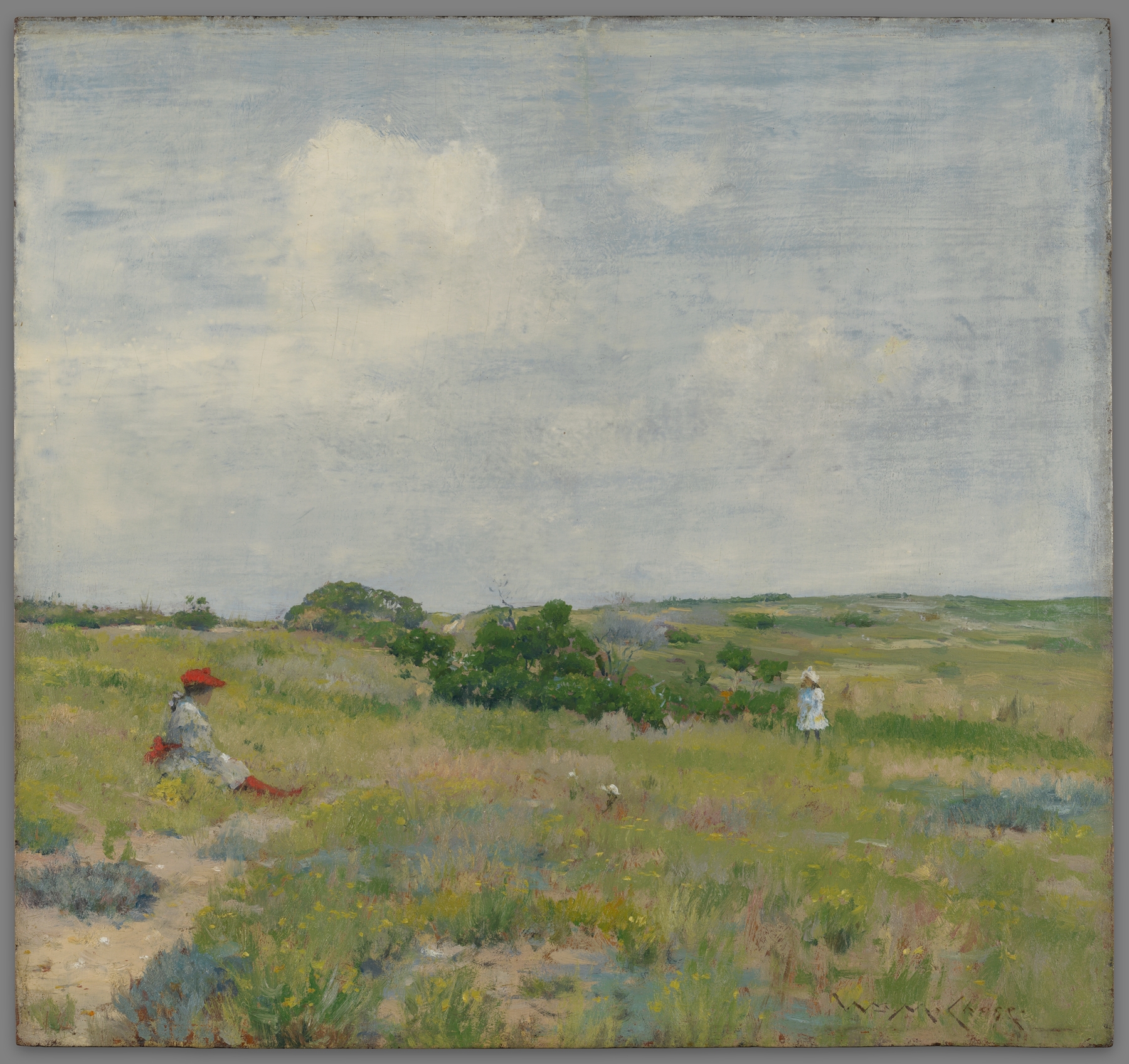
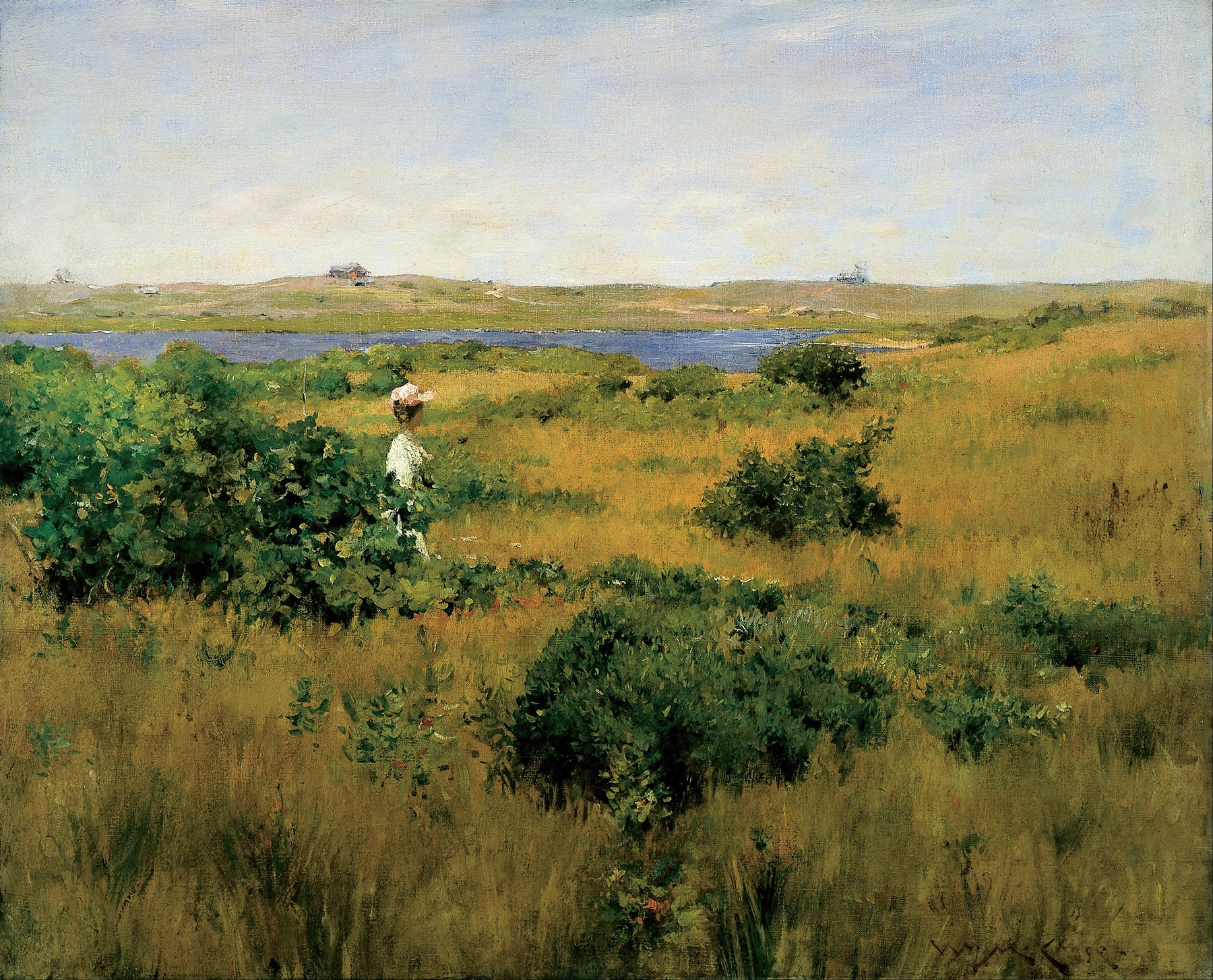
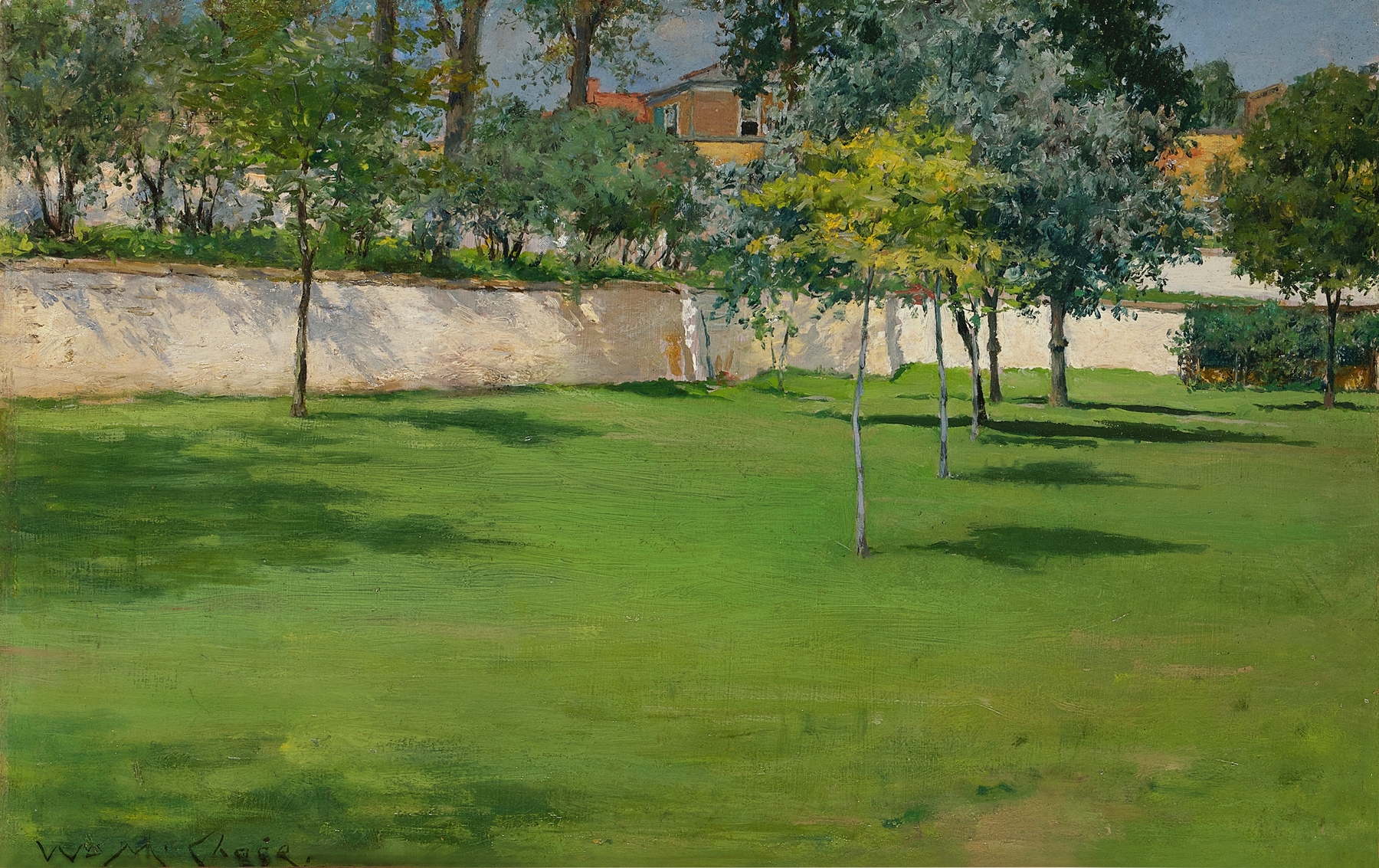
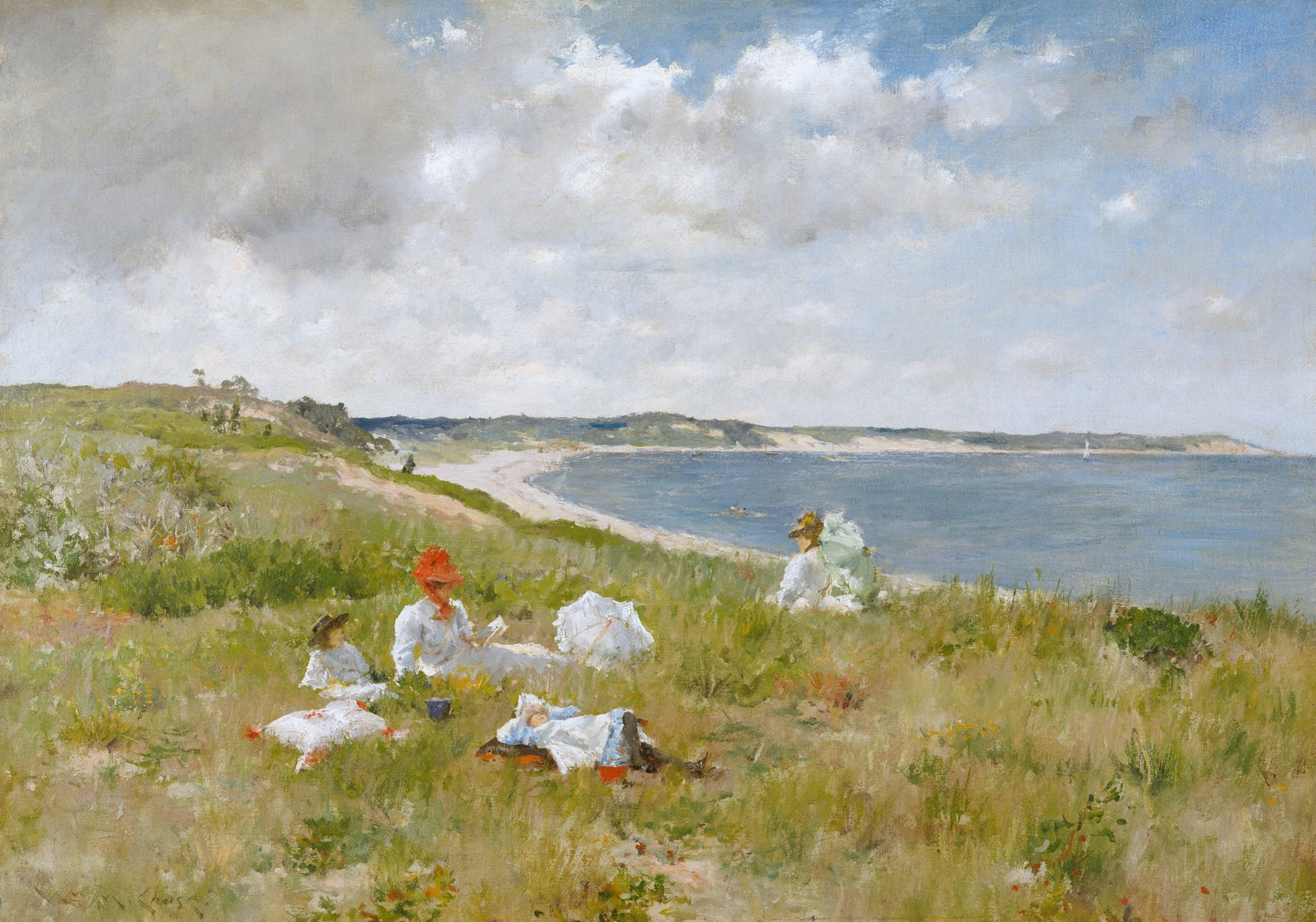
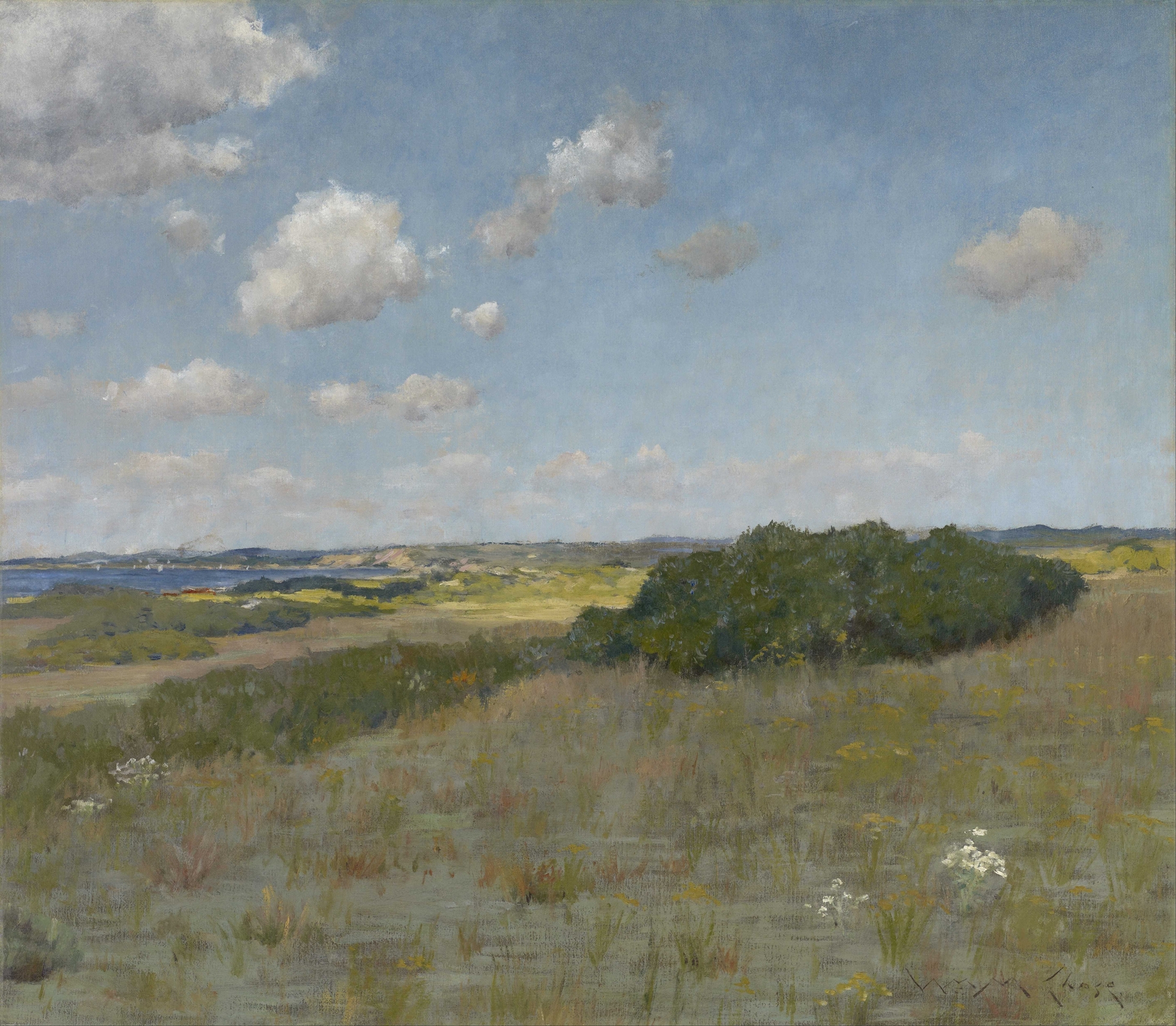
Who listens when art speaks of silence? In Sunlight and Shadow, Shinnecock Hills, the interplay of illumination and shadow whispers secrets of fleeting time and mortality. Look to the left, where the dappled sunlight cascades through the trees, illuminating the vibrant greens and golds of the landscape. The viewer’s gaze is then drawn across the canvas, to the gentle undulations of the hills, bathed in a warm, golden hue. The artist employs a palette that feels alive: rich greens contrast with earthy browns, while the soft blues hint at a serene sky.
Every brushstroke is deliberate, capturing the essence of a moment that teeters on the edge of stillness and movement. Yet beneath this idyllic scenery lies a deeper resonance—a reminder of life’s transience. The shadows cast by the trees suggest the inevitable passage of time, as they silently encroach upon the brightly lit meadow. The separation of light and dark embodies the duality of existence: joy intertwined with sorrow, beauty coupled with decay.
Each element is steeped in significance, inviting contemplation of the very nature of being. Chase painted this piece during the late 19th century, a period when American artists were redefining their identities amid the rise of Impressionism. Working in Shinnecock Hills, New York, he found inspiration in the natural beauty surrounding him, while also grappling with his own artistic ambitions and the changing landscape of art. In the quiet moments spent outdoors, he sought to capture not only the visual splendor but also the ephemeral essence of life itself.