Summer-Time — History & Analysis

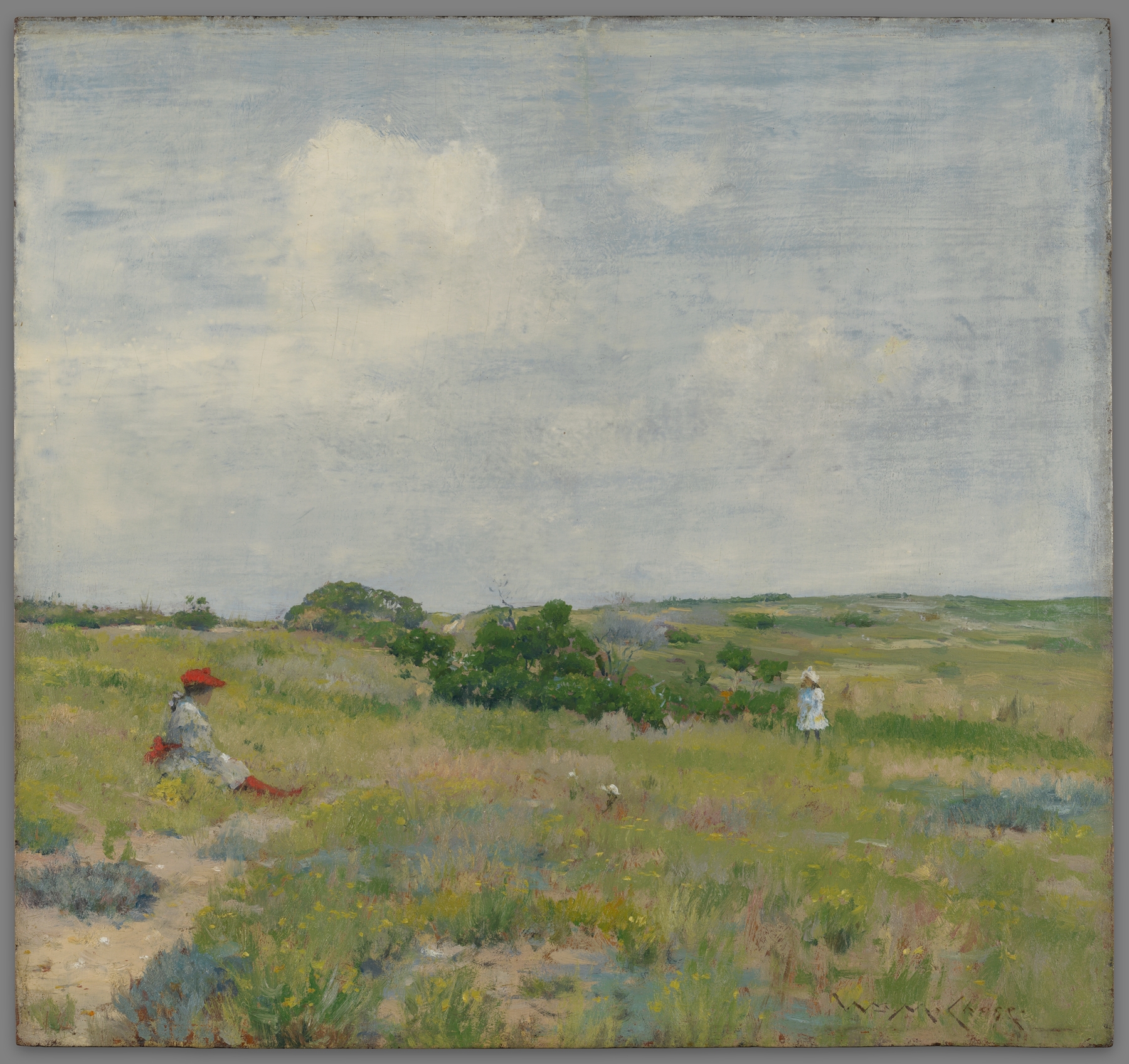
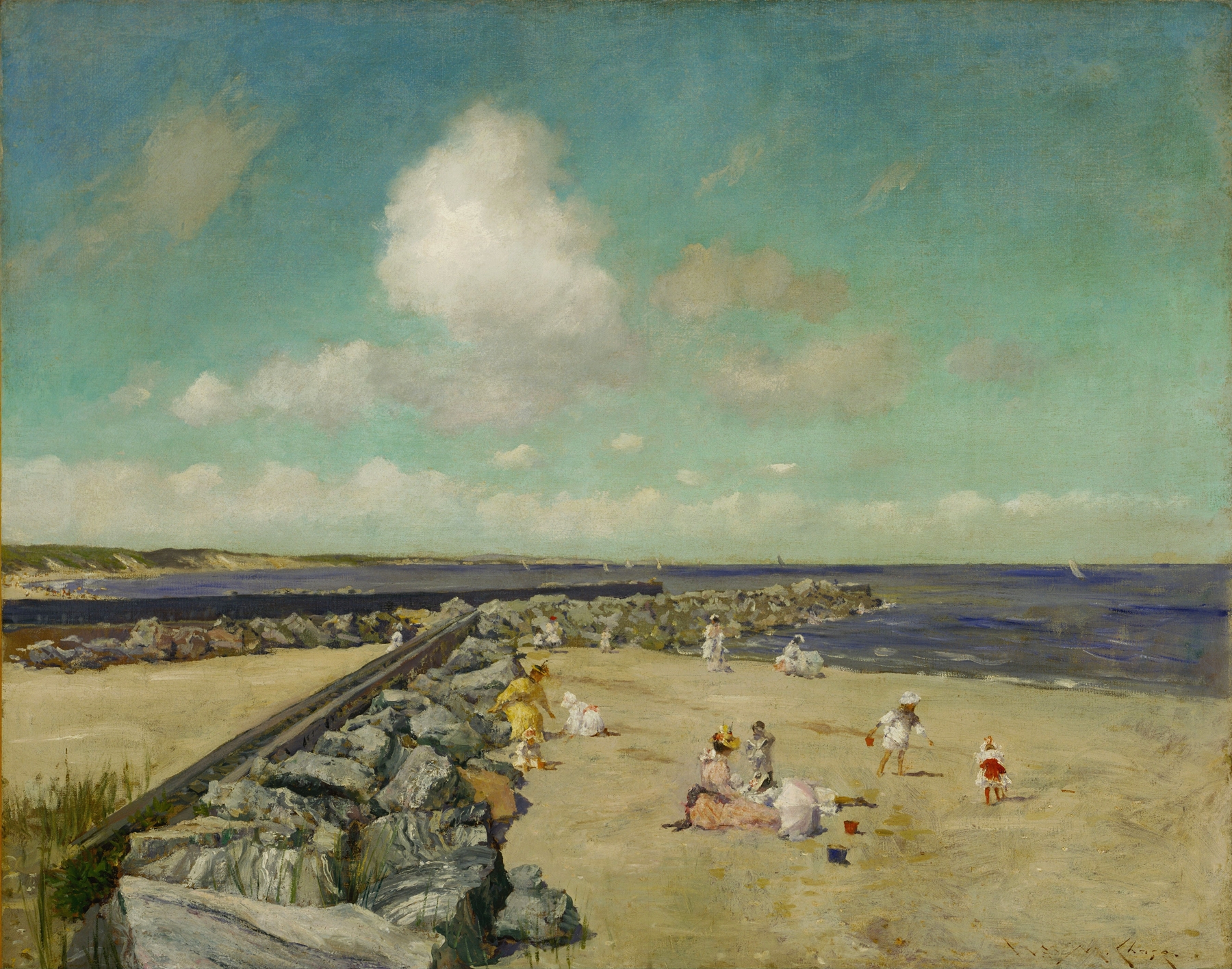
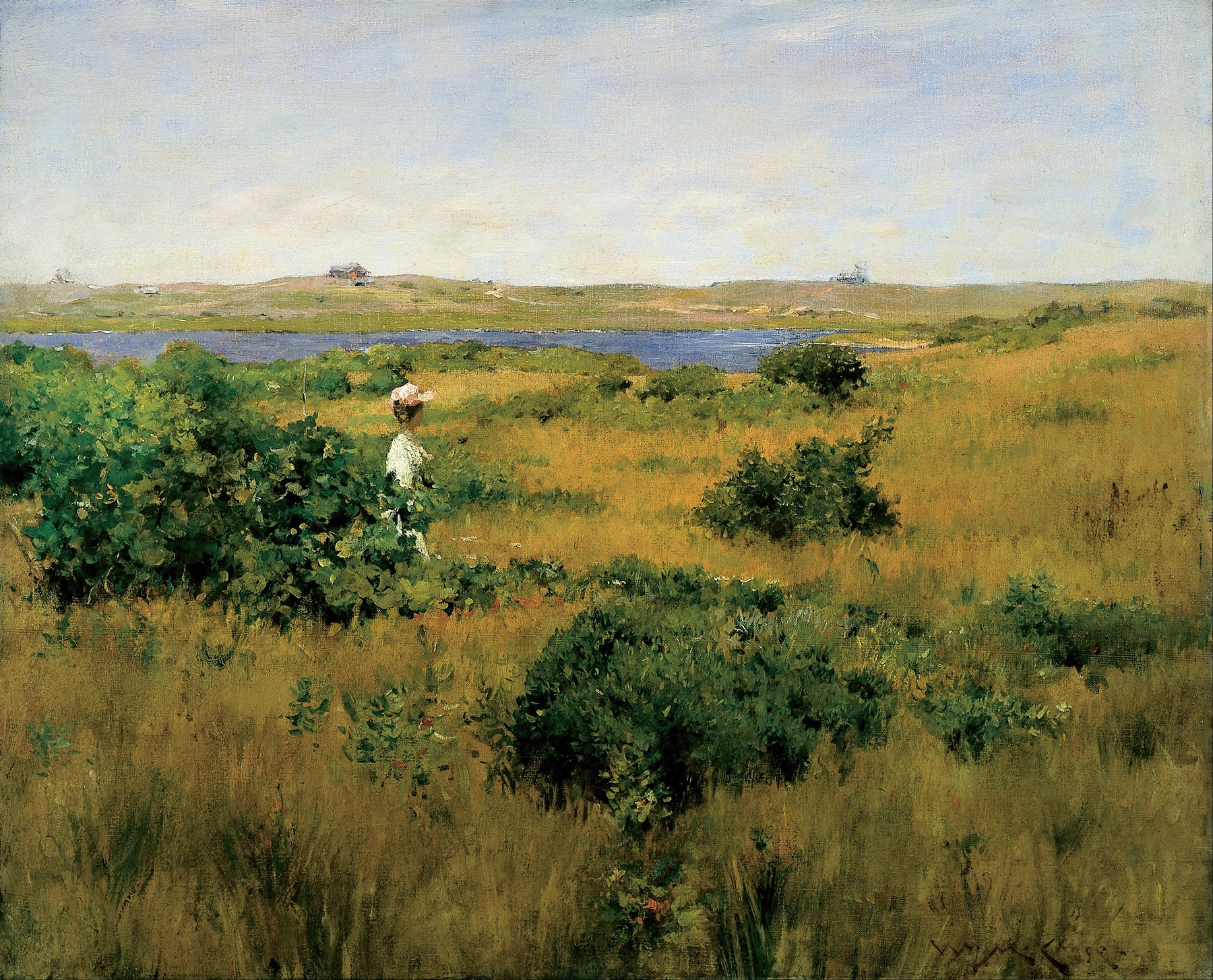
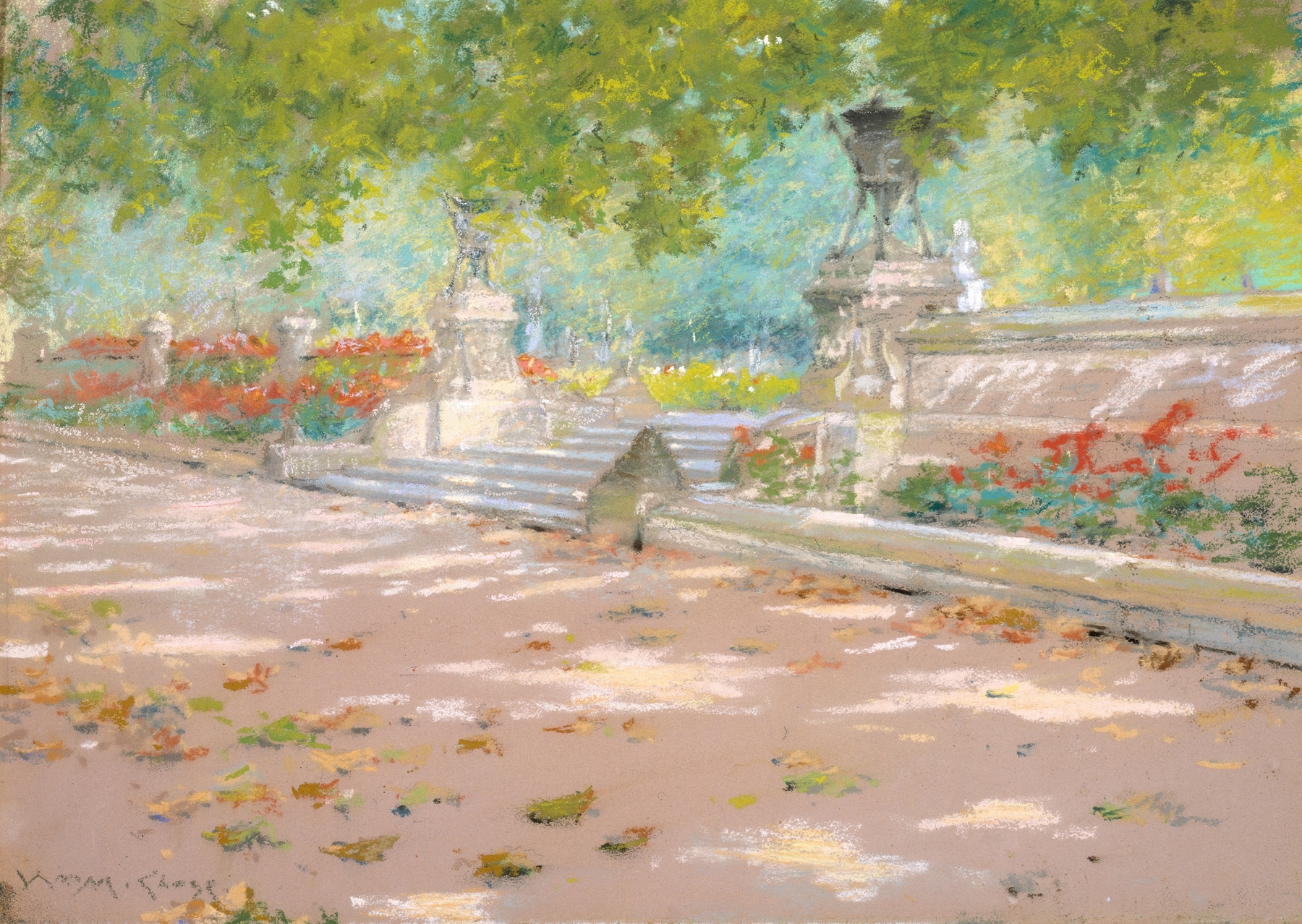
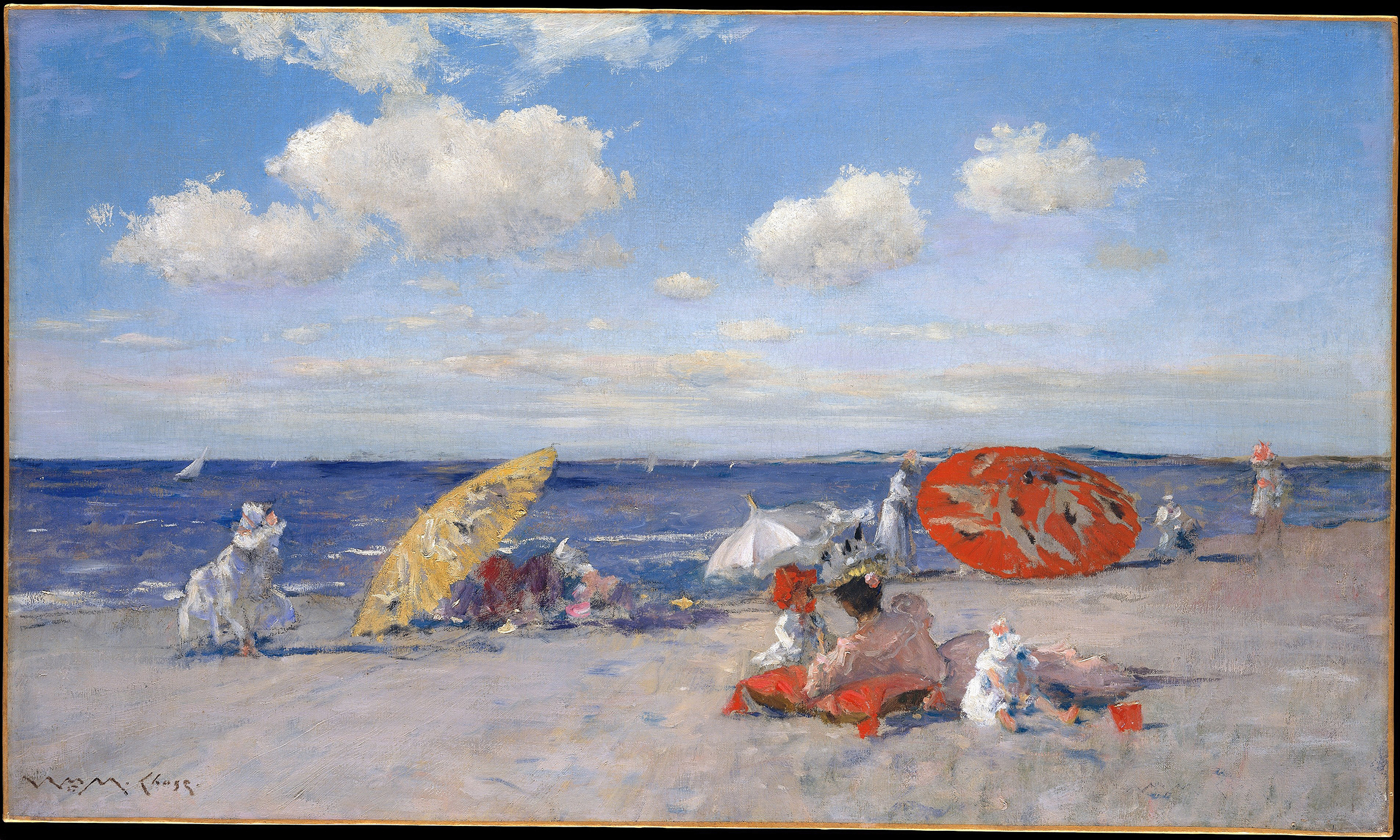
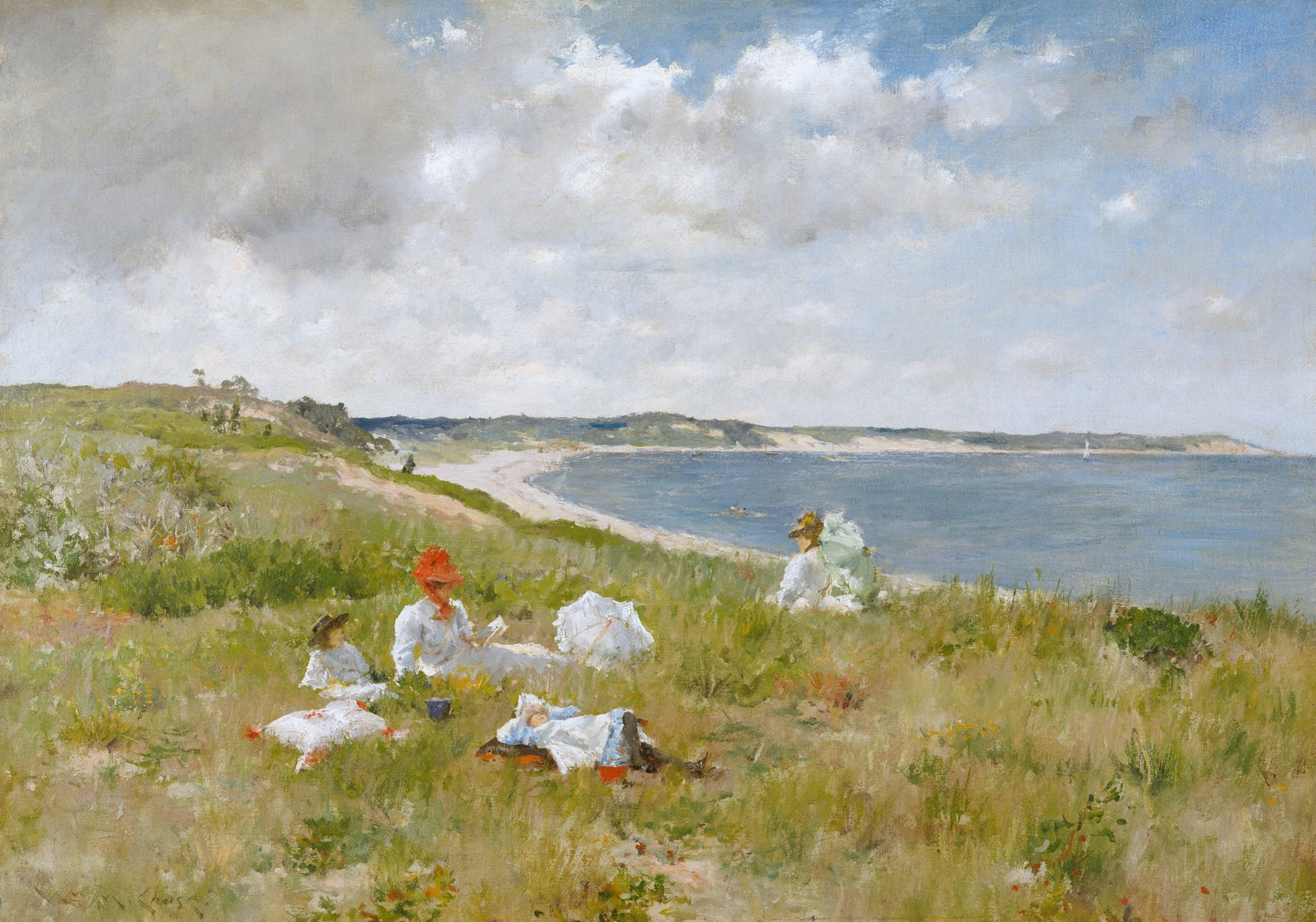
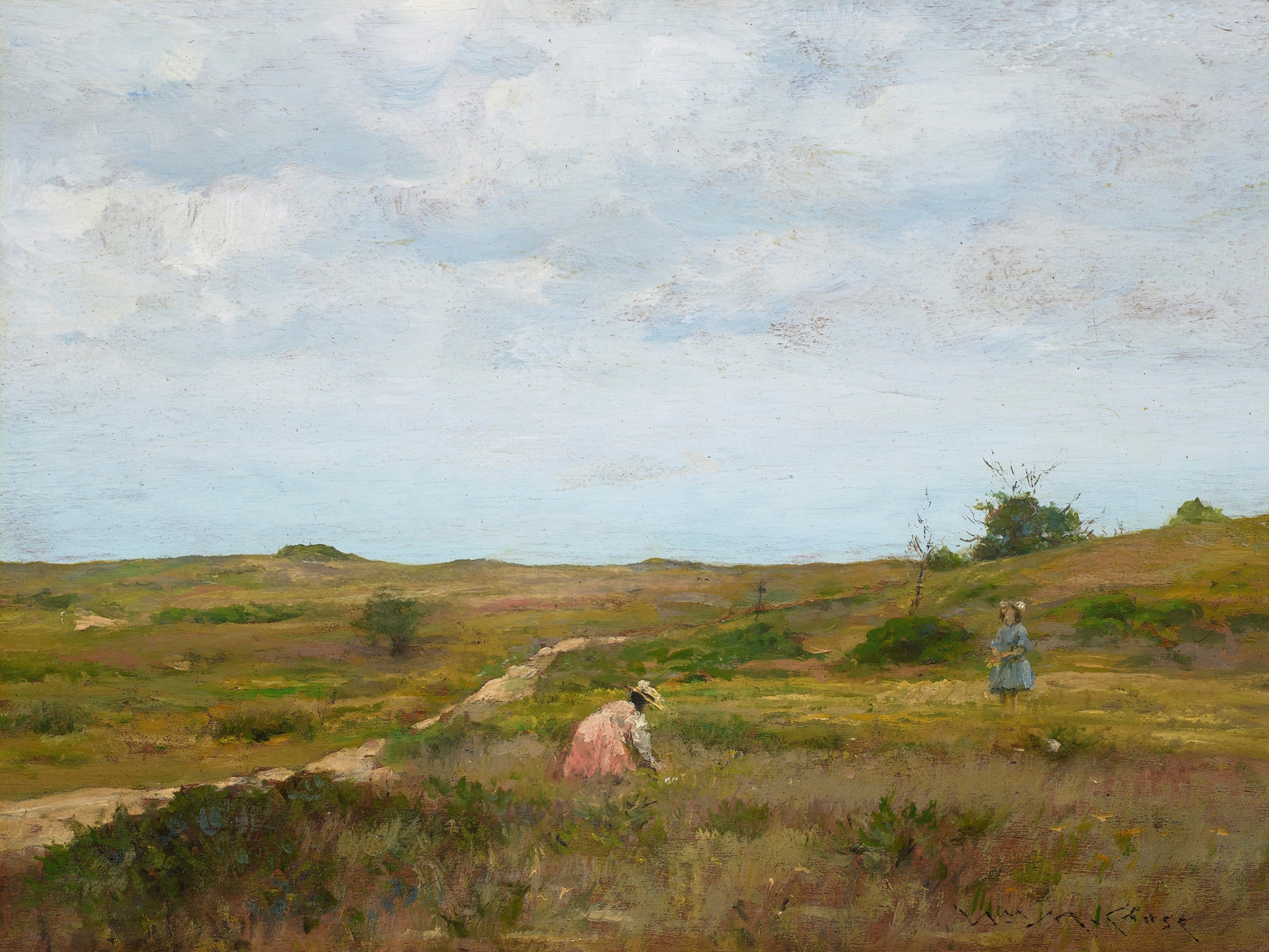
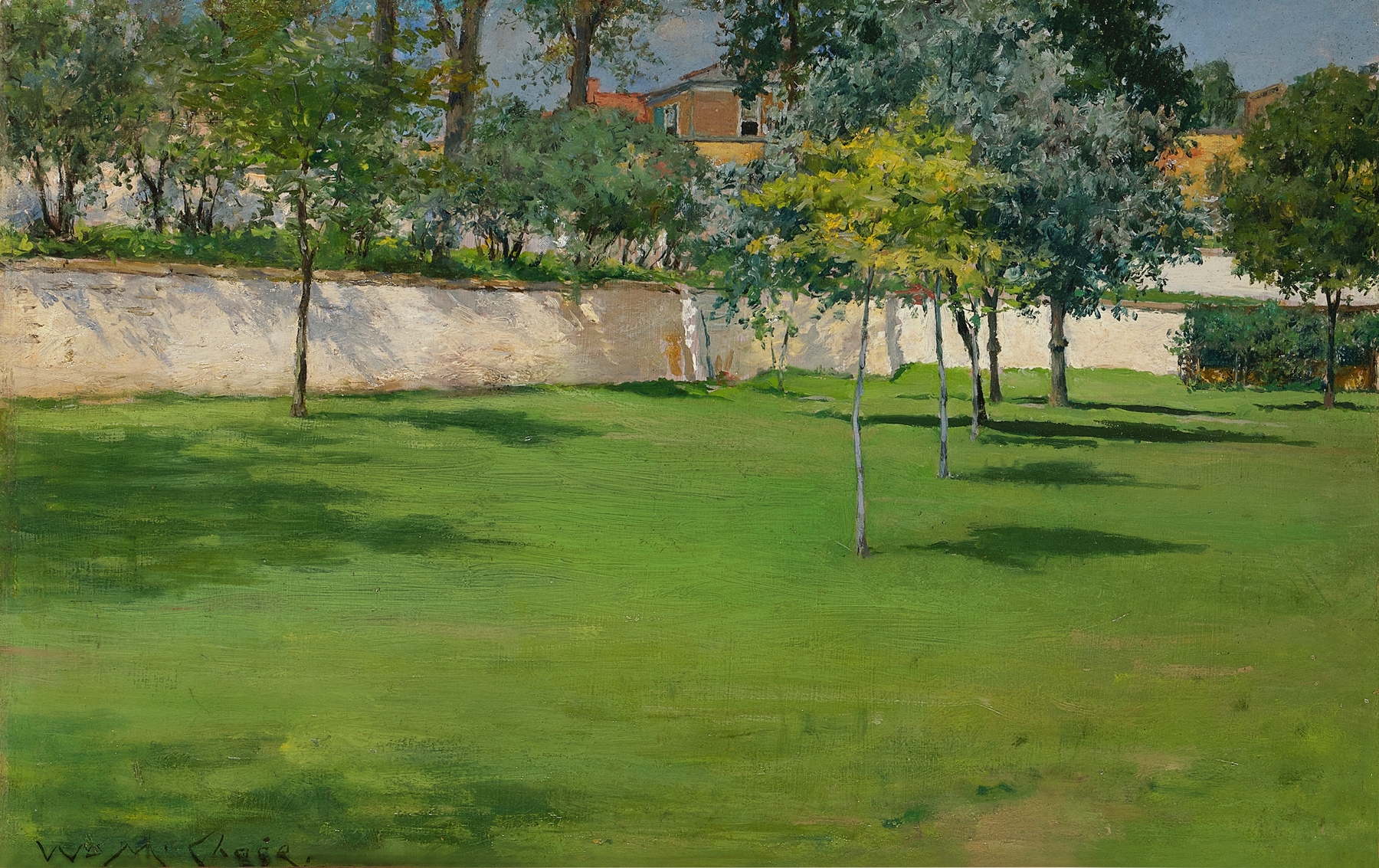
“The canvas doesn’t lie — it simply waits.” In the delicate balance of stillness and longing, this artwork captures the bittersweet essence of summer's fleeting joys and the melancholic undercurrents of time’s passage. Look to the left at the vibrant greens and soft pastels that infuse the scene with life. The figures, elegantly dressed and at ease, bask in sunlight that spills warmly across their faces, inviting the viewer into their tranquil moment. Notice how the artist's brushwork creates a luscious texture in the foliage, contrasting with the smoothness of the figures’ attire, emphasizing both the beauty of nature and the human experience intertwined within it.
Within the rich hues lie whispers of nostalgia and yearning. The peaceful expression of the seated woman evokes a sense of introspection, hinting at deeper stories behind her placid exterior. The fleeting sunlight, a reminder of summer's temporary nature, extends a sense of urgency beneath the surface—a reminder that joy, like the season itself, is often ephemeral and tinged with sadness.
William Merritt Chase painted this piece in 1887 during a period of burgeoning artistic exploration in America. Living in New York and deeply influenced by European styles, he was at the forefront of the American Impressionist movement. This work reflects both his mastery of color and his profound connection to the themes of leisure and longing, marking a pivotal moment in his career and in the broader context of American art.