Terrace, Prospect Park — History & Analysis

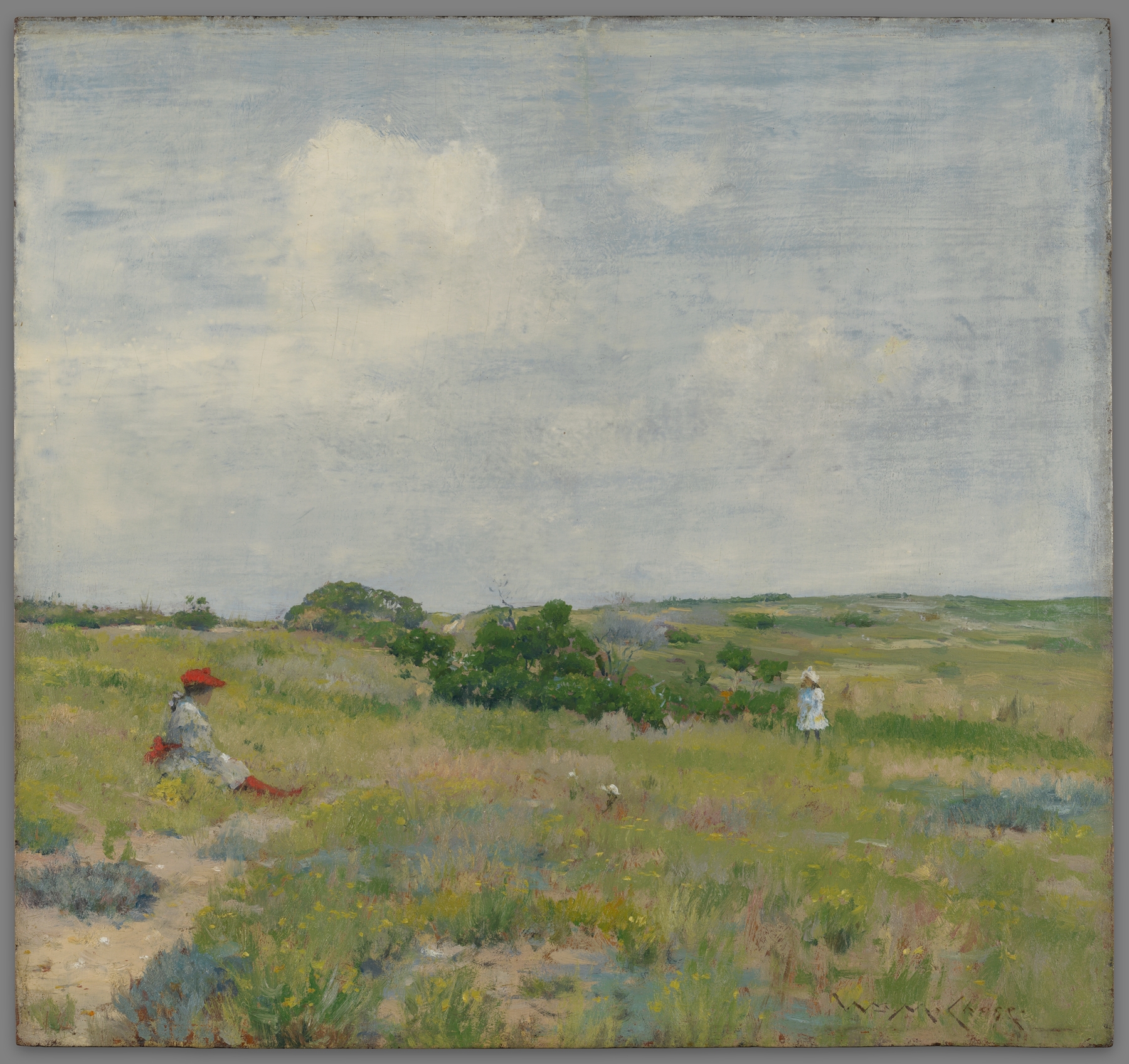
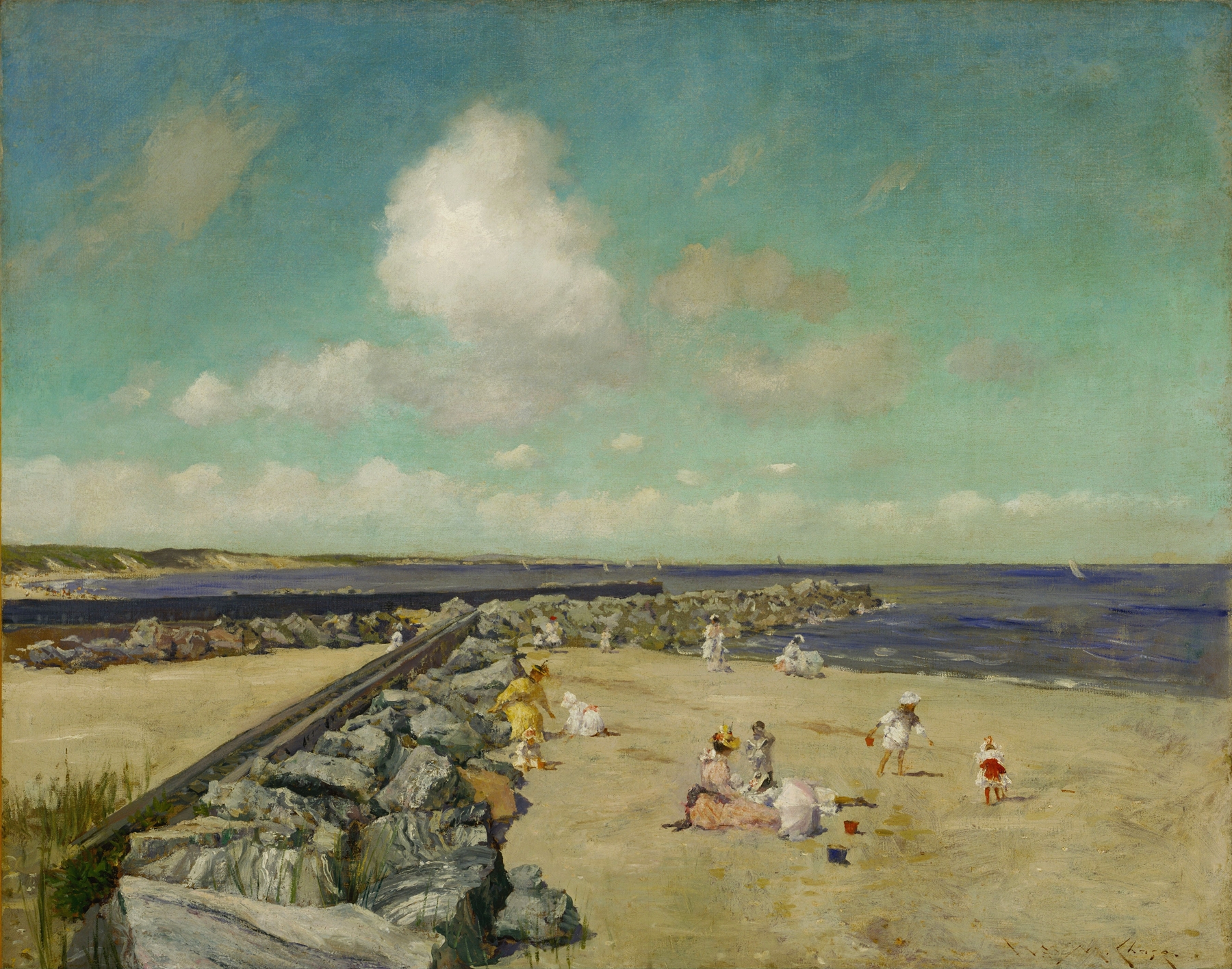
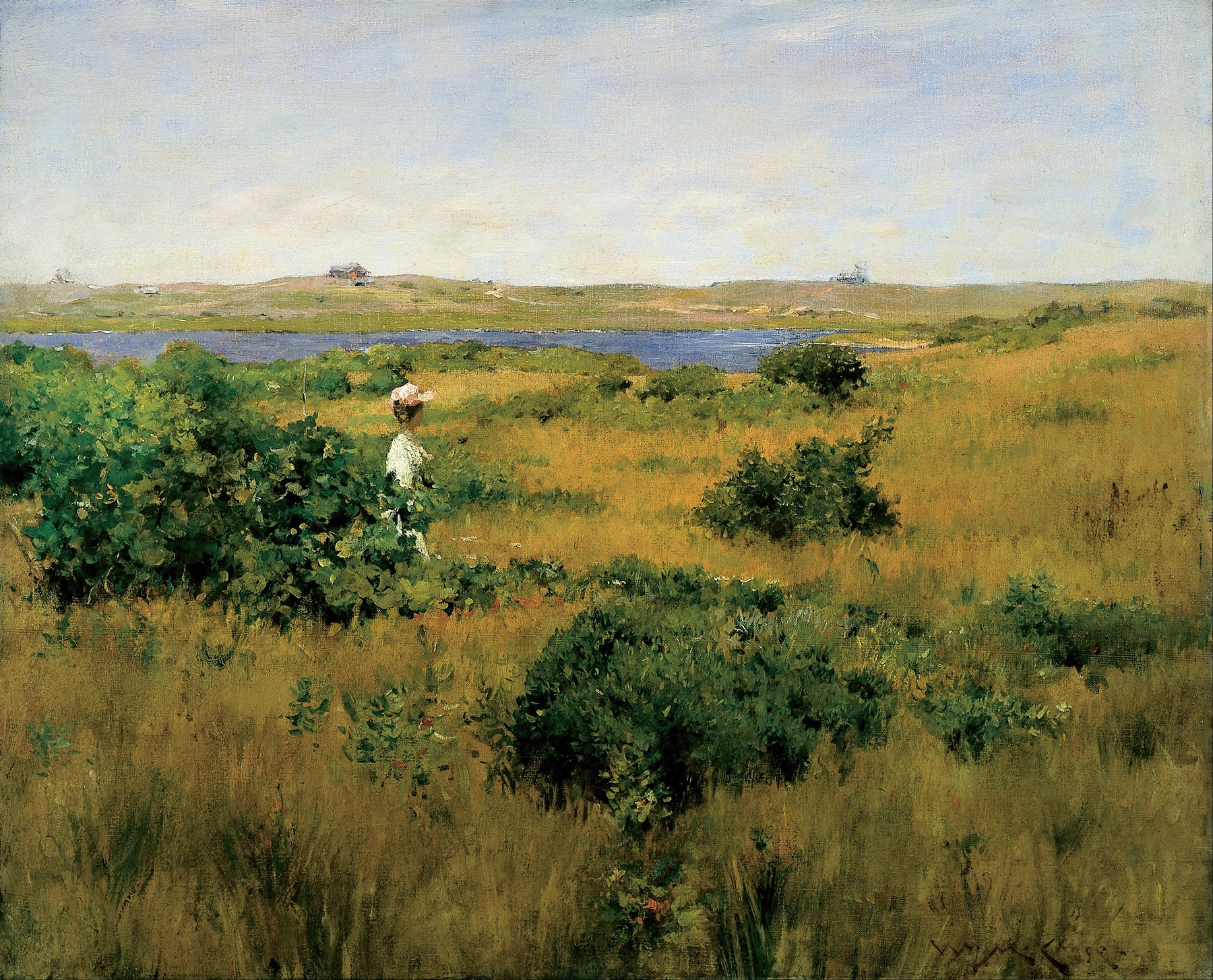
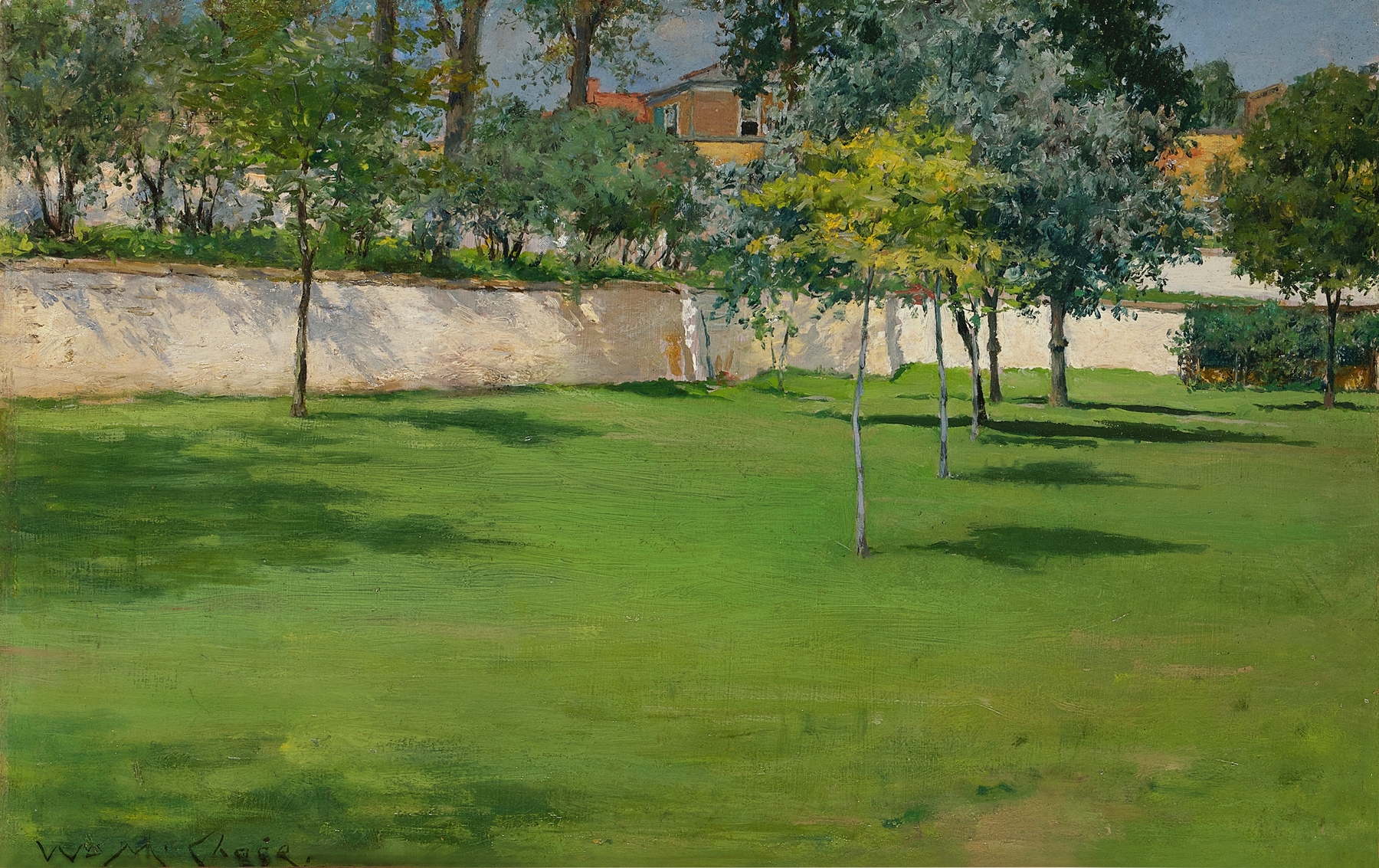
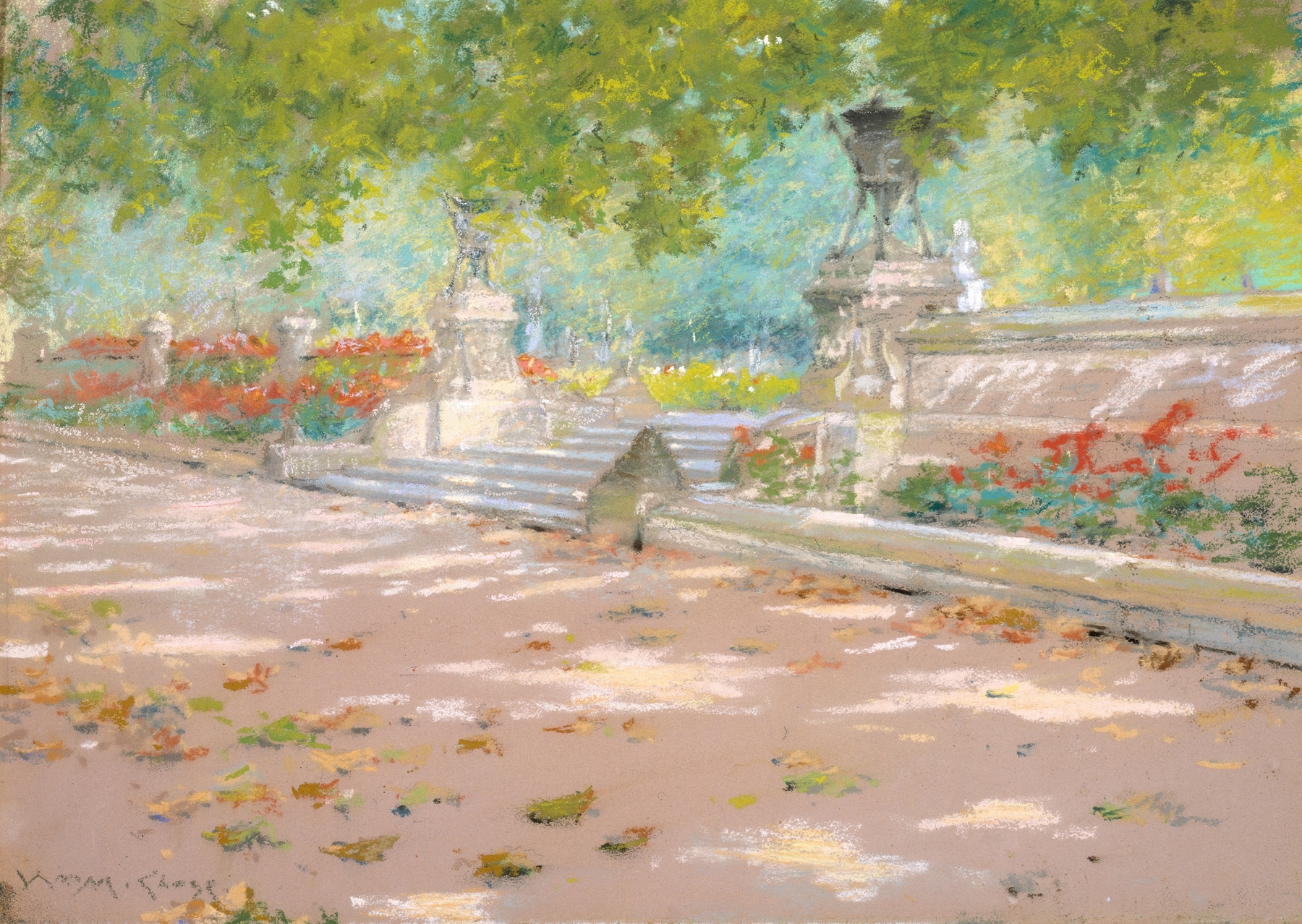
“Under the brush, chaos becomes grace.” In Terrace, Prospect Park, light dances across the canvas, transforming an ordinary day into a luminous spectacle of color and tranquility. Look to the left at the vibrant green foliage, the leaves flickering like jewels under the warm sun. Notice how the brilliant brushstrokes capture the essence of nature in full bloom, while the elegantly dressed figures are framed against this lush backdrop. The composition invites the viewer into a world where every detail—from the soft petals of flowers to the dappled shadows on the terrace—whispers of a serene summer day.
The warm palette breathes life into the scene, emphasizing the gentle harmony between humanity and nature. Beneath the surface, contrasts emerge. The stillness of the figures, ensconced in conversation, subtly juxtaposes the frenetic energy of the surrounding park. The light reflects not only on the surface of the terrace but also captures the transient moments of leisure and connection, suggesting a deeper longing for community in an increasingly industrial age.
The vibrant colors evoke joy, yet they also hint at the fleeting nature of such idyllic moments, where beauty exists only in the present. William Merritt Chase painted this work in 1887 during a prolific period of his career in New York City. Embracing the impressionist style, he sought to celebrate the modern life of his time, capturing scenes of leisure and pleasure in nature. This painting reflects Chase’s dedication to the exploration of light and its transformative power, a theme that resonated deeply in the artistic circles of the late 19th century.