Wheat Field — History & Analysis

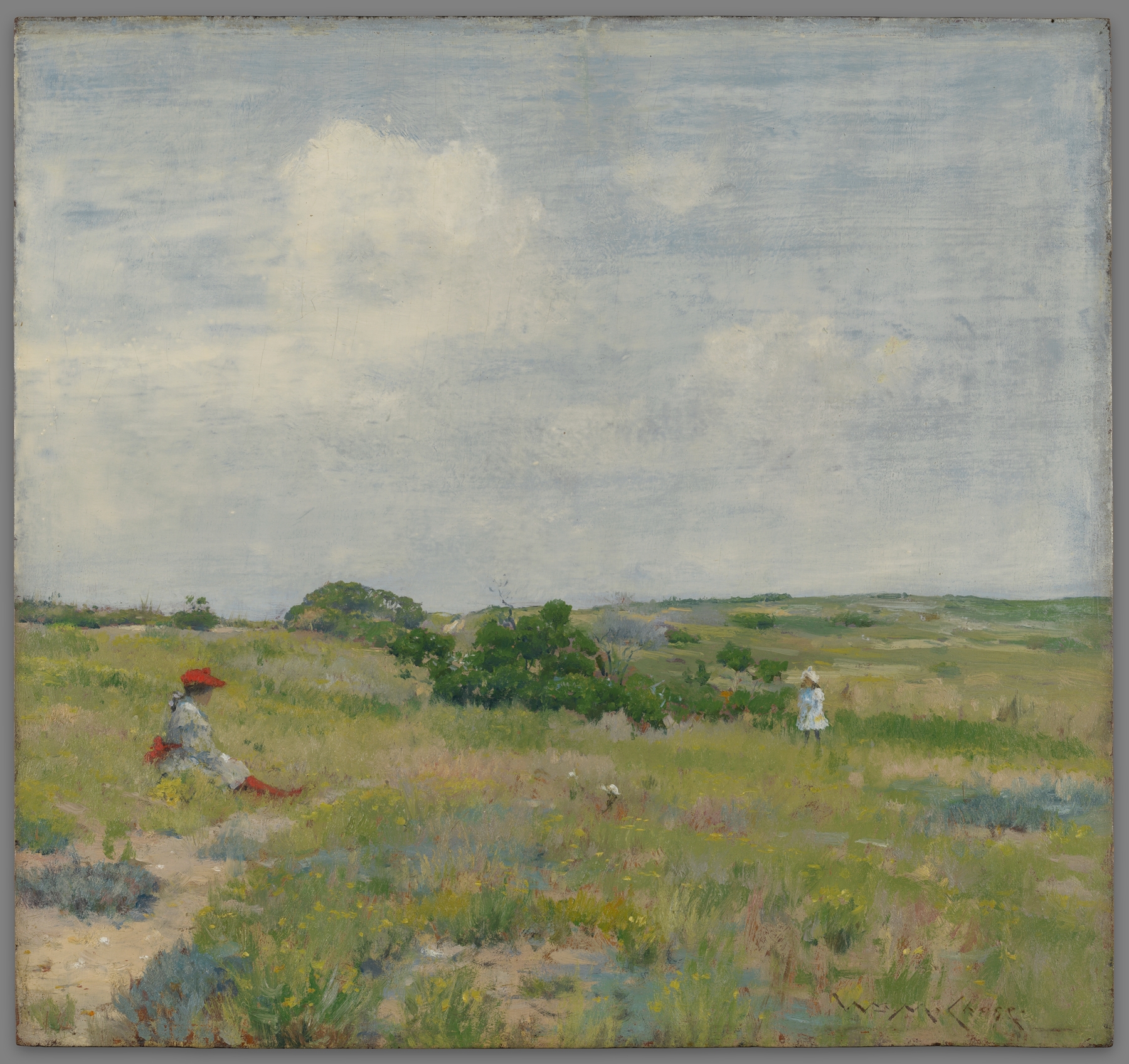
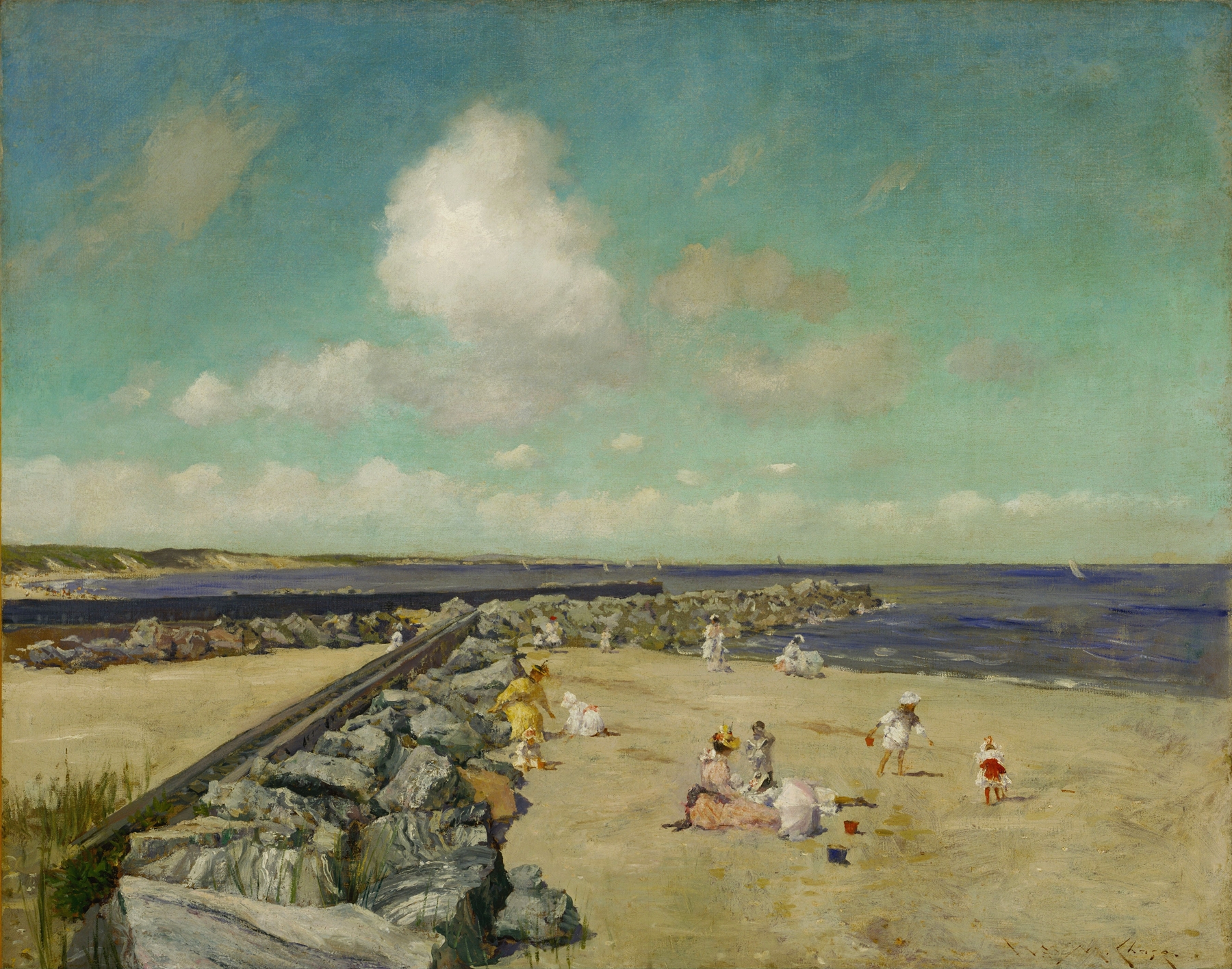
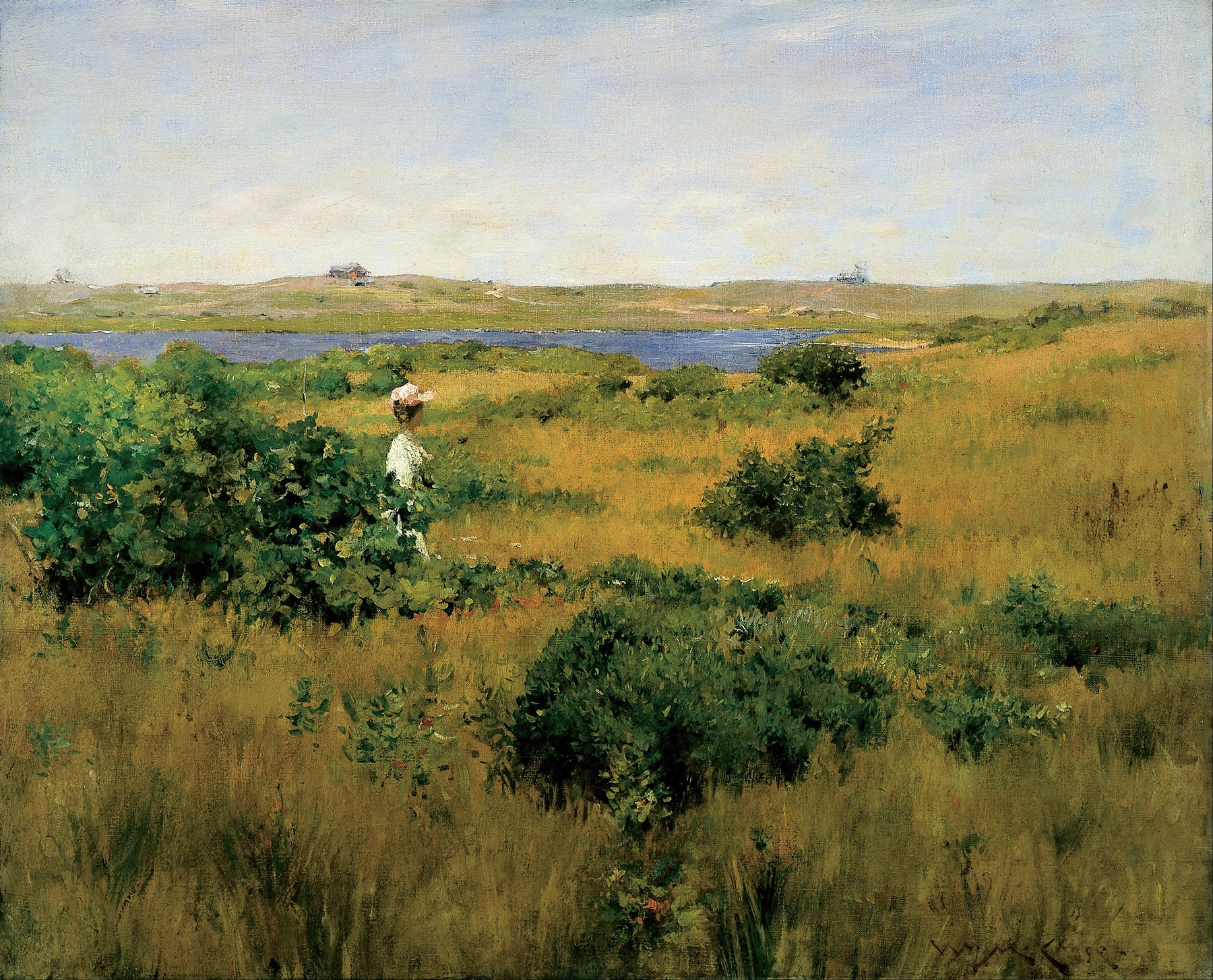
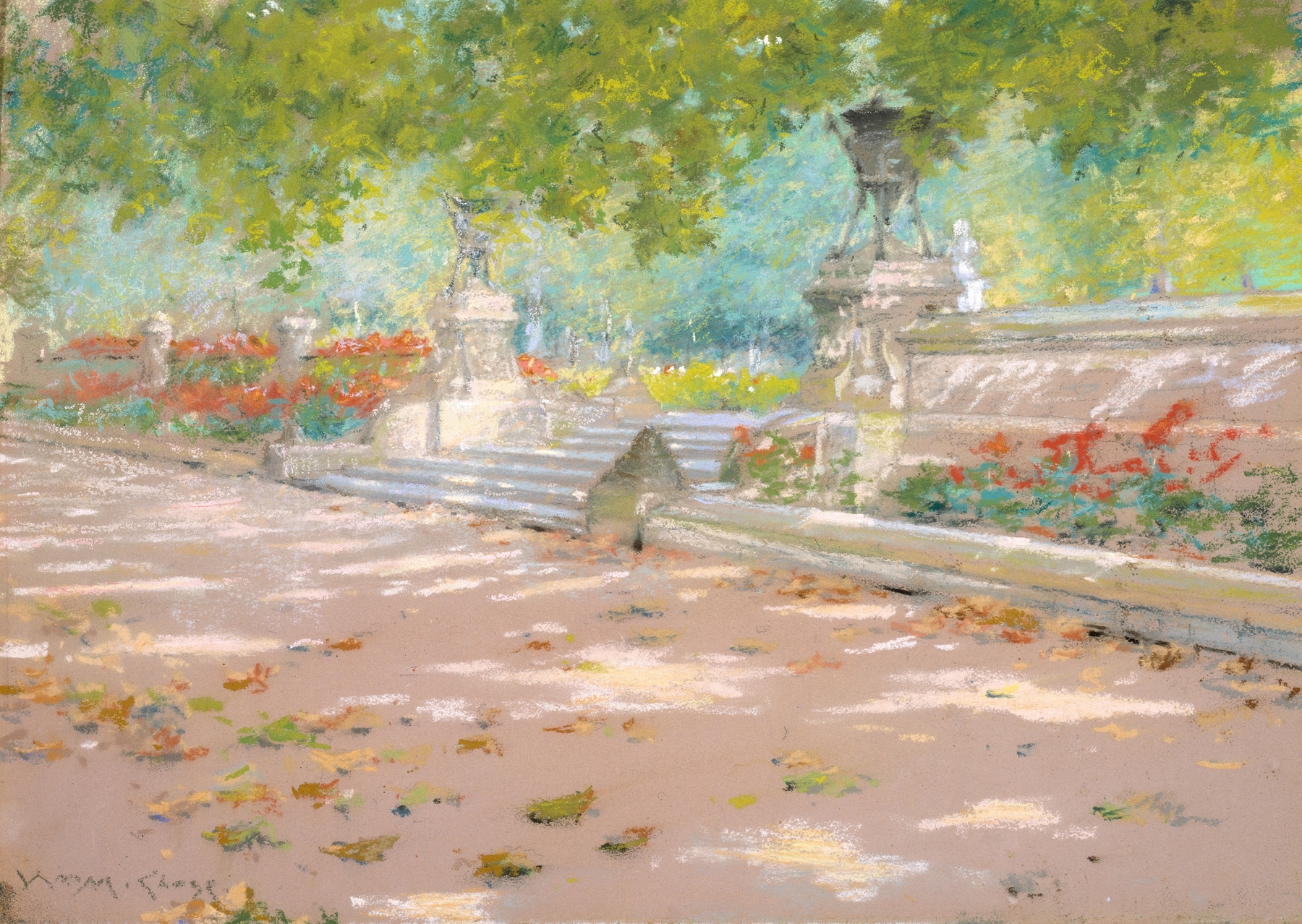
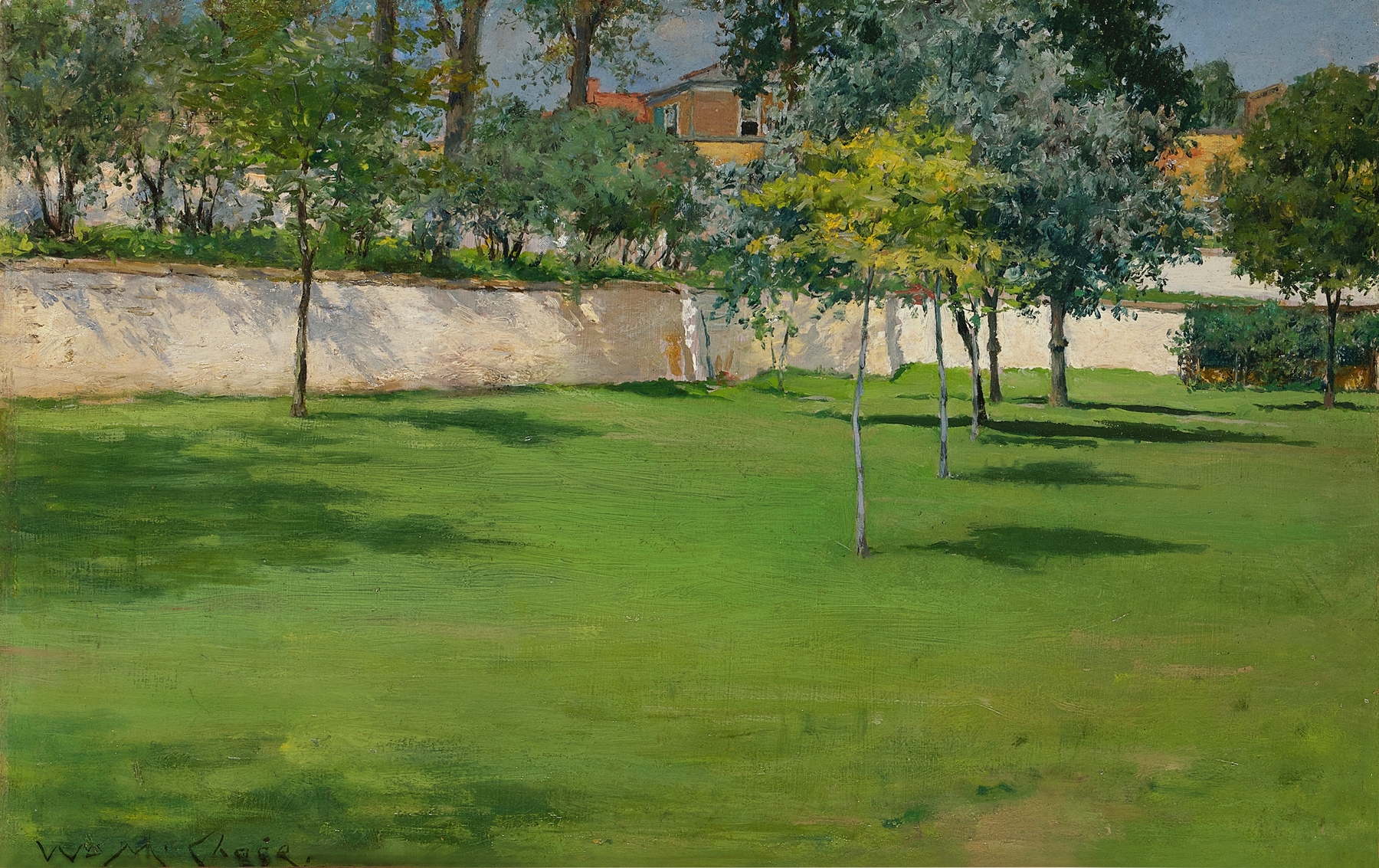
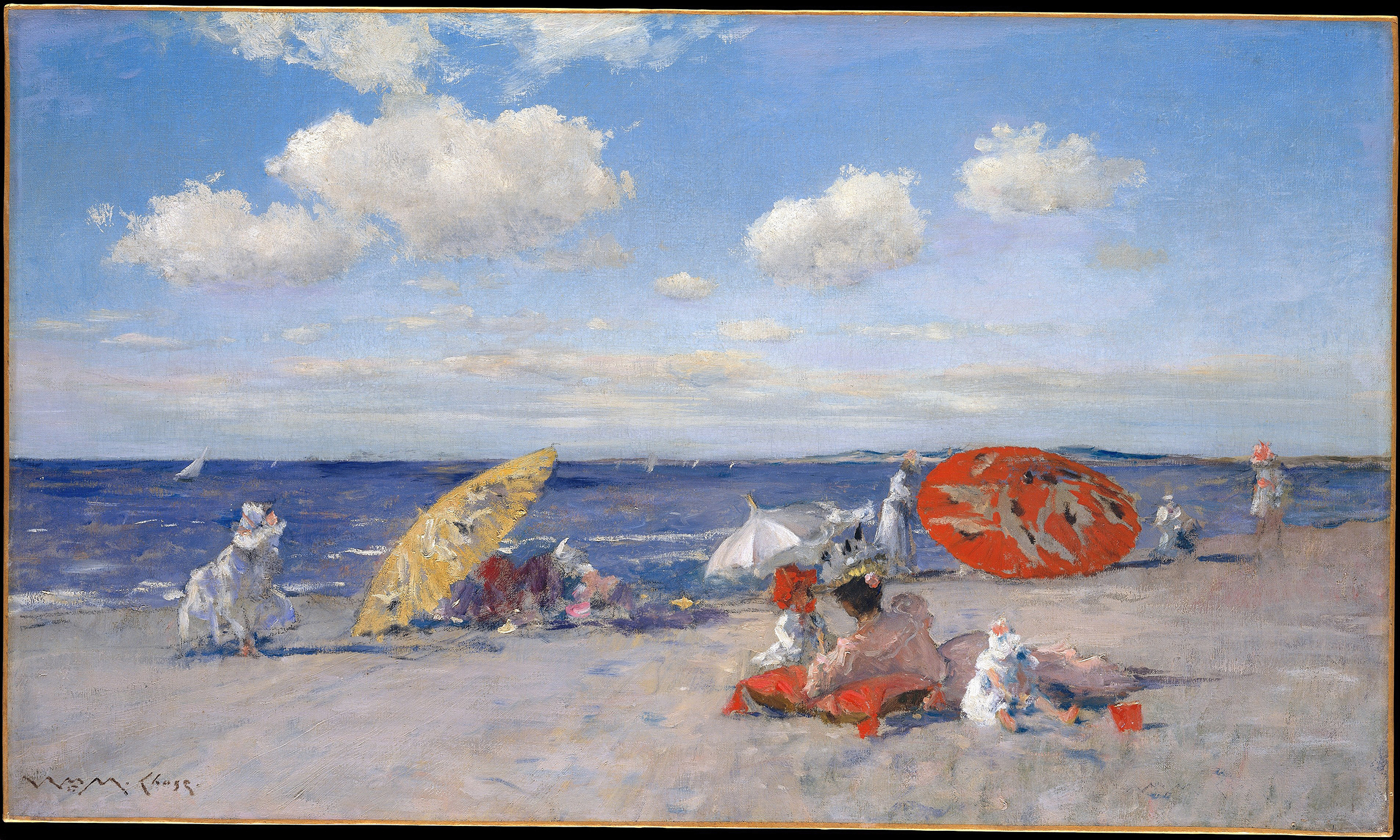
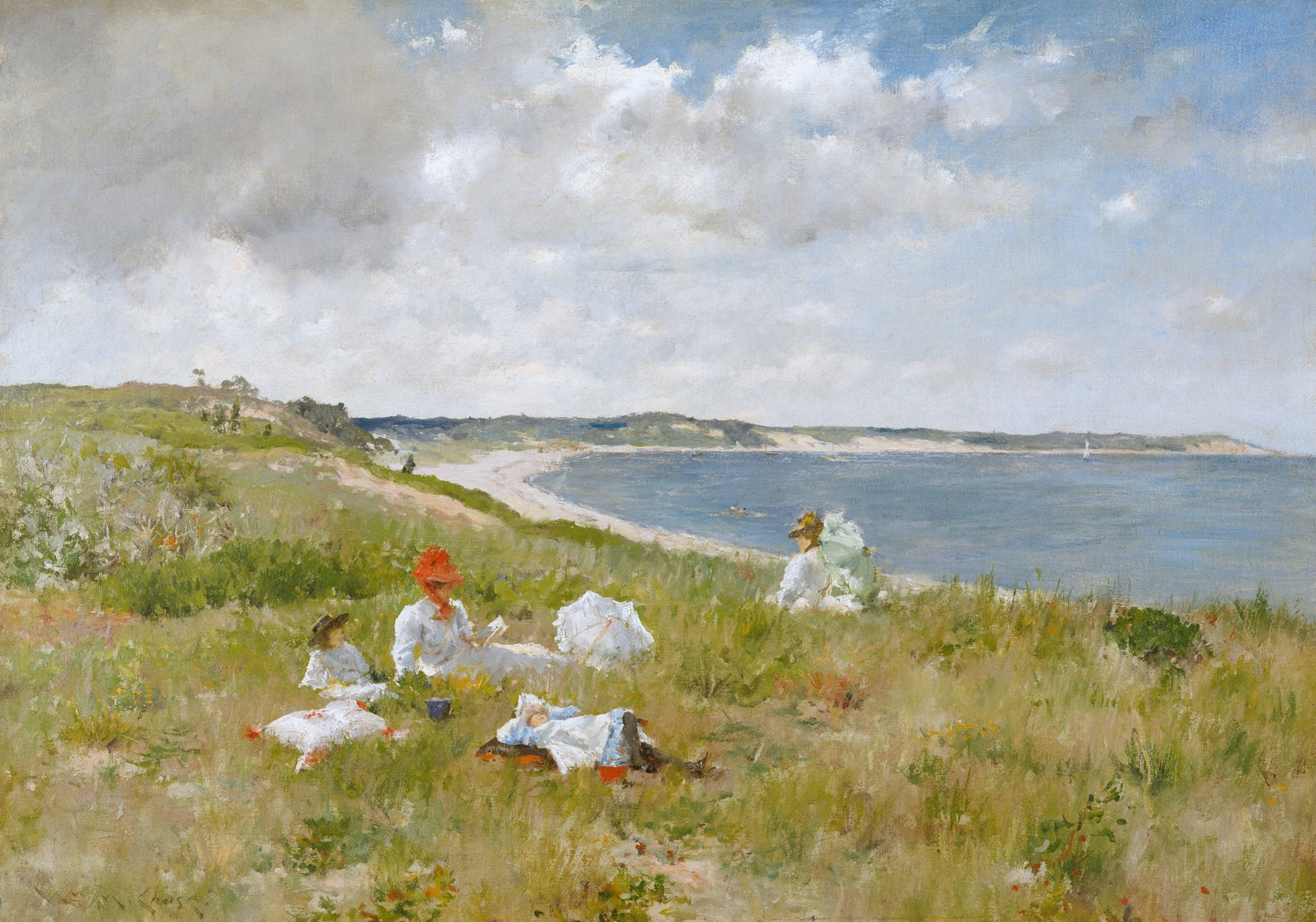
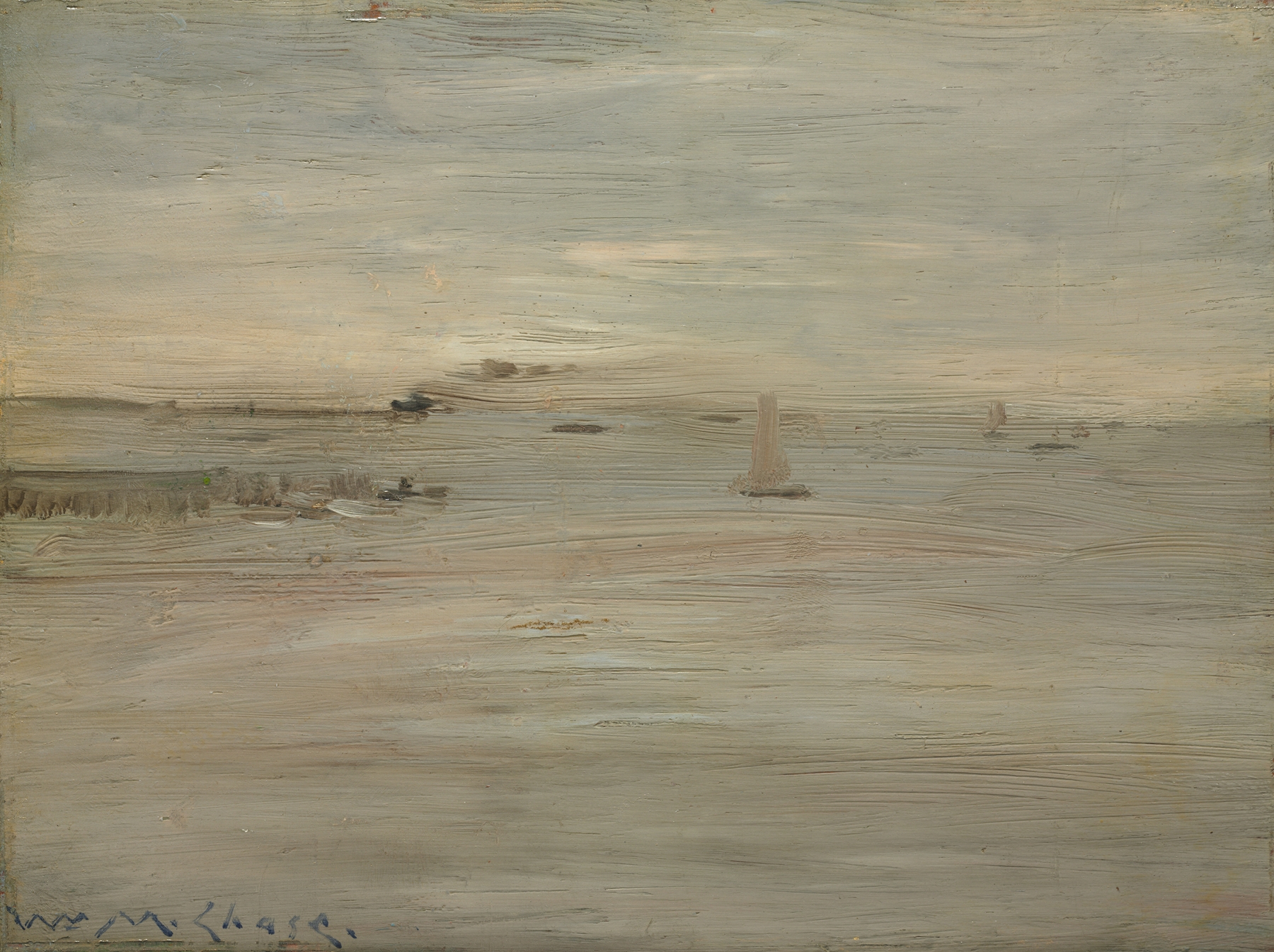
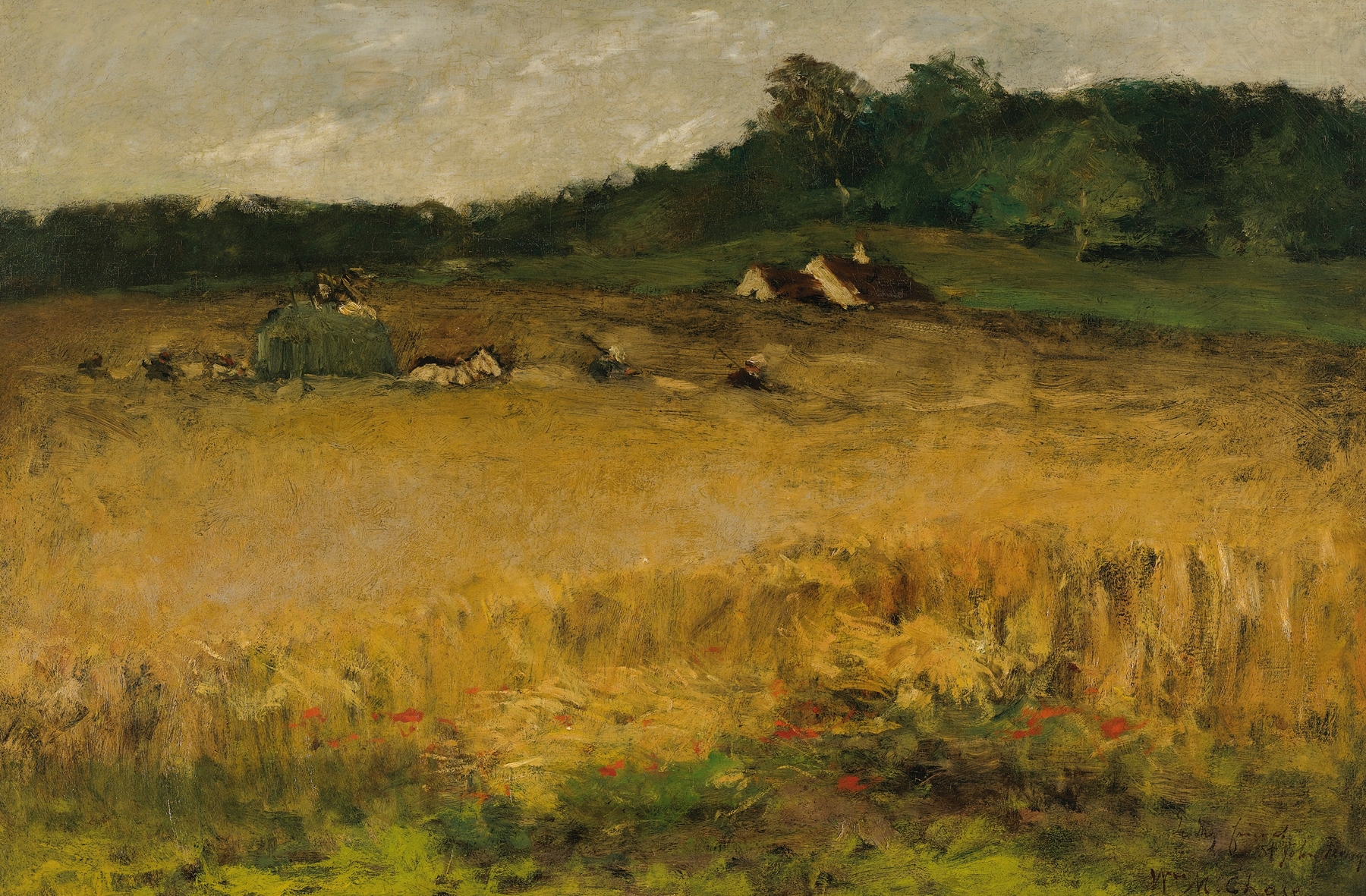
“Every silence here is a confession.” In the quiet expanse of a wheat field, an unspoken longing permeates the air, where nature whispers its secrets to those willing to listen. Look to the left and notice how the golden stalks sway gently in the soft breeze, each blade catching fragments of sunlight that dance across the canvas. The artist employs a rich palette of yellows and greens, blending them to create an almost transcendental glow. The horizon stretches wide, inviting the viewer to wander into its embrace, while the gentle brushwork mimics the rhythm of the wind, imbuing the scene with a sense of movement and life.
Beneath the serene surface, there lies a profound tension between the vibrant vitality of the wheat and the stillness of the surrounding landscape. The absence of human figures creates a poignant sense of solitude and yearning, as if the field itself longs for connection. Each stroke tells a story of the ephemeral beauty of nature, while the expansive sky looms overhead, suggesting the vastness of unfulfilled dreams.
During the late 19th century, when this piece was created, William Merritt Chase was immersed in the American impressionist scene, capturing the light and landscapes of his native country. His focus on outdoor painting reflected a broader movement towards portraying nature with a sense of immediacy and emotion. At this time, Chase was establishing his reputation as a significant artist, dedicated to translating the fleeting moment into a lasting impression on canvas.