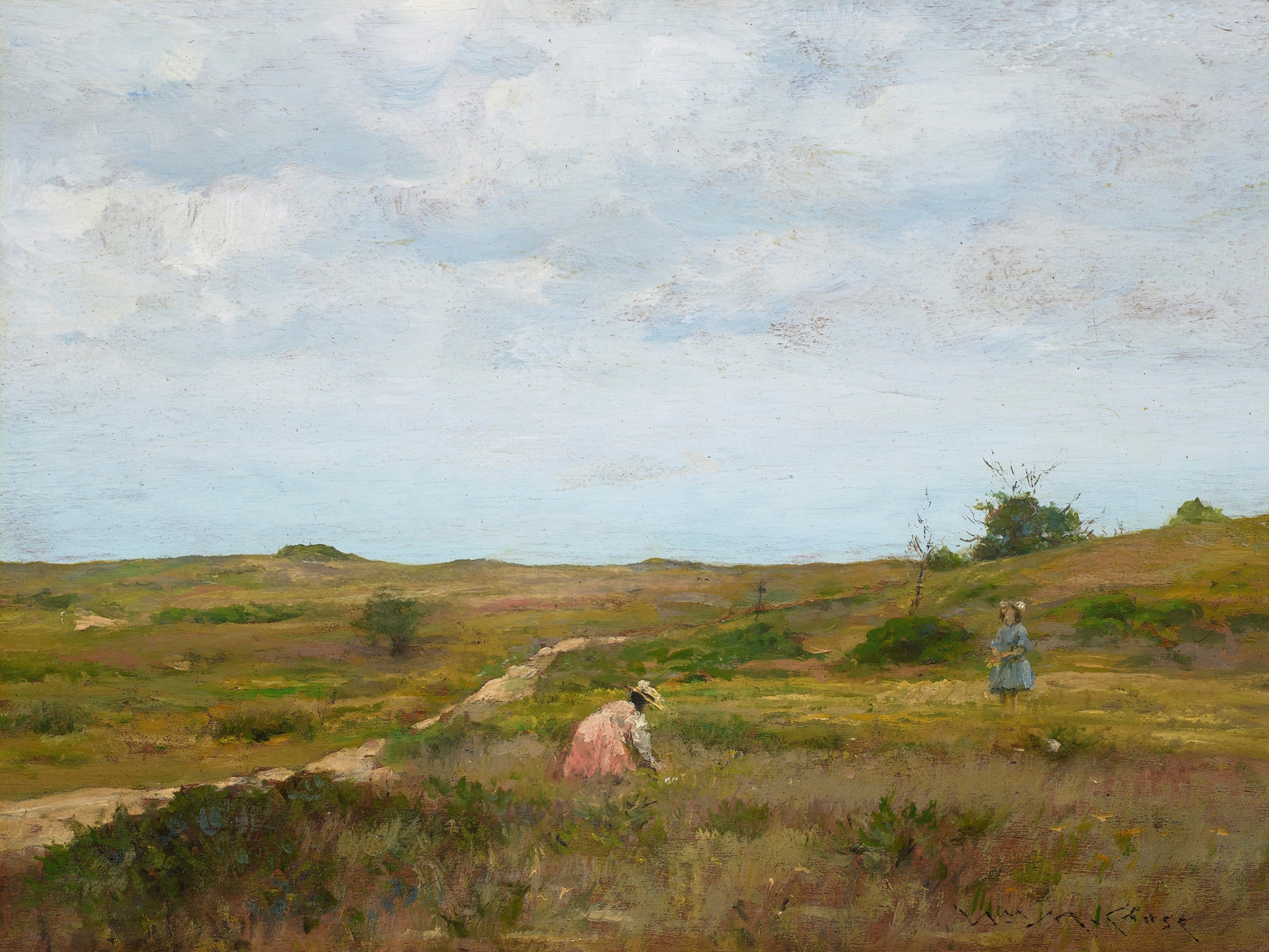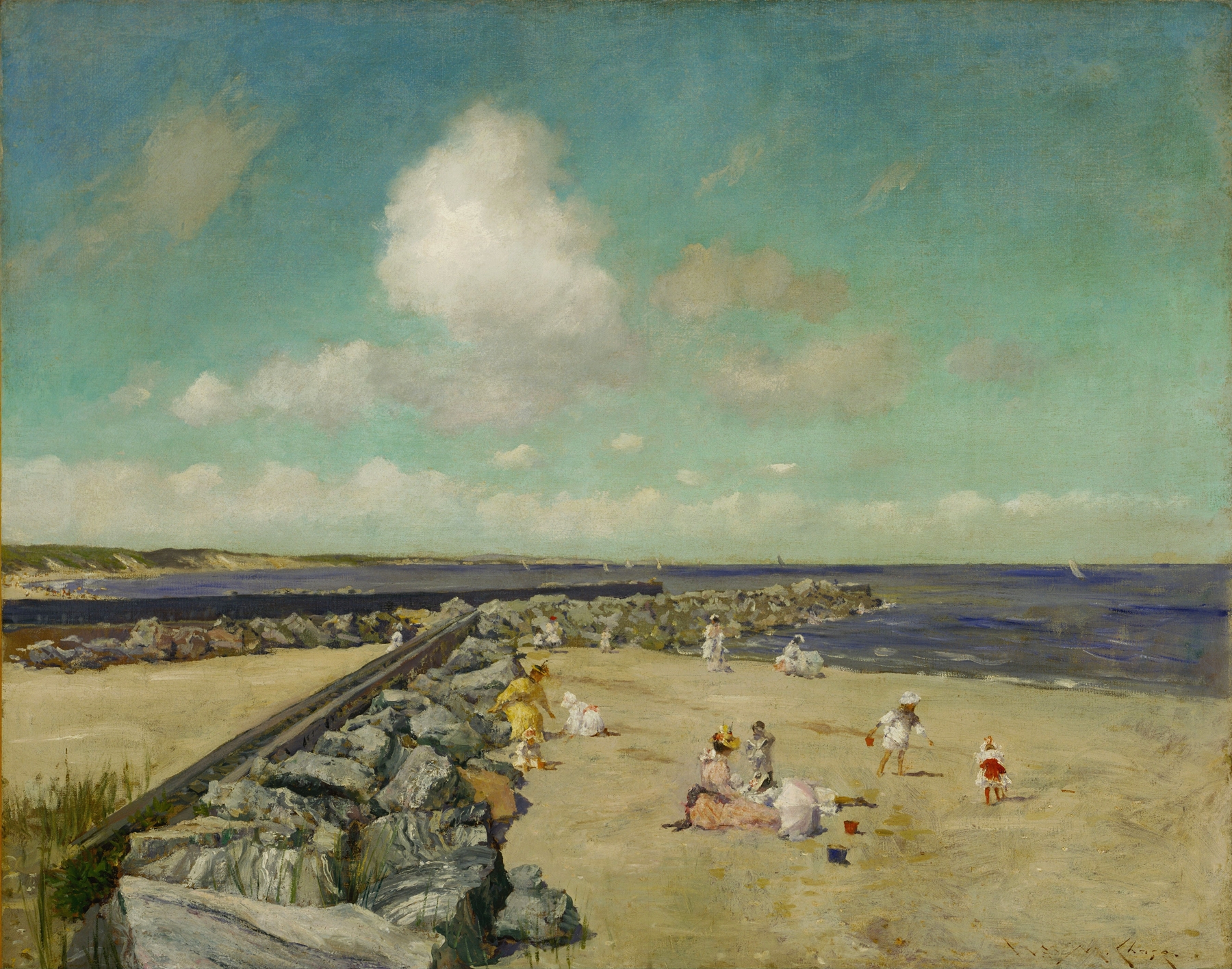
Morning at Breakwater, Shinnecock — History & Analysis

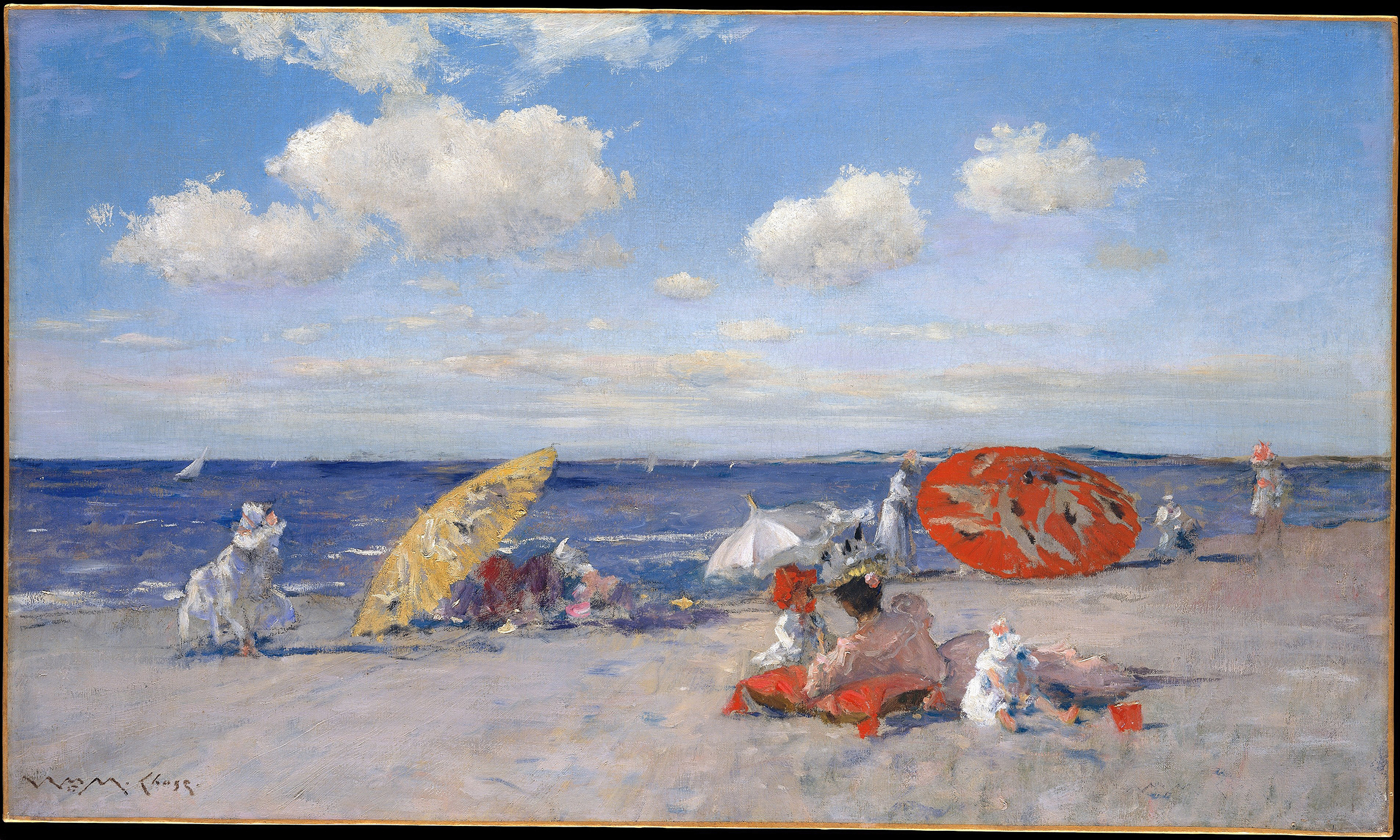
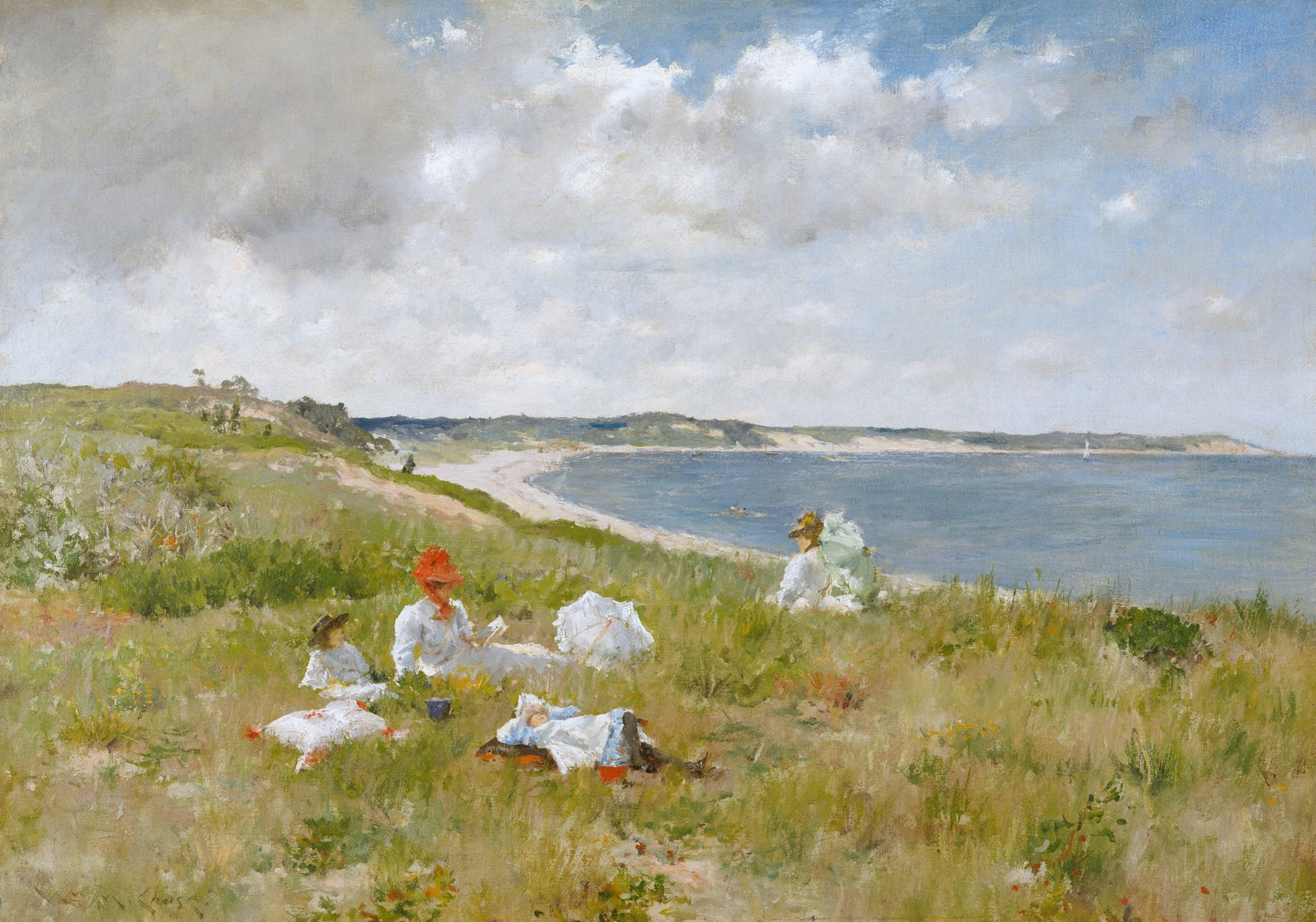
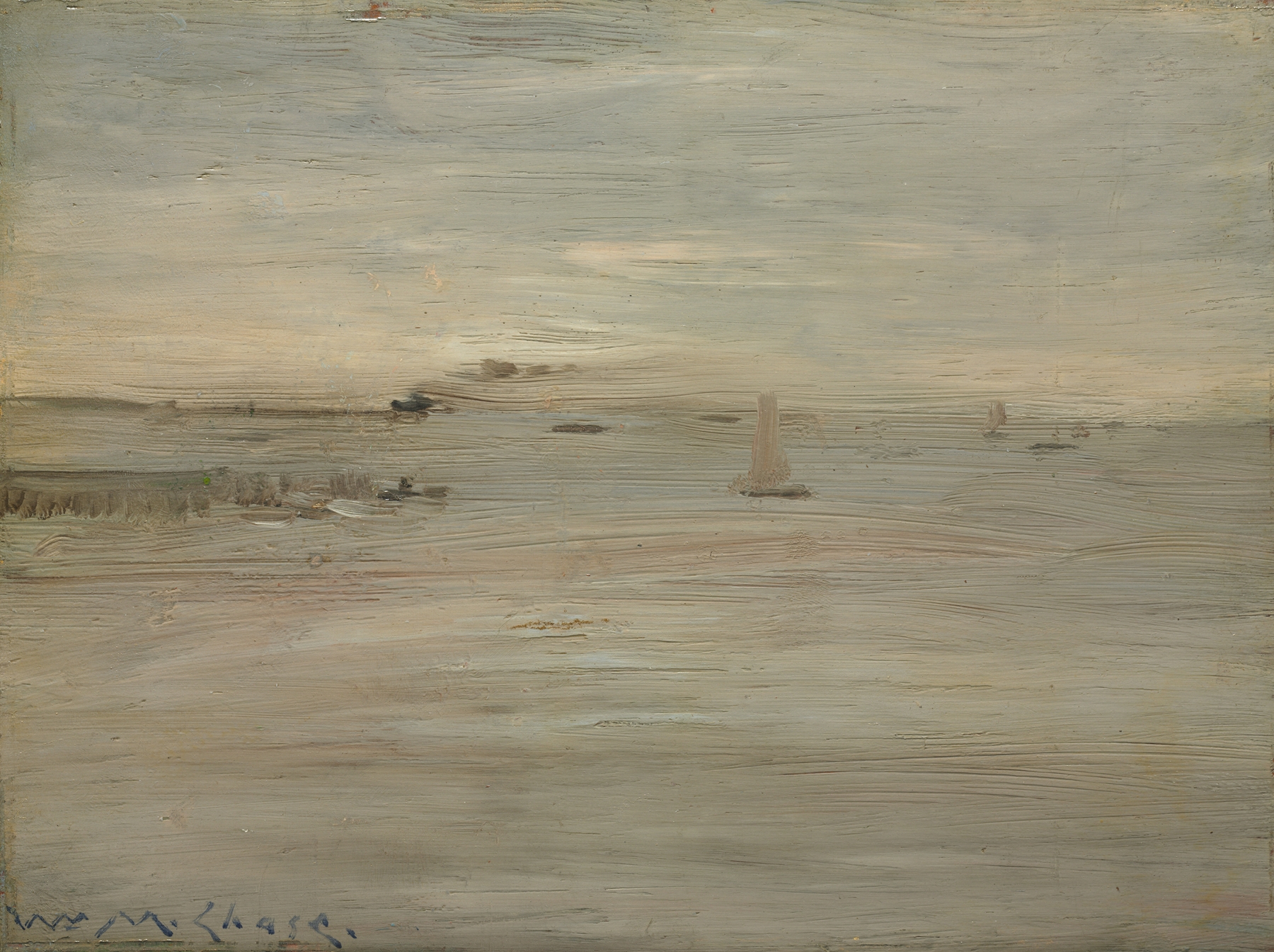
“Between color and silence, truth hides.” Each brushstroke bears witness to the chaotic interplay of nature, revealing the tumultuous beauty that lies beneath tranquility. Look to the center, where the sun-drenched horizon meets the restless sea. The vivid blues and greens swirl together, capturing the moment where waves kiss the shore, their frothy edges rendered with both grace and vigor. The composition draws the eye toward the breakwater, silhouetted against a luminous sky, inviting contemplation of the juxtaposition between solidity and fluidity.
The vibrant contrast between the chaos of the sea and the calmness of the shore reveals deeper emotional tensions. Here, the breakwater stands as a sentinel, representing human resilience amidst nature's unpredictable rhythms. Notice the gentle embrace of light enveloping the sand, hinting at fleeting moments of peace in a world constantly in flux. Each brushstroke seems to vibrate with the energy of the day, reflecting both harmony and discord.
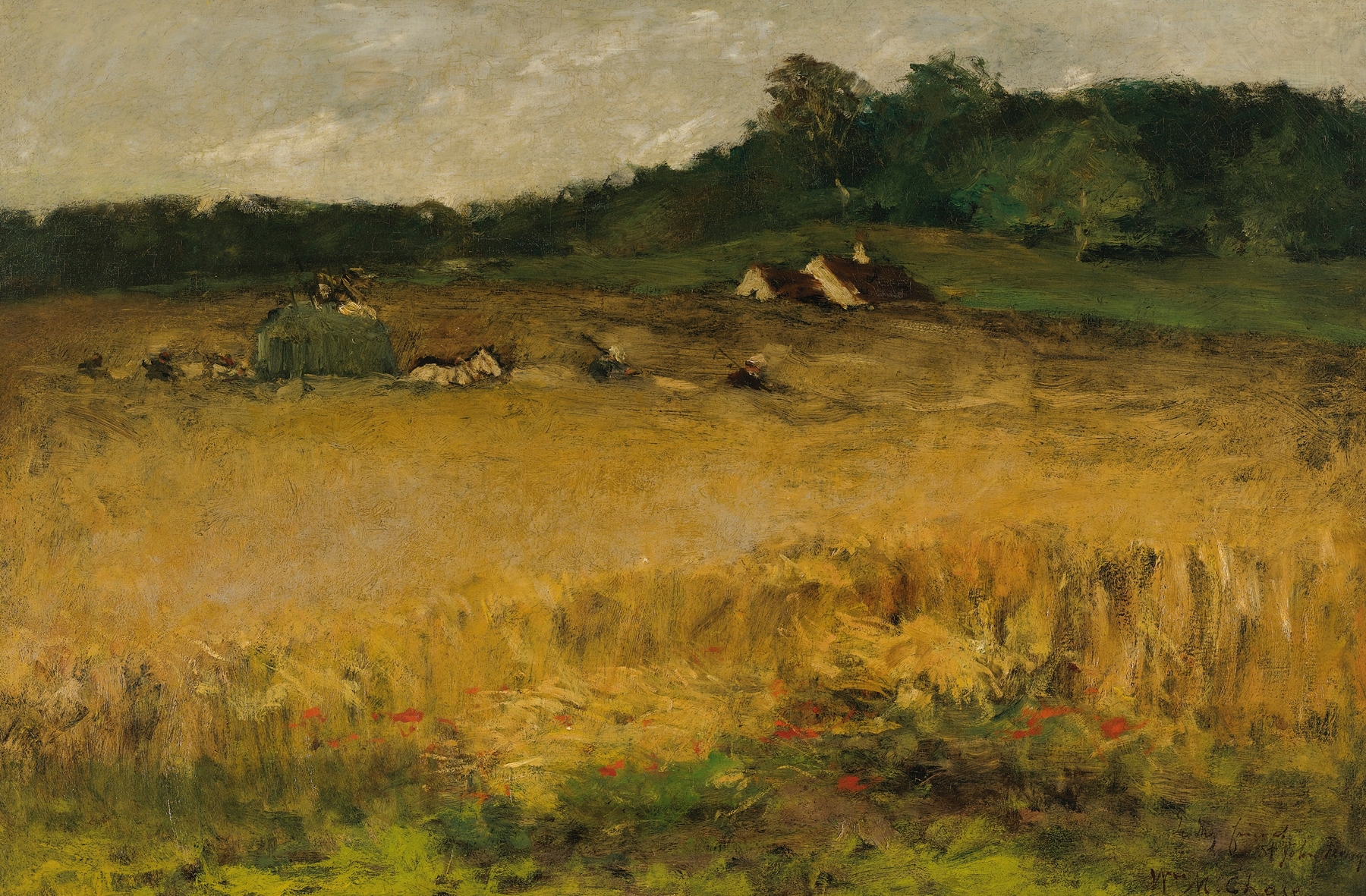
William Merritt Chase painted Morning at Breakwater, Shinnecock in 1897 during a transformative period in American art, as Impressionism began to take root. At the time, Chase was immersed in the art community of New York, striving to fuse traditional techniques with modern subjects. The painting exemplifies this blend, capturing the ephemeral beauty of a moment while navigating the chaos inherent in nature.