Sunrise, View of Drachenfels from Rolandseck — History & Analysis
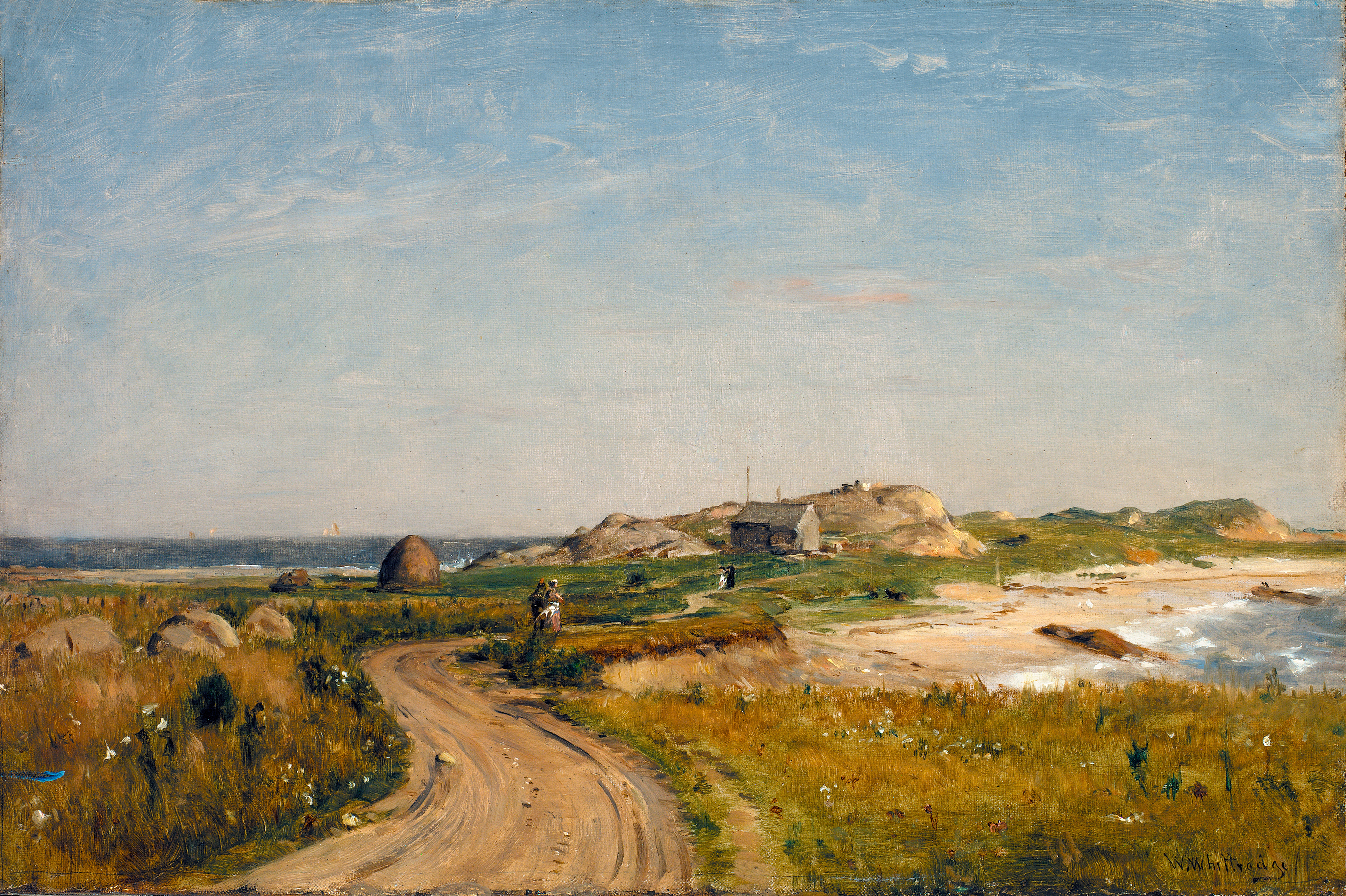
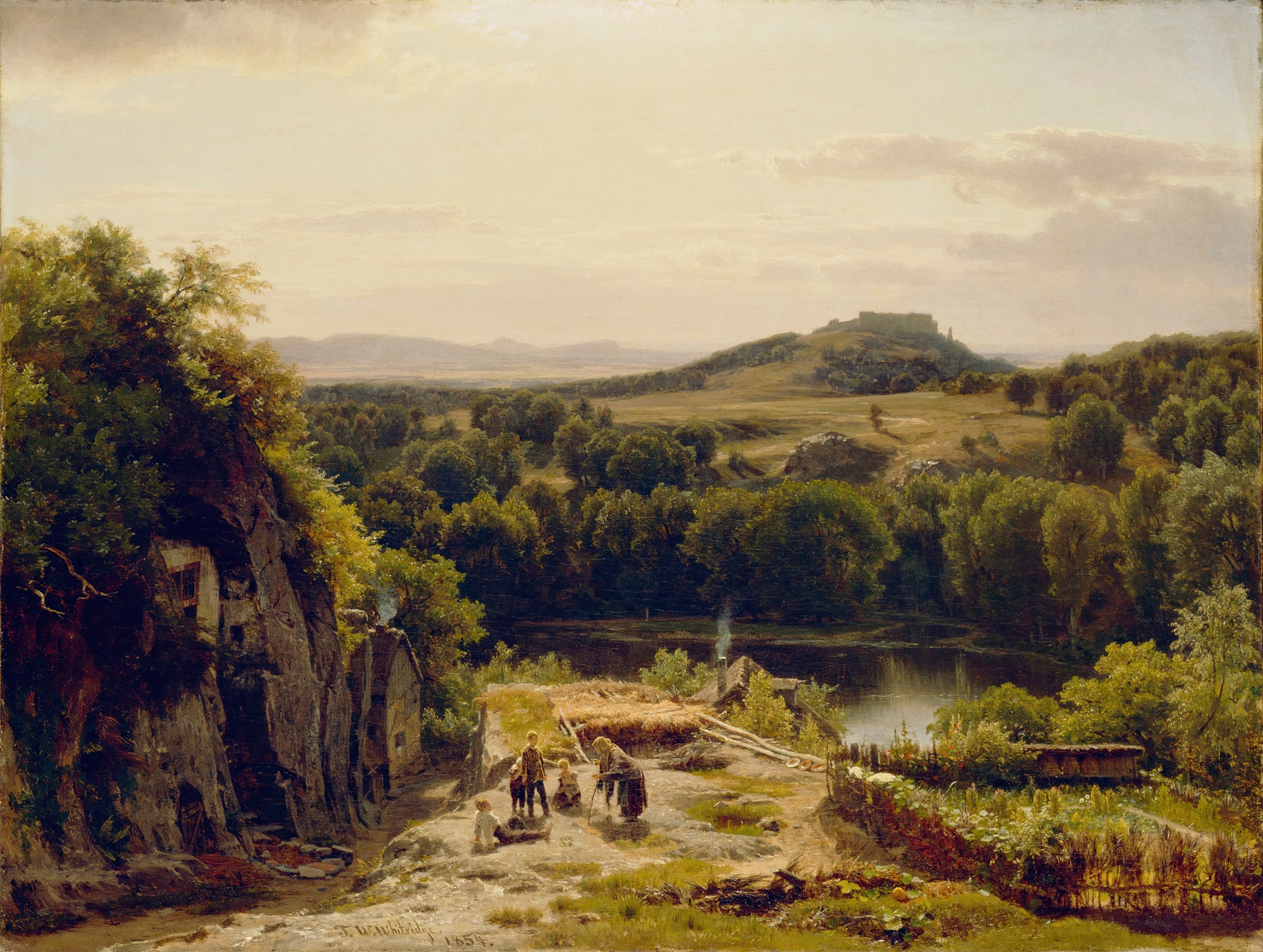
“Every brushstroke is a heartbeat remembered.” In this vast expanse of color and light, the void speaks not of emptiness but of possibility, a canvas alive with the tender embrace of dawn. Look to the left at the soft, golden light spilling over the horizon, illuminating the Rhine River below. Notice how the artist captures the subtle shift from night to day, with delicate strokes of pink and orange swirling above the silhouette of Drachenfels. The serene water reflects this radiant palette, creating an almost ethereal connection between the earth and sky.
The painting’s composition guides your gaze through the gentle undulations of the landscape, inviting you to wander through the lush greenery that frames this tranquil moment. Within this slice of nature, contrasts emerge—between the stillness of the river and the vibrancy of the sky, between the foreboding cliffs and the fragile beauty of dawn. The void that underlies the scene serves as a backdrop, emphasizing the fleeting nature of the daybreak. Each brushstroke encapsulates the essence of time passing, a reminder of both the beauty and transience of life.
The quietude invites contemplation, suggesting that even in stillness, there is a world of emotion waiting to unfold. During the year 1850, the artist explored the German countryside, drawing inspiration from the Romantic movement that celebrated nature's sublime beauty. Whittredge, an American painter, found himself immersed in the European art scene, adapting his style to reflect the transcendental qualities of landscapes. His work, including this piece, resonated with a growing appreciation for the emotional depth and atmospheric effects of natural surroundings during a time when art was beginning to shift towards capturing more than mere representation.