Swiss Landscape — History & Analysis
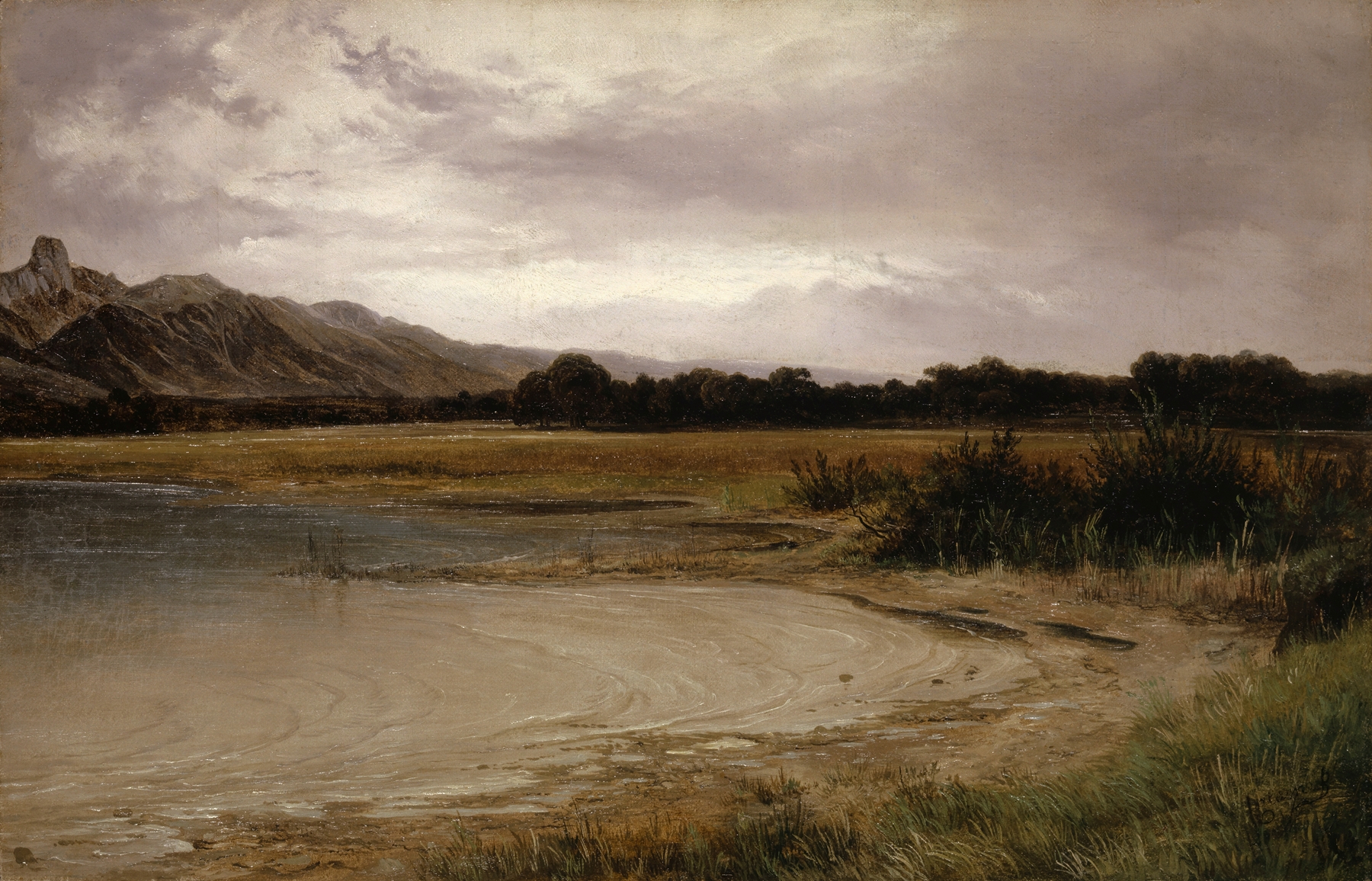
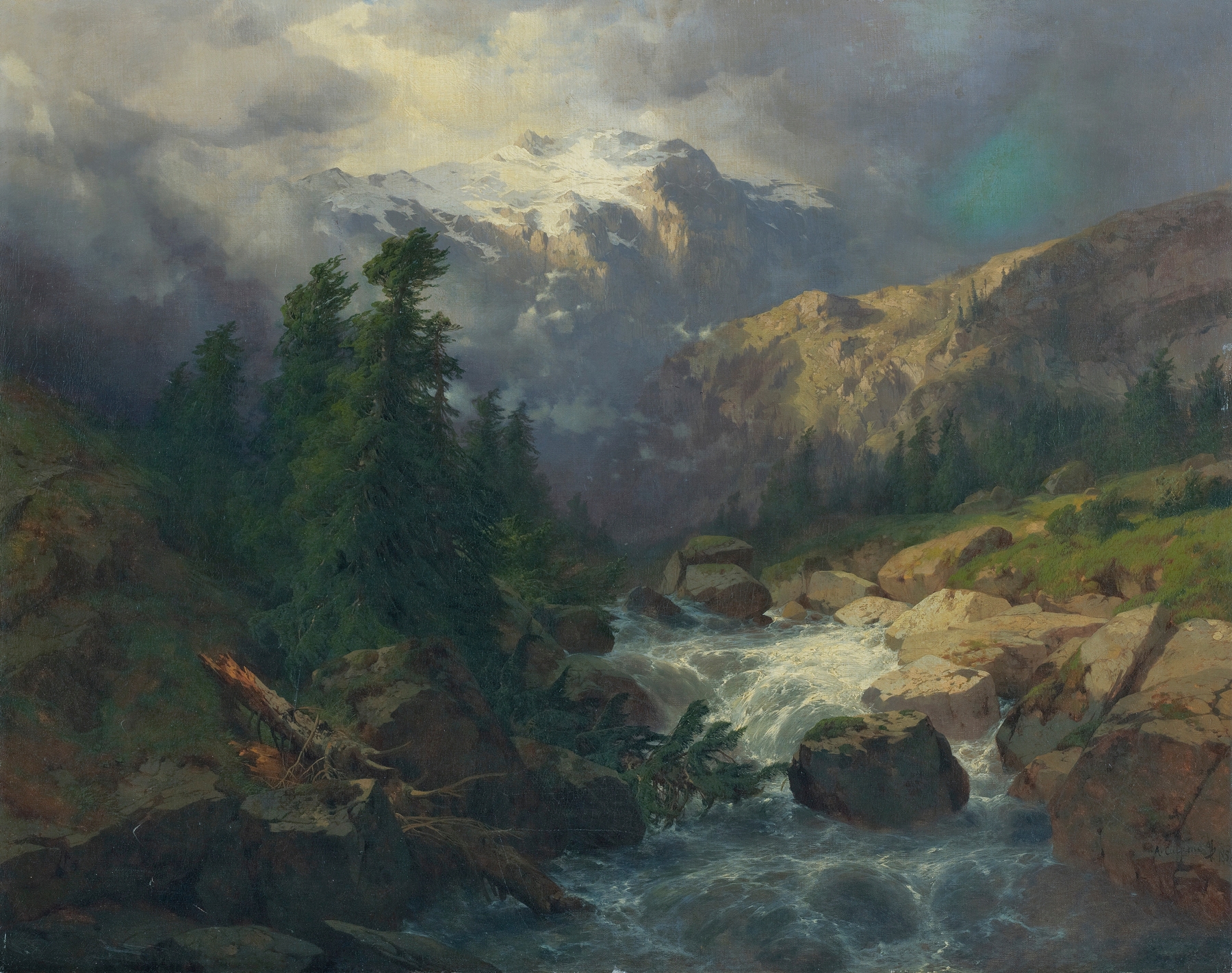
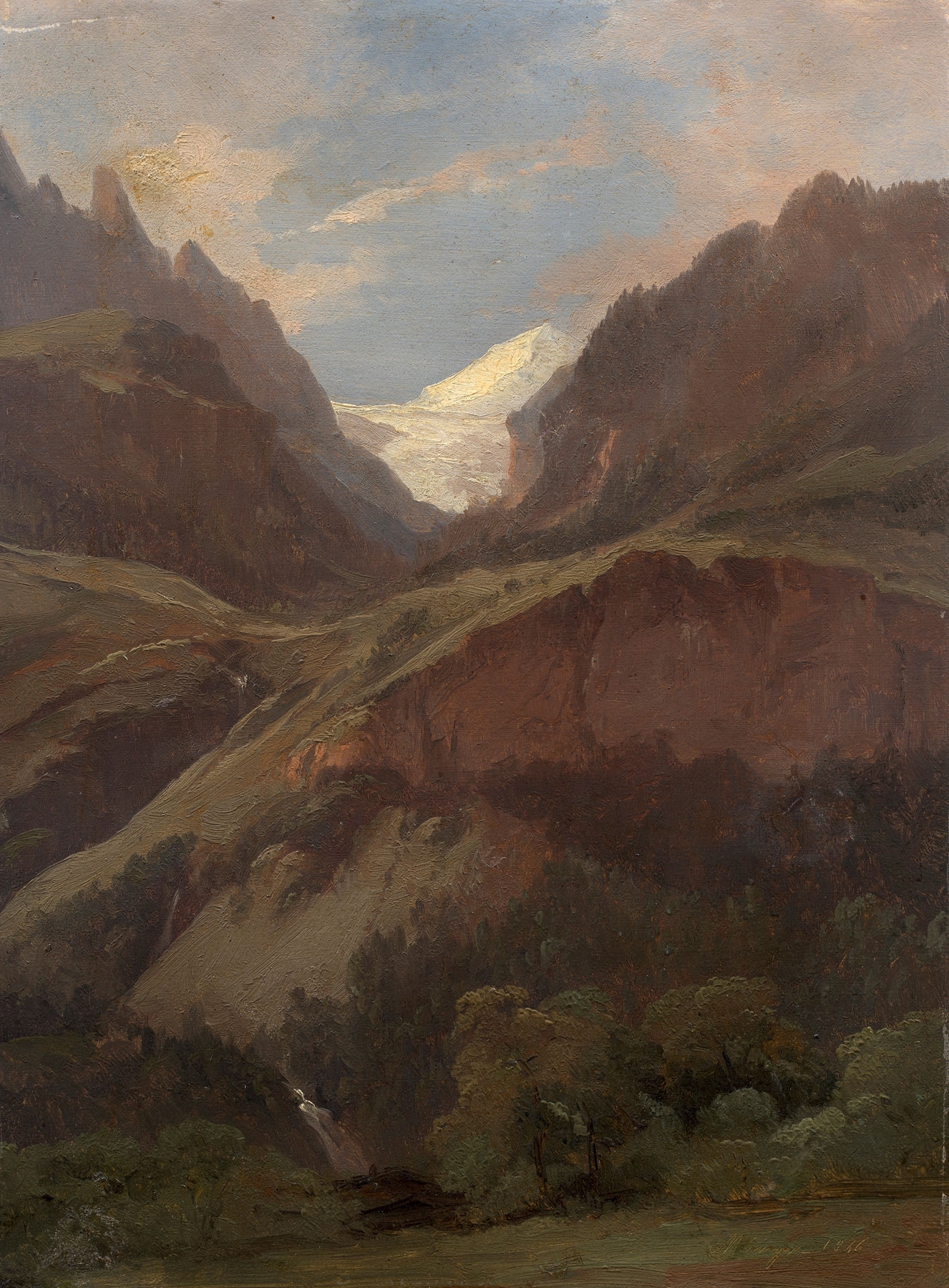
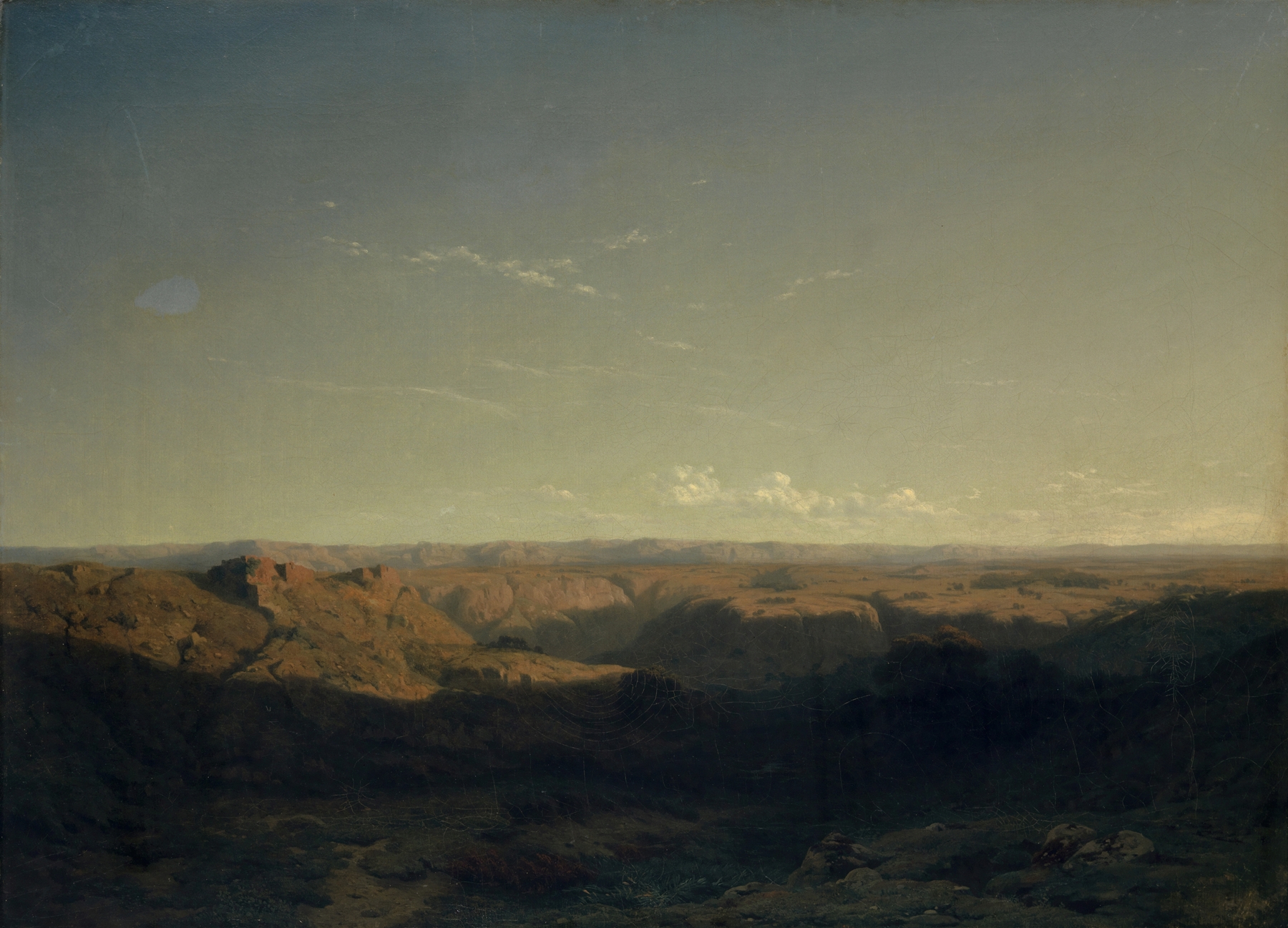
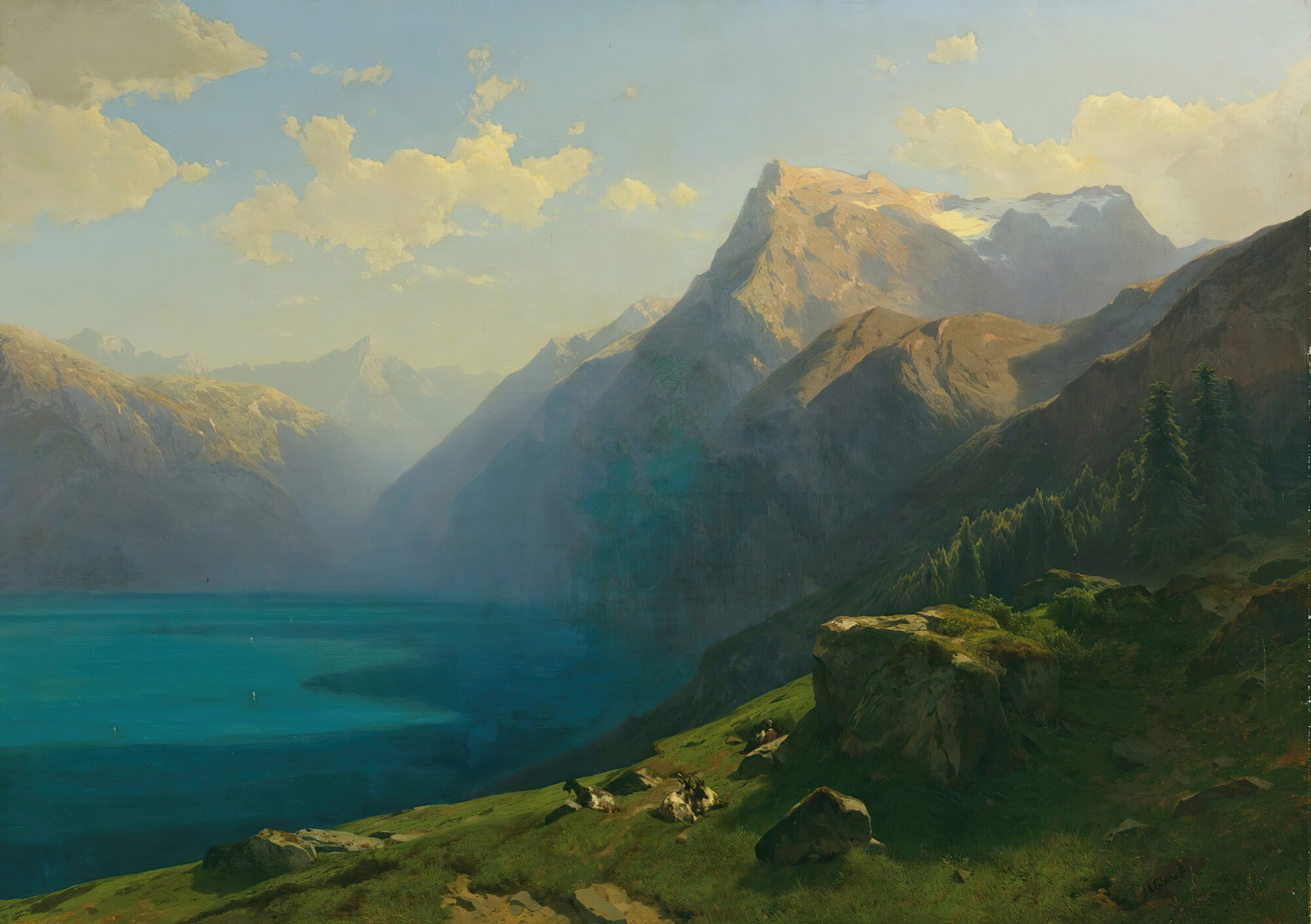
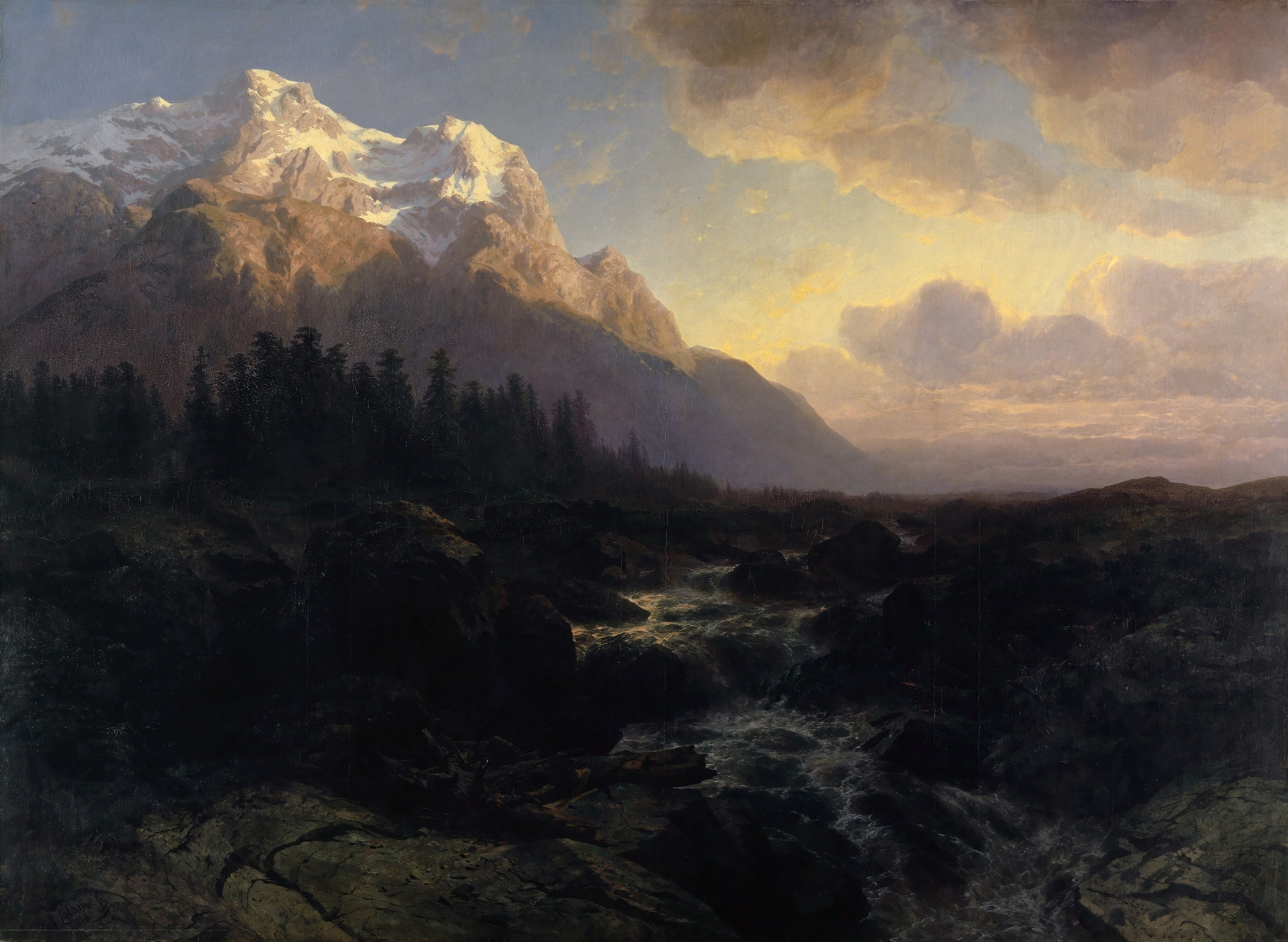
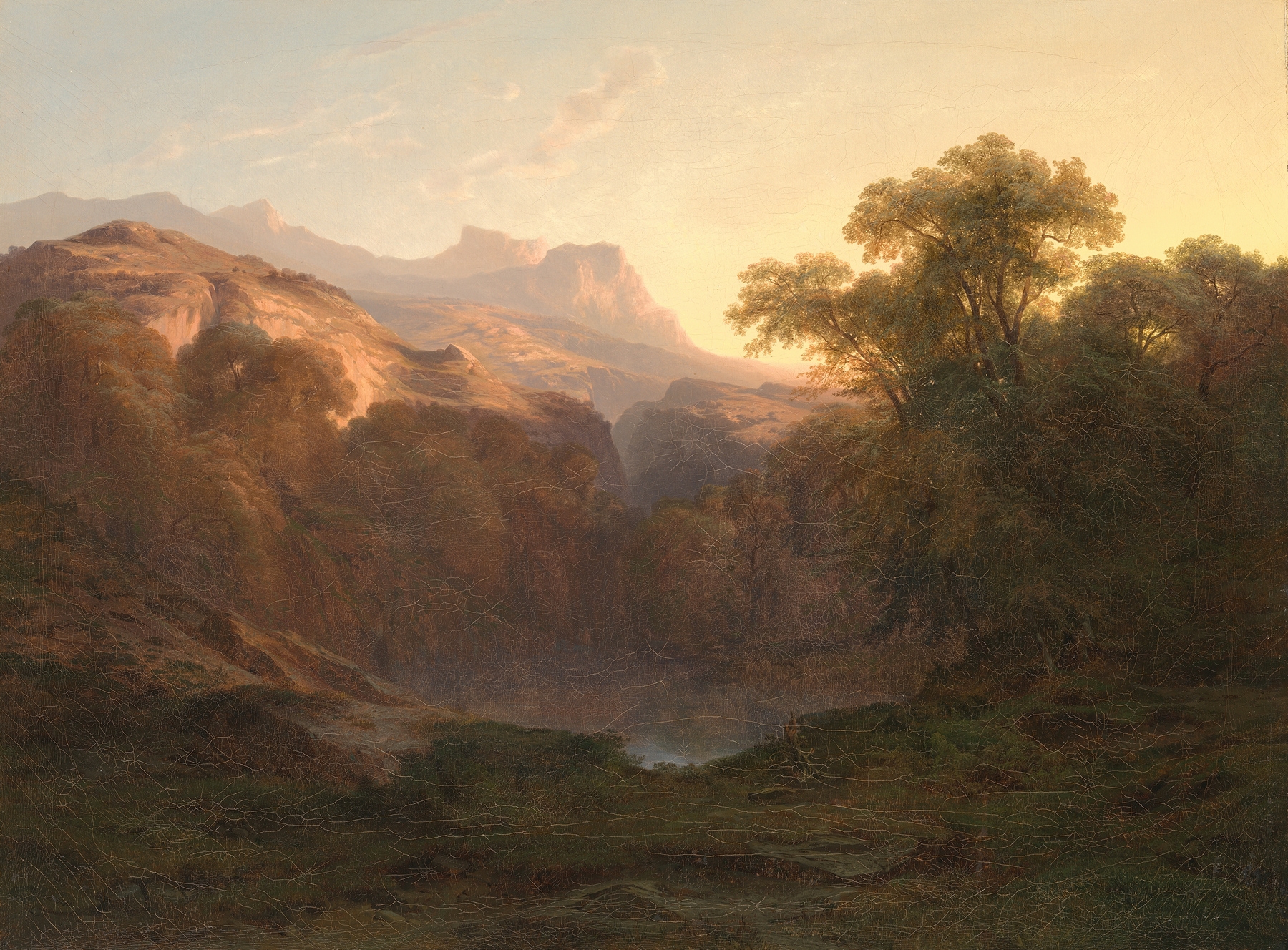
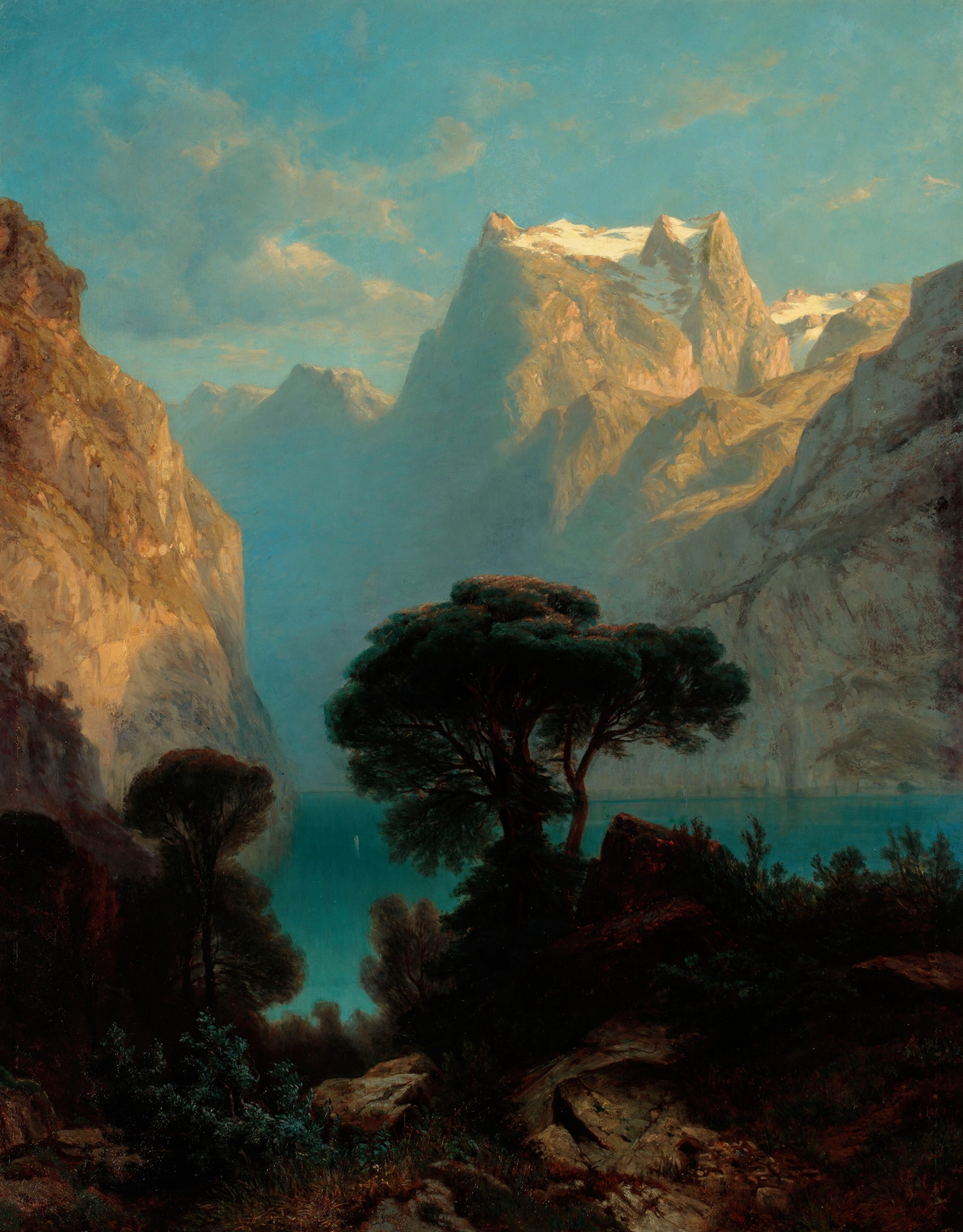
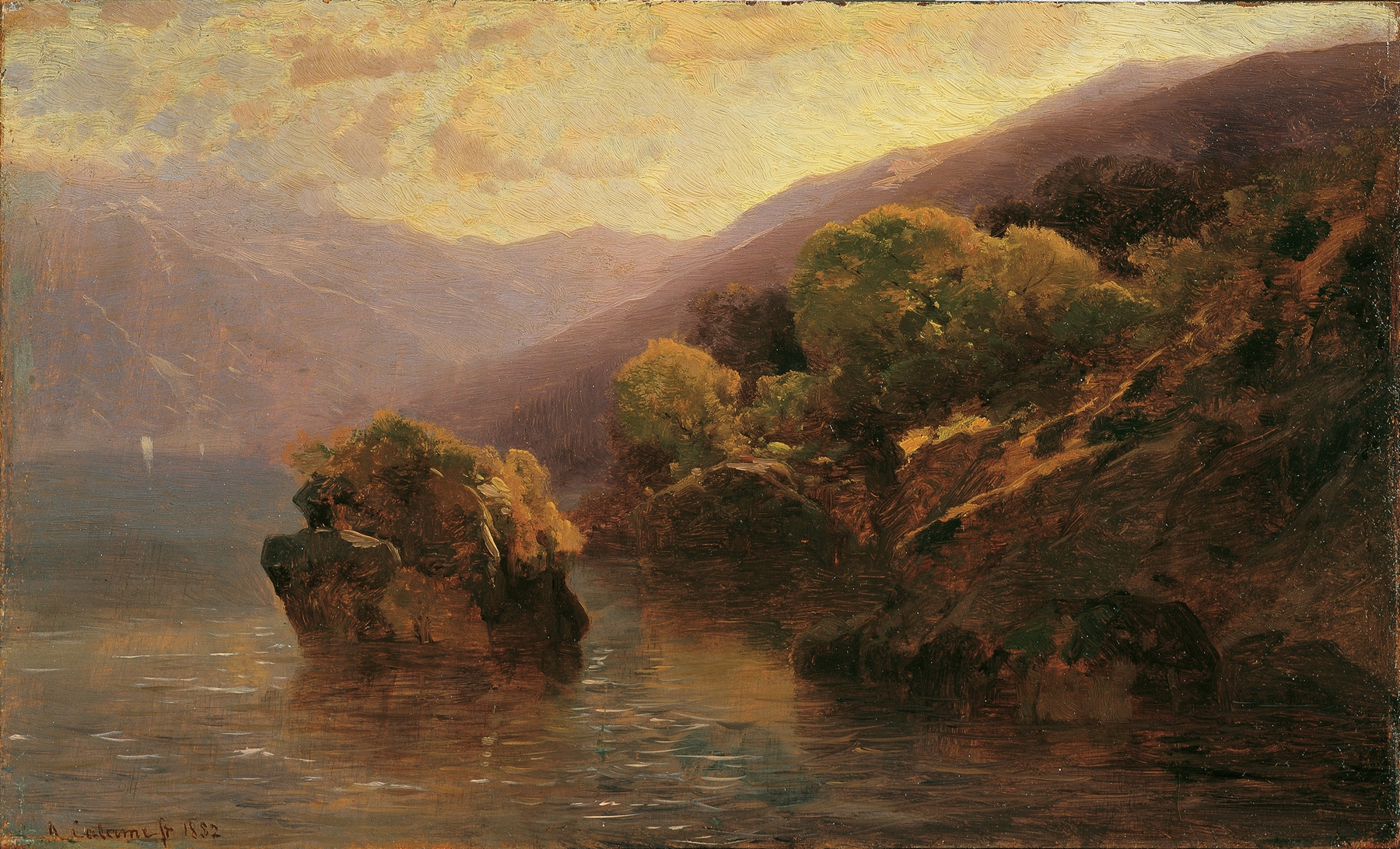
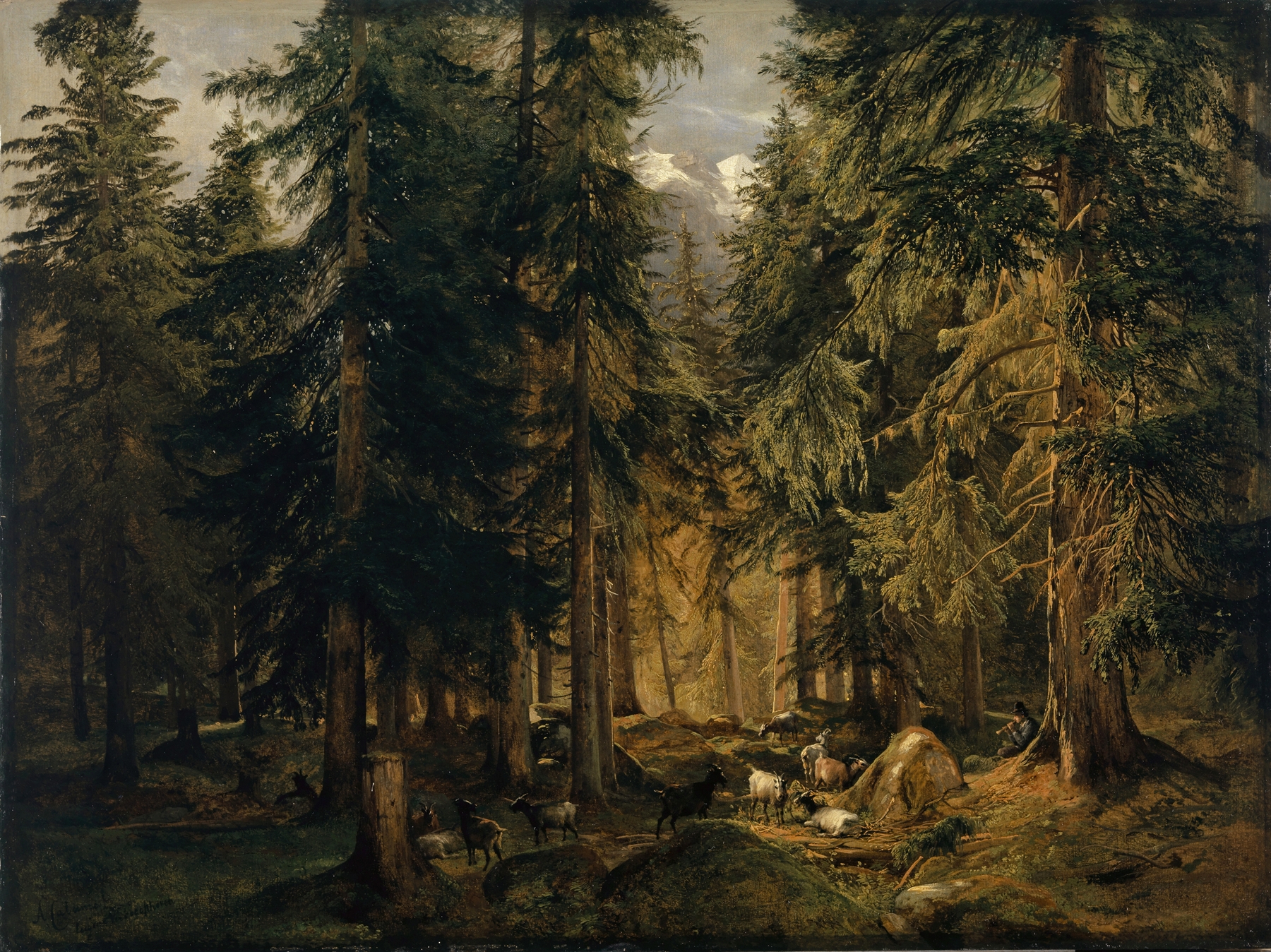
“The canvas doesn’t lie — it simply waits.” In Swiss Landscape, the artistry entwines obsession with the sublime, drawing viewers into a world where nature speaks through meticulous strokes. Focus on the horizon where mountains rise majestically, their jagged peaks cradled by a blanket of ethereal clouds. The rich greens and browns of the valley invite your gaze downward, where details of trees and winding paths emerge, as if beckoning you to traverse this tranquil scene.
Notice how the interplay of light and shadow reveals the contours of the landscape, a testament to the artist's mastery of chiaroscuro that breathes life into the stillness. In this work, the contrast between the serene foreground and the formidable mountains in the distance reflects the tension between human vulnerability and the grandeur of nature. Small figures near a stream suggest human presence, yet they are dwarfed, evoking a sense of isolation amid the overwhelming beauty.
The lush foliage and the distant peaks intertwine in an embrace of color and form, hinting at the artist's deep-seated obsession with capturing the untouched glory of Switzerland’s landscapes. Created around 1830, during a time when Romanticism was flourishing, the artist found inspiration in the landscapes of his homeland. Living in Switzerland, Alexandre Calame painted not just a scene but a heartfelt reflection of nature’s power and serenity, entwining his emotions with the majesty of the Swiss Alps that surrounded him.