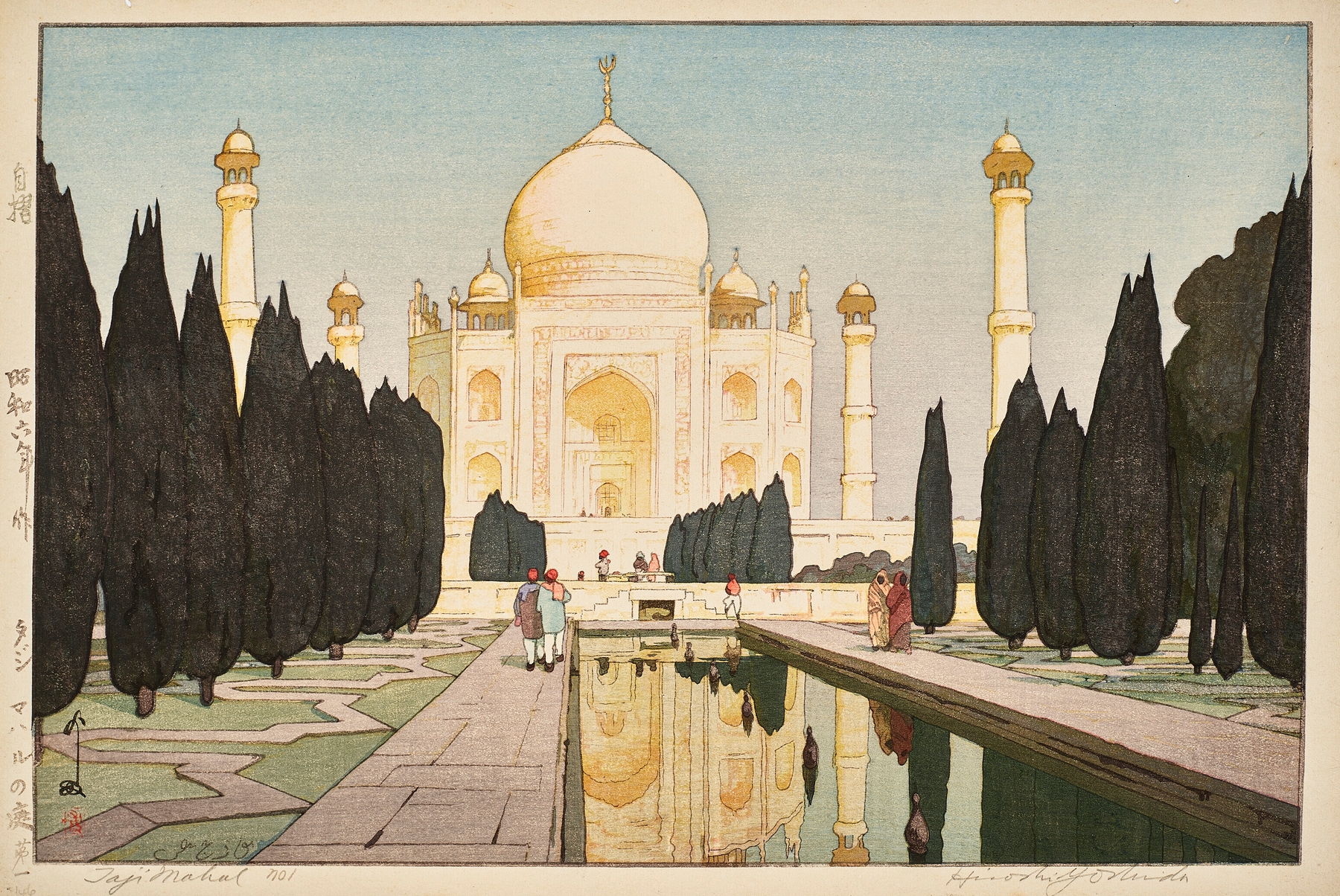
Taji Maharu no niwa, daiichi (Taj Mahal, no.1) — History & Analysis
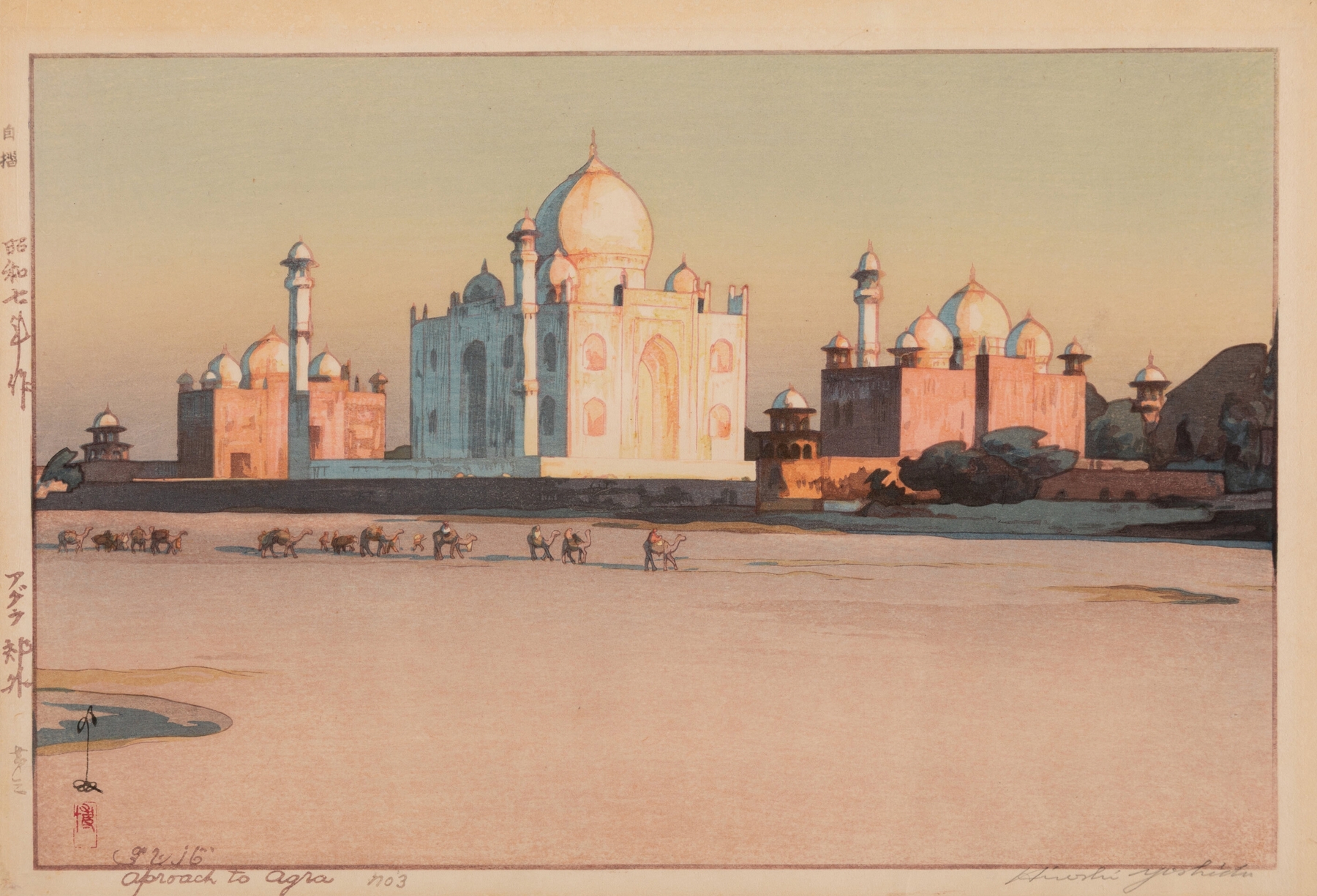
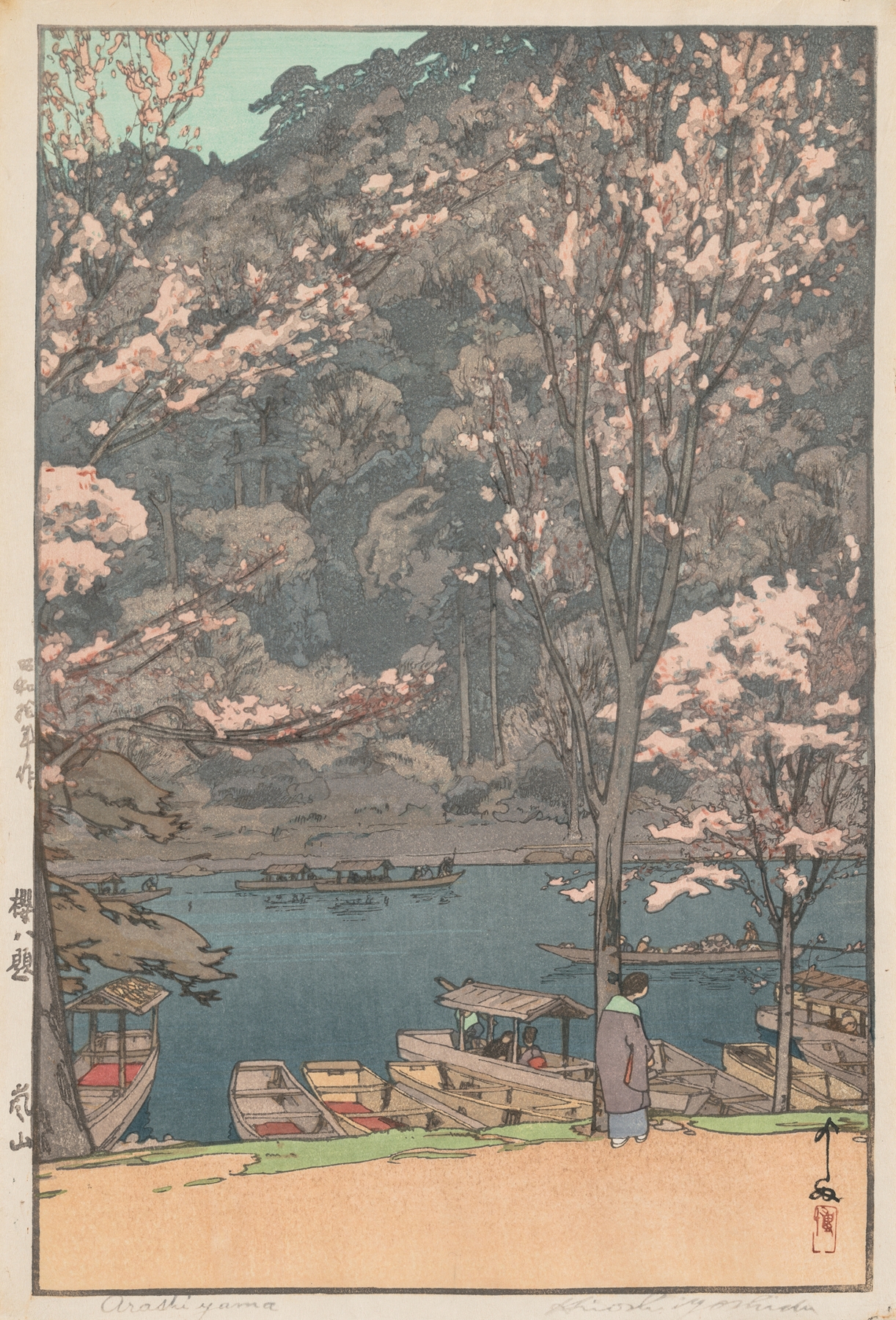
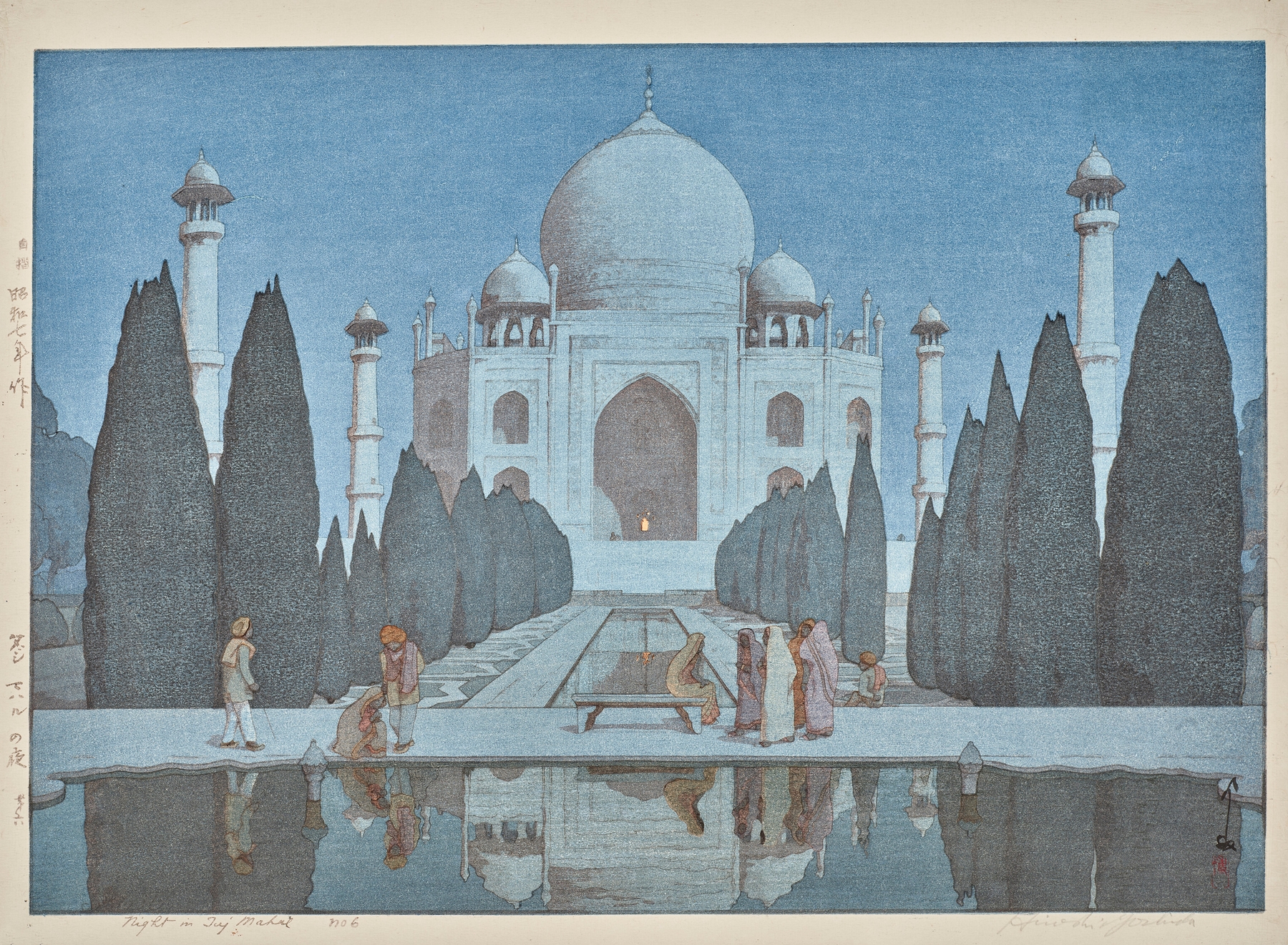
Can paint confess what words never could? In Taji Maharu no niwa, daiichi, the essence of the Taj Mahal is distilled into a sublime moment of reflection, capturing the interplay between beauty and mortality. Look closely at the left side of the canvas where delicate cherry blossoms flutter in the breeze, their pale petals contrasting against the solemnity of the mausoleum. The warm hues of sunset drench the scene, casting a gentle glow across the marble façade, which stands in tranquil repose. Here, the artist employs soft brushstrokes and subtle gradations of color, instilling a sense of serenity that envelops the viewer.
It’s a harmonious balance of nature and architecture, inviting you to linger in its stillness. Yet, beneath this tranquil surface lies a poignant tension. The blossoms, ephemeral and fleeting, serve as a reminder of the transient nature of life, contrasting sharply with the enduring monument of love and loss that is the Taj Mahal. This duality encapsulates the emotional weight of the scene, suggesting that while beauty may be eternal, existence is not.
Each delicate petal mirrors the fragility of life, asking us to ponder the inevitable march of time amid such grandeur. In 1931, Yoshida Hiroshi was at the height of his artistic career, working in Japan during a period of significant cultural exchange and modernization. His exploration of traditional subjects through the lens of woodblock printing was gaining recognition and acclaim. As the world began to grapple with the complexities of modernity, Hiroshi’s work reflected a nuanced understanding of the interplay between heritage and the fleeting moments that define our existence.