The Amphitheatre of Tusculum and Albano Mountains, Rome — History & Analysis
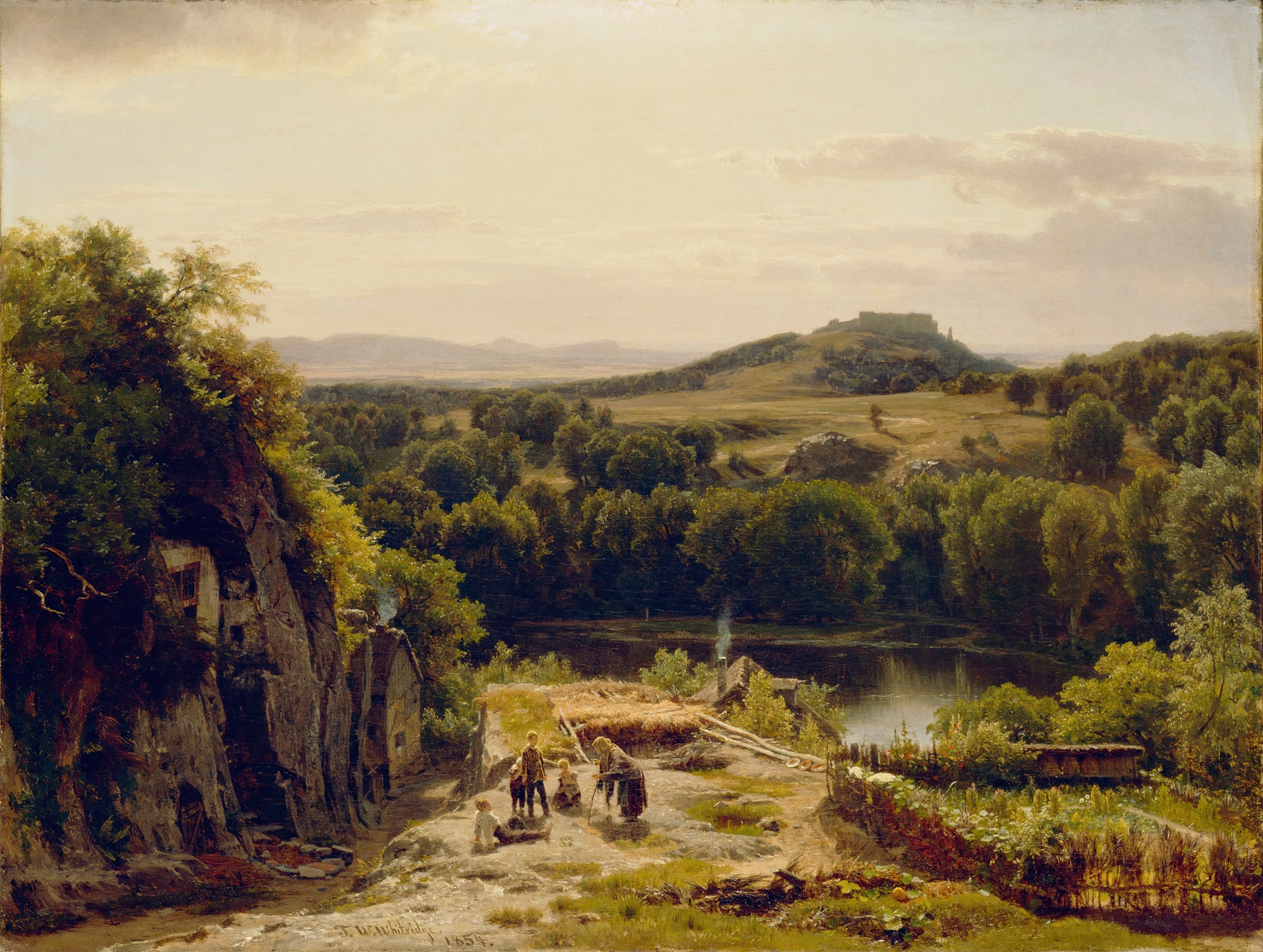
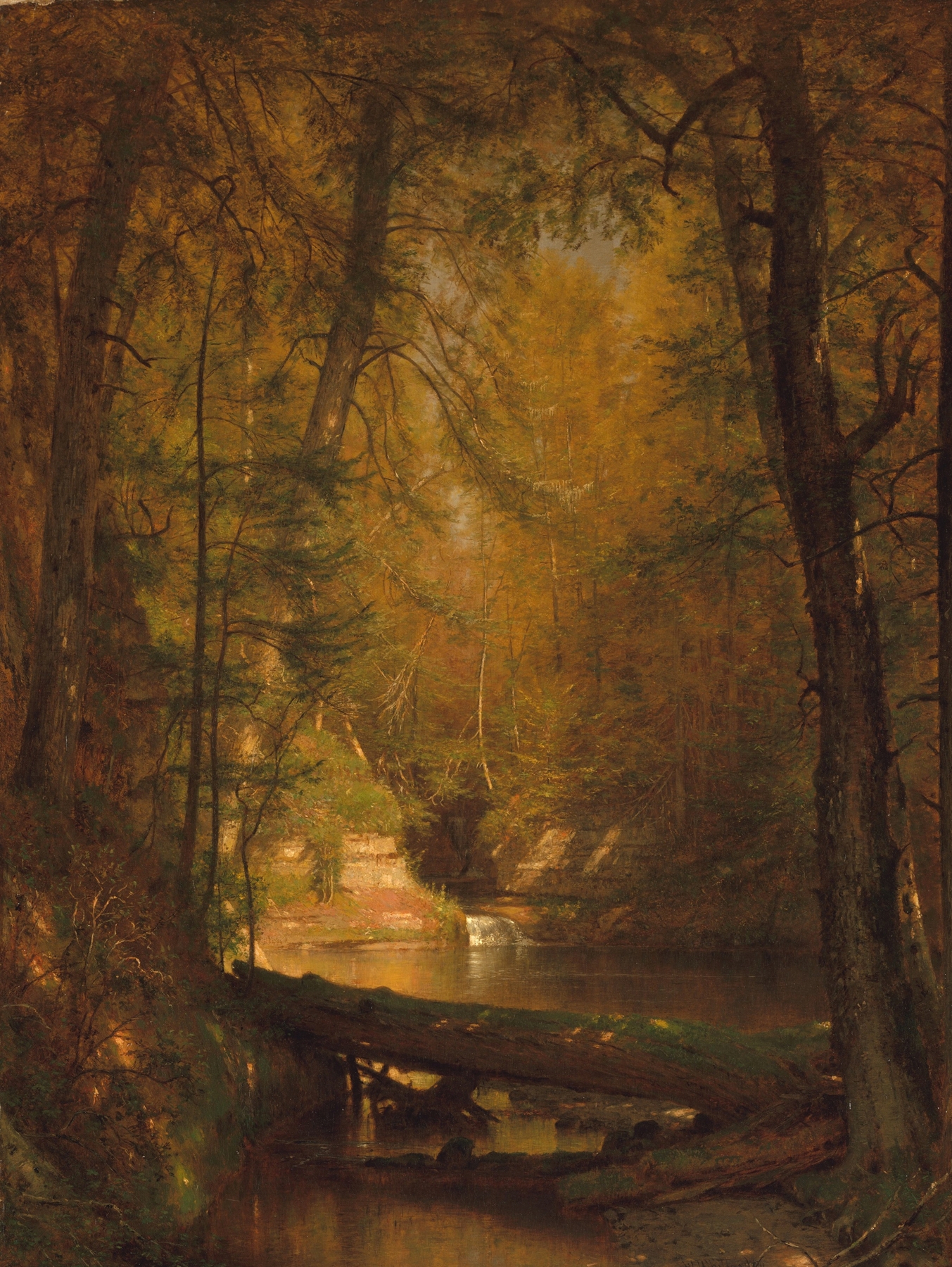
“Sometimes beauty is just pain, disguised in gold.” The allure of the landscape whispers of tranquility, yet beneath its vibrant hues lies a haunting reminder of mortality. In its splendor, the scene invites reflection—a gentle nudge towards our own fleeting existence. Look to the left at the lush, rolling hills that cradle the amphitheater, their vibrant greens contrasting with the solemn structure at the center. The artist’s delicate brushwork invites you into the intricate play of light and shadow, where sunlight spills over the stone in warm golds and cool greys.
Notice how the clouds drift lazily in the sky, yet their stillness belies the passage of time, evoking the eternal cycle of growth and decay. The juxtaposition of the ancient amphitheater with the majestic mountains speaks to the transience of human achievement amid nature's grandeur. Each stone, once resonating with life and fervor, now stands as a testament to decay, echoing the inevitability of time's embrace. The layers of color and texture reflect not just the beauty of the scene, but the underlying tension between the vibrancy of life and the quiet specter of mortality.
In 1860, Worthington Whittredge found himself amidst a burgeoning American interest in European landscapes, painting this work during his travels in Italy. The period was marked by a romantic fascination with the classical past and a search for beauty in nature, a contrast to the realities of an industrializing world. Whittredge's dedication to capturing both the aesthetic and philosophical dimensions of natural landscapes resonated deeply with contemporary viewers, reflecting the complex interplay of nature, time, and human existence.