The Antechamber of the Sala del Maggior Consiglio — History & Analysis
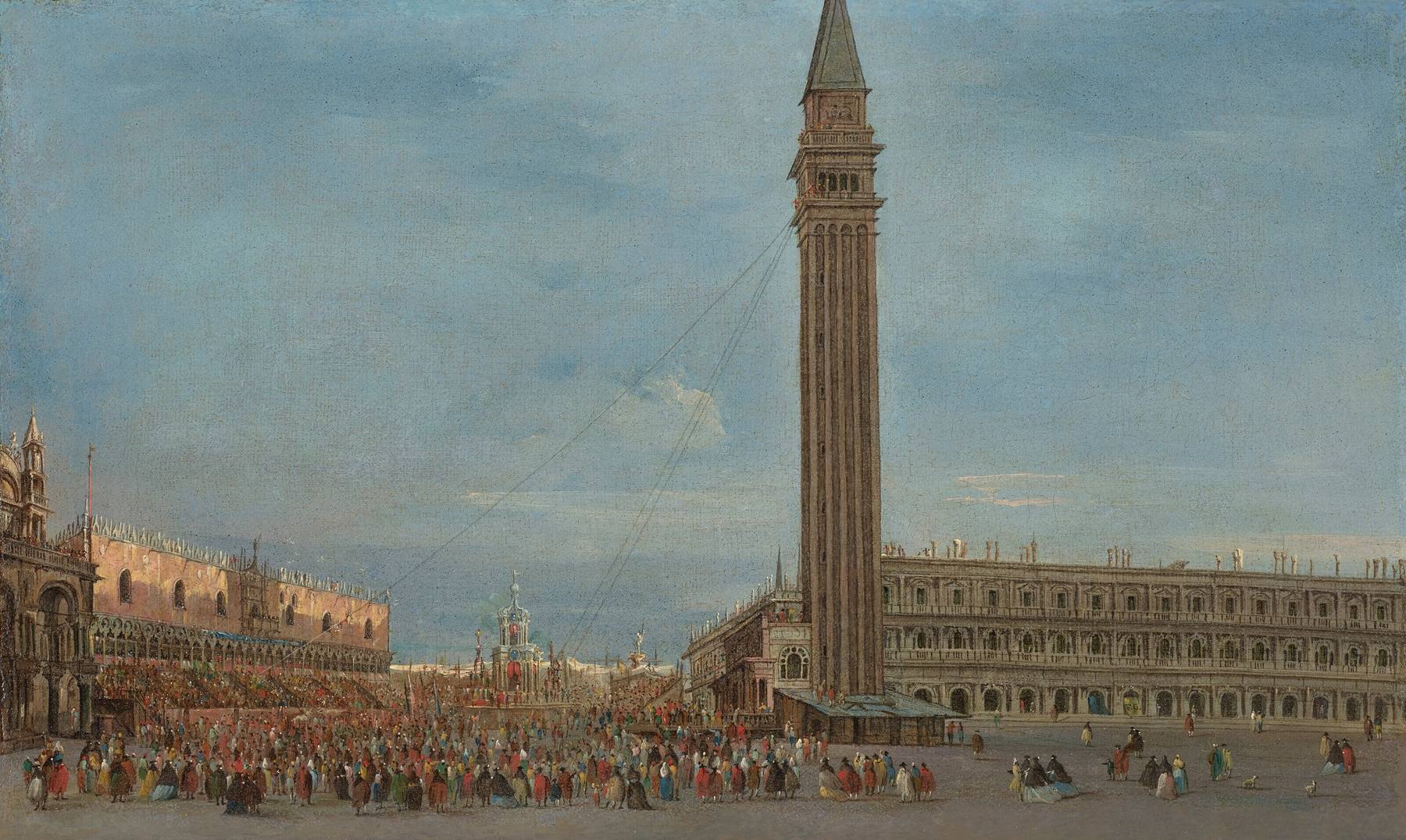
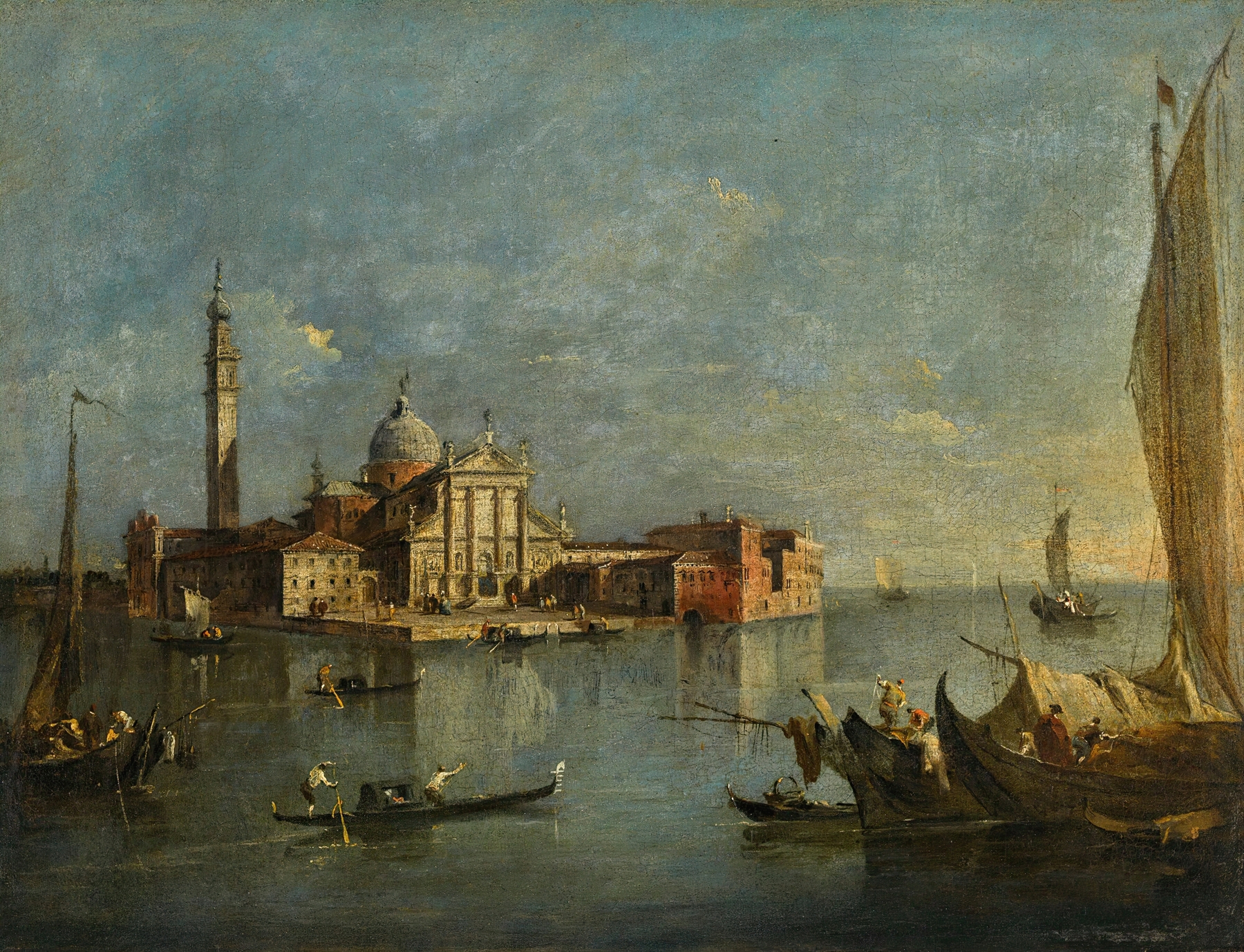
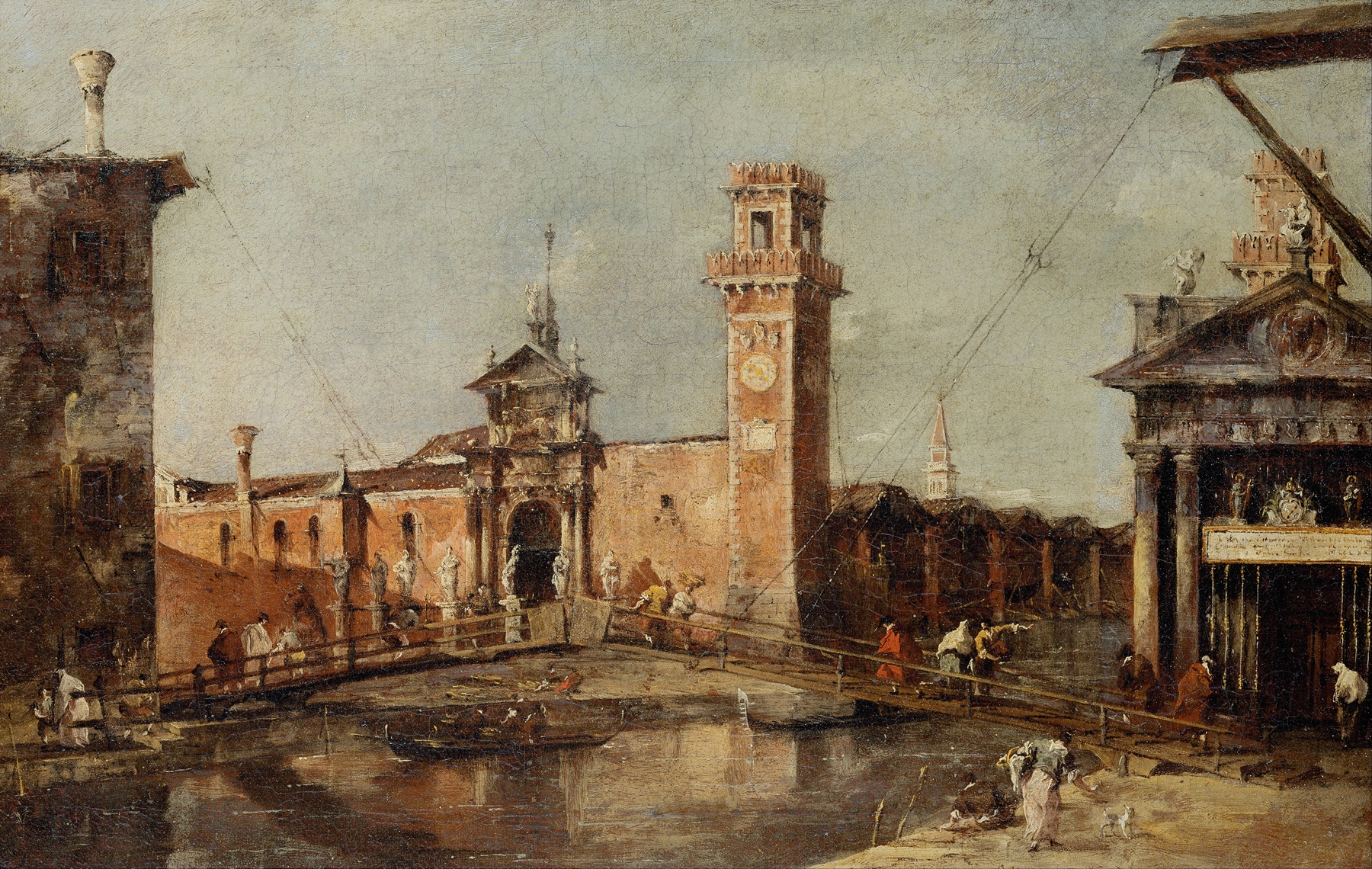
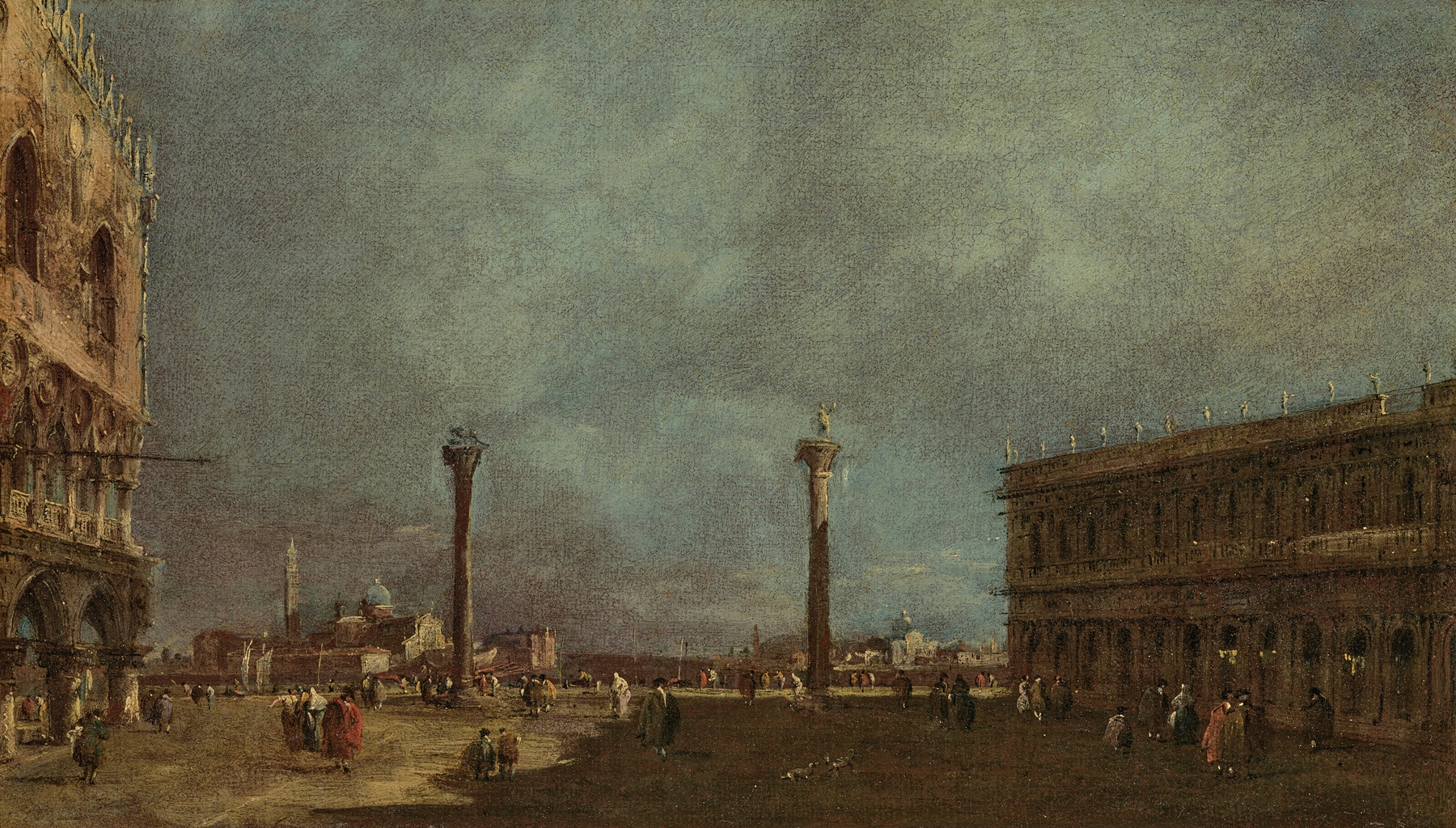
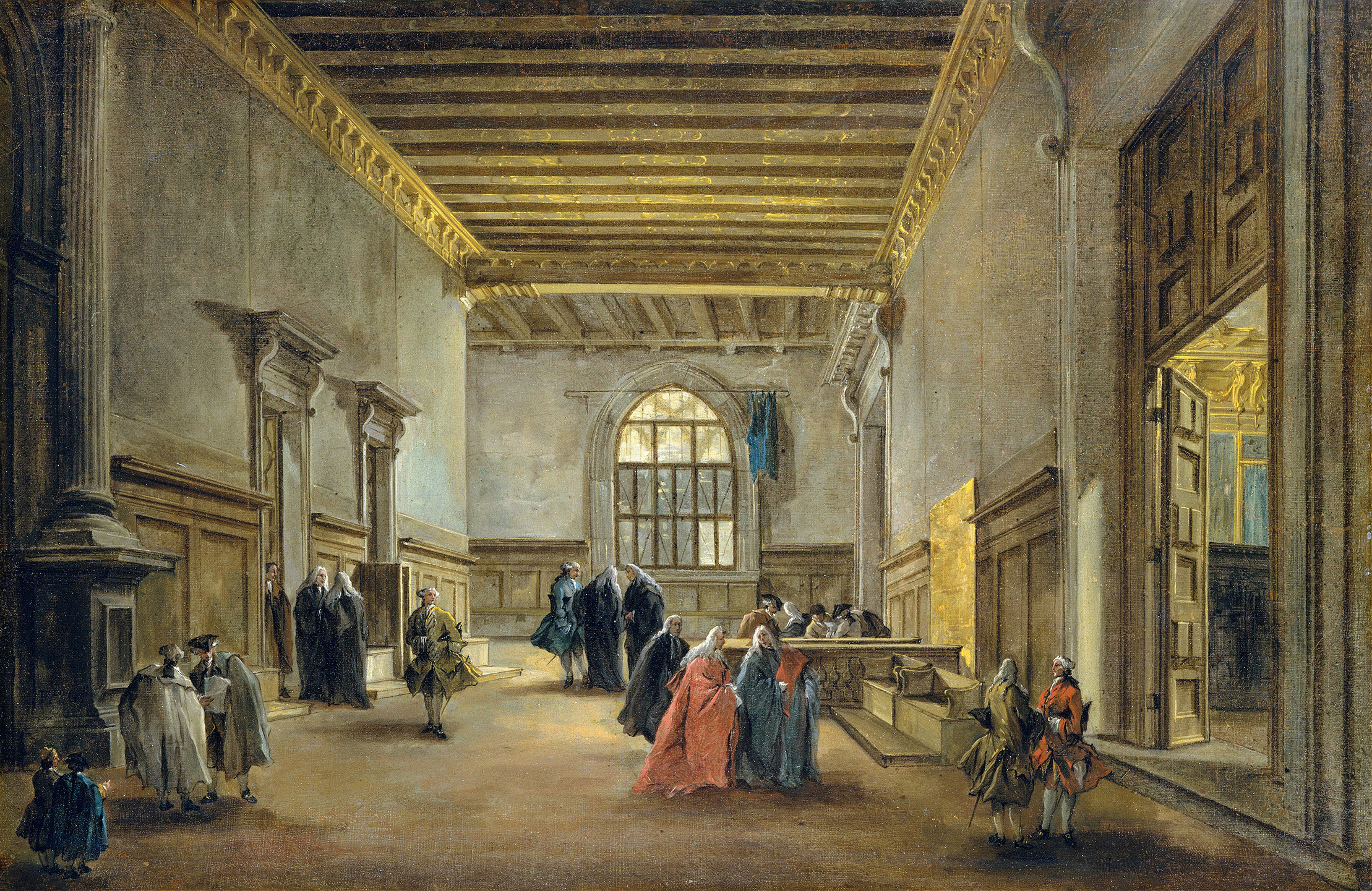
“To paint is to remember what time wants us to forget.” In a world swept by the currents of change, desire clings to the edges of memory, revealing the layers of human experience that remain etched in time. Look to the left, where the intricate architectural details come alive with muted earth tones and soft, shimmering light. The play of shadow and illumination dances across the walls, creating a profound sense of depth. Notice how the figures, poised in the antechamber, seem to be caught in a moment of hushed anticipation, their gestures both grand and intimate, beckoning the viewer into their world.
Delve deeper into the emotions that pulse beneath the surface. The contrast between the ornate surroundings and the seemingly mundane interactions of the figures speaks to the tension between ambition and anonymity. Each character embodies a desire—whether for recognition, power, or connection—woven into the fabric of the setting. The glimmering light that spills into the scene serves as a reminder of hopes that linger just beyond reach, capturing the transient nature of aspiration.
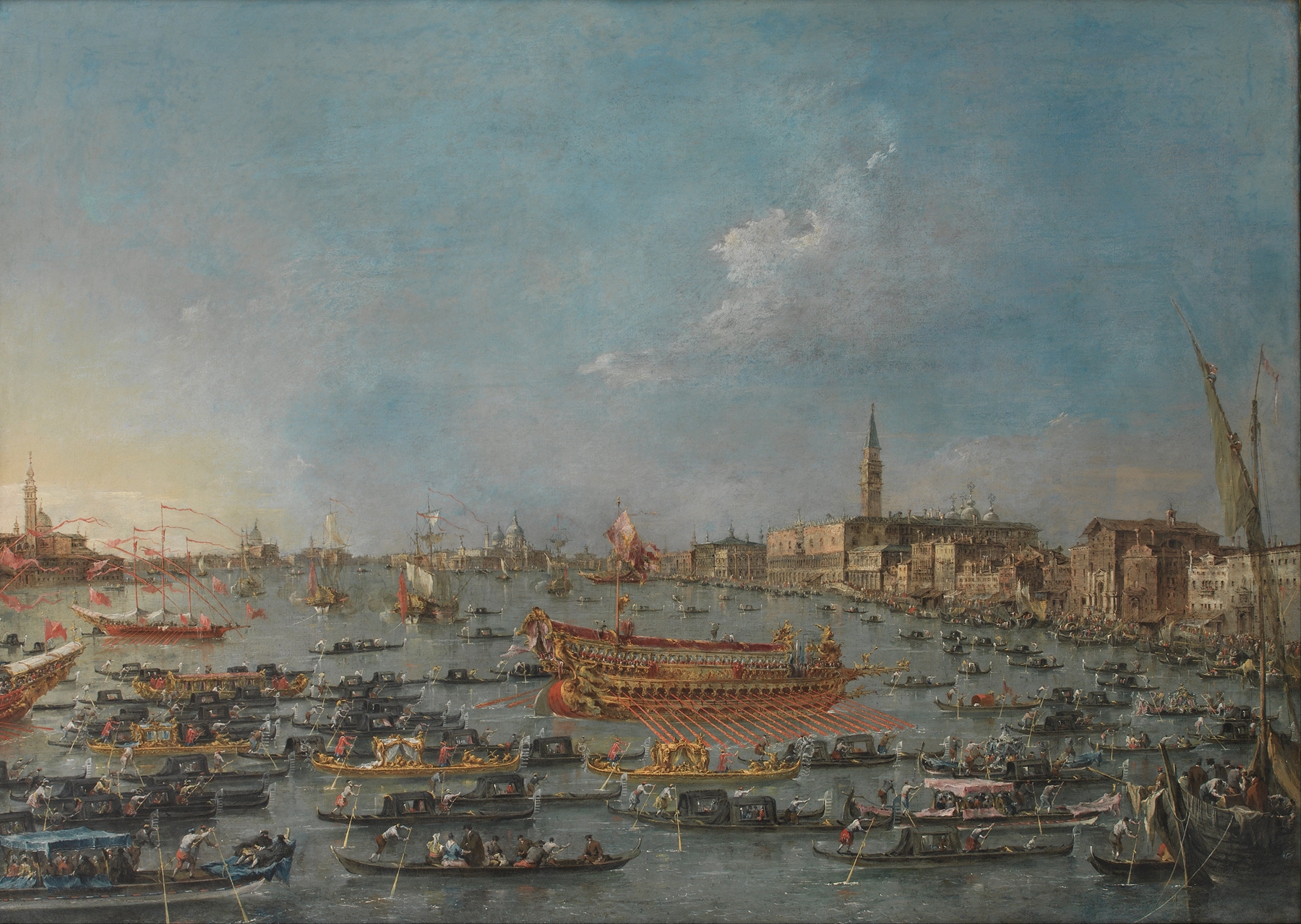
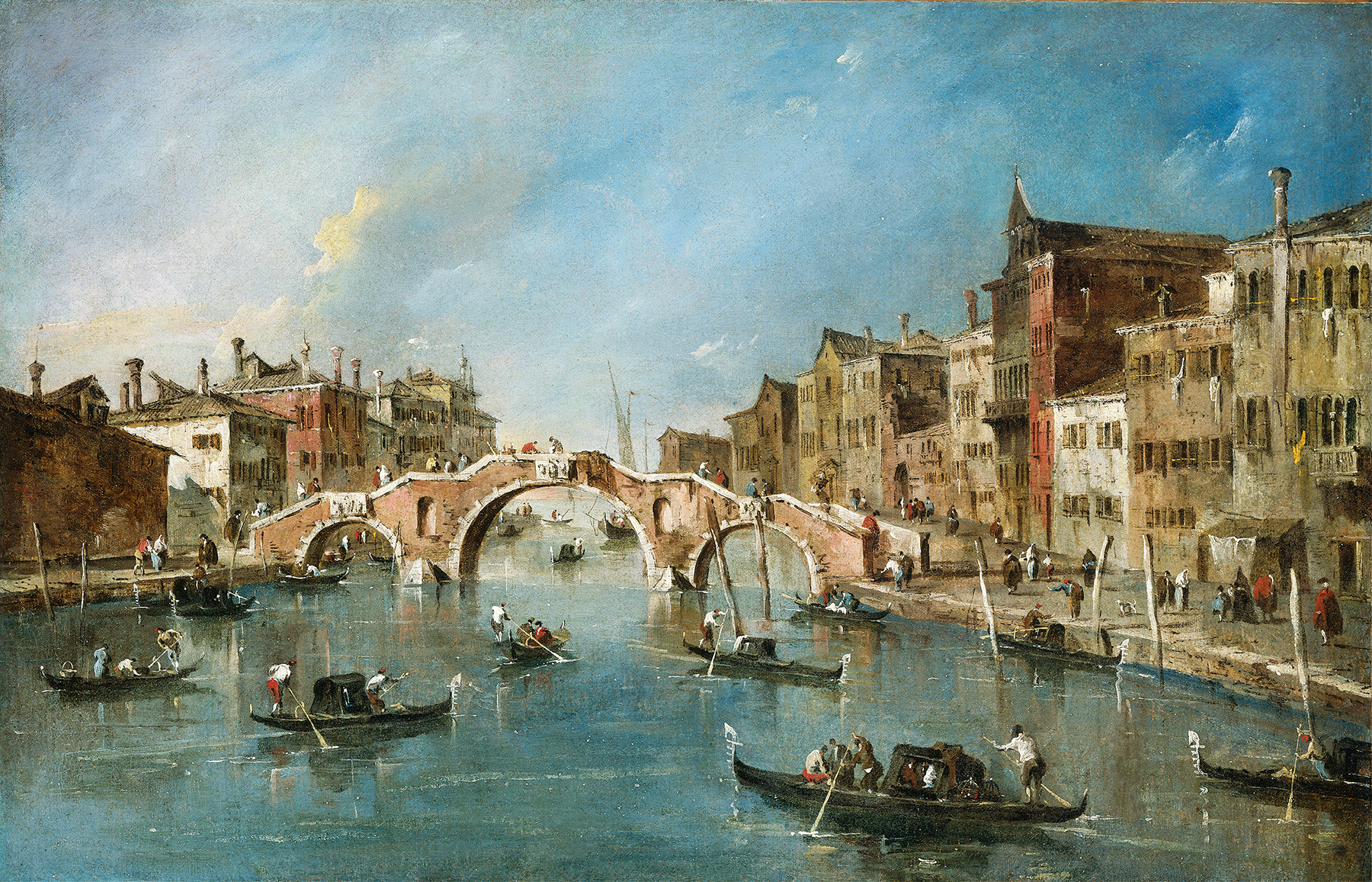
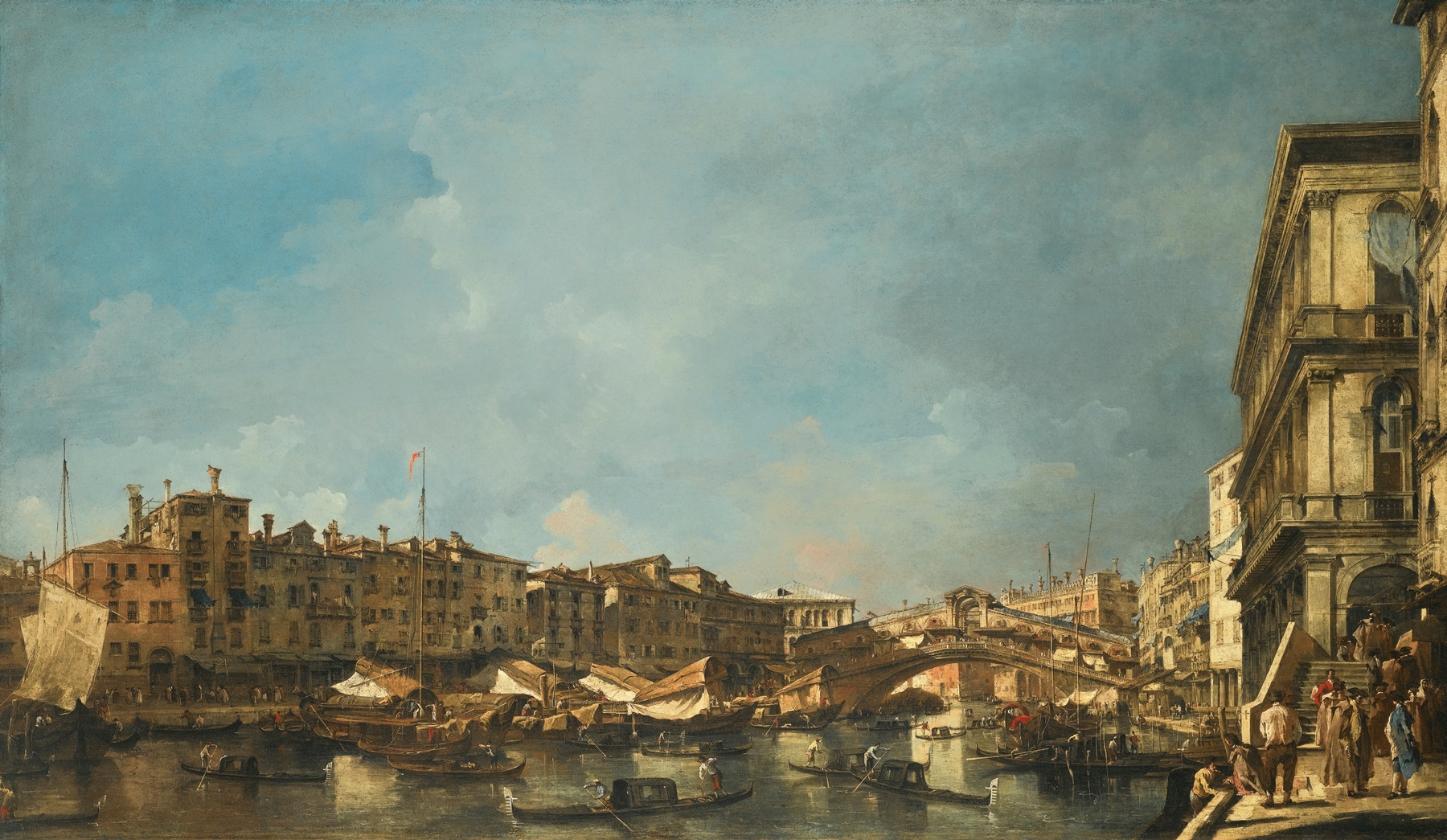
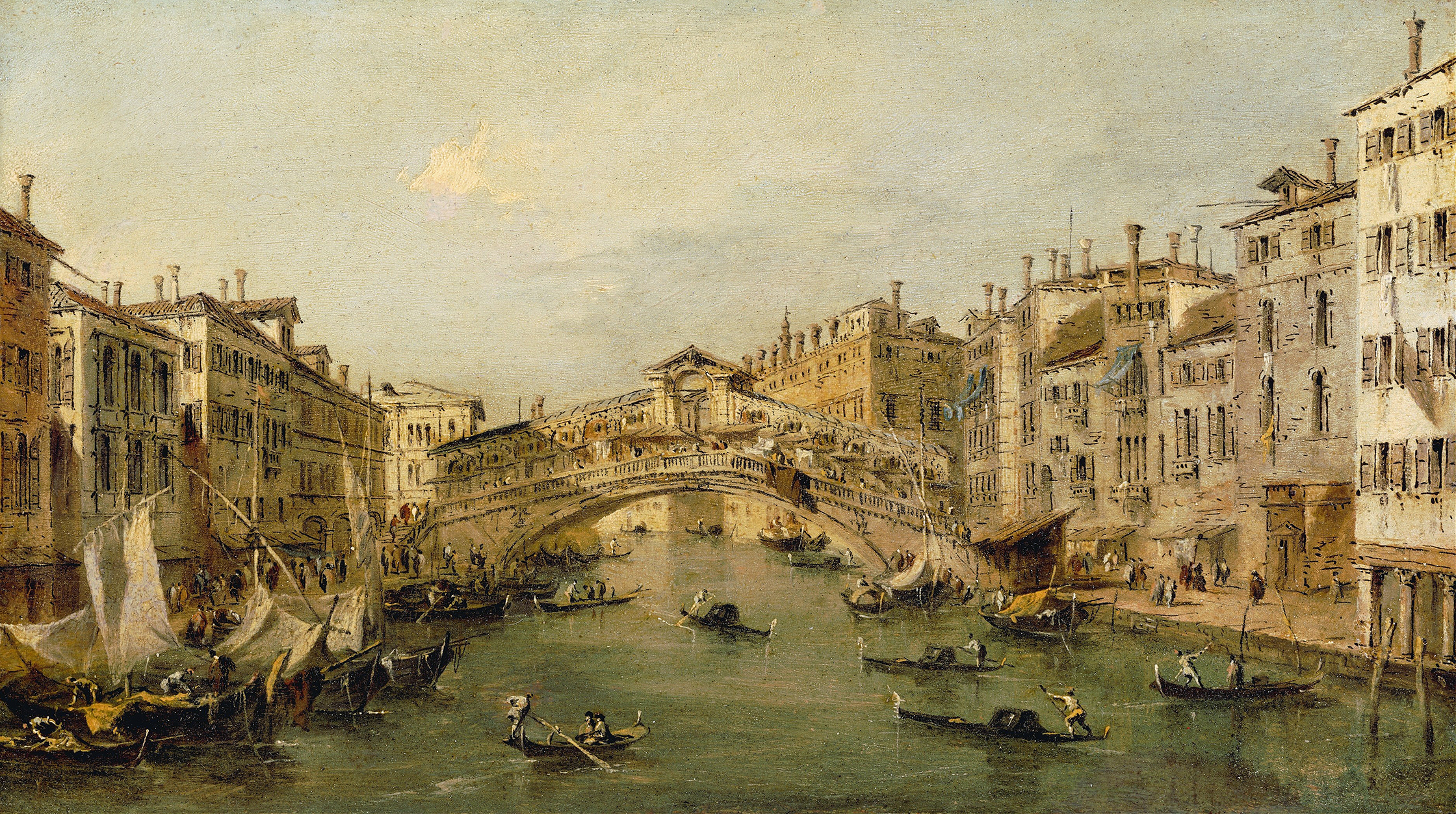
Francesco Guardi created this masterpiece between 1765 and 1768, during a time when the Venetian Republic was navigating the complexities of its fading glory. The artist was immersed in the vibrant art world of Venice, reflecting the city's unique interplay of light, architecture, and human experience. As he worked, Guardi positioned himself amidst the growing influence of the Rococo style, masterfully capturing the essence of his era through the lens of longing and desire.