The Baptism — History & Analysis
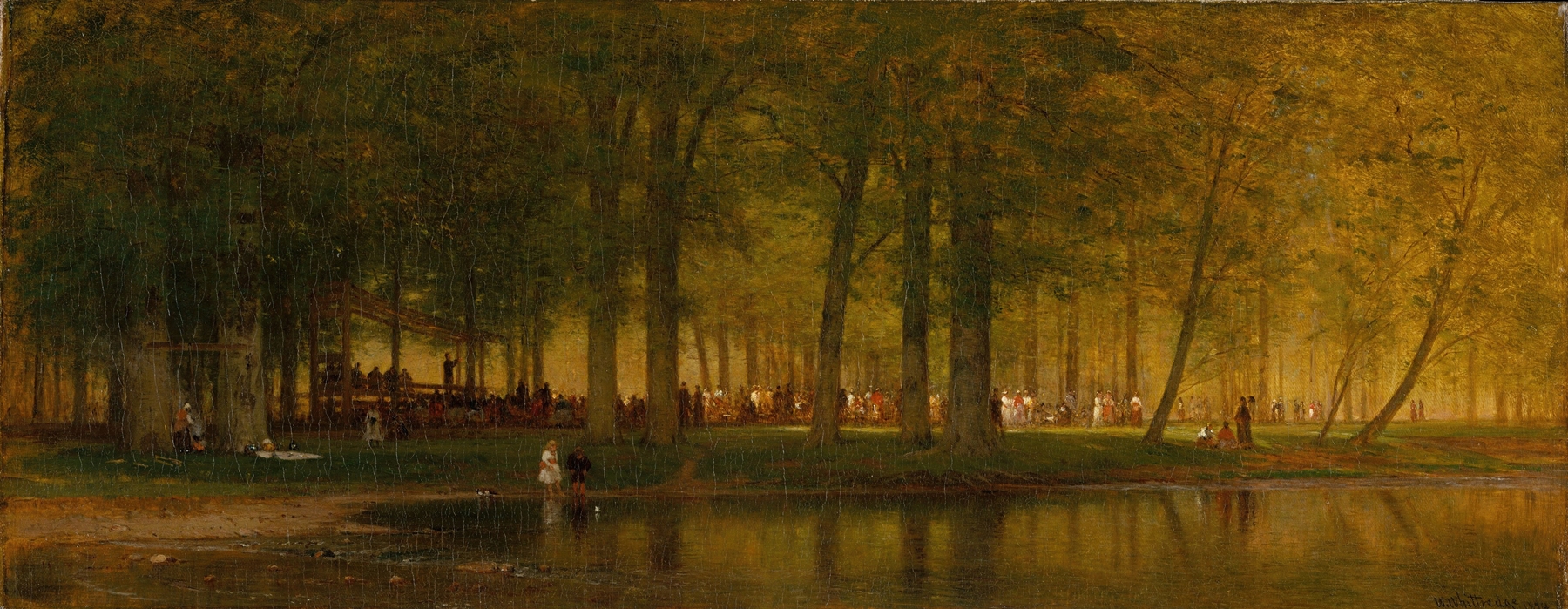
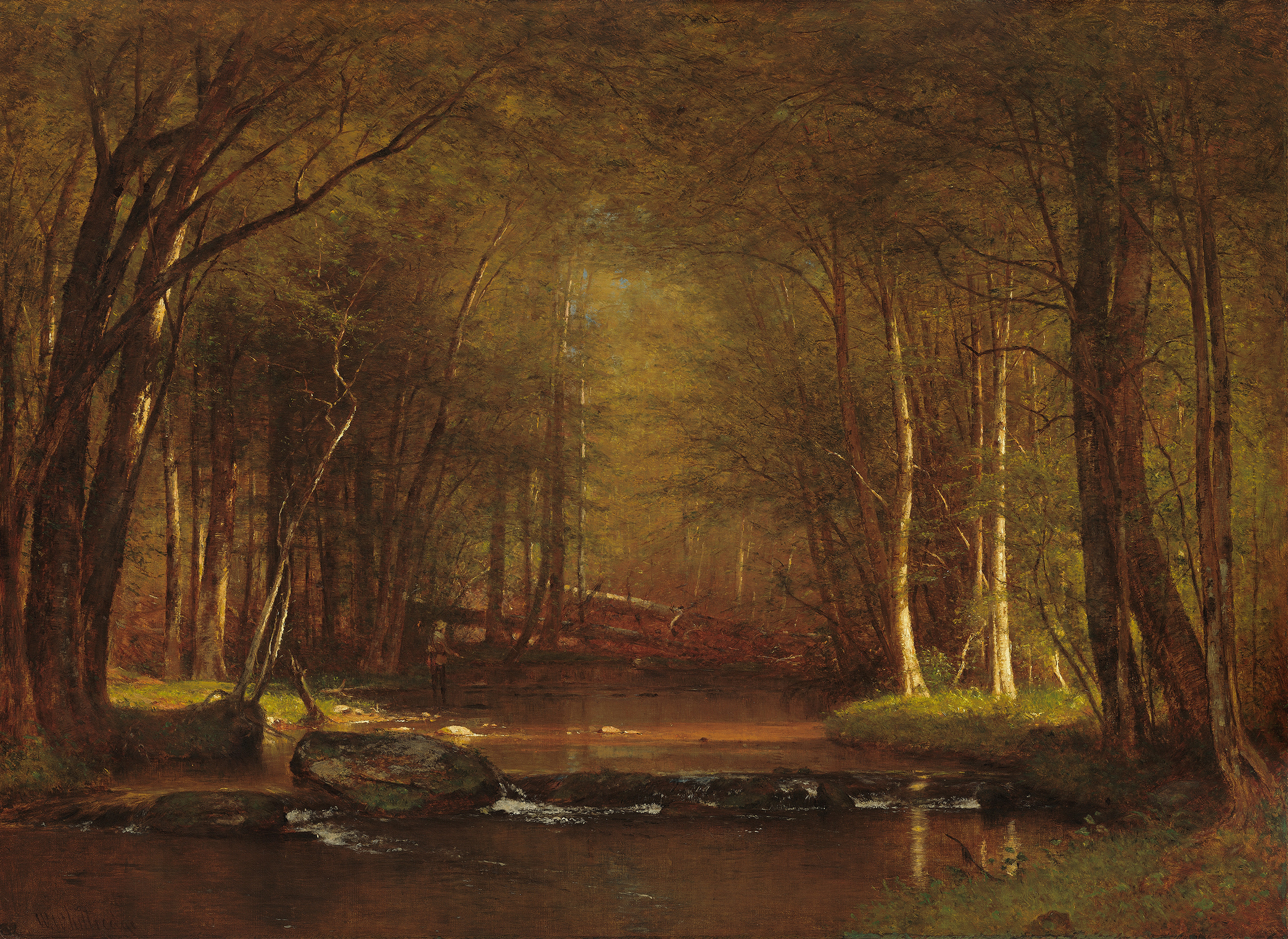
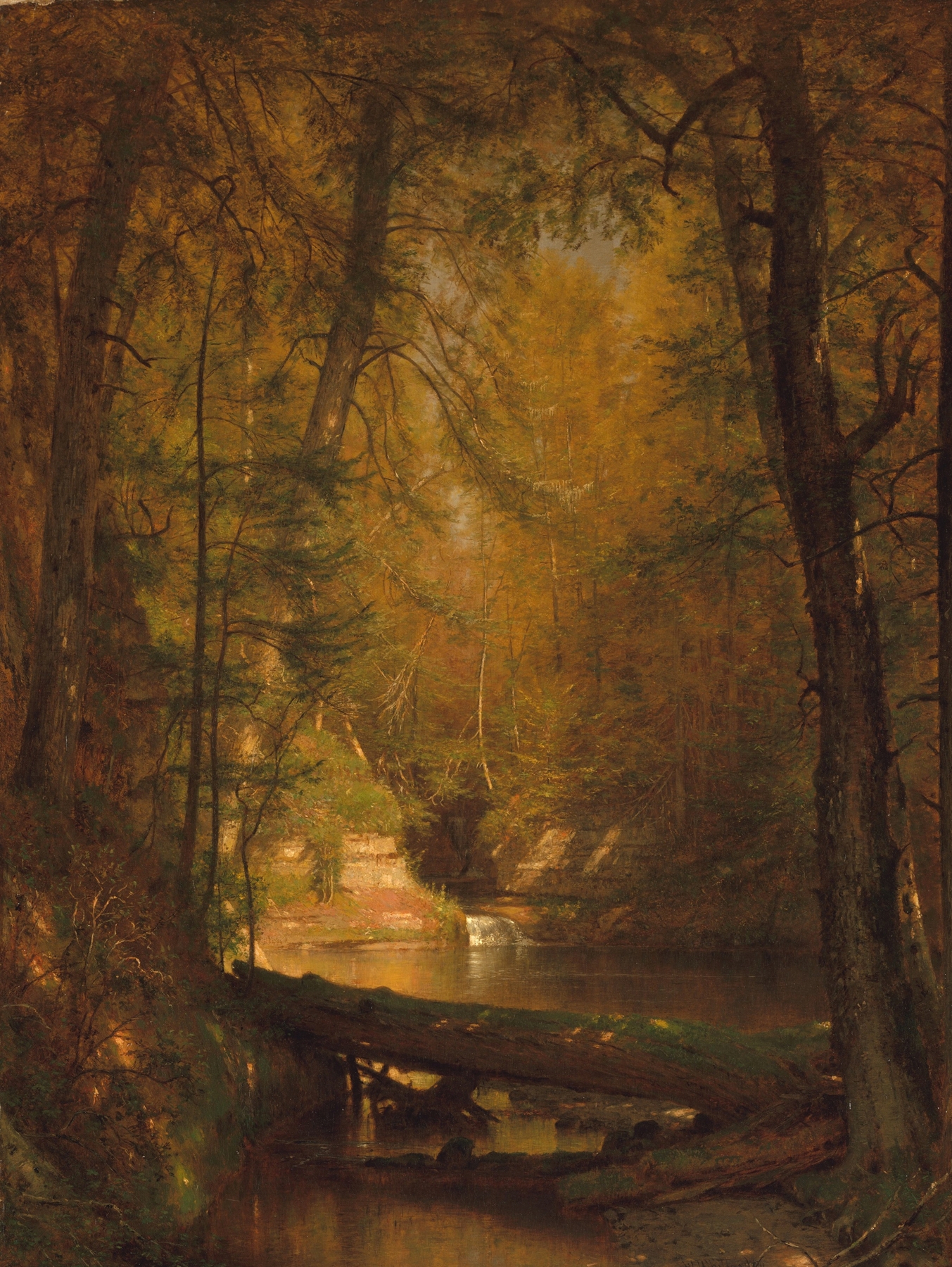
“The canvas doesn’t lie — it simply waits.” In the quietude of a moment captured, shadows dance delicately, revealing secrets hidden beneath the surface of light. Look to the center of The Baptism, where two figures stand poised at the water’s edge, surrounded by a lush, verdant landscape. The gentle ripples of the stream shimmer under the soft sunlight, guiding your gaze to the melding of flesh and spirit. Notice the play of light as it caresses the figures, accentuating their earnest expressions while deepening the surrounding shadows, creating a palpable tension between the sacred act and the earthly realm.
Digging deeper, layers of meaning unfold within the contrasts. The warm hues of the figures juxtaposed against the cool, serene water signify the spiritual awakening that follows the commitment of faith. The shadows cast by trees loom overhead, evoking the presence of nature as a silent witness to this sacred rite, suggesting that divine moments occur under the watchful gaze of the world. Each brushstroke holds an emotional weight, encapsulating the fragility and intensity of belief.
Painted in 1868, this work emerged during a pivotal time for Worthington Whittredge, who was captivated by the American landscape and its spiritual resonance. Living in a nation divided by civil strife, he sought solace in nature’s beauty and sought to reflect its transformative power through art. This piece stands as a testament to his belief that moments of grace can be found even in tumultuous times, inviting viewers to pause and reflect on their own journeys of faith.