The Brook in the Woods — History & Analysis
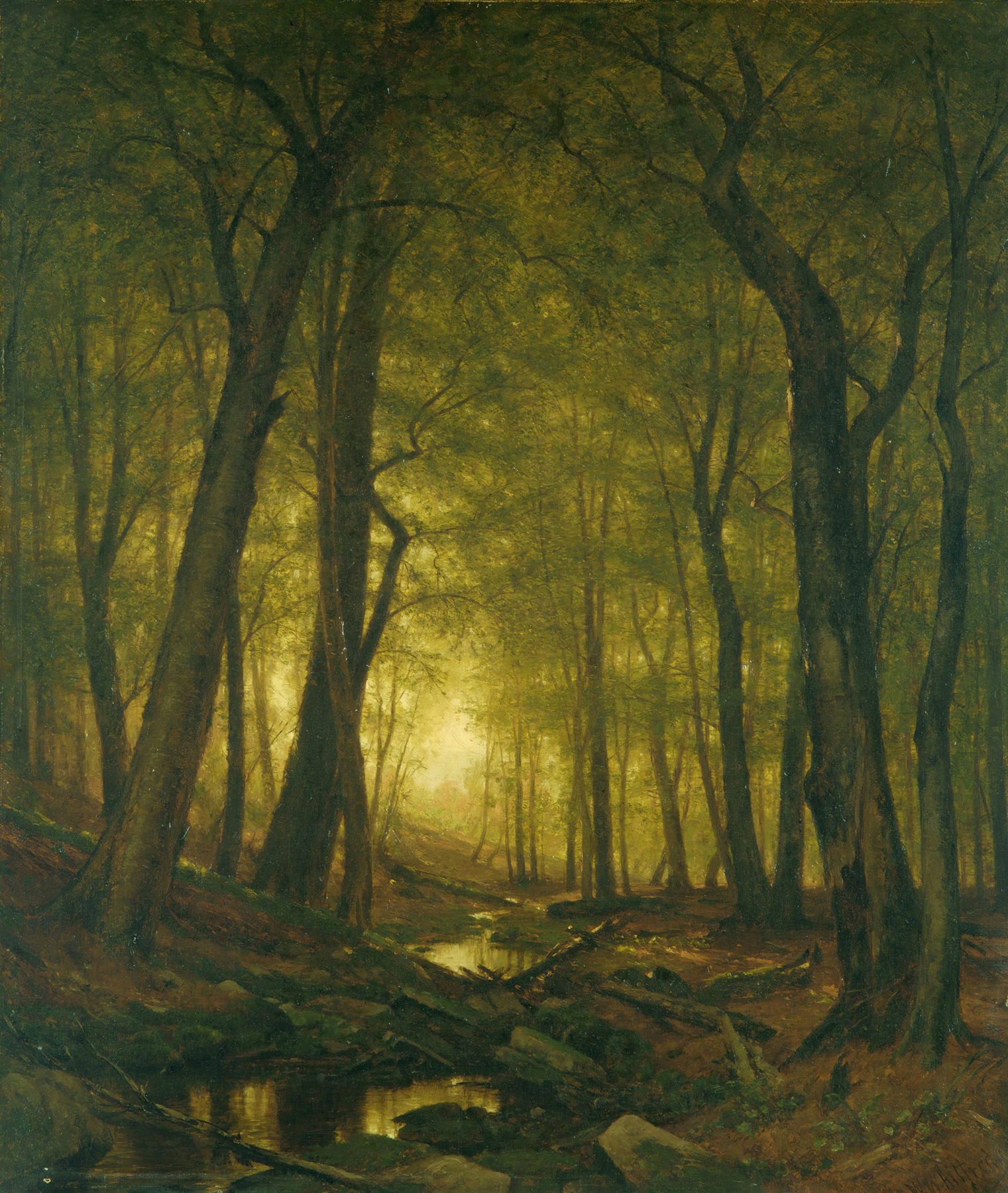
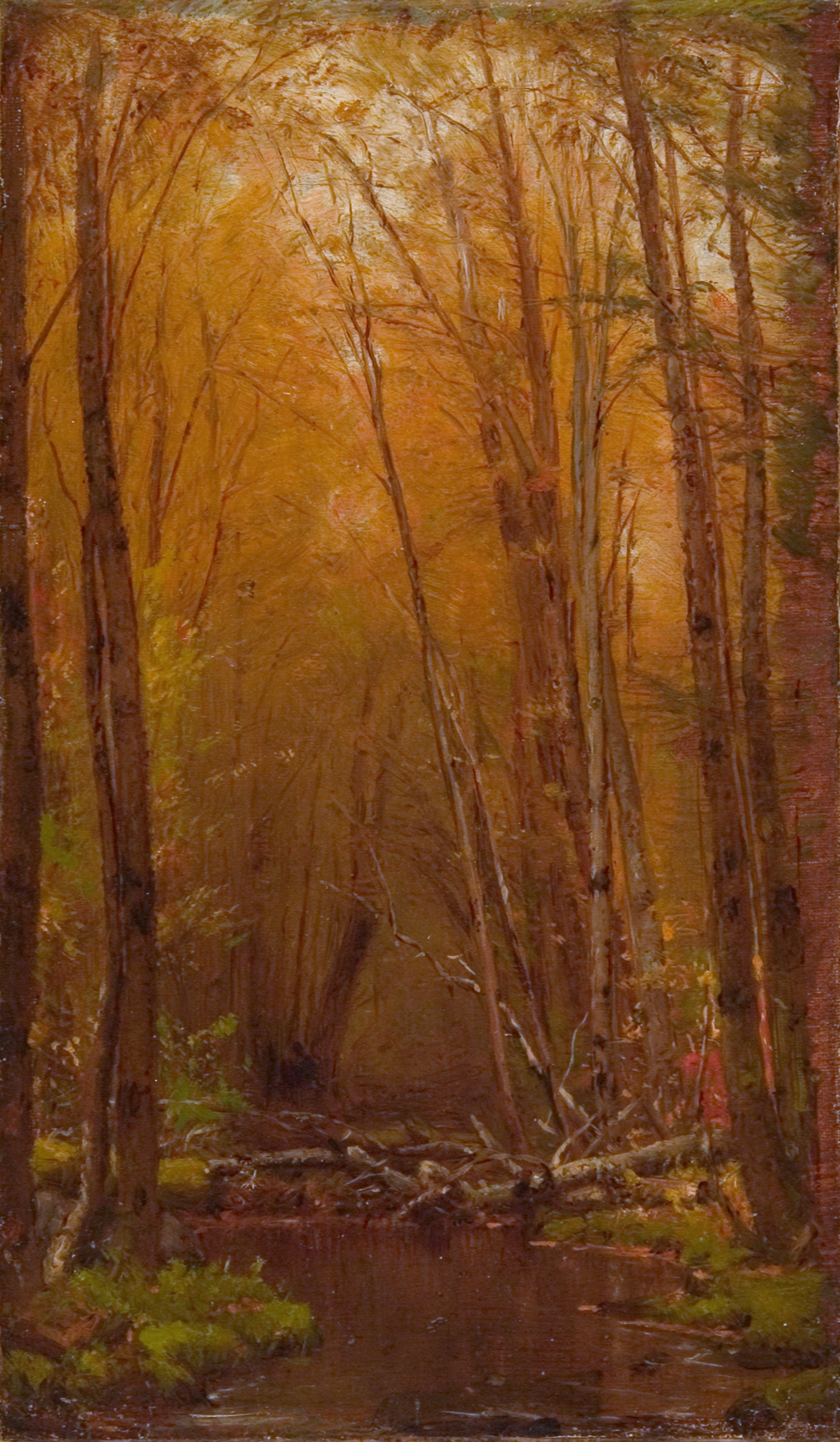
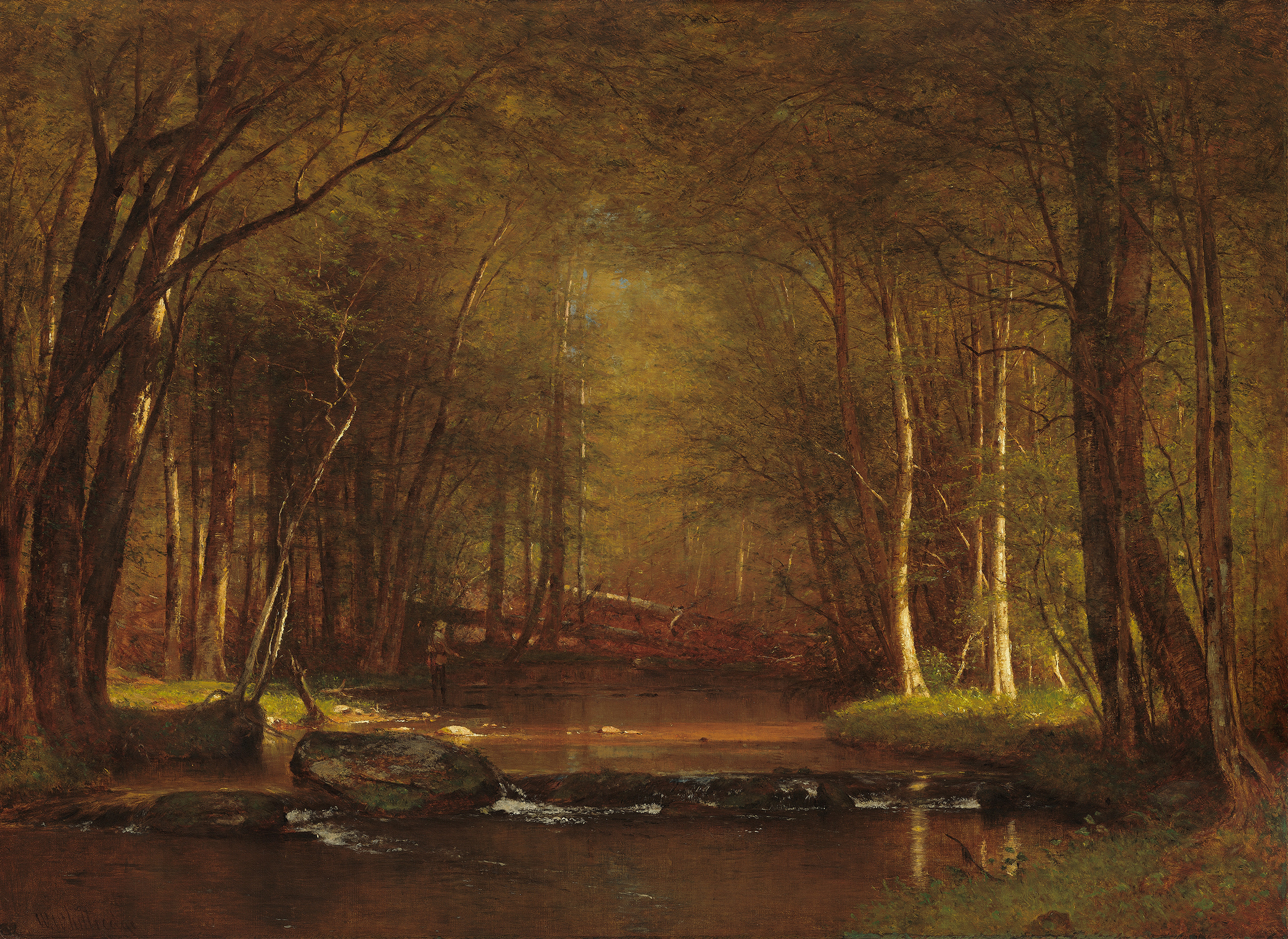
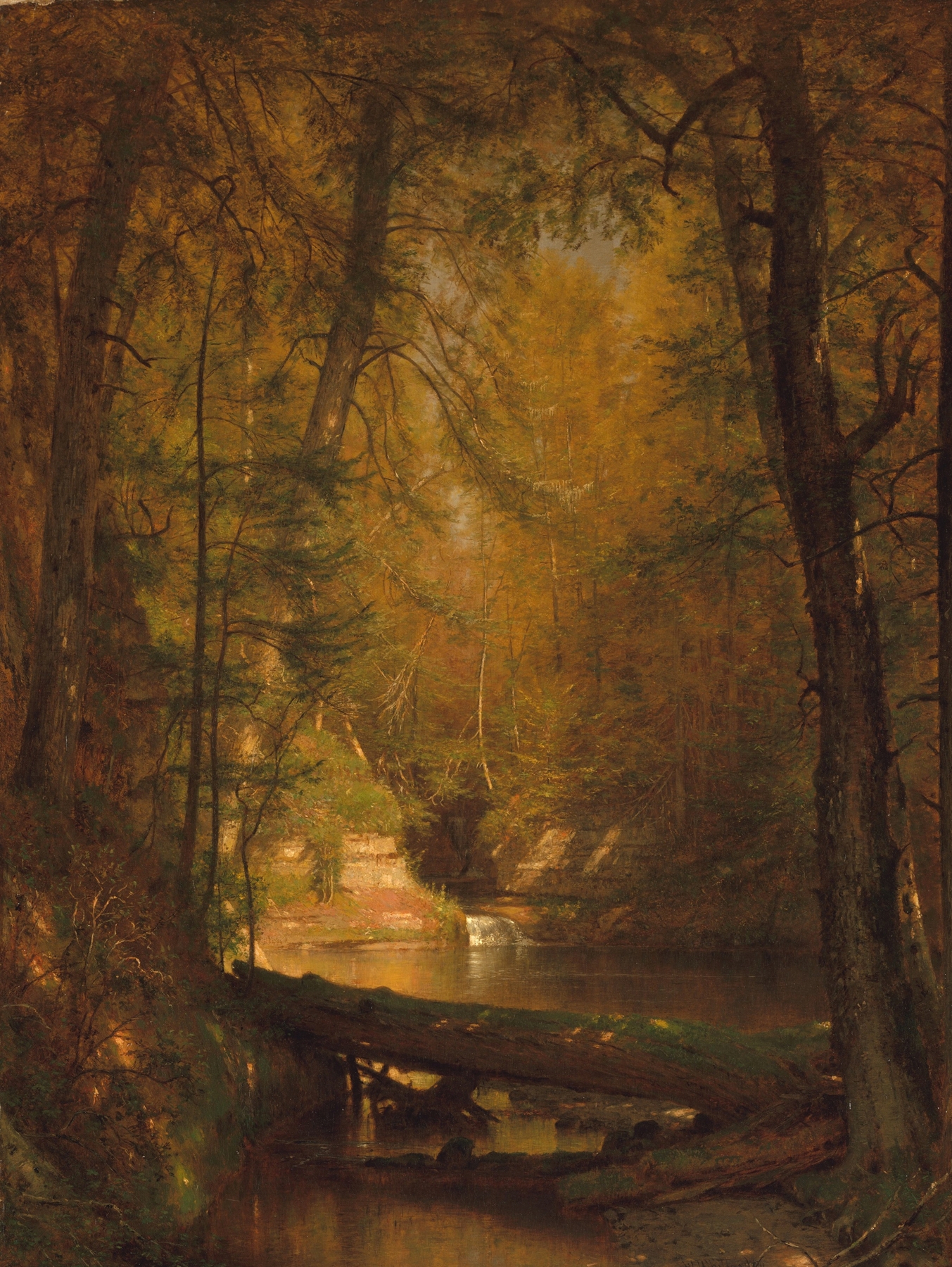
“Between color and silence, truth hides.” In the gentle embrace of nature, a sense of solitude seeps through the vibrant hues of a landscape, whispering tales of a quiet existence. Look to the lower left of the canvas, where a brook weaves its way through the tapestry of verdant greens and earthy browns. The water glimmers as it reflects dappled sunlight filtering through the canopy above, inviting your gaze to follow its serene path. Notice how the artist’s delicate brushwork captures the texture of the leaves, each ripple in the water meticulously rendered, creating a poignant contrast between the liveliness of the flora and the stillness of the stream.
Deeper within the scene, the interplay of light and shadow hints at the transience of life. The brook, a symbol of continuity, cuts through the forest, yet its solitary journey evokes feelings of loneliness. Each tree stands as a silent sentinel, bearing witness to the passage of time, their robust forms contrasting with the ephemeral flow of water, emphasizing the tension between permanence and change.
In the mid-1880s, Worthington Whittredge was immersed in the American landscape tradition, painting in a burgeoning country eager to define its artistic identity. Working in a period marked by exploration and introspection, he sought to capture the sublime quality of nature, reflecting both inner and outer worlds. In The Brook in the Woods, he melded realism with a romantic sensibility, embodying the complex relationship humans have with the natural world.