Santa Maria della Salute and the Dogana, Venice — History & Analysis
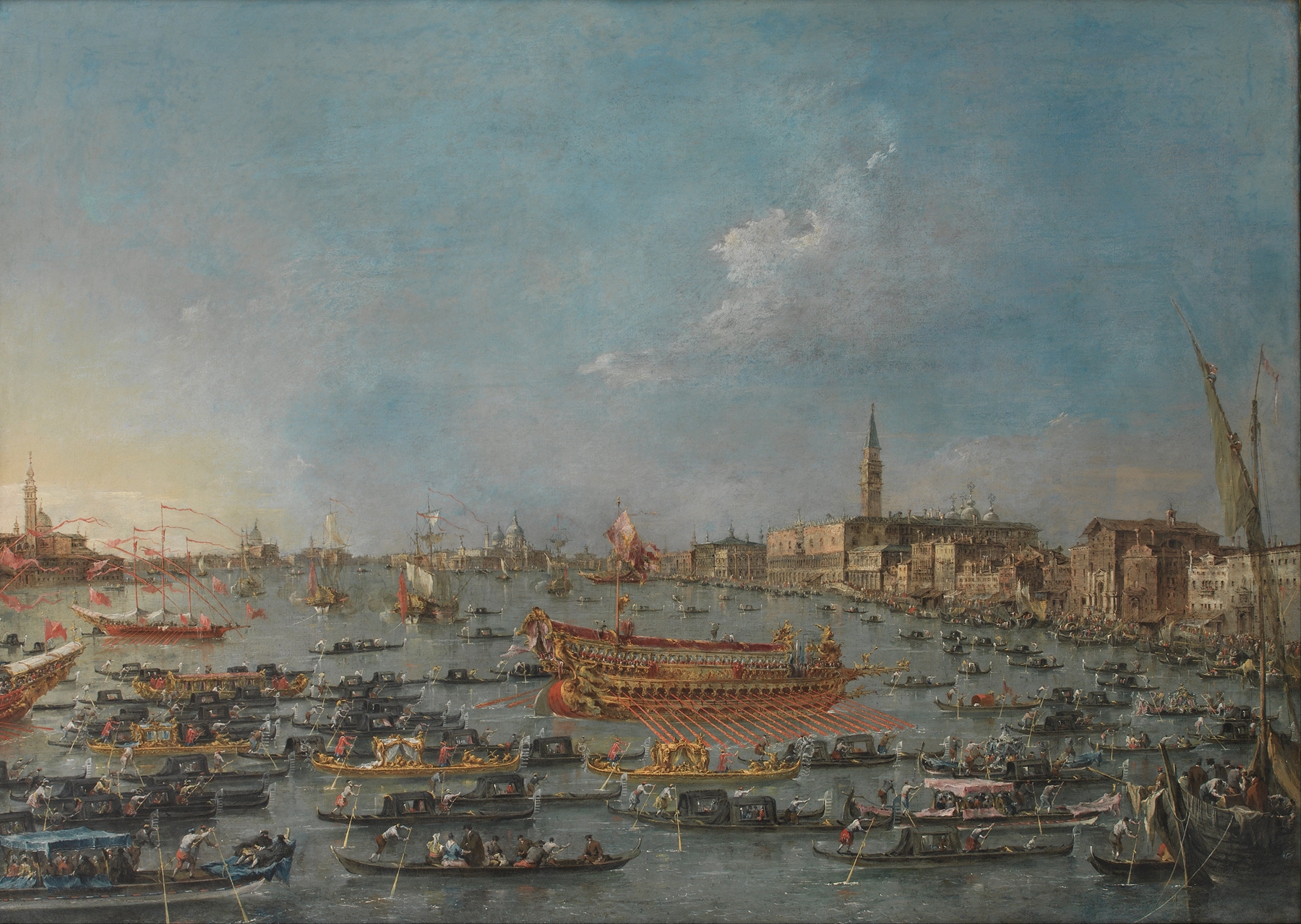
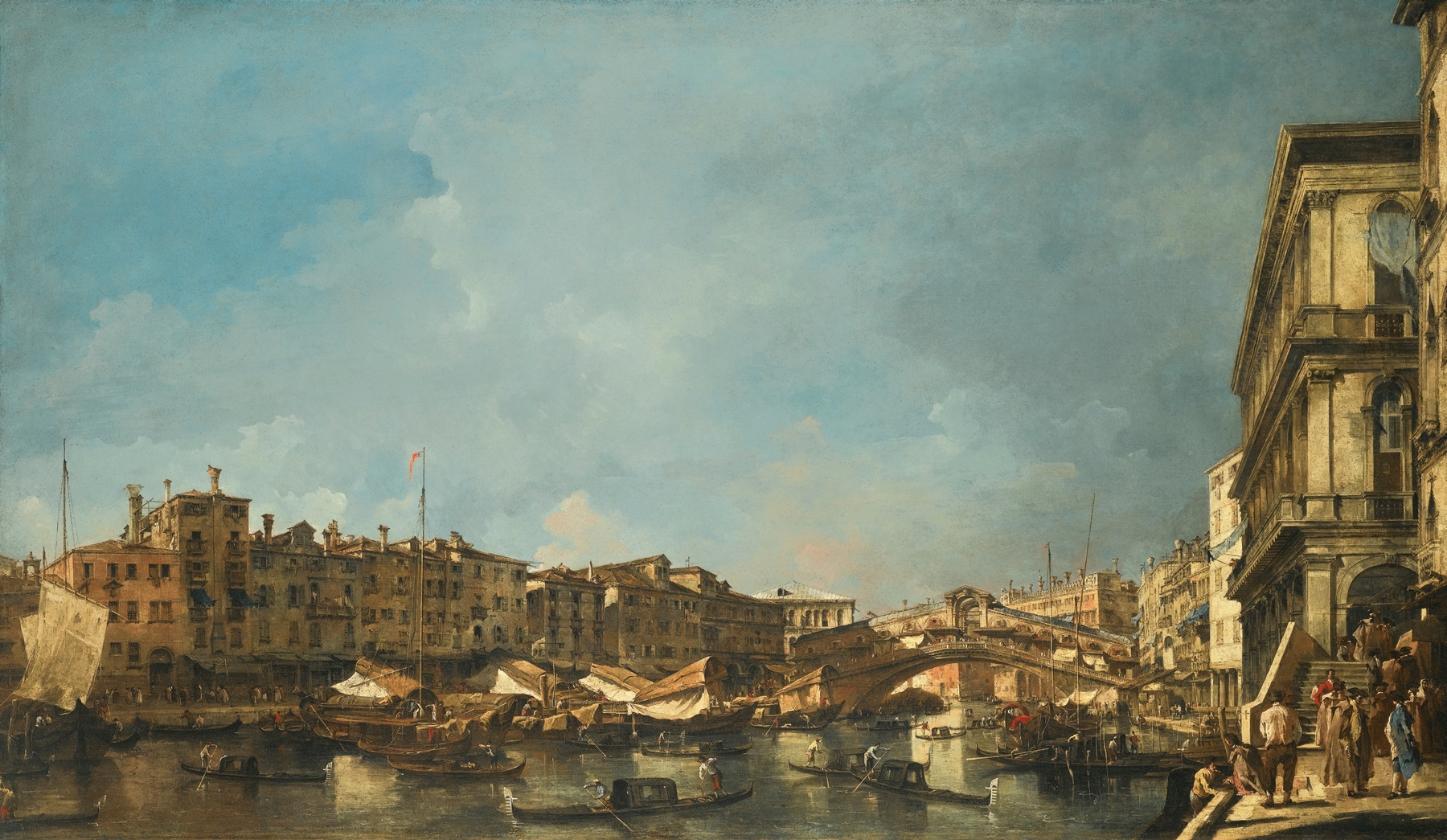
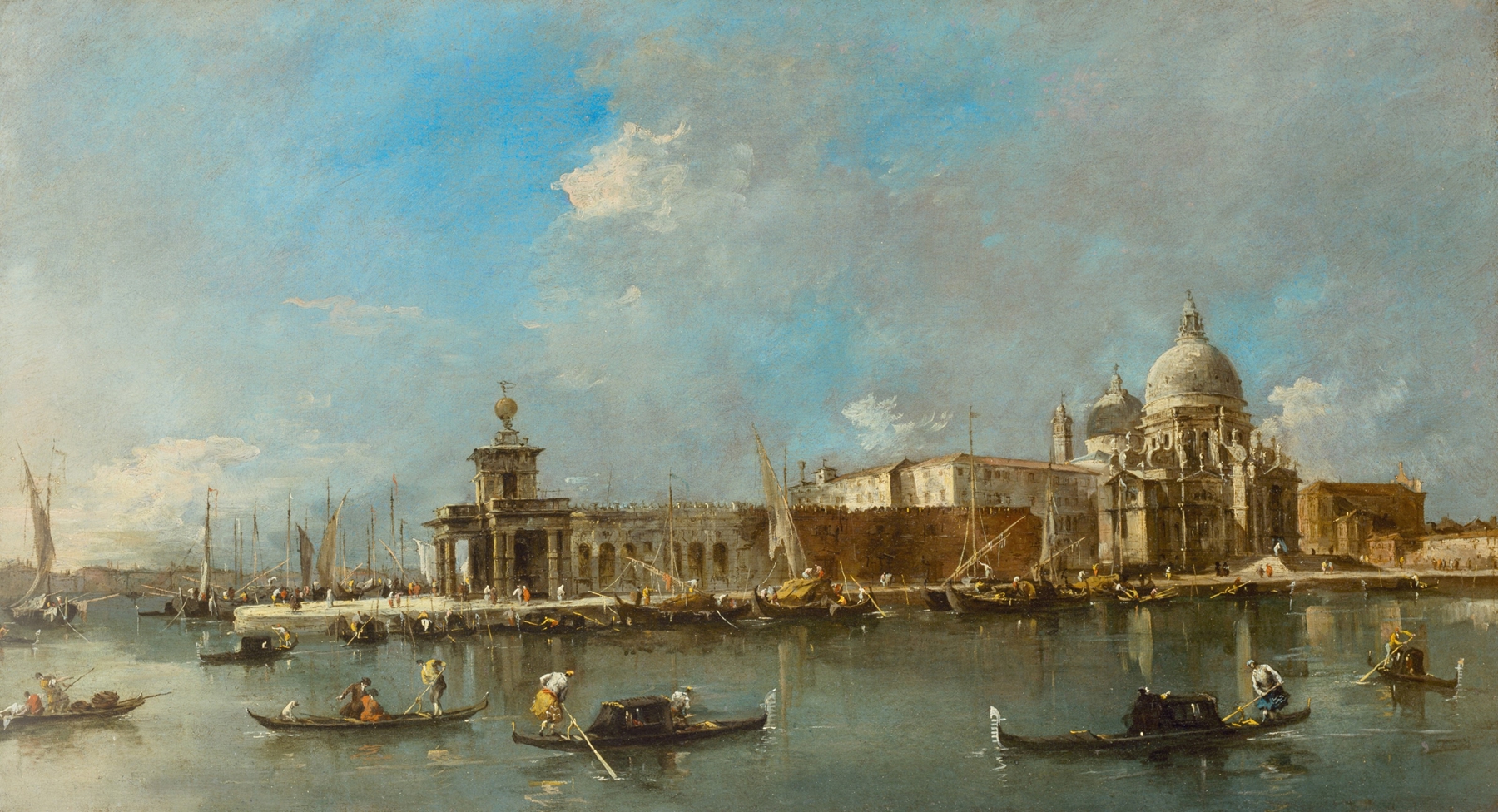
Where does light end, and longing begin? In the gentle embrace of dusk, the ethereal glow of Venice beckons with a soft melancholy, inviting contemplation on memories entwined with its canals. Focus your gaze on the left side of the canvas, where the grand silhouette of Santa Maria della Salute looms elegantly against the twilight sky. The delicate strokes of gold and cerulean accentuate the ornate architecture, while the shimmering reflections in the water create a harmonious unity.
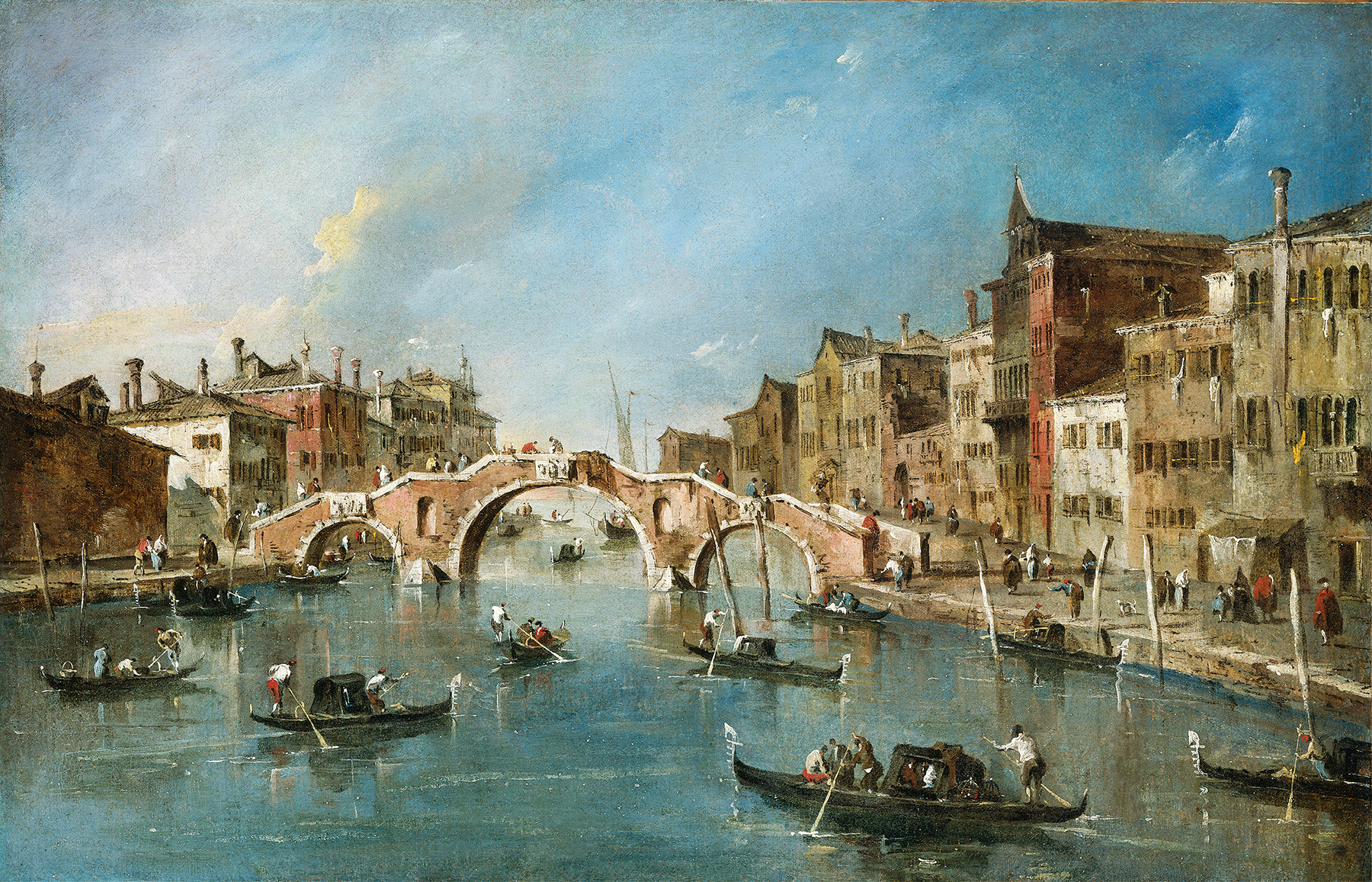
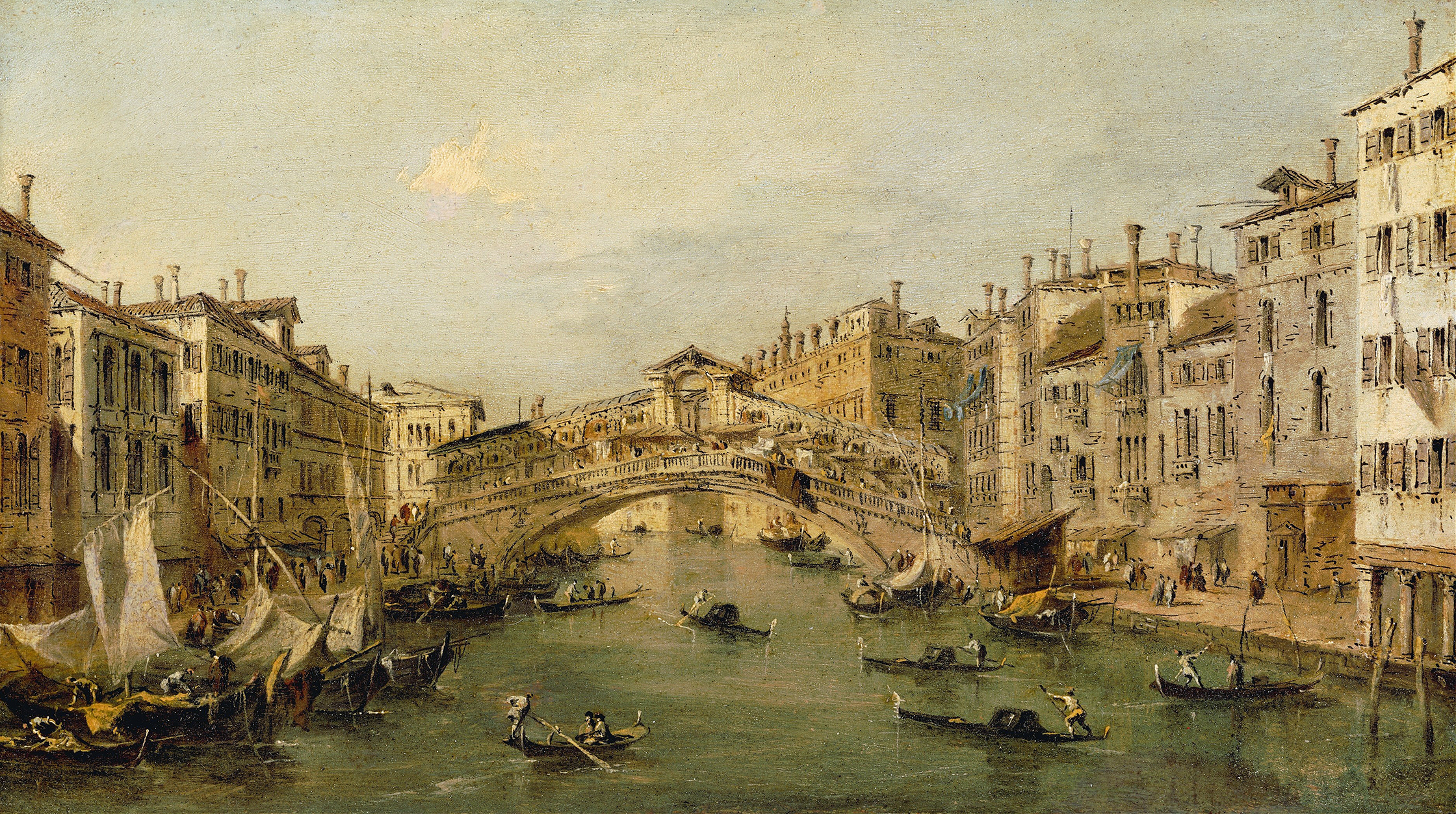
Observe how the artist employs a palette of warm hues, evoking nostalgia that lingers in the air, as if capturing the fleeting moments of a city steeped in history. Within the interplay of light and shadow, there lies a poignant contrast between the vibrancy of life and the stillness of memory. The boats, gently bobbing upon the water, serve as vessels of time, connecting the past with the present. Each stroke of the brush sings of a longing—a yearning for experiences that slip through one's fingers, much like the sun setting beyond the horizon.
Painted in an era of burgeoning Romanticism, the artist found inspiration amid the winding canals of Venice, capturing its essence with a sense of fleeting beauty. During the late 18th century, as the world of art began to shift, he embraced a more intimate approach, focusing on the emotive qualities of his surroundings. In this work, we see the merging of the physical and the emotional, revealing a city that is not merely a backdrop but a living, breathing entity that resonates with the heart.