The Caves — History & Analysis
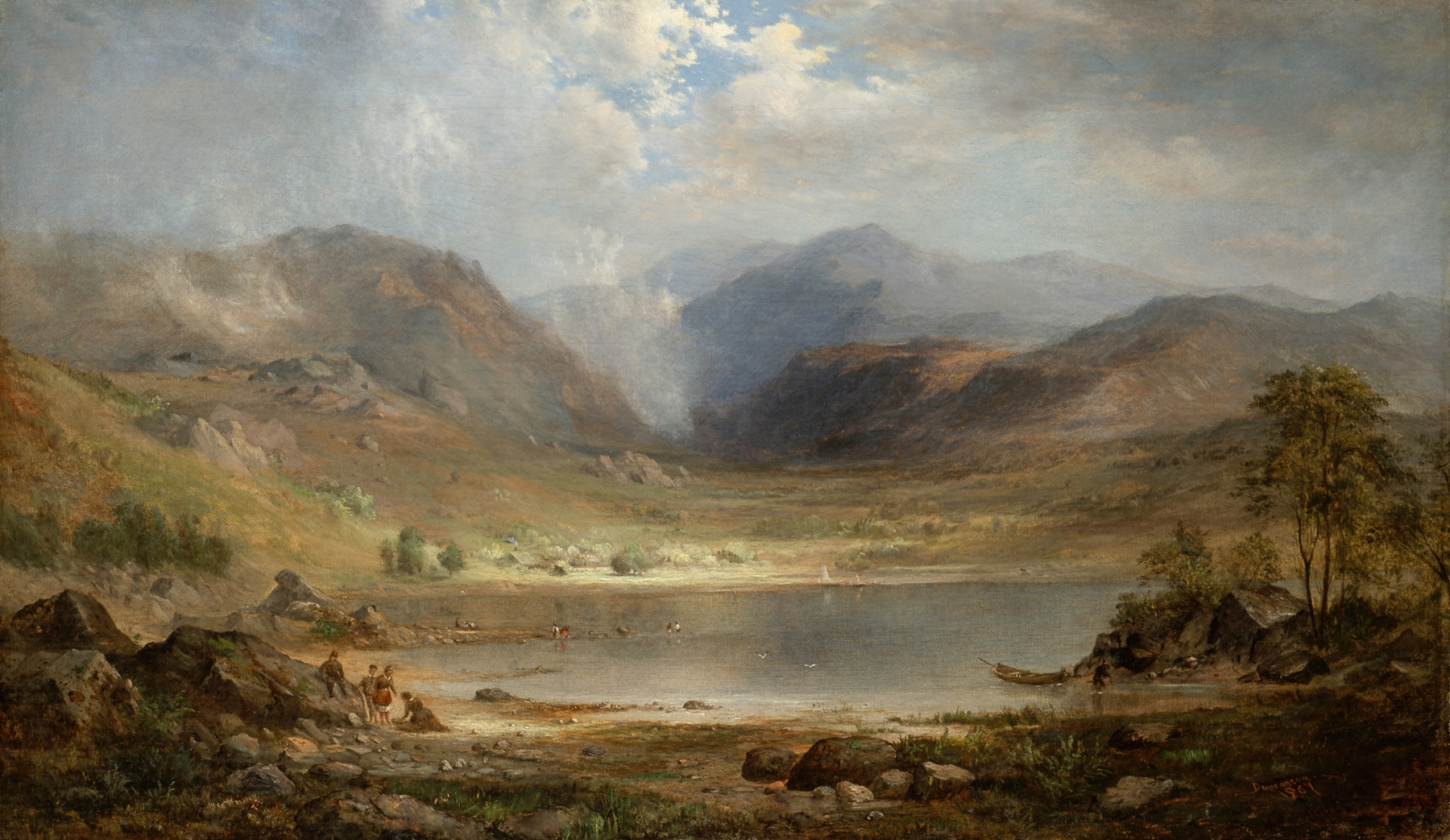
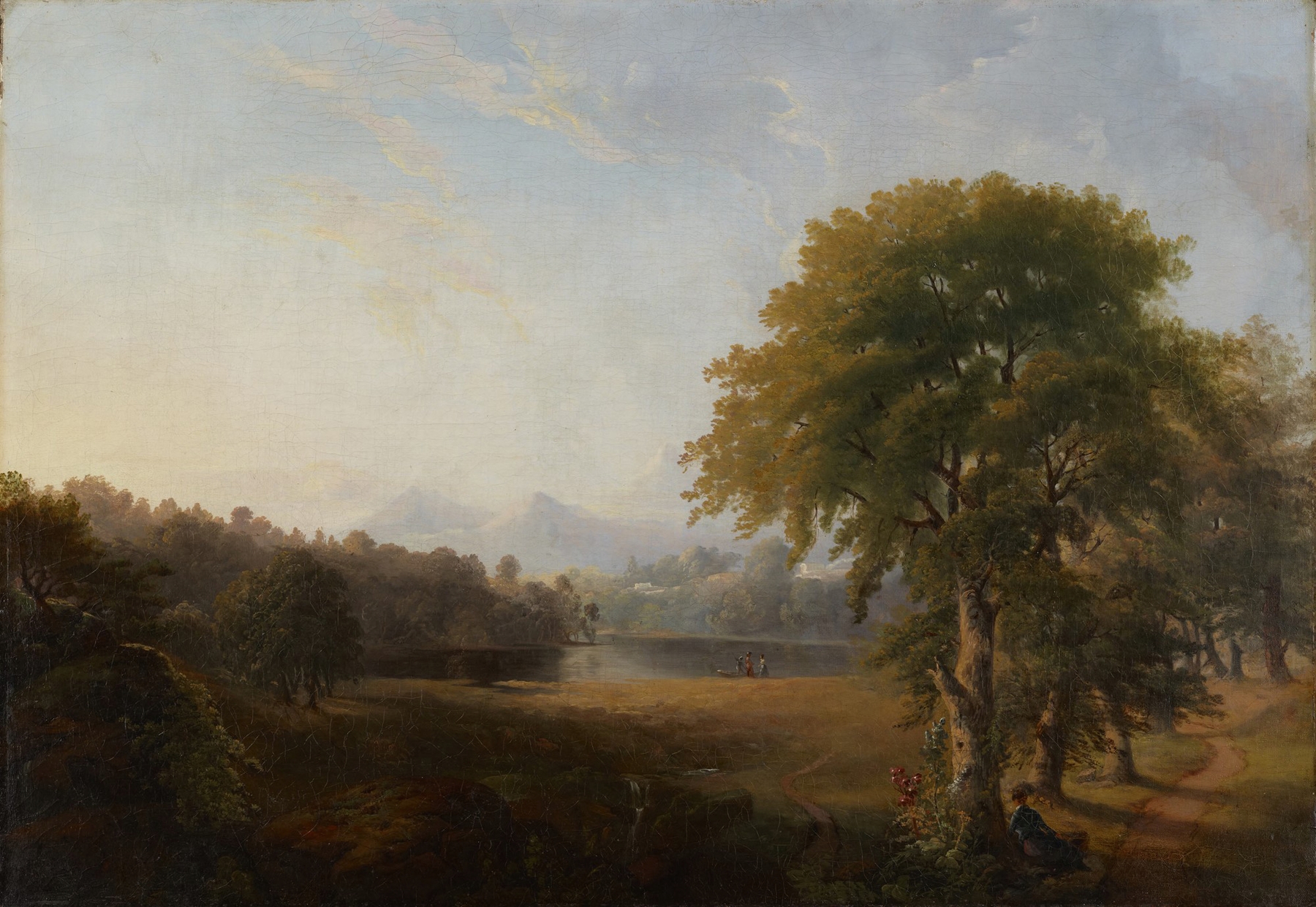
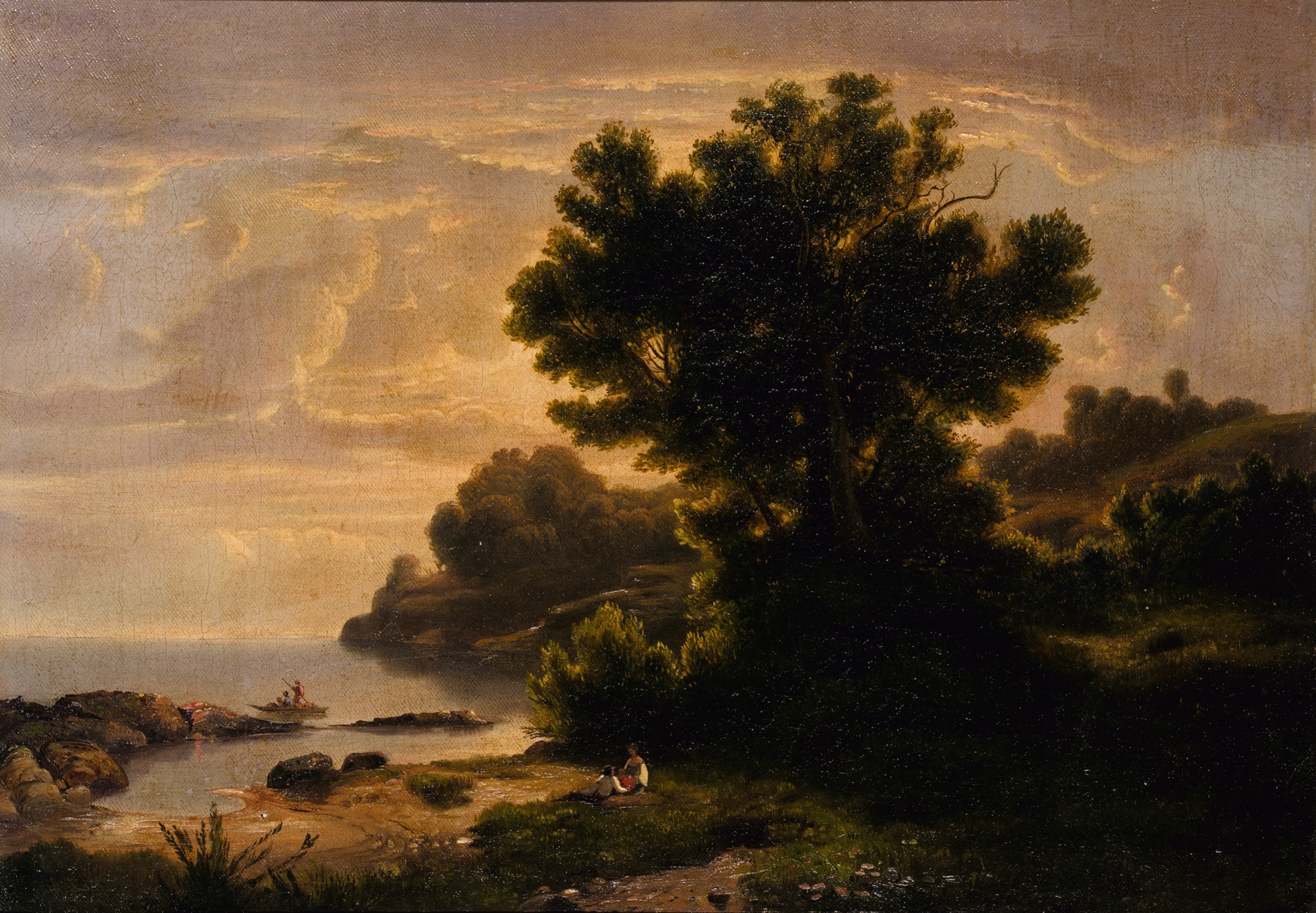
Is this a mirror — or a memory? The Caves beckons us into a world where the depths of nature reflect the complexity of human experience. Focus on the vivid contrasts in the painting. Look to the left, where lush greens entwine with deep shadows, creating an inviting yet mysterious entrance to the caves. Notice how Duncanson masterfully employs light to carve out the forms, illuminating the stalactites that seem to drip with untold stories.
The warm glow suggests a passage, a doorway between reality and the subconscious, inviting viewers to explore what lies within. Delving deeper, the interplay of dark and light speaks to themes of exploration and introspection. The caves can be seen as gateways to our innermost thoughts, while the vibrant colors hint at the beauty and trepidation of discovery. The surrounding landscape, rich with life, juxtaposes against the stillness of the caves, suggesting that even in solitude, one can find connection and understanding.
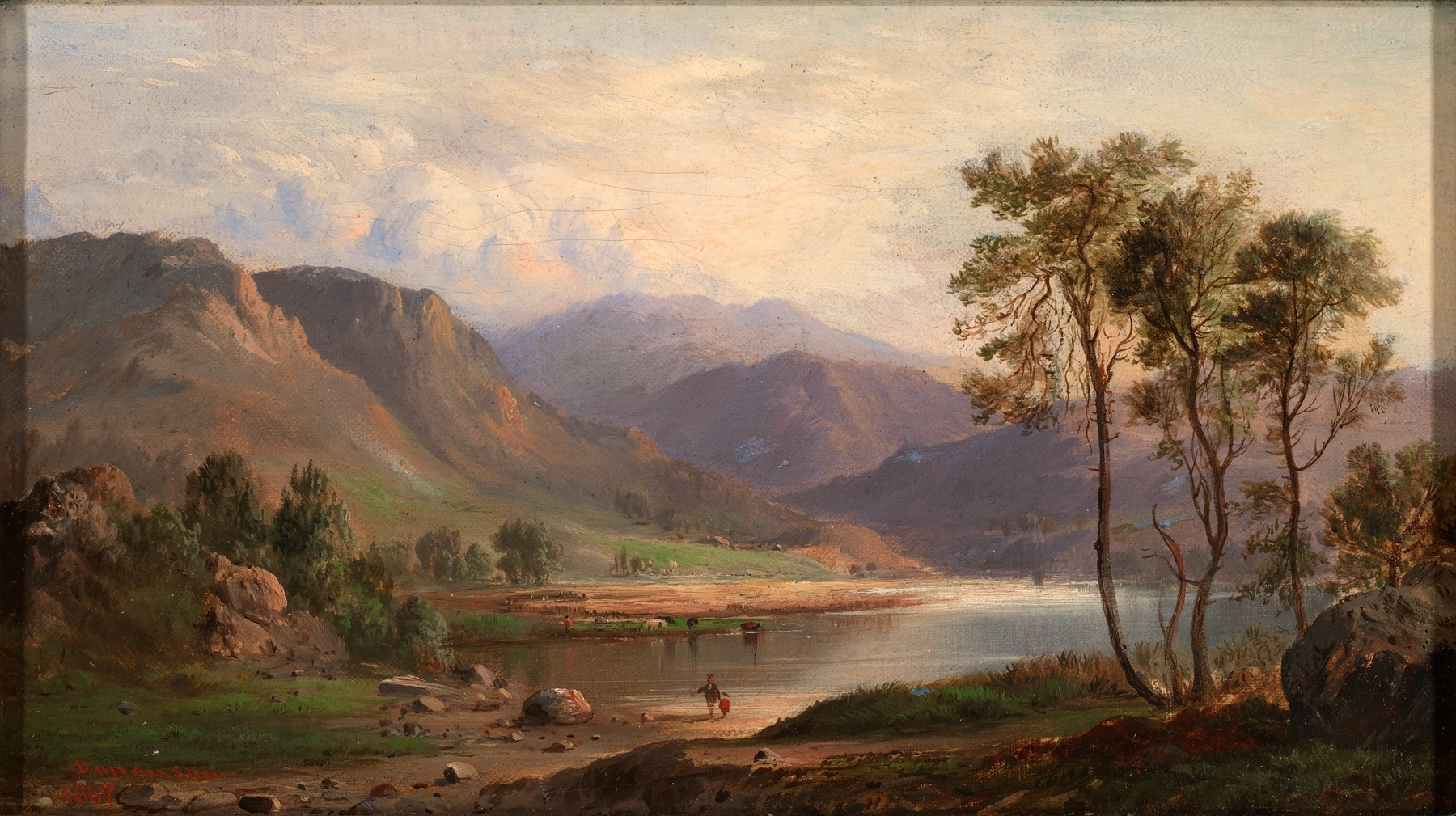
Each brushstroke is a whisper, urging us to confront both the darkness and the light within ourselves. In 1869, Duncanson created this work during a transformative period in American art, where themes of nature and identity began to flourish. Living in Cincinnati, he was part of a burgeoning art scene that embraced Romantic ideals while also confronting contemporary challenges. The artist, an African American painter, drew inspiration from both his heritage and the landscapes around him, merging personal memory with a broader narrative of exploration in a rapidly changing world.