The Cornfield — History & Analysis
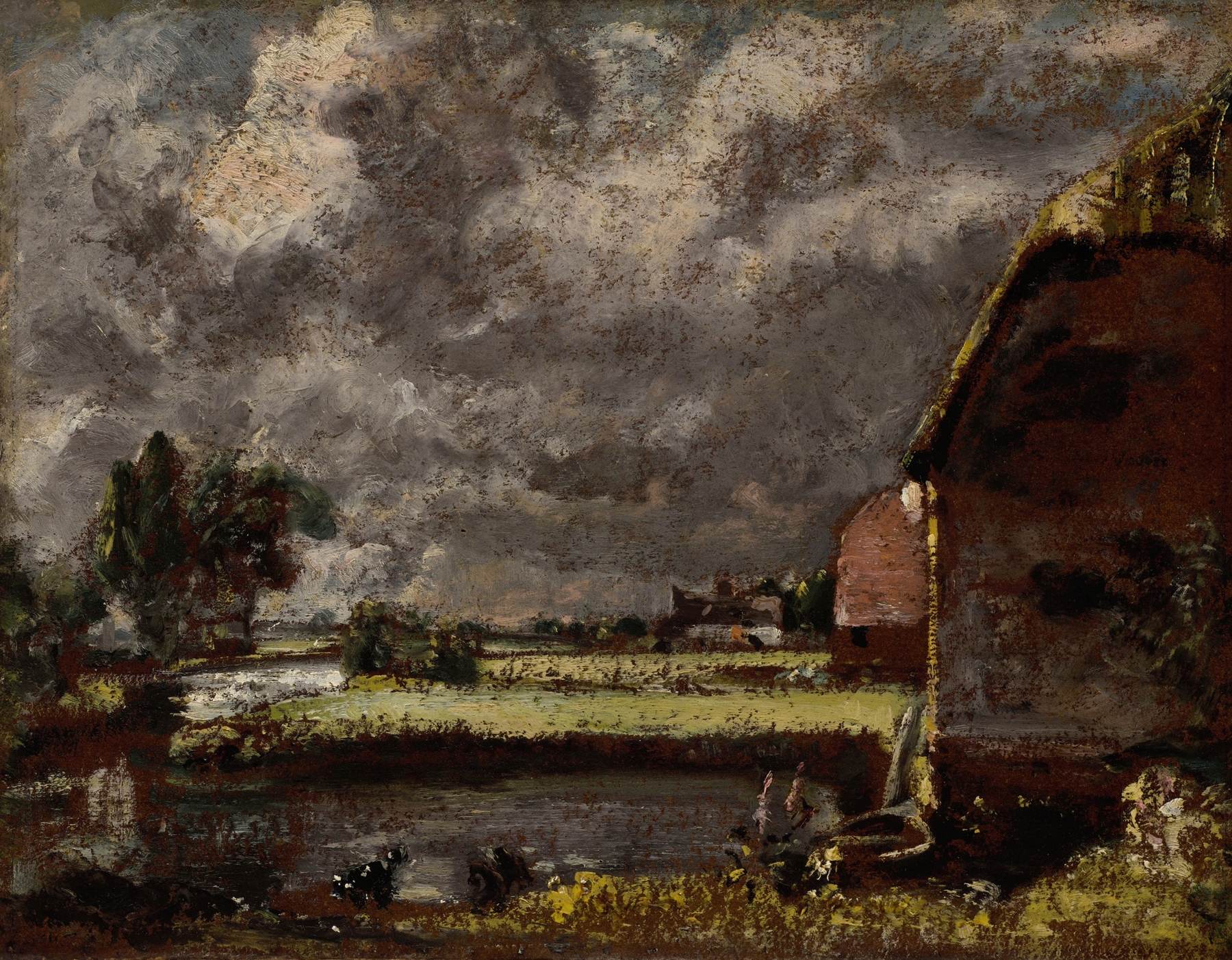
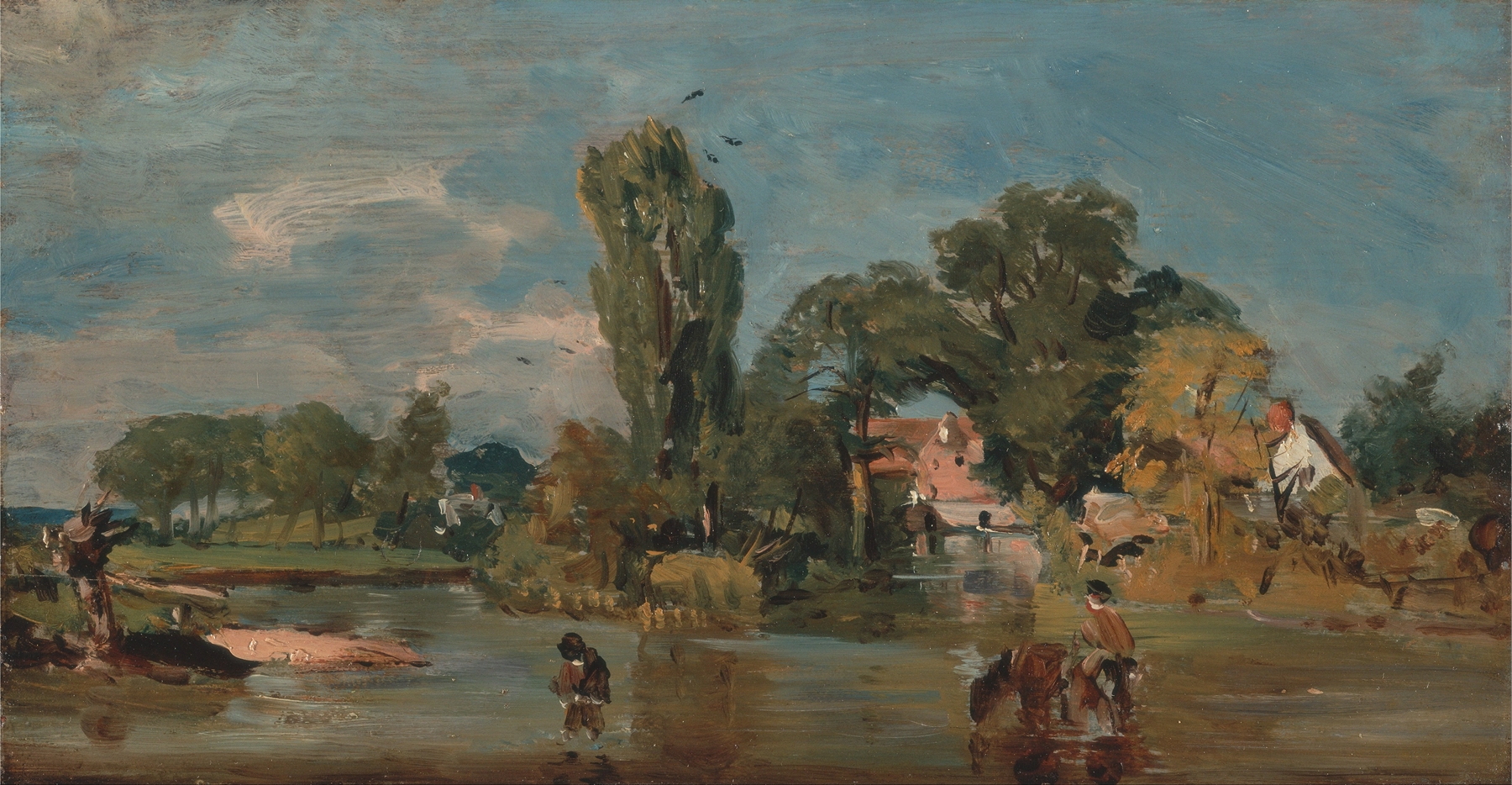
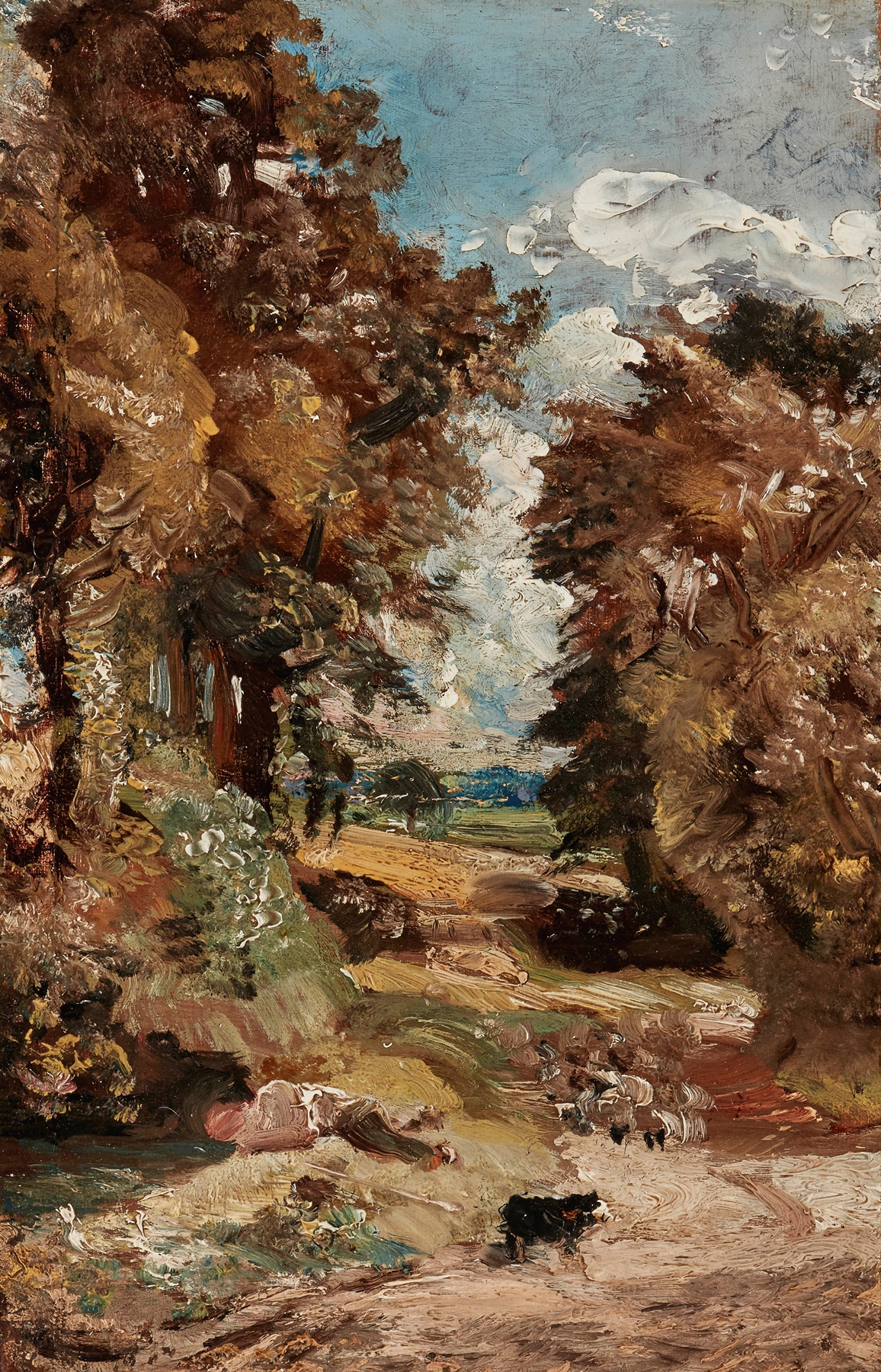
What if beauty was never meant to be finished? In The Cornfield, the stillness of nature whispers a tale of solitude, inviting viewers to contemplate the bittersweet isolation inherent in beauty. Focus on the serene expanse of the field, where lush greens and soft golds harmonize under a gentle sky. The brushstrokes create a rhythmic texture, guiding your gaze across the undulating landscape. Notice how the daylight pours over the scene, casting delicate shadows that suggest movement yet preserve a profound stillness.
The figures, dwarfed by the vastness of the cornfield, hint at an unspoken narrative; their presence evokes a sense of yearning, as if they seek connection within the immensity surrounding them. Delving deeper, the painting reveals layers of emotional tension. The vibrant yet solitary cornfield stands in stark contrast to the minuscule figures, highlighting the vastness of both nature and loneliness. The interplay of light and shadow not only illuminates the scene but also evokes fleeting thoughts of life’s transience.
This is a place where beauty thrives alongside an underlying sense of isolation, reminding us that even in the most picturesque environments, loneliness can linger. In 1816, Constable captured this evocative landscape in his native England, during a time when Romanticism was reshaping the art world. The artist was grappling with personal loss and the struggles of a changing society, seeking solace in the familiar rural scenes he loved. His intimate connection to nature and the emotional weight of his experiences breathe life into the canvas, creating a work that resonates across centuries.