The corvette Najaden in rough seas — History & Analysis
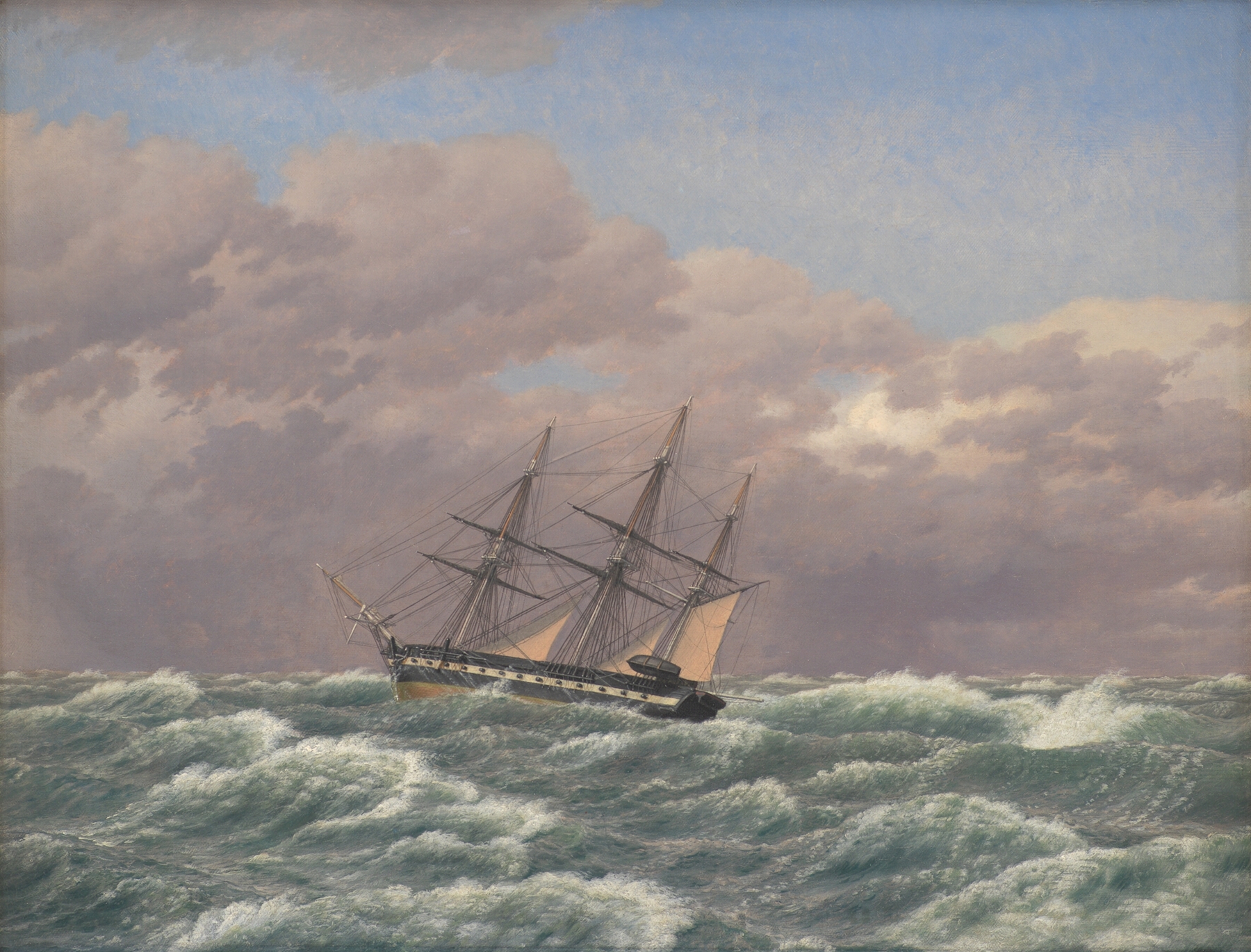
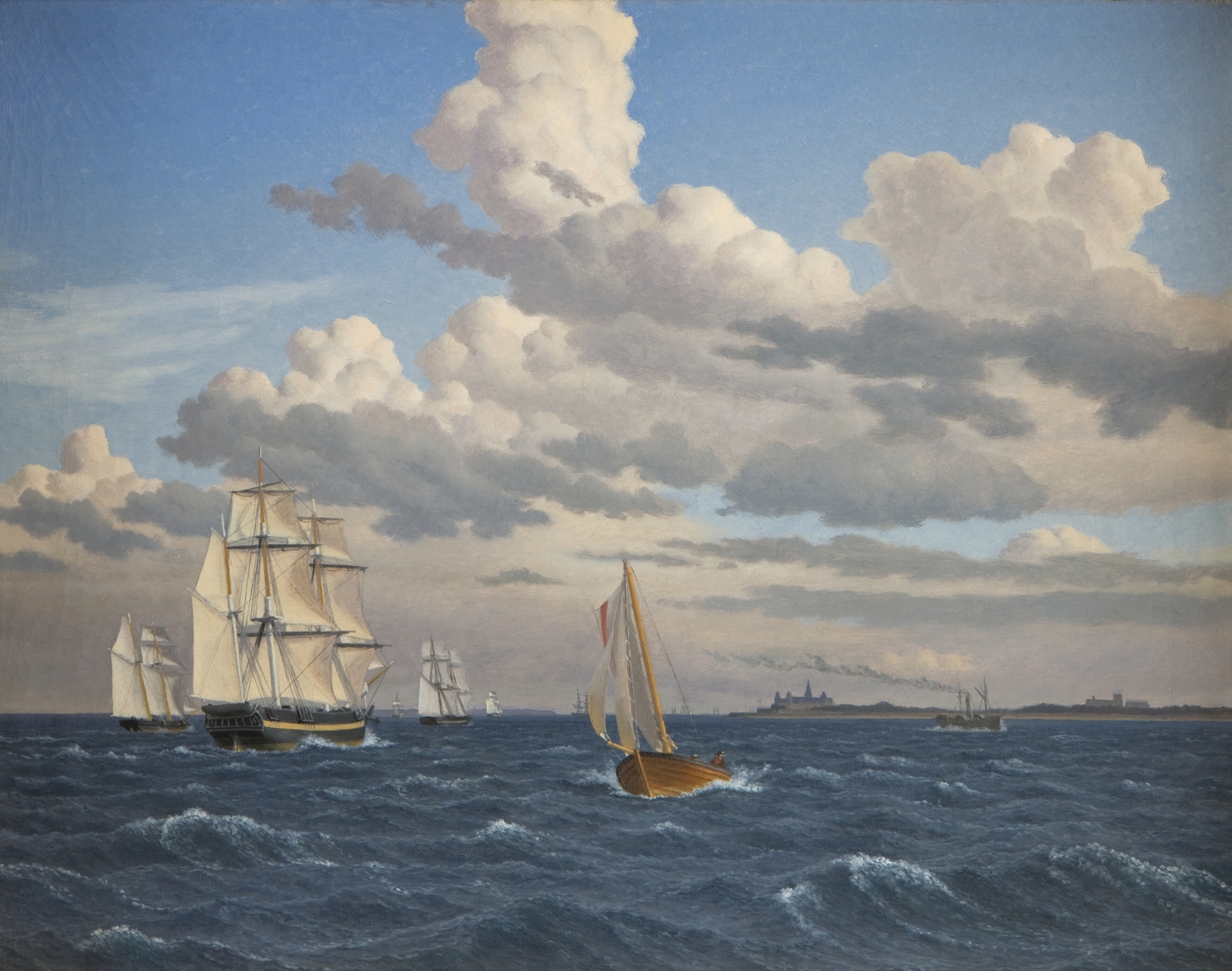
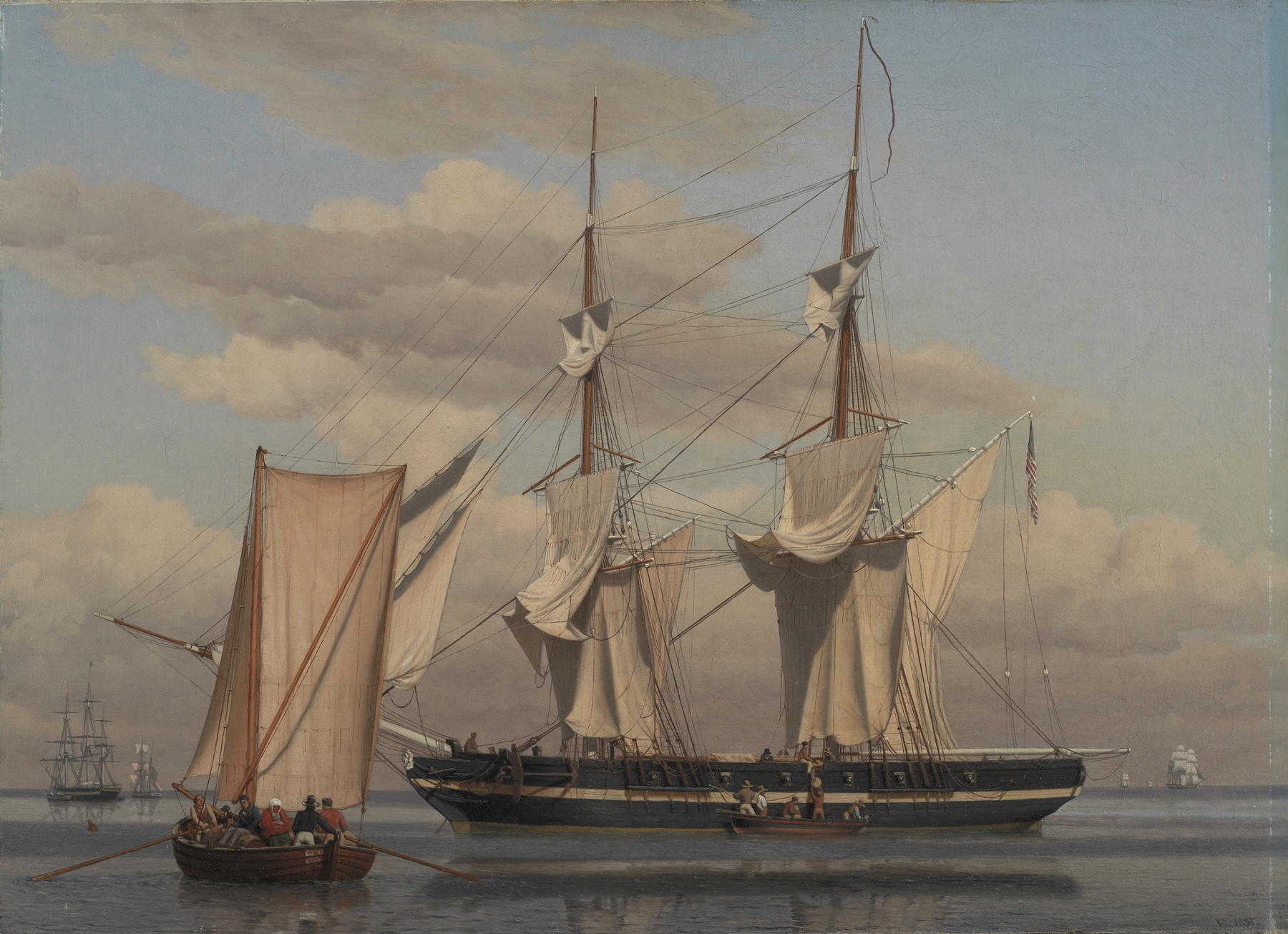
What if beauty was never meant to be finished? In The corvette Najaden in rough seas, that question hangs heavy in the air, swirling like the wild waves that threaten to engulf the vessel. Start by directing your gaze to the tumultuous sea, where frothy whitecaps clash with the deep blue waters. Notice how the waves seem to rise and fall with a life of their own, embodying a chaotic dance that contrasts sharply with the steadfastness of the ship.
The corvette, caught in this tumult, stands defiantly against the elements, its sails taut and billowing, painted with meticulous detail that invites you to study the craftsmanship of every rope and knot. Yet, beneath the surface of this breathtaking spectacle lies a tension between man and nature. The corvette symbolizes human ambition, battling against the unpredictable fury of the ocean, and one can almost sense the madness of the situation—a vessel struggling for dominance over a force that is, by nature, uncontrollable.
The contrast between the vessel's rigid structure and the fluid chaos of the sea speaks to the fragility of human endeavors amidst the vastness of the natural world. In 1833, Christoffer Wilhelm Eckersberg painted this piece during his time in Copenhagen, amidst the burgeoning Romantic movement that celebrated the sublime and the natural. As a pioneering figure in Danish art, Eckersberg sought to capture not only the beauty of nature but also its raw, untamed spirit, reflecting a world grappling with the tension between civilization and the wild.