The Cypresses at the Villa d’este at Tivoli — History & Analysis
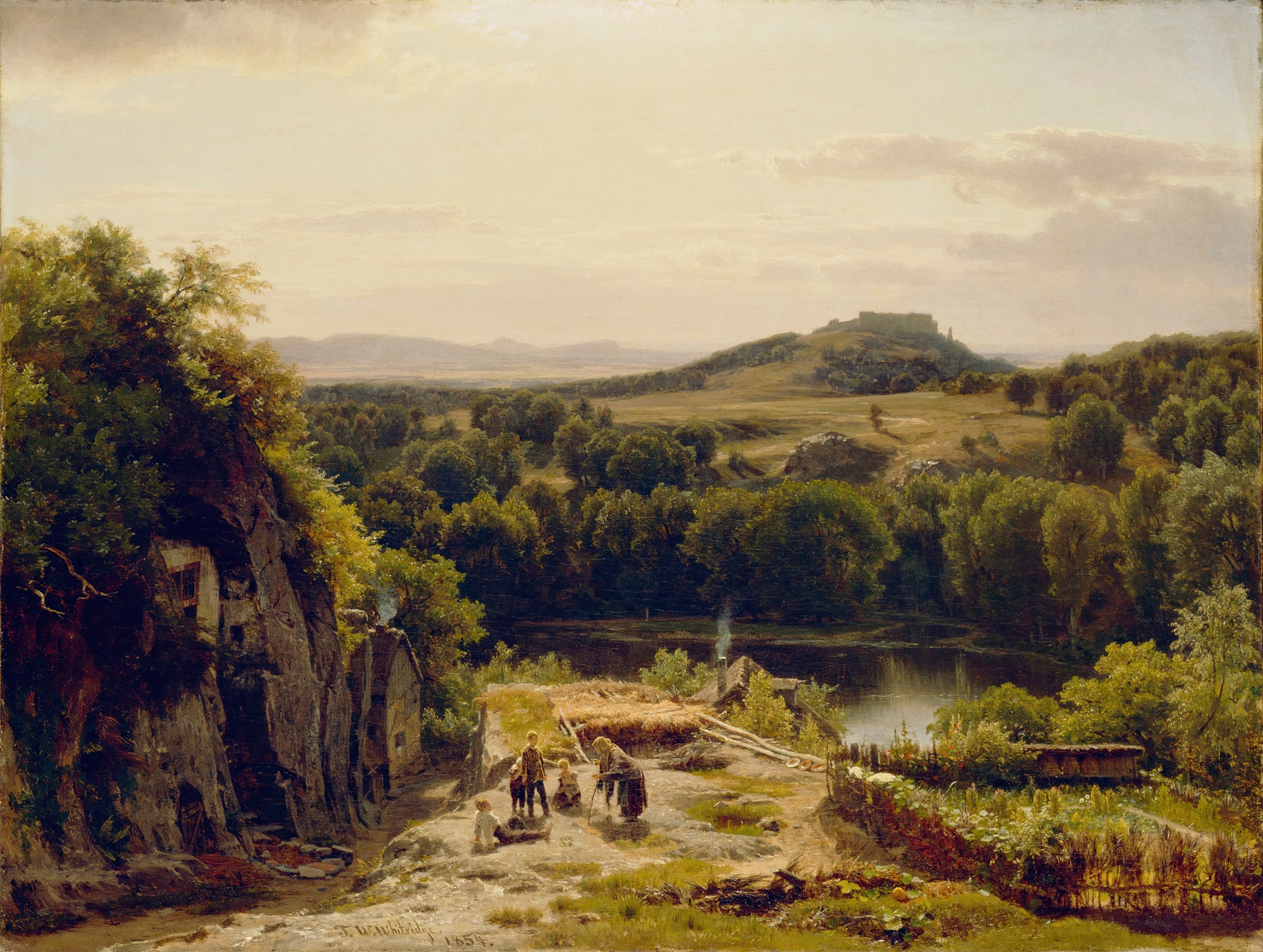
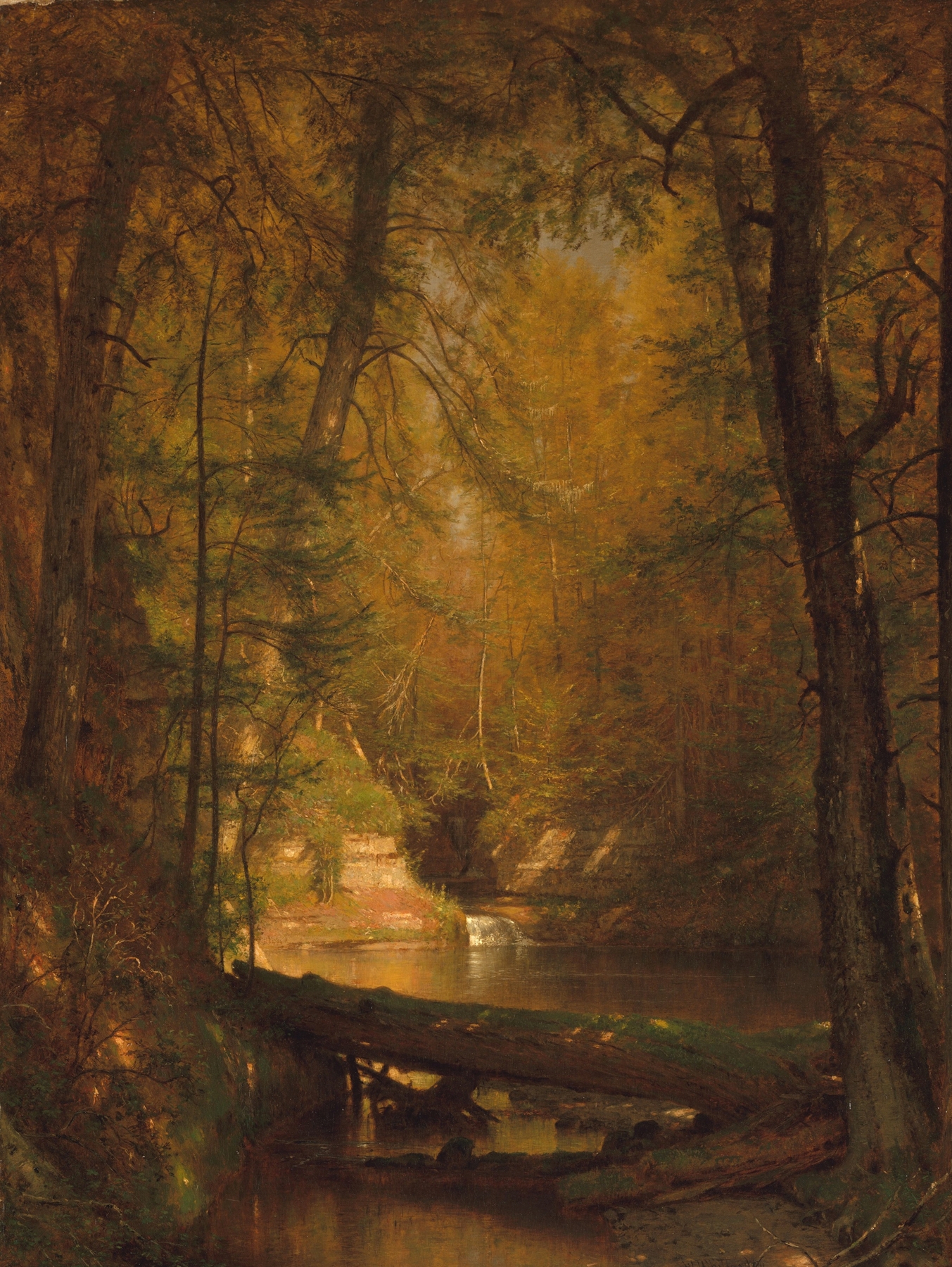
Where does light end, and longing begin? In a world where nature whispers the tales of history, the essence of revolution stirs beneath the surface of tranquil landscapes. Focus on the luminous cypress trees that stand sentinel against the sky, their rich greens contrasting vividly with the warm golden hues of the setting sun. Notice how the light cascades over the villa's terraced gardens, casting gentle reflections on the water's surface.
Each brushstroke breathes life into the scene, creating a dialogue among the elements, where earth meets sky, and stillness frames movement. The painting encapsulates a profound tension between the serenity of nature and the tumultuous human emotions that echo within it. The cypress trees, often symbolic of mourning, suggest a longing for the past, while the inviting pathways beckon viewers to engage with the beauty ahead. The gentle play of light and shadow reveals a hidden narrative; one that invites contemplation on the relationships between humanity and the natural world, as well as the quiet revolutions that occur within both.
In 1856, the artist was in the vibrant context of mid-19th century America, a time filled with artistic exploration and burgeoning cultural identities. Whittredge, residing in the Hudson River School tradition, painted this piece while traveling through Europe, where he sought to blend the romantic splendor of landscapes with a distinct American sensibility. This work reflects not only his personal journey but also an era on the brink of transformation, as the arts began to mirror the shifting tides of society.