The Dutch Whaling Fleet — History & Analysis
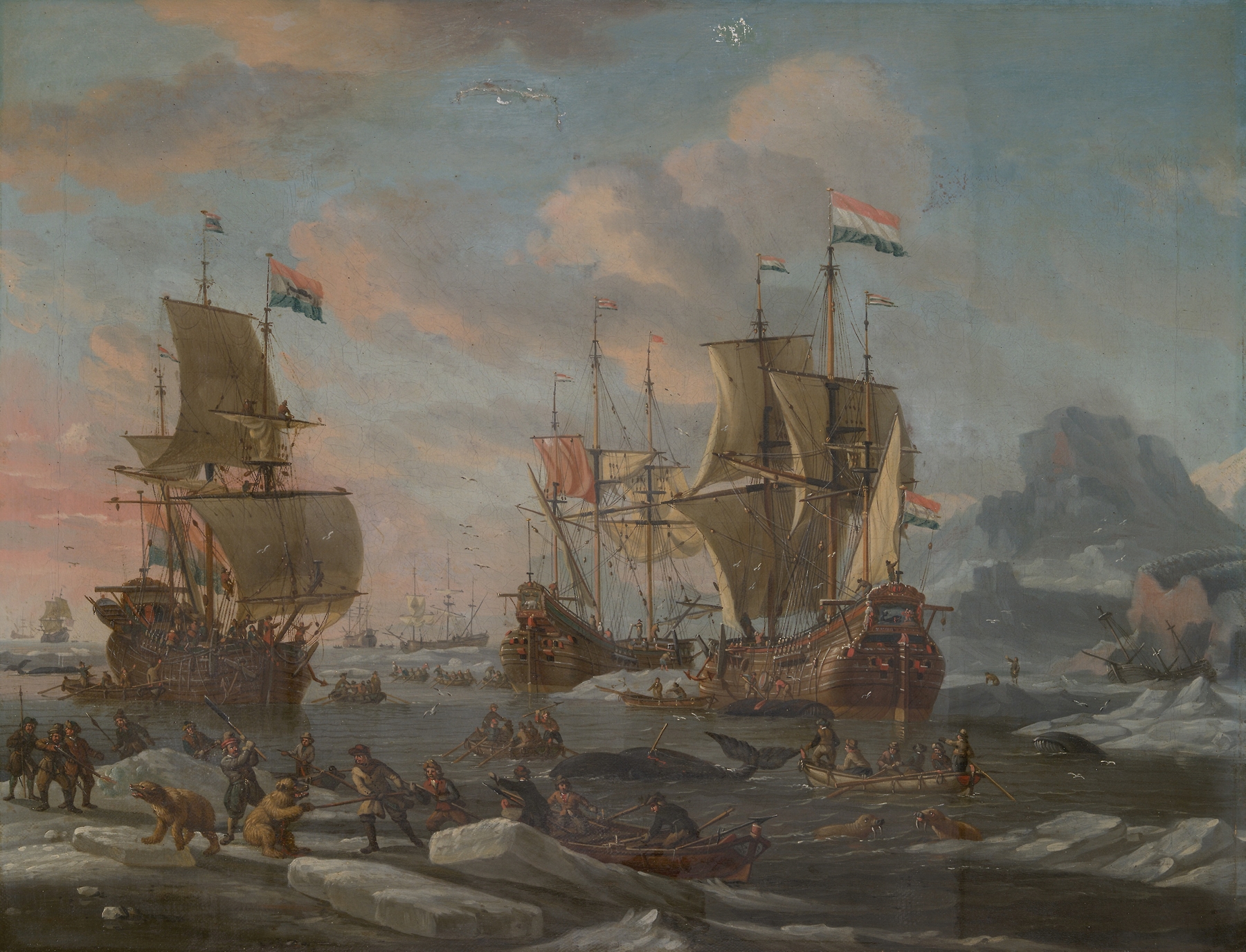
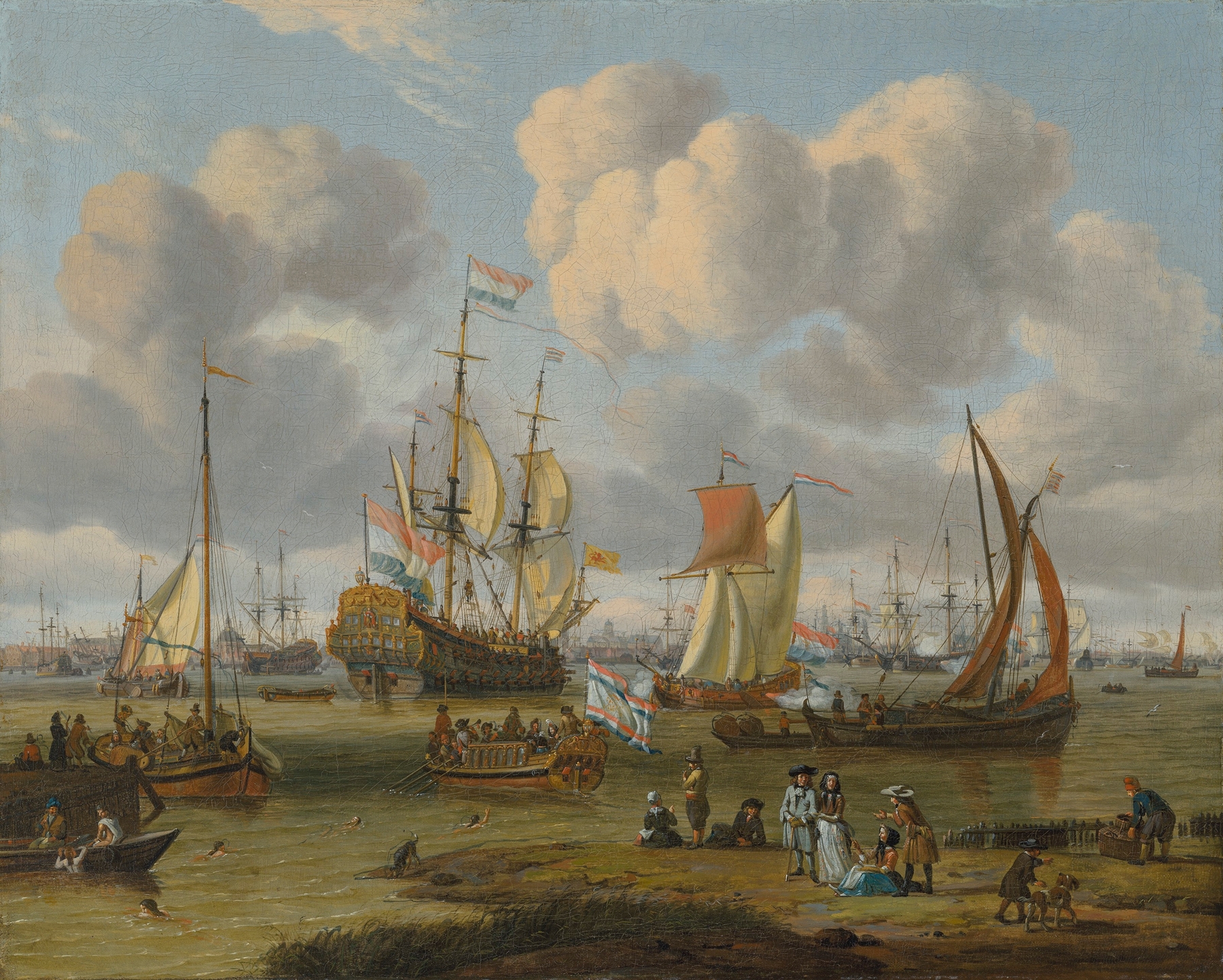
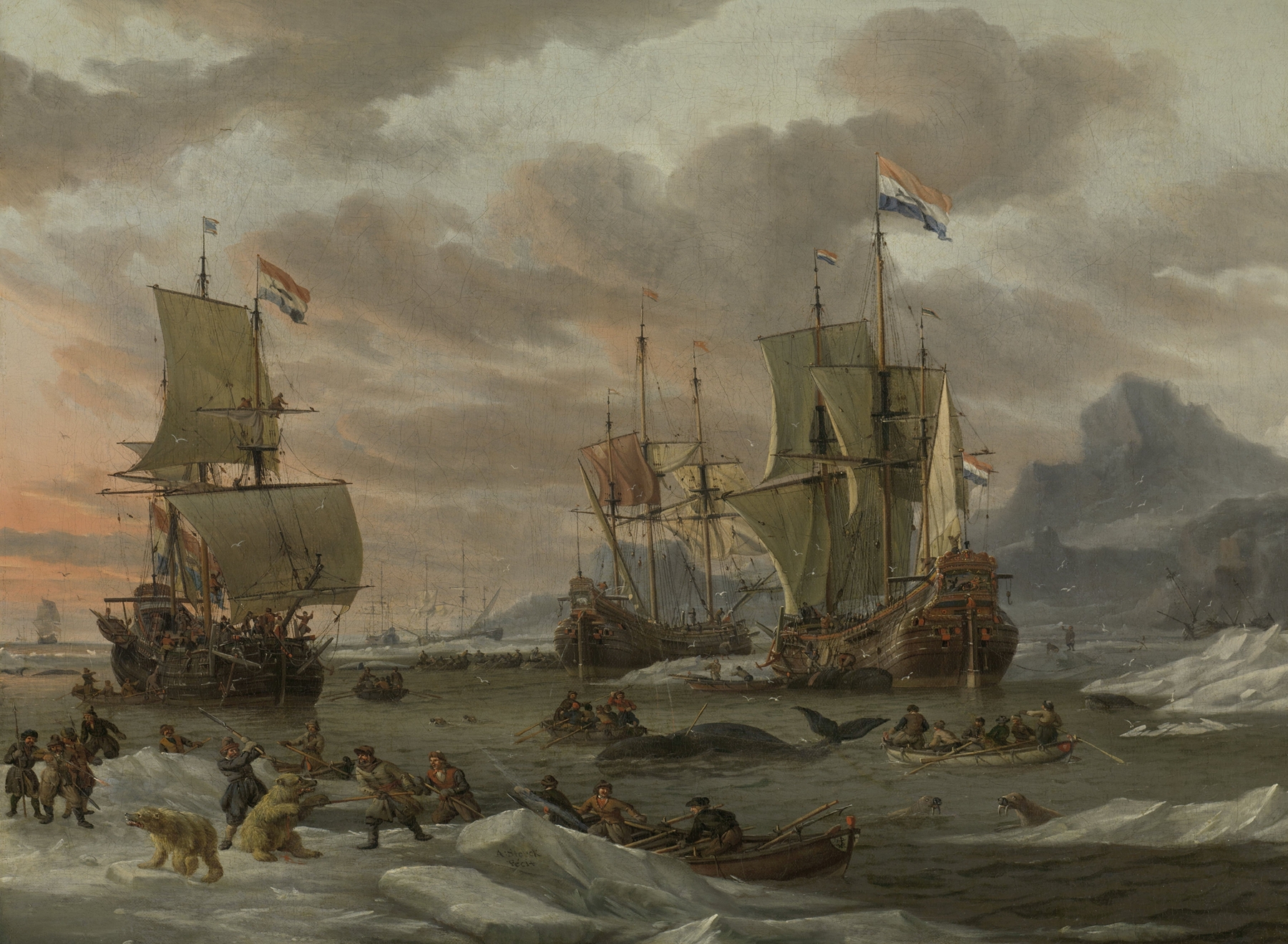
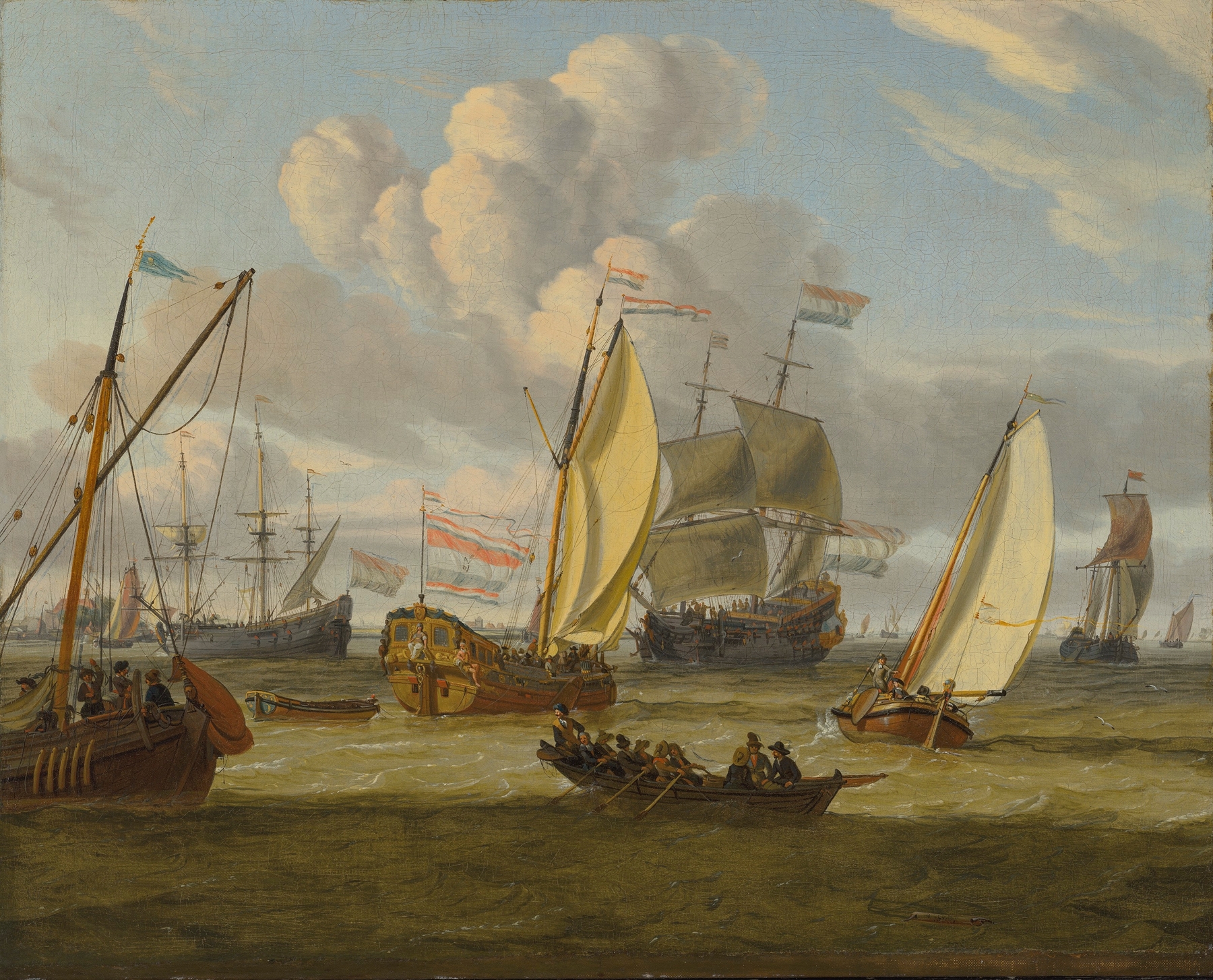
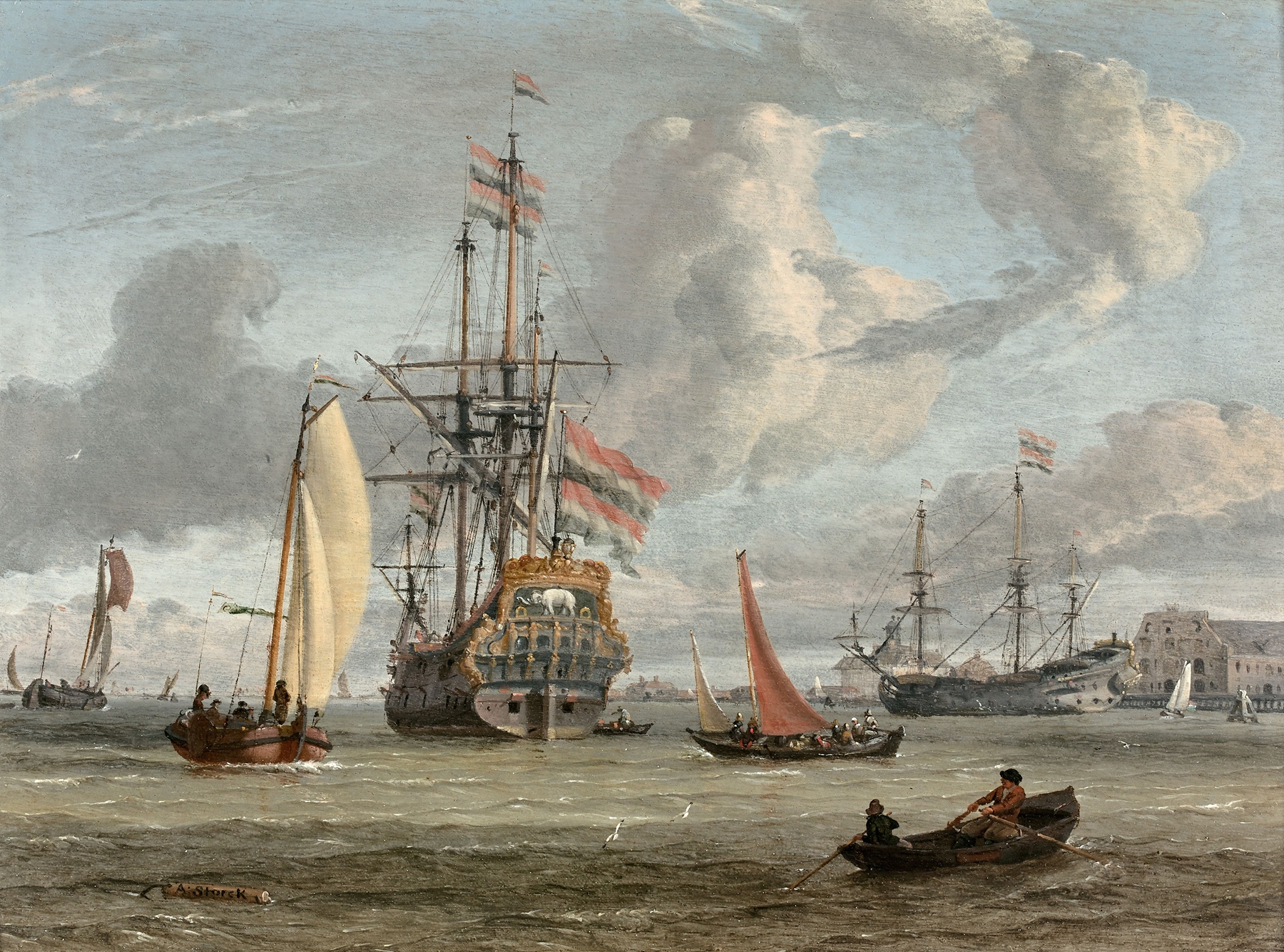
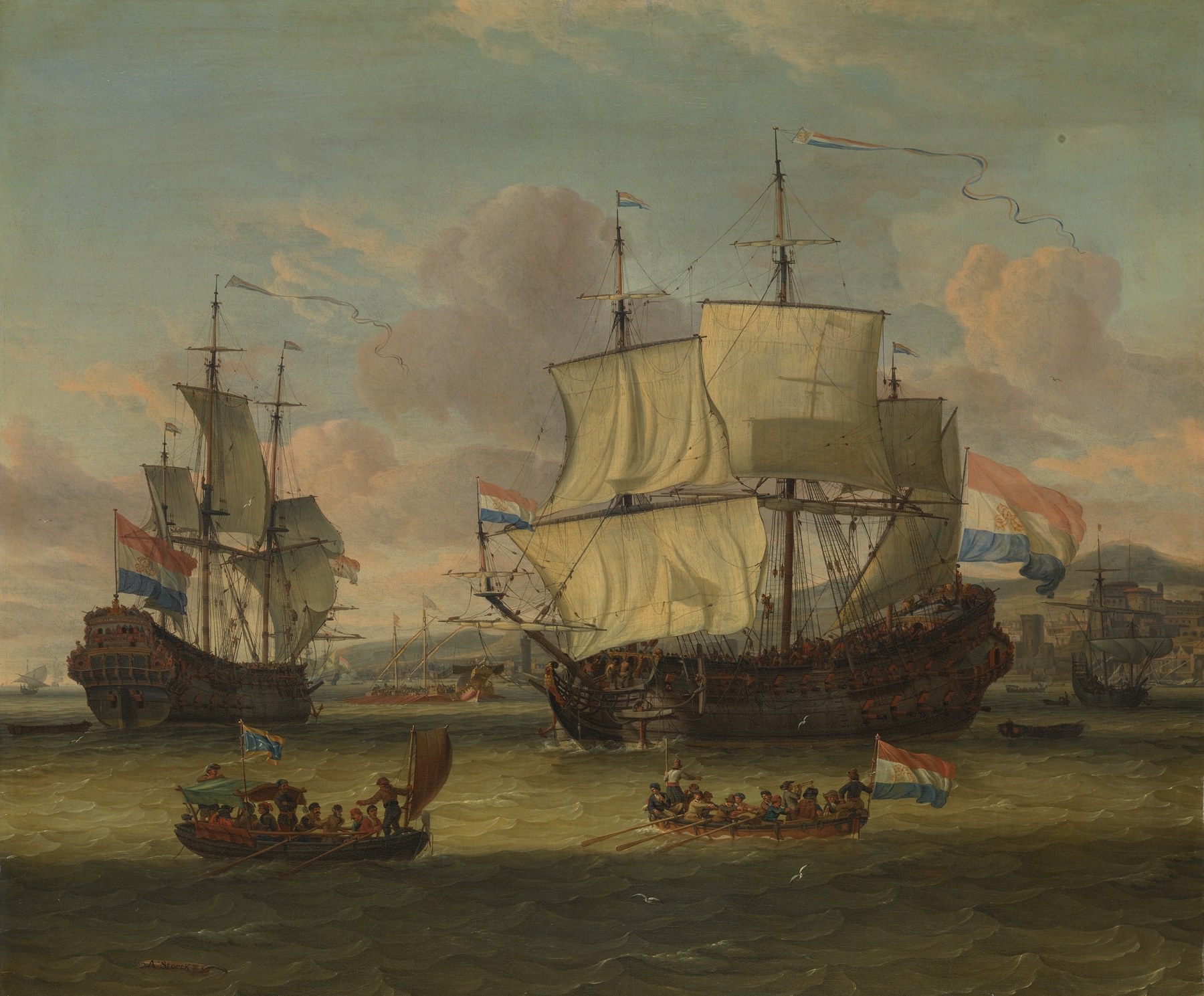
What secret hides in the quiet of the canvas? In The Dutch Whaling Fleet, tranquility envelops the scene, inviting contemplation of human endeavor and nature’s majesty. Look to the left at the gently swaying boats, their hulls painted in muted earth tones that harmonize with the horizon. Notice how the soft blue of the sky gradually deepens, mirroring the coolness of the surrounding waters, while billowing clouds dance lightly above.
The artist employs delicate brushstrokes to capture the serene movement of the waves, each ripple reflecting a world at ease, yet engaged in a precarious pursuit. Beneath this calm surface lies a tension between man and nature. The whalers’ vessels, although sturdy, seem dwarfed by the vastness of the ocean, reminding us of humanity’s fragile place in the grand tapestry of life. Amidst the scene, the figures appear absorbed in their task, embodying determination and resignation, as they traverse the fine line between livelihood and the looming threat of nature’s unpredictability.
The overall palette suggests a fleeting moment of peace before the storms of commerce and conflict inevitably return. Abraham Storck painted this work around 1695, during a time when the Dutch Republic was a dominant maritime power. The whaling industry was burgeoning, reflecting the country’s economic ambitions and the dangers that came with it. Storck, emerging from the Baroque tradition, often captured maritime life and moments of stillness amid action, illustrating not just the beauty of the sea but also its inherent challenges.