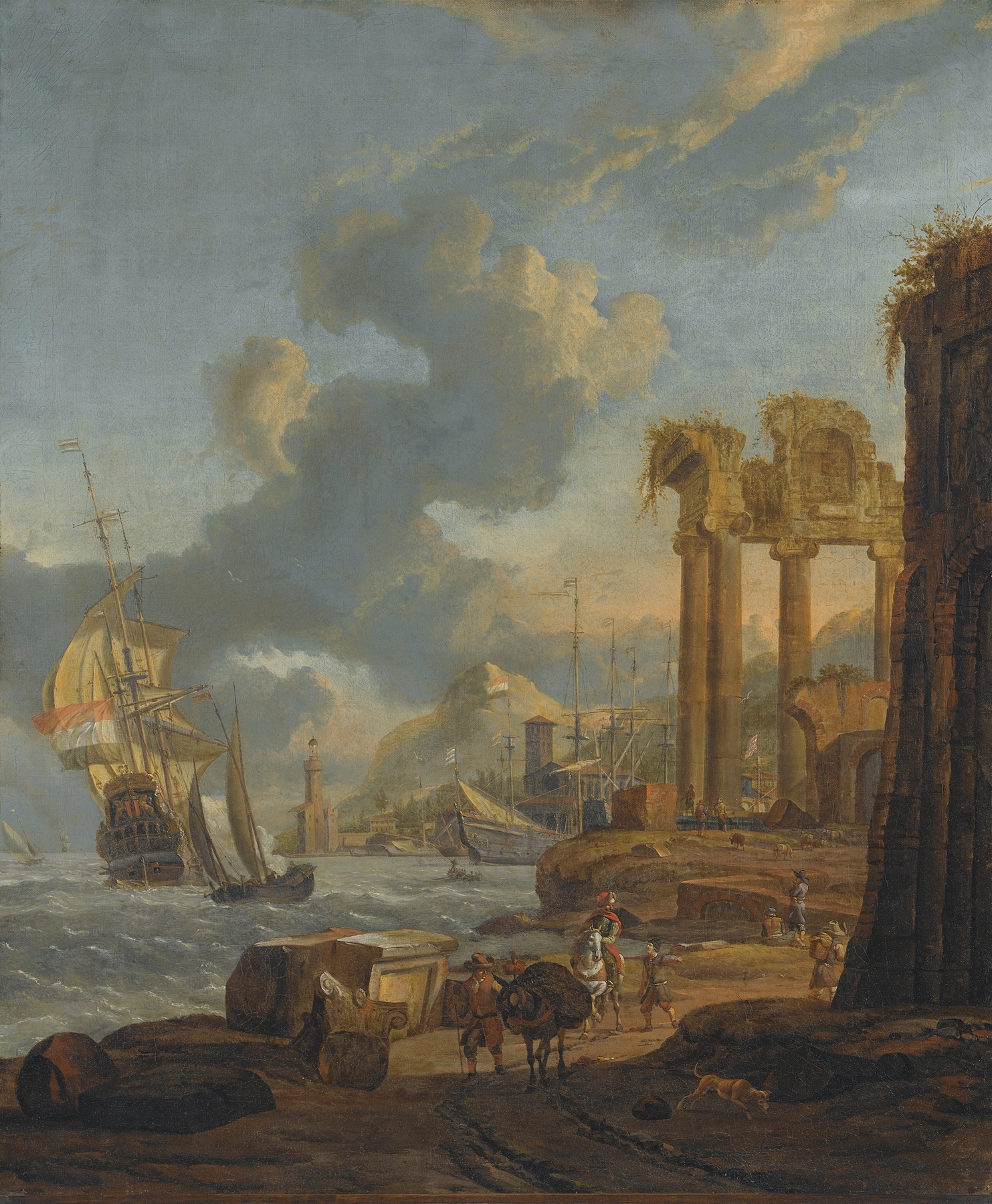
Dutch street sailors at a harbor on the Mediterranean — History & Analysis
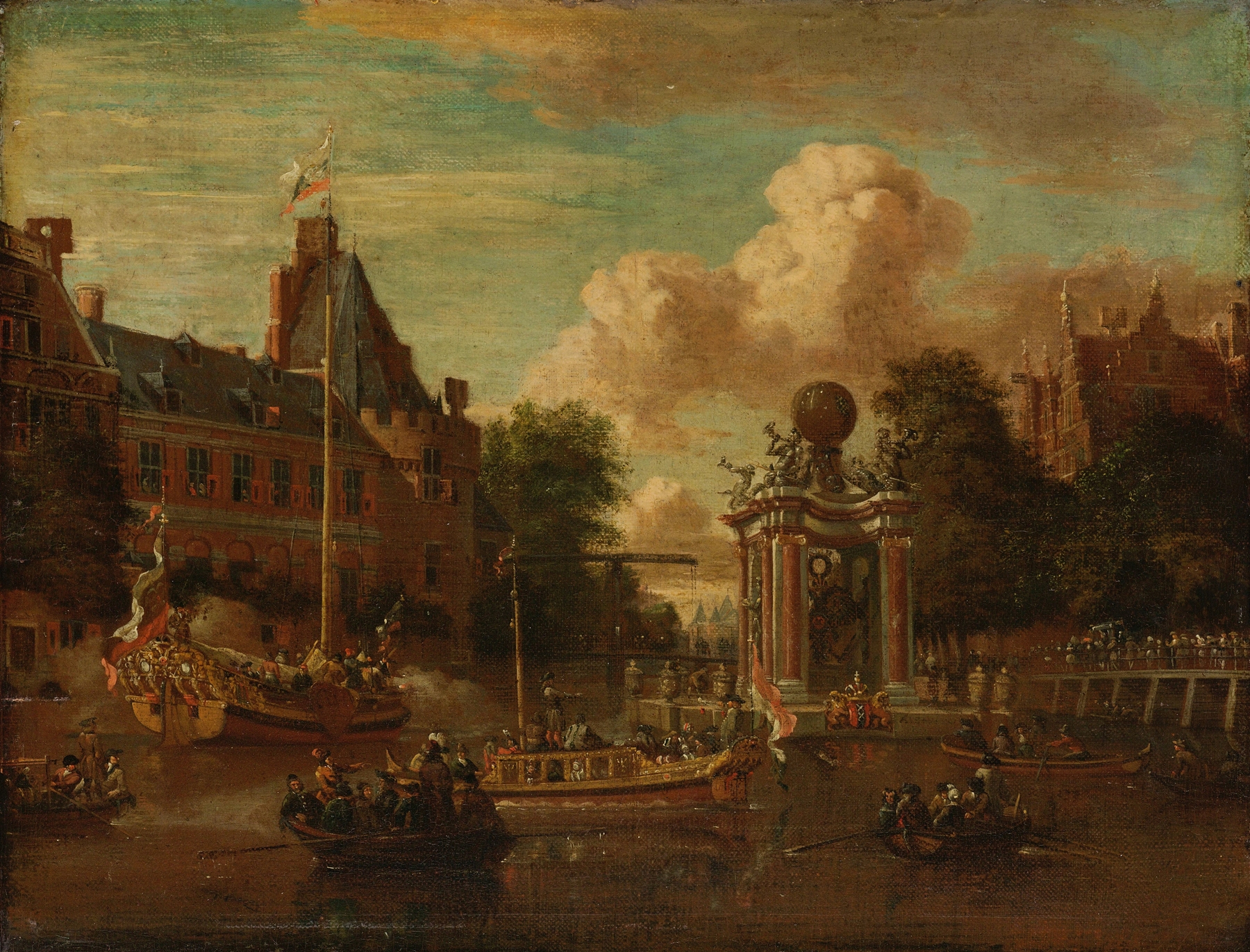
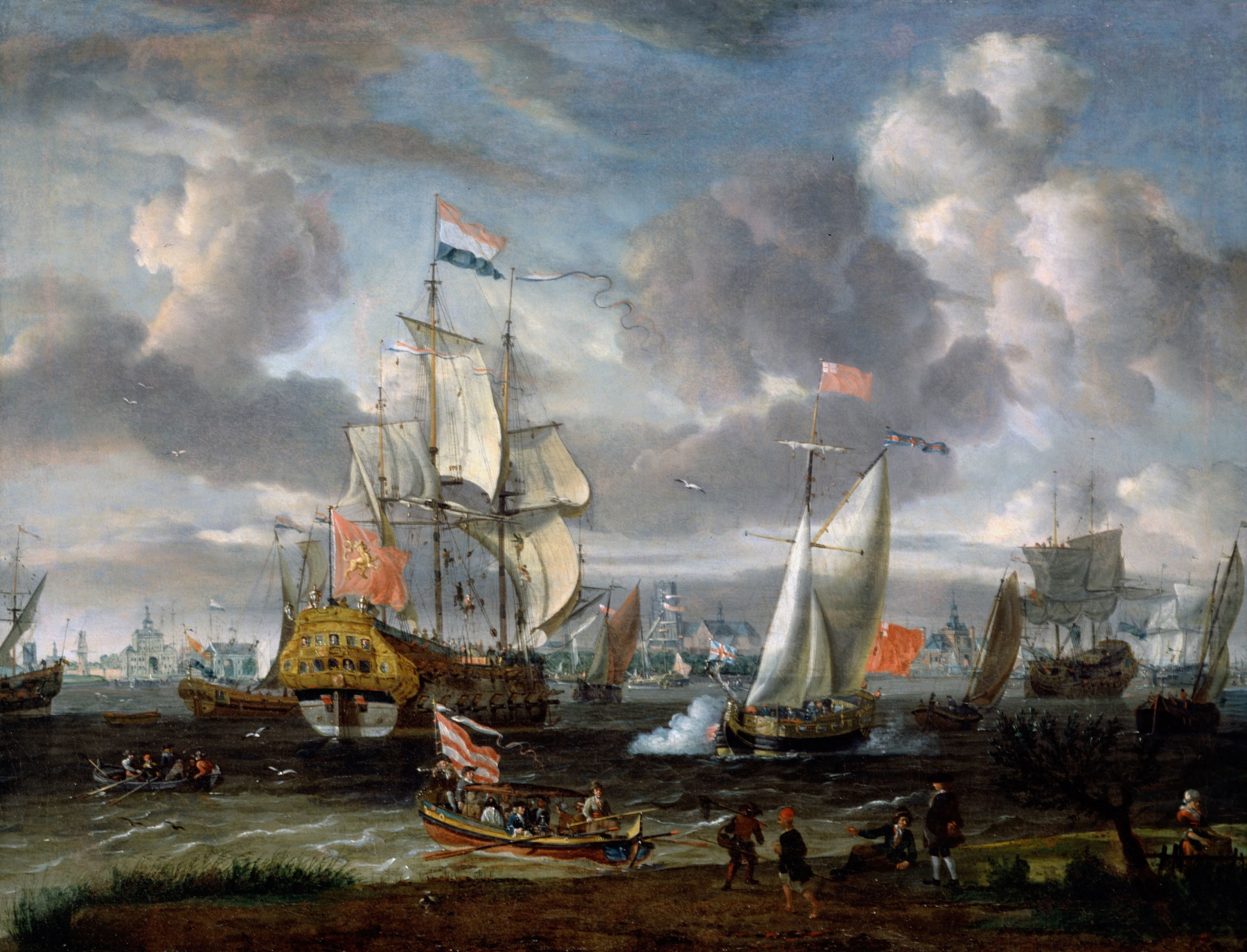
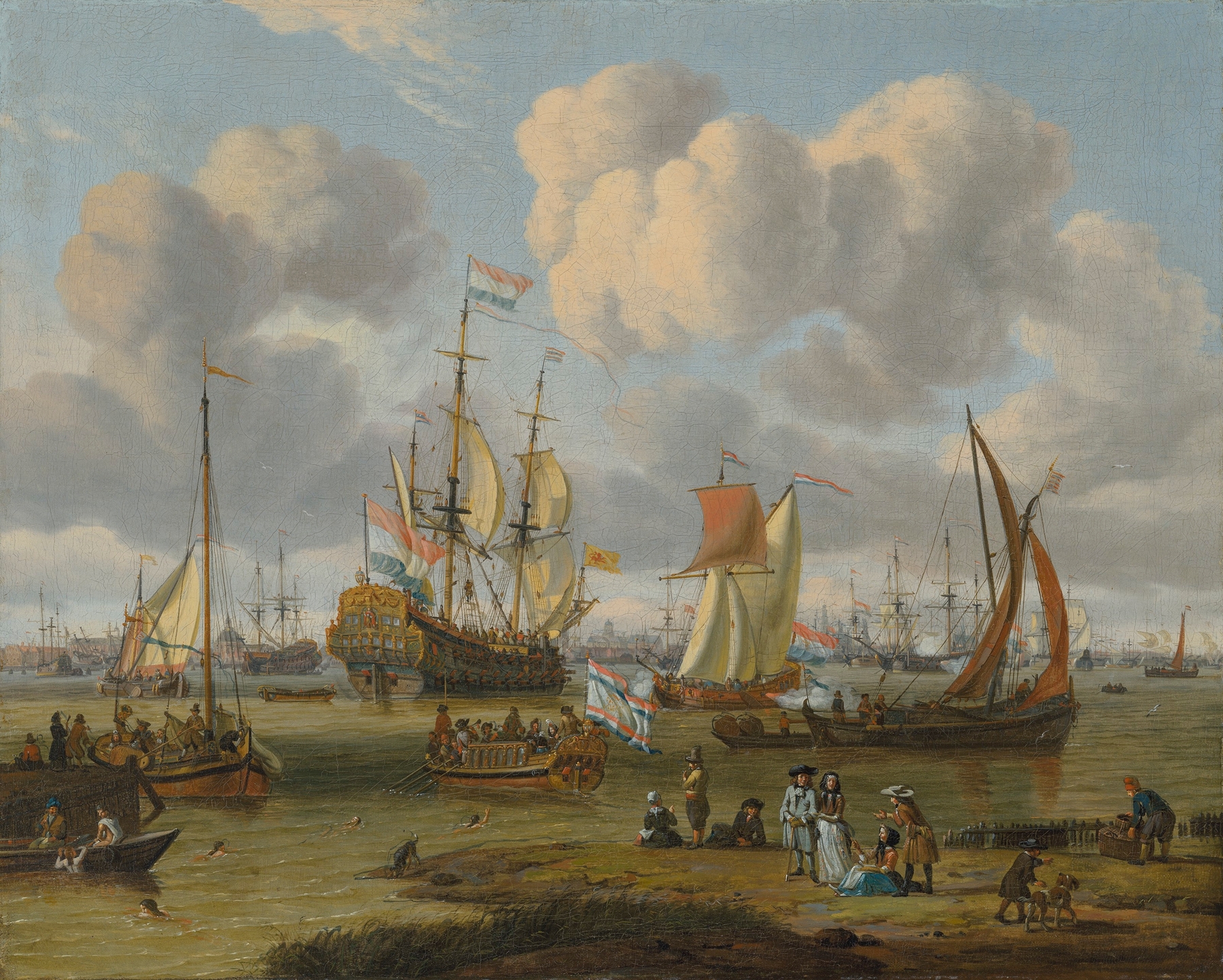
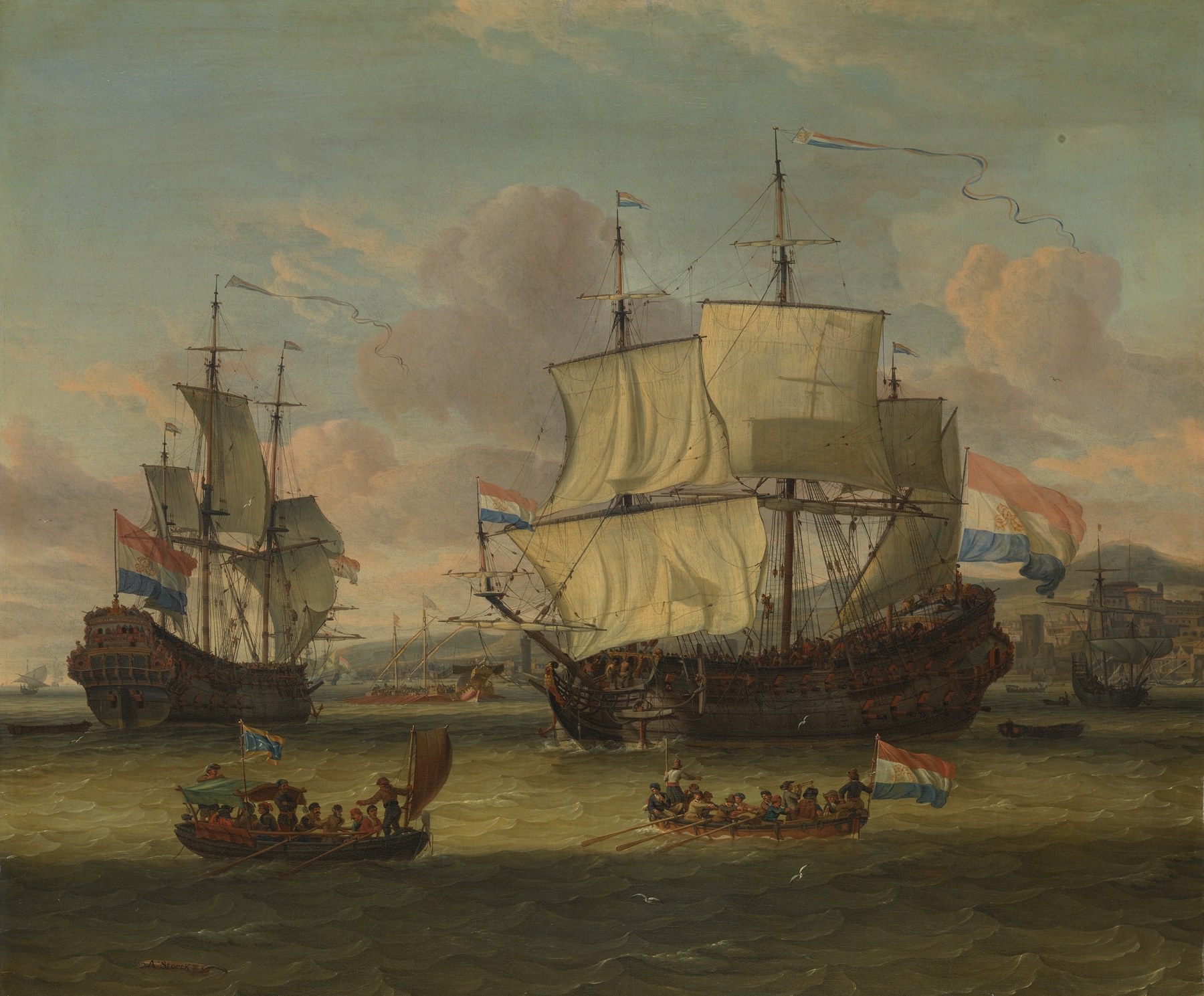
“Art reveals the soul when the world turns away.” In the canvas, truth unfurls amidst the bustling life of a harbor, where sailors exchange stories and secrets, embodying the very essence of their trade and existence. Focus on the center of the painting, where the vivid reds and deep blues of the sailors' attire draw your eye, contrasting beautifully against the sunlit Mediterranean waters. Notice how Storck captures the interplay of light—its golden hue bathing the figures in warmth, suggesting camaraderie and shared experiences. The gentle ripples of the sea reflect the sky’s azure, creating a harmonious palette that signifies the connection between man and nature.
Yet, beneath the surface, hidden tensions emerge. The sailors, while engaged in lively discourse, seem to harbor unspoken dreams and frustrations, their gestures animated yet tinged with a subtle melancholy. Small details, like the ruggedness of their hands and the weariness etched on their faces, hint at lives shaped by the sea’s unpredictability. These contrasts unveil a deeper narrative of longing and resilience, evoking empathy and connection.
Abraham Storck painted this work during the latter part of the 17th century, a time of prosperity for the Dutch maritime trade. Living in Amsterdam, Storck was immersed in a world where commerce thrived, yet the backdrop of political tension and exploration loomed large. This painting reflects not only the vibrant life of the harbor but also the complex history that surrounded Dutch sailors as they ventured across uncharted waters.