The Four Days’ Battle — History & Analysis
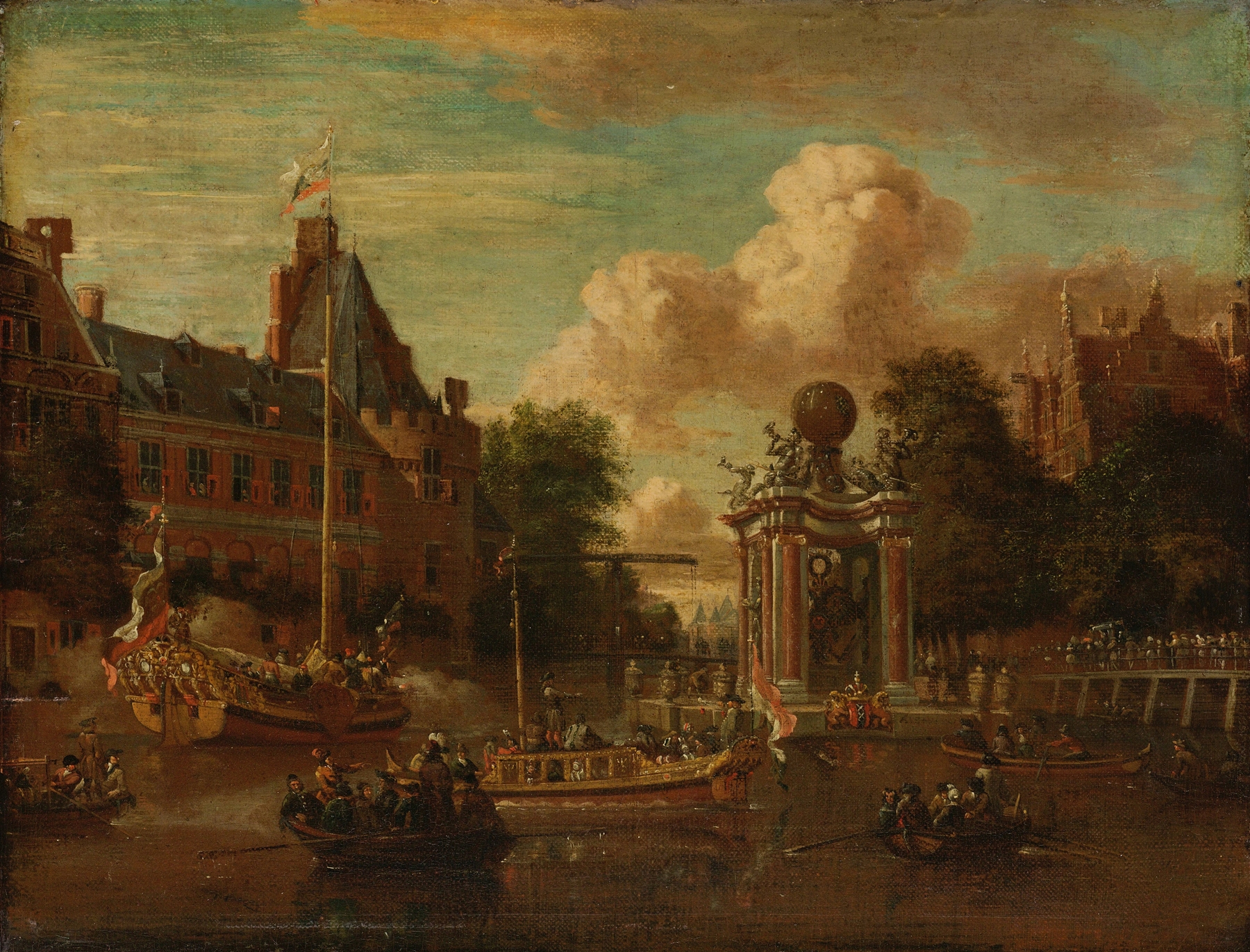
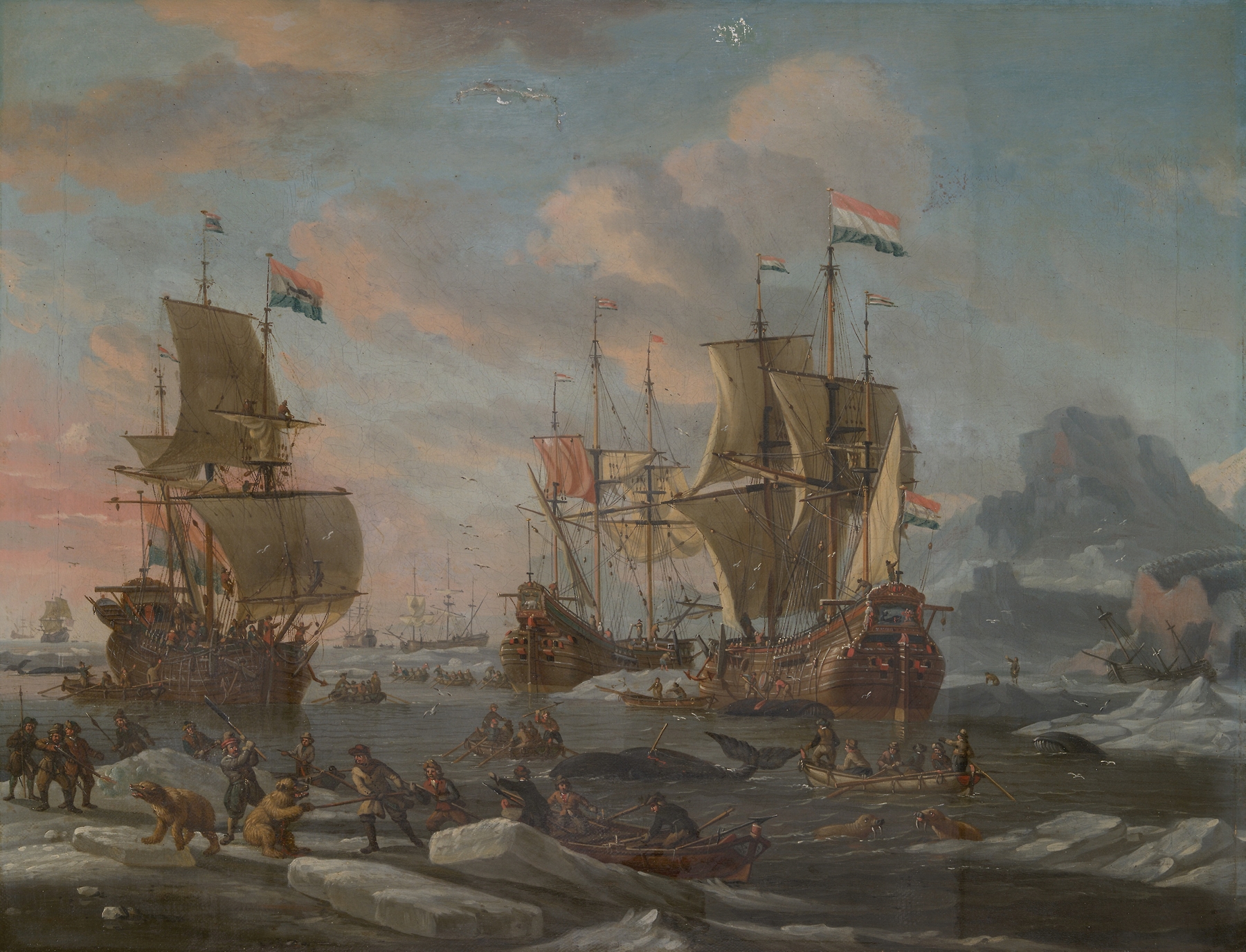
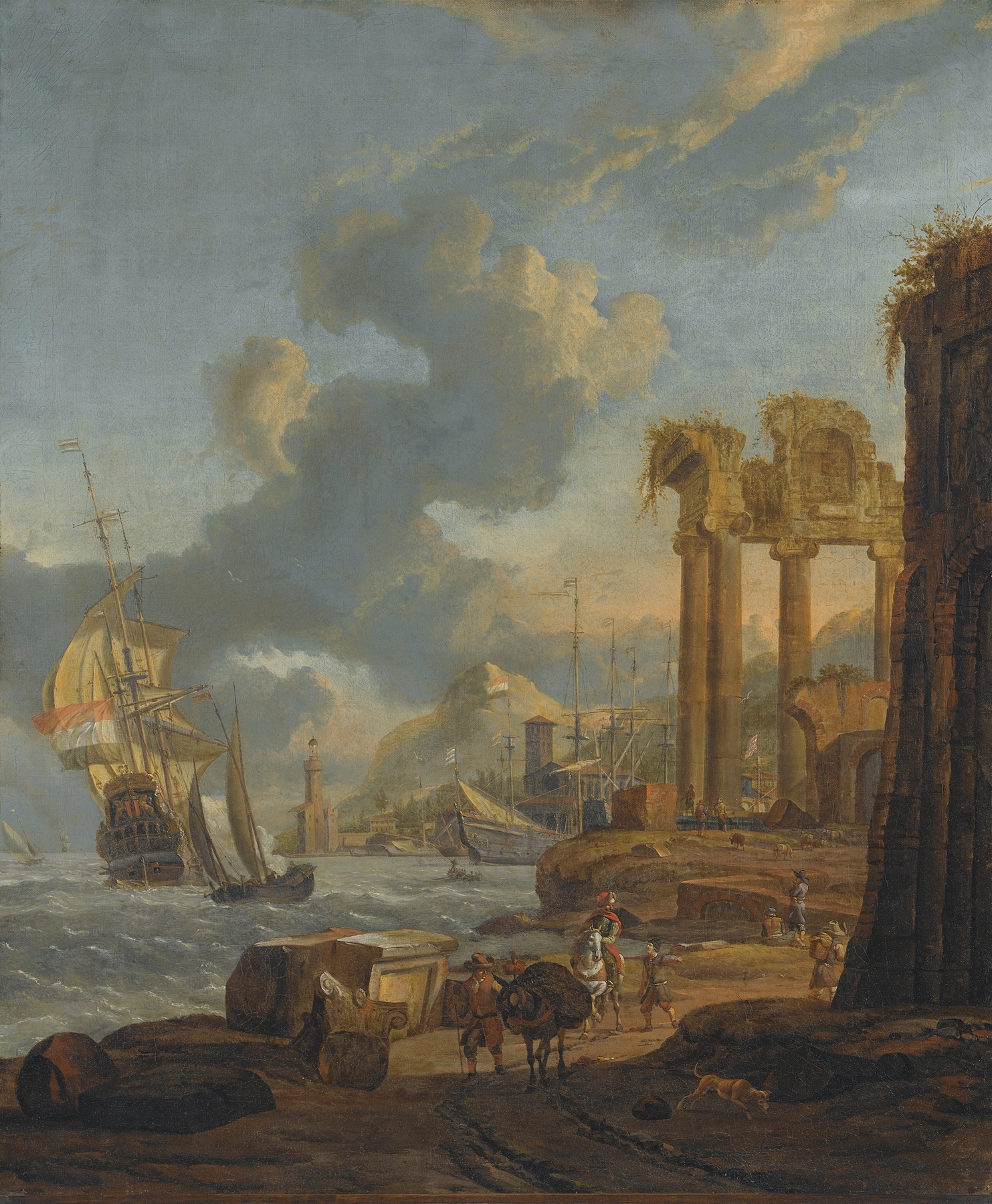
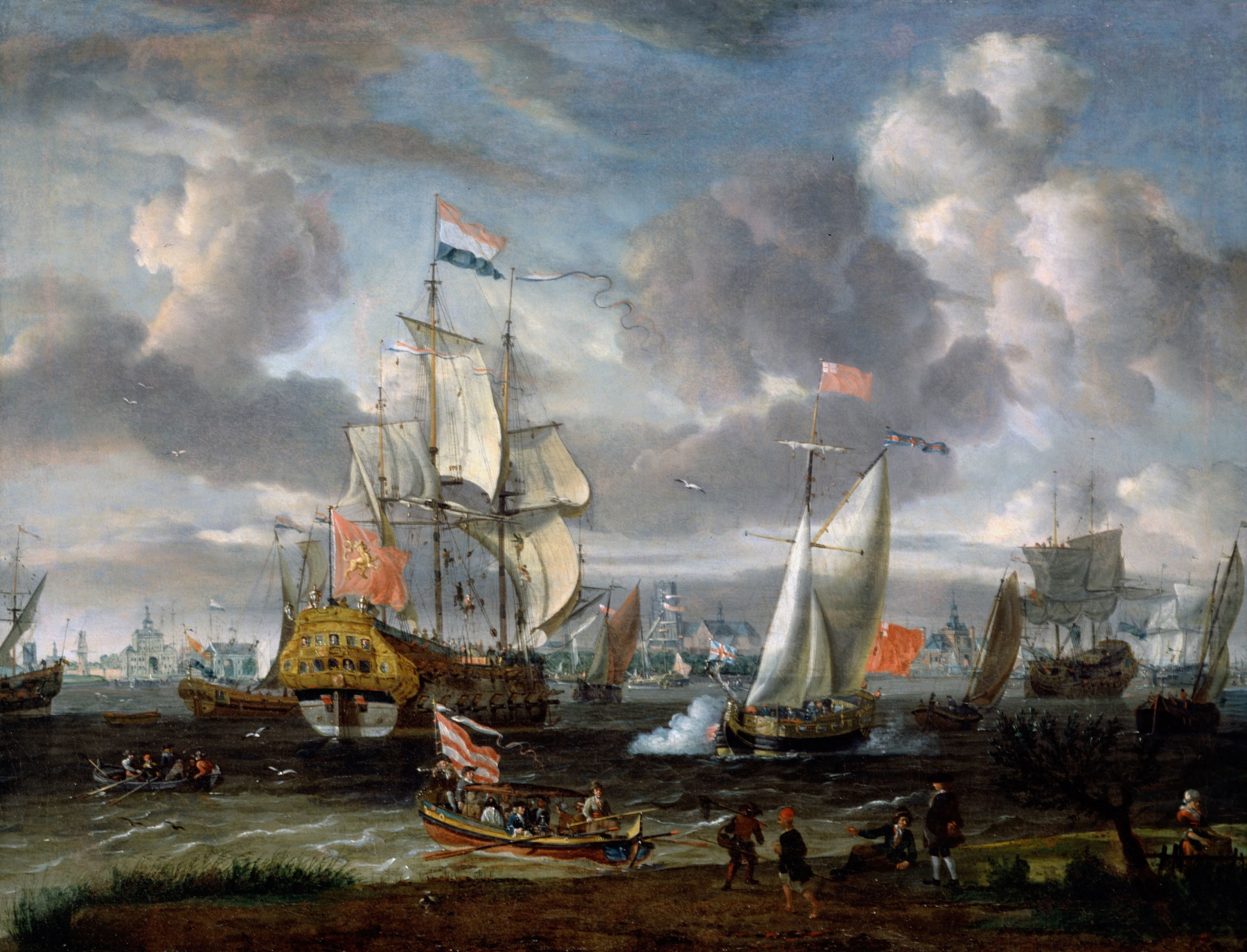
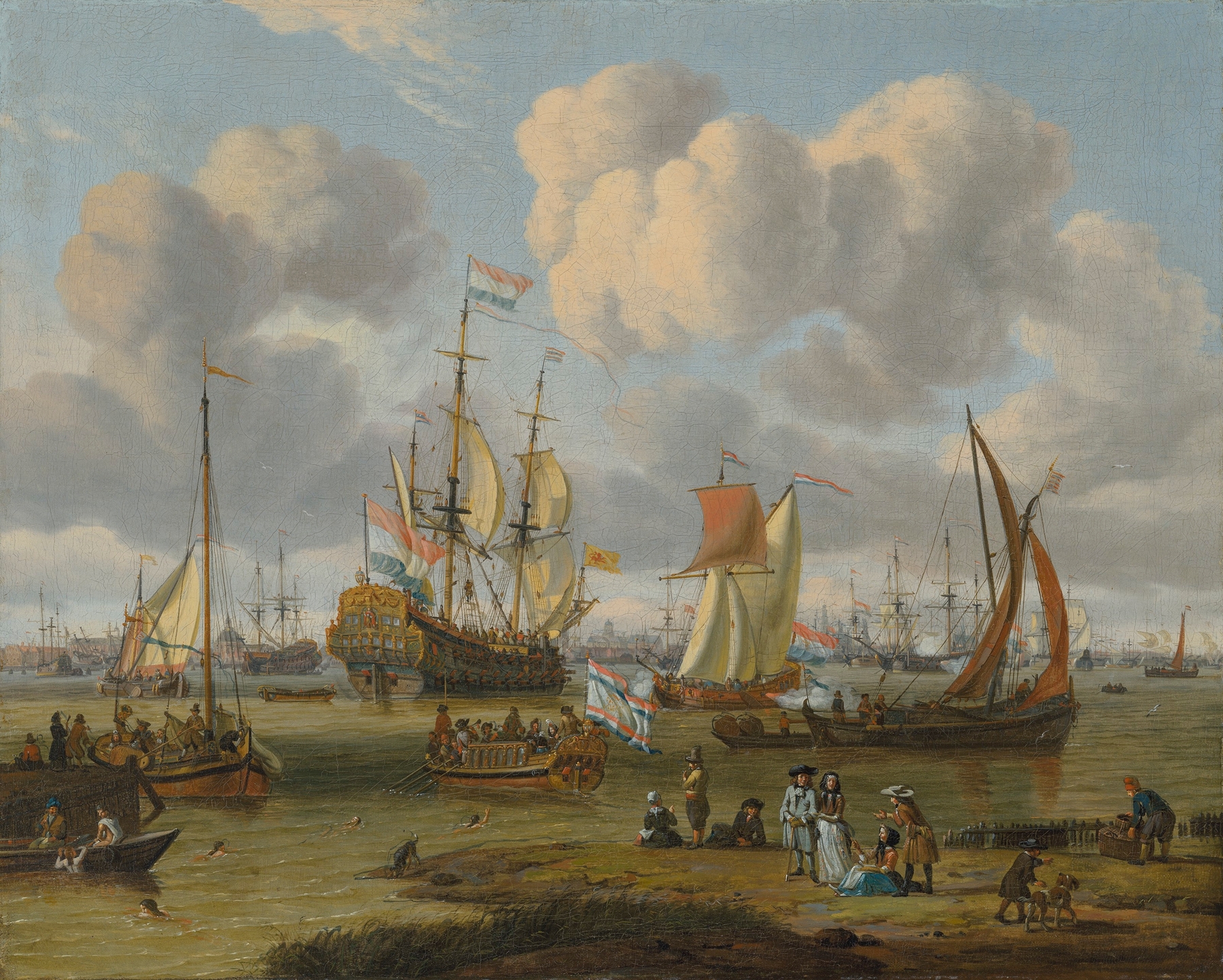
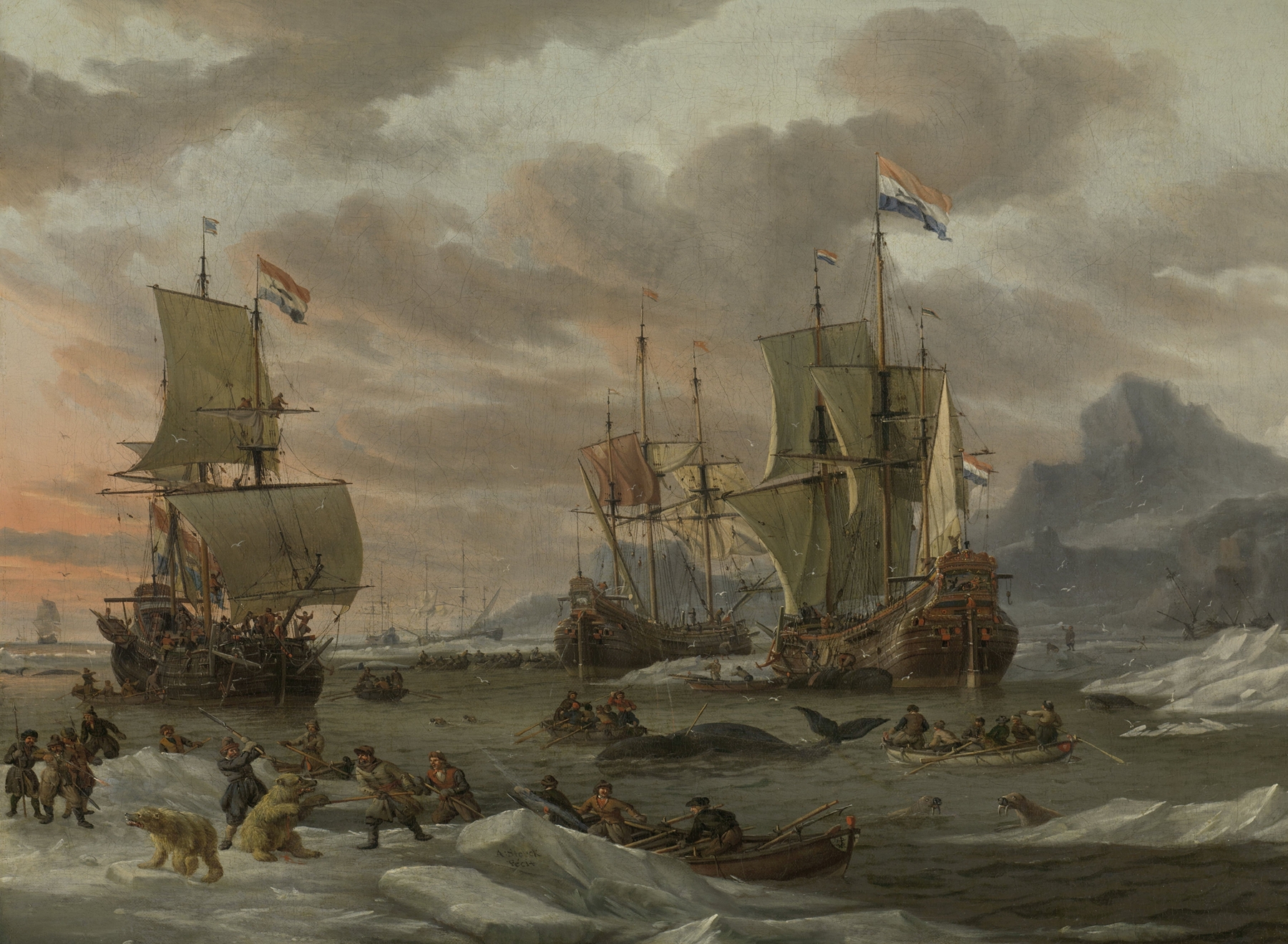
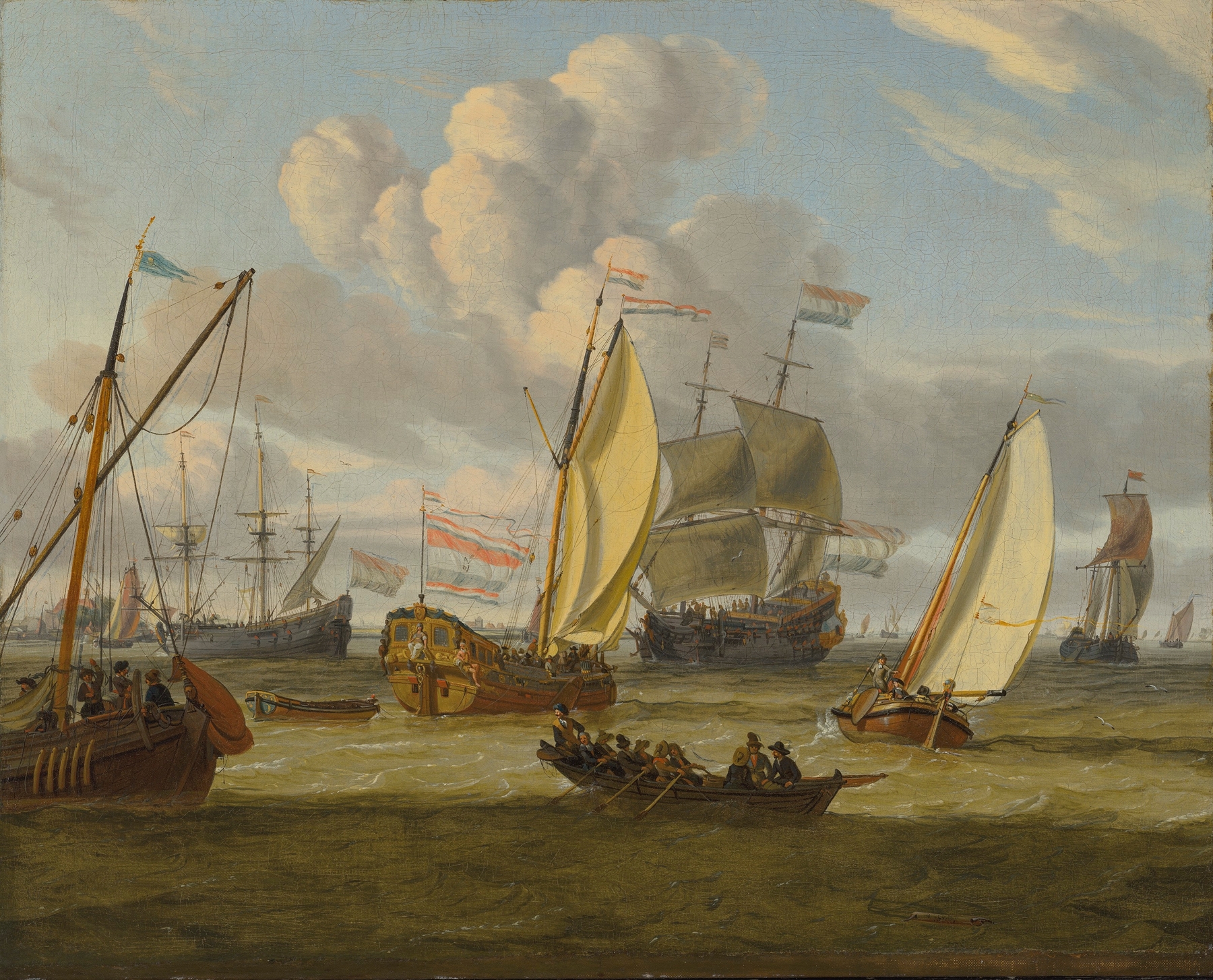
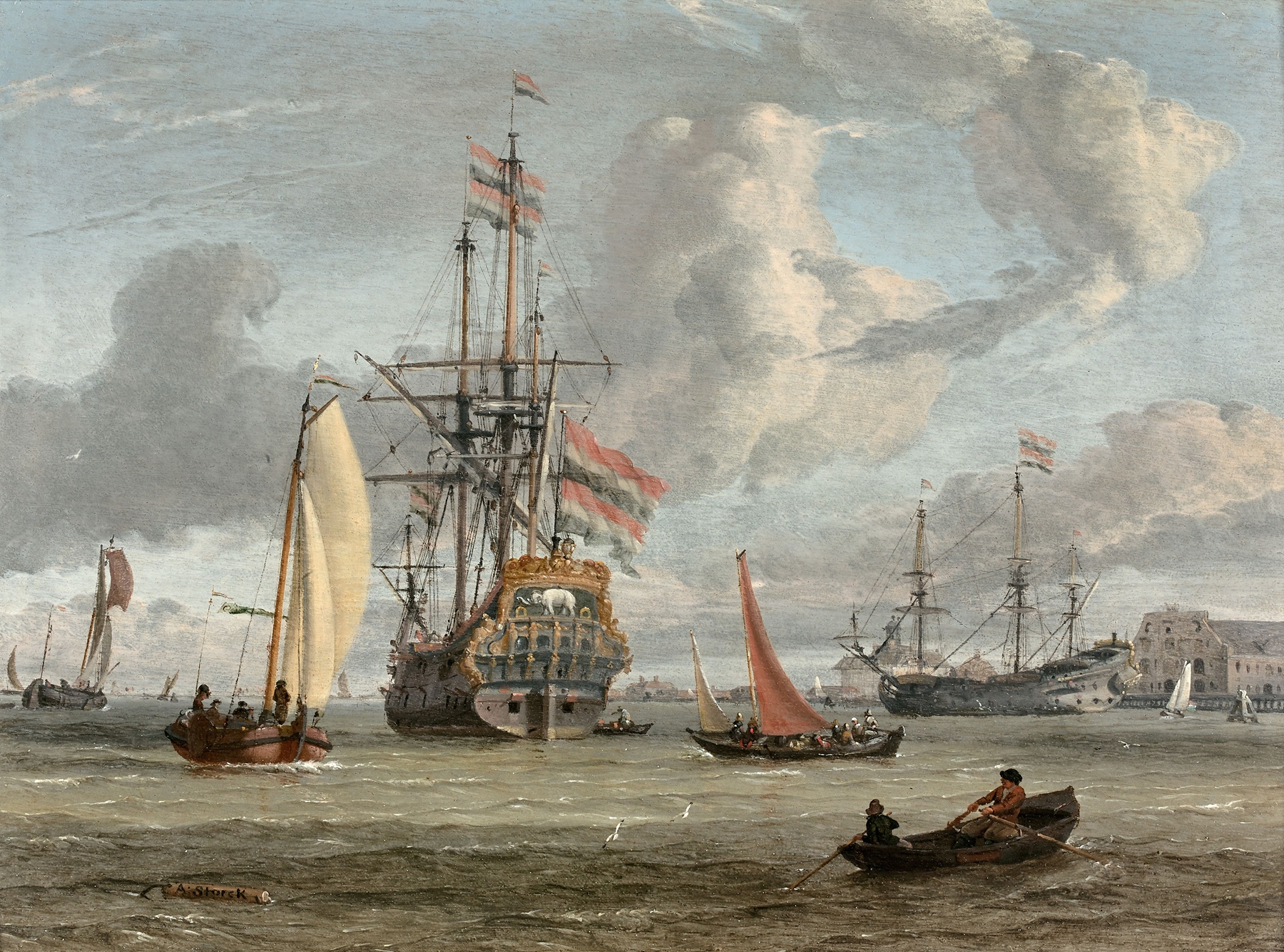
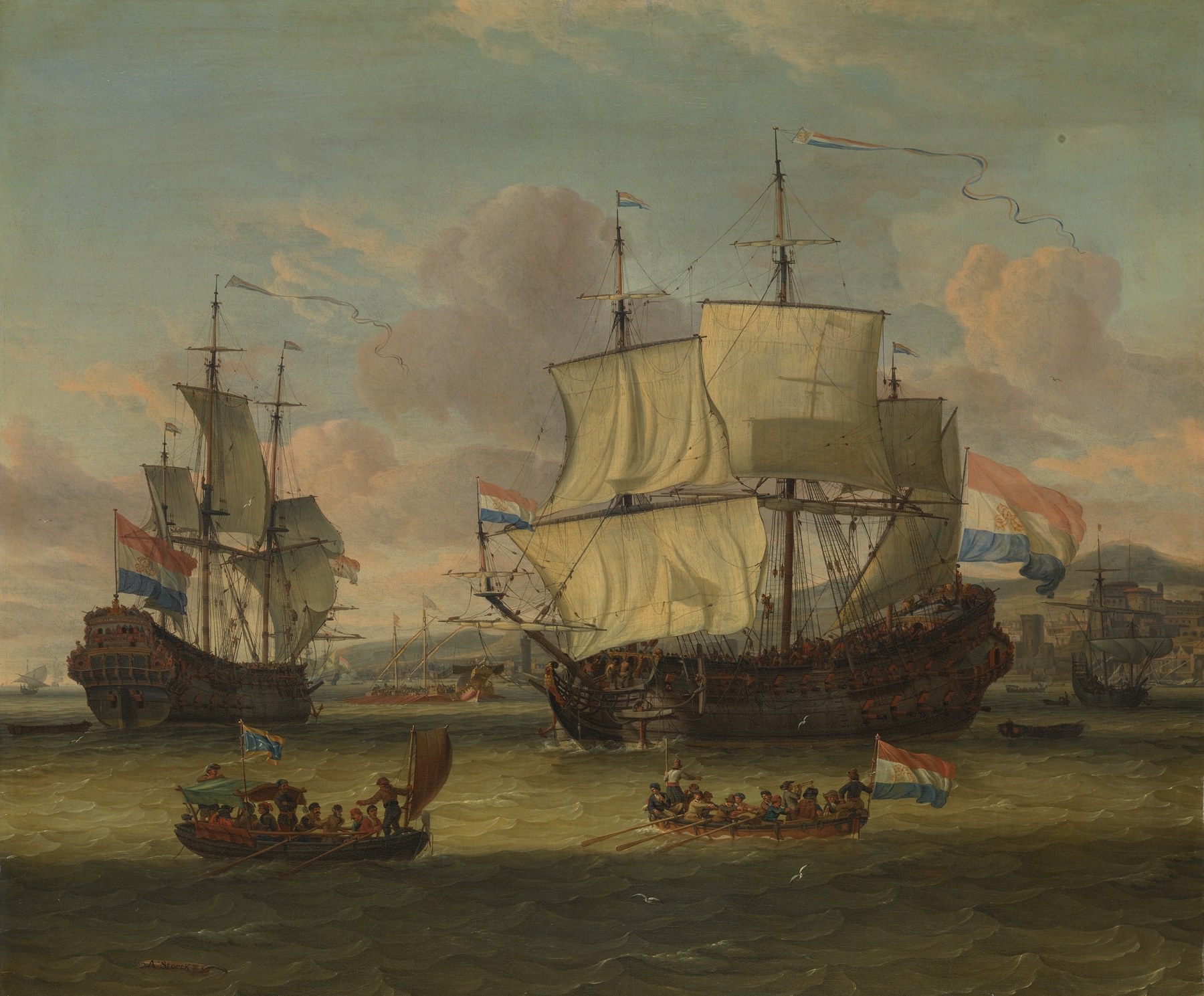
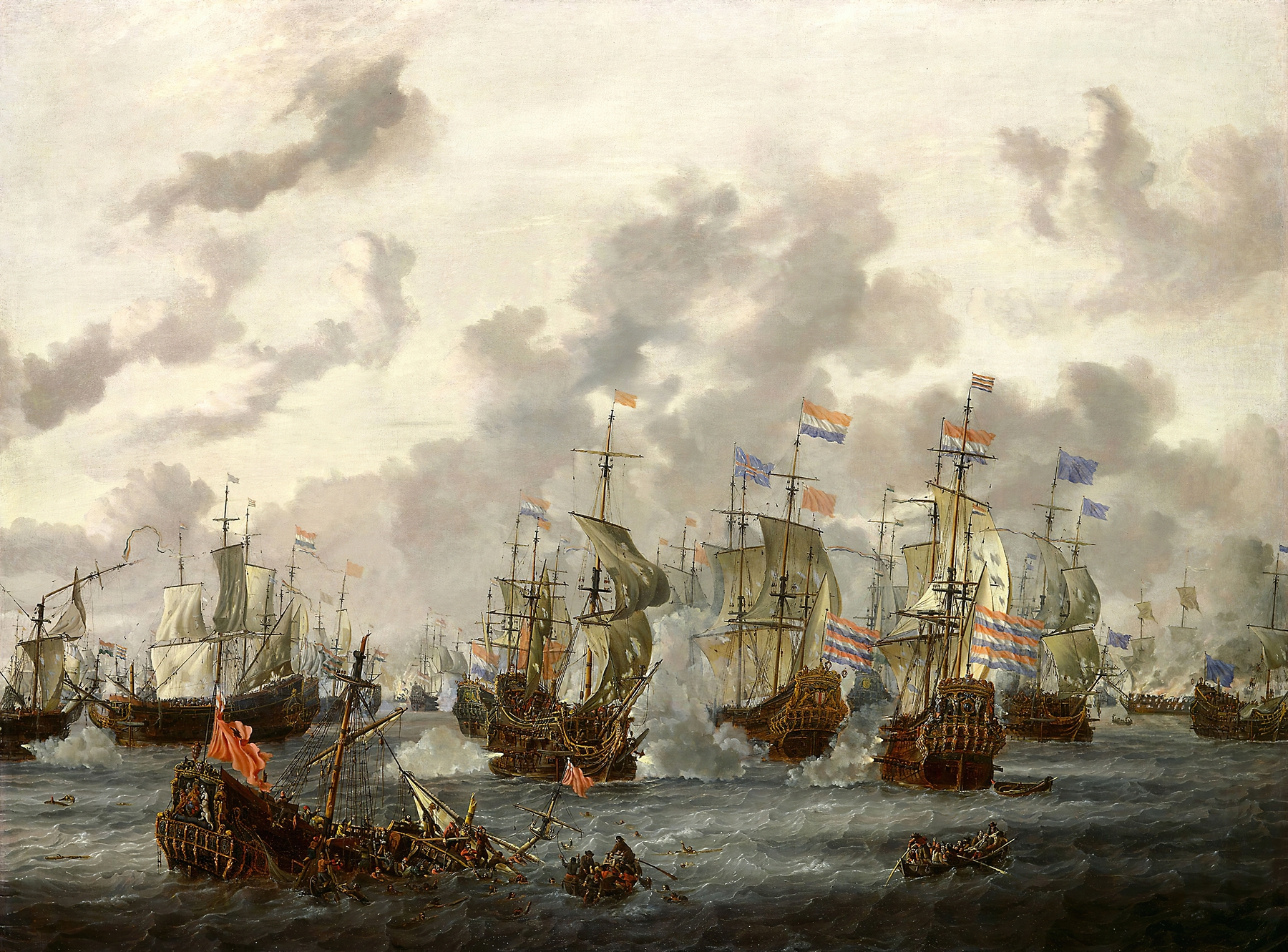
The air is thick with anticipation as ships, their sails full and proud, navigate the turbulent waters. The horizon glows with a muted orange, hinting at the sun's reluctant descent, casting long shadows across the deck. A shroud of silence envelops the scene, broken only by the distant creak of wood and the faint call of seagulls, a prelude to the chaos that lies ahead. Look to the left at the towering masts, each one meticulously rendered in rich browns and deep blues. The artist plays with light, illuminating splashes of white foam as waves crash against the hulls, creating a dynamic interplay of movement and stillness.
Notice how the sky swirls above, a tumultuous mix of grays and yellows, reflecting the brewing storm—both meteorological and metaphorical. Each ship is a character in this unfolding drama, their flags snapping defiantly in the wind. Beneath the surface of this maritime spectacle lies a narrative of conflict and resilience. The silent tension hints at impending struggle, with the contrasting calm of the sea juxtaposed against the urgency of naval warfare. Each vessel serves as a reminder of the fragility of peace and the imminent descent into battle.
The artist’s careful attention to detail evokes a sense of shared fate among mariners—both courageous and fearful, united in the face of the unknown. In 1666, the artist found himself in the Netherlands, a nation grappling with the complexities of war and trade. This was a time when maritime power was crucial, and the art of naval battles became a subject of fascination. Storck, influenced by the Baroque movement, sought to capture not only the tension of battle but also the grandeur of the seascape, blending personal experience with the wider narrative of his time.