Shipping off Amsterdam with figures on a quay — History & Analysis
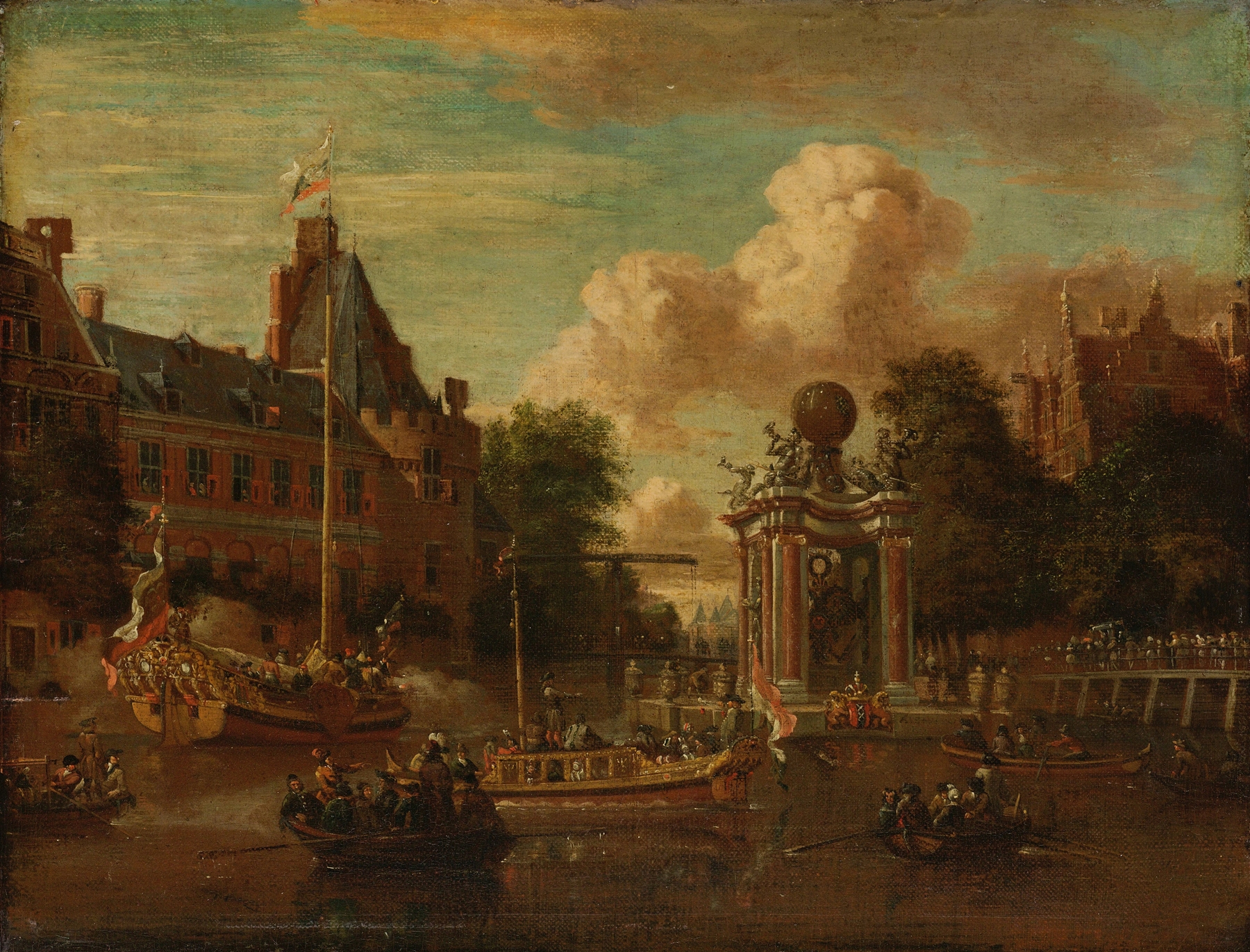
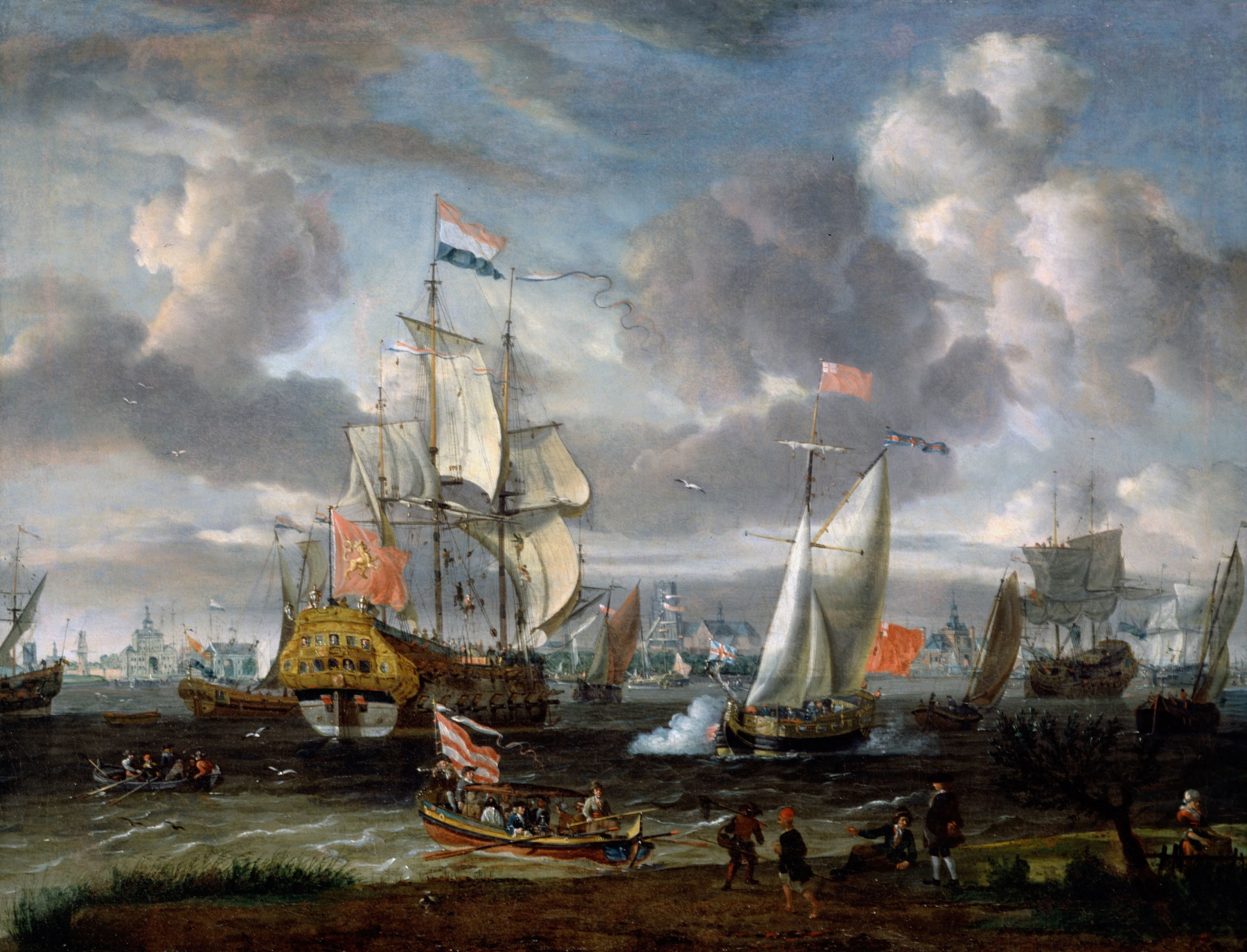
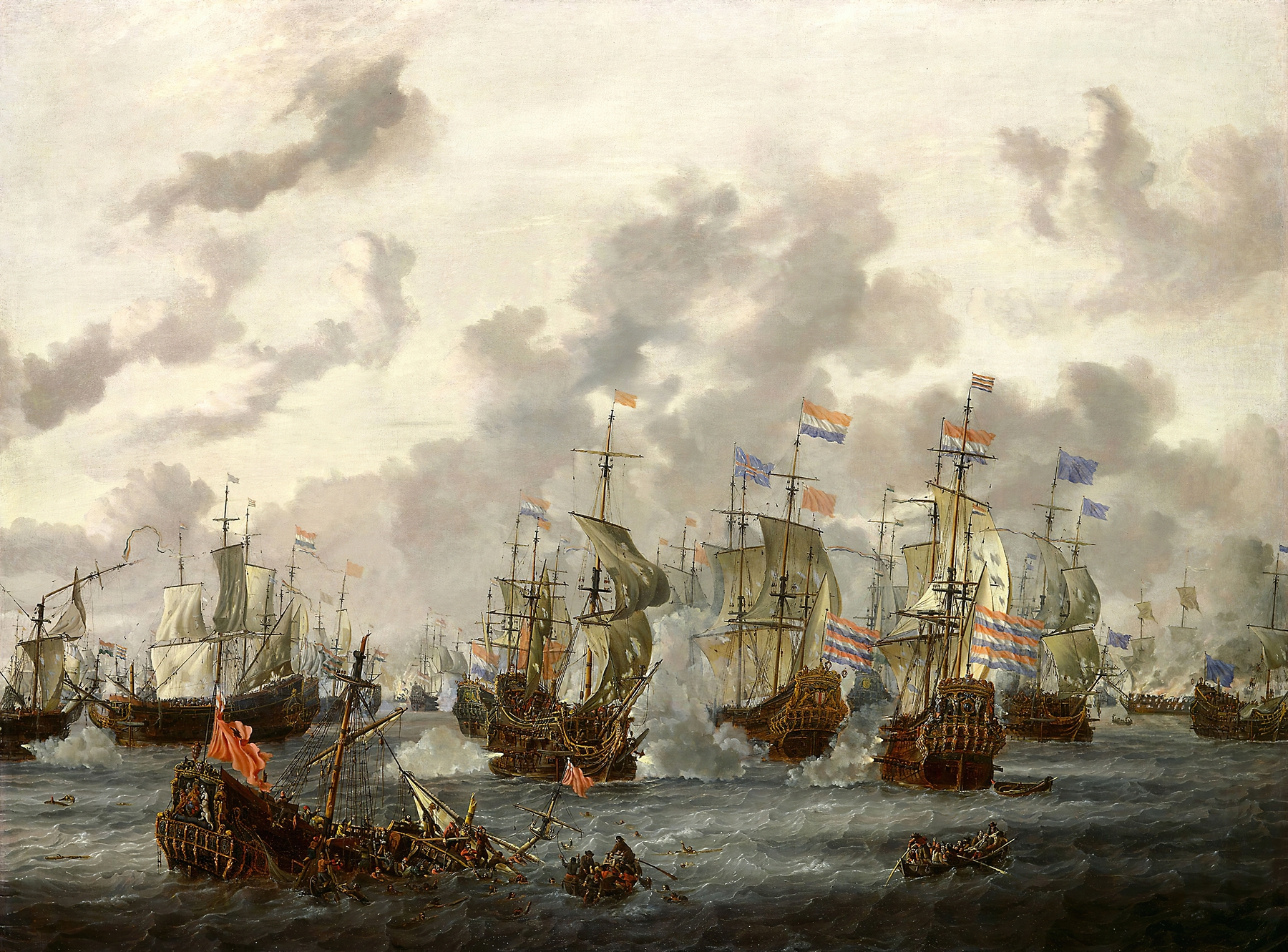
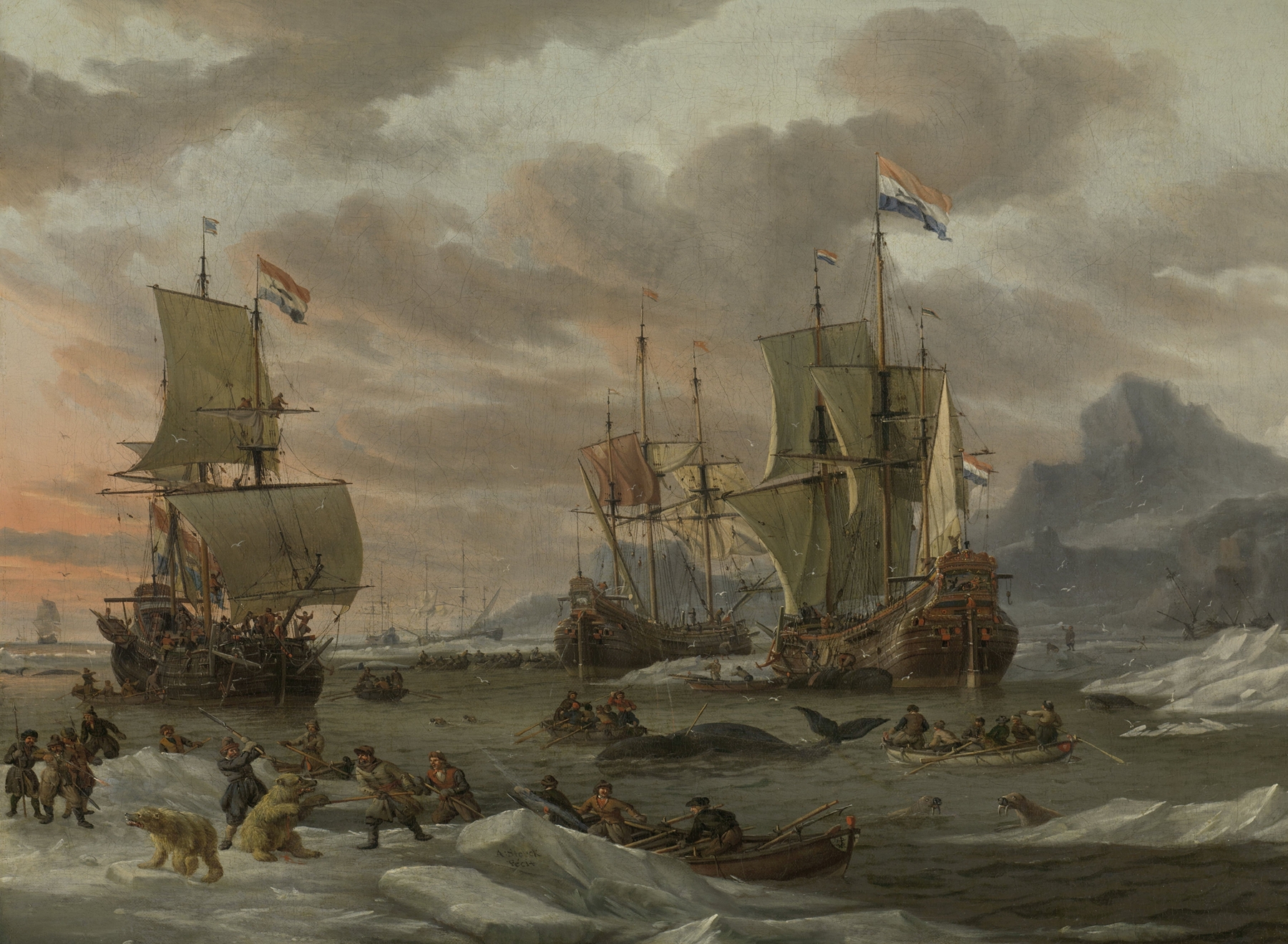
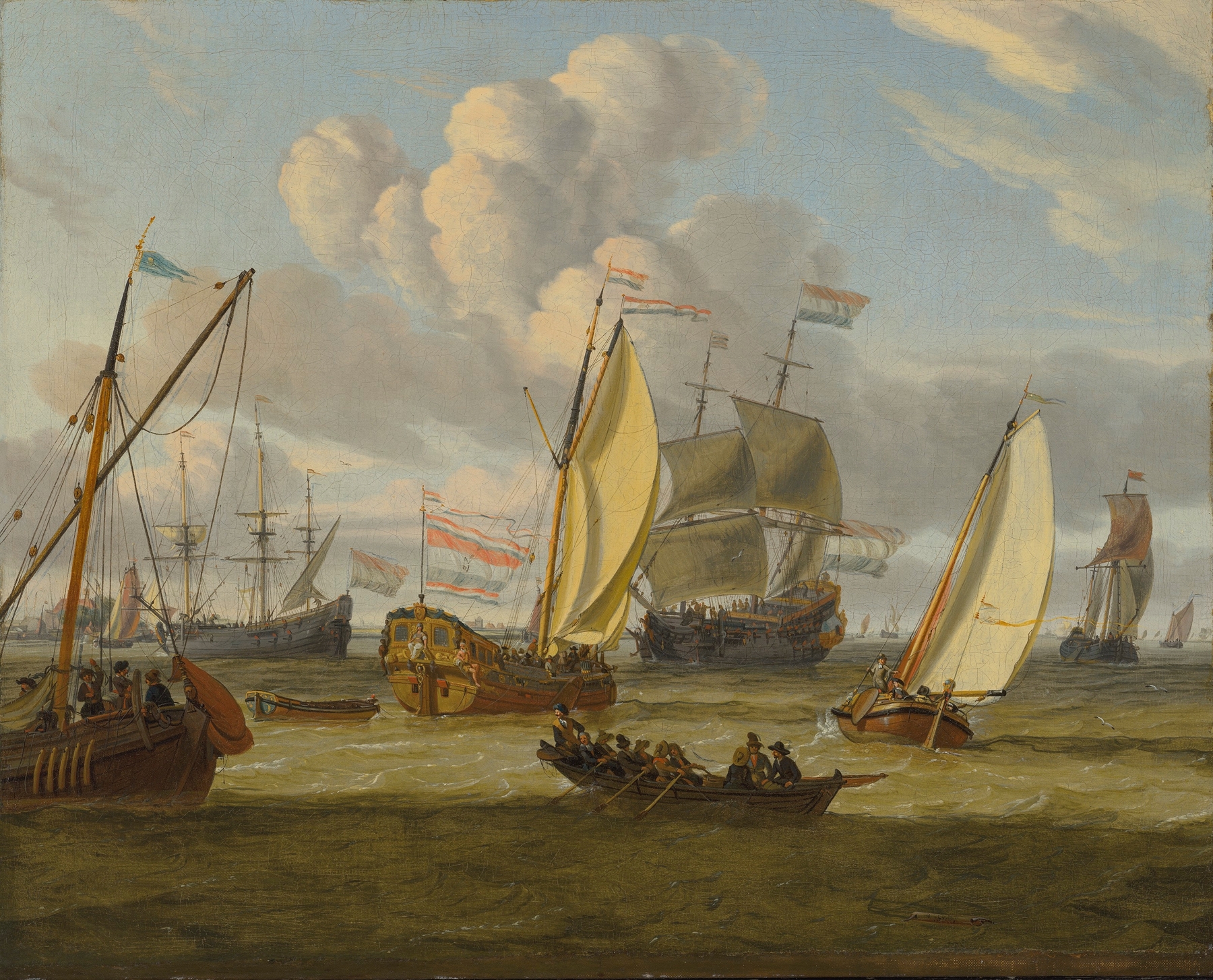
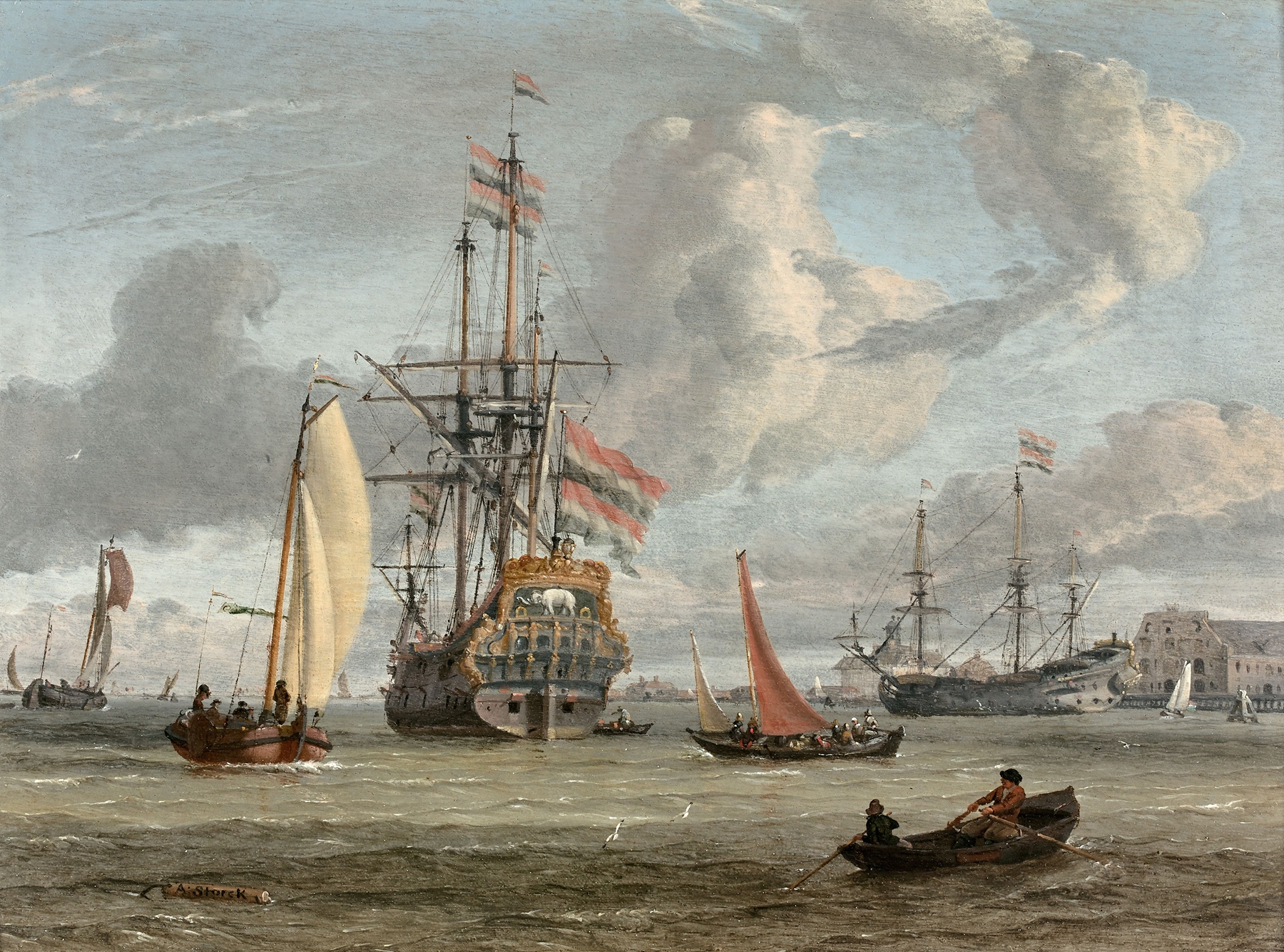
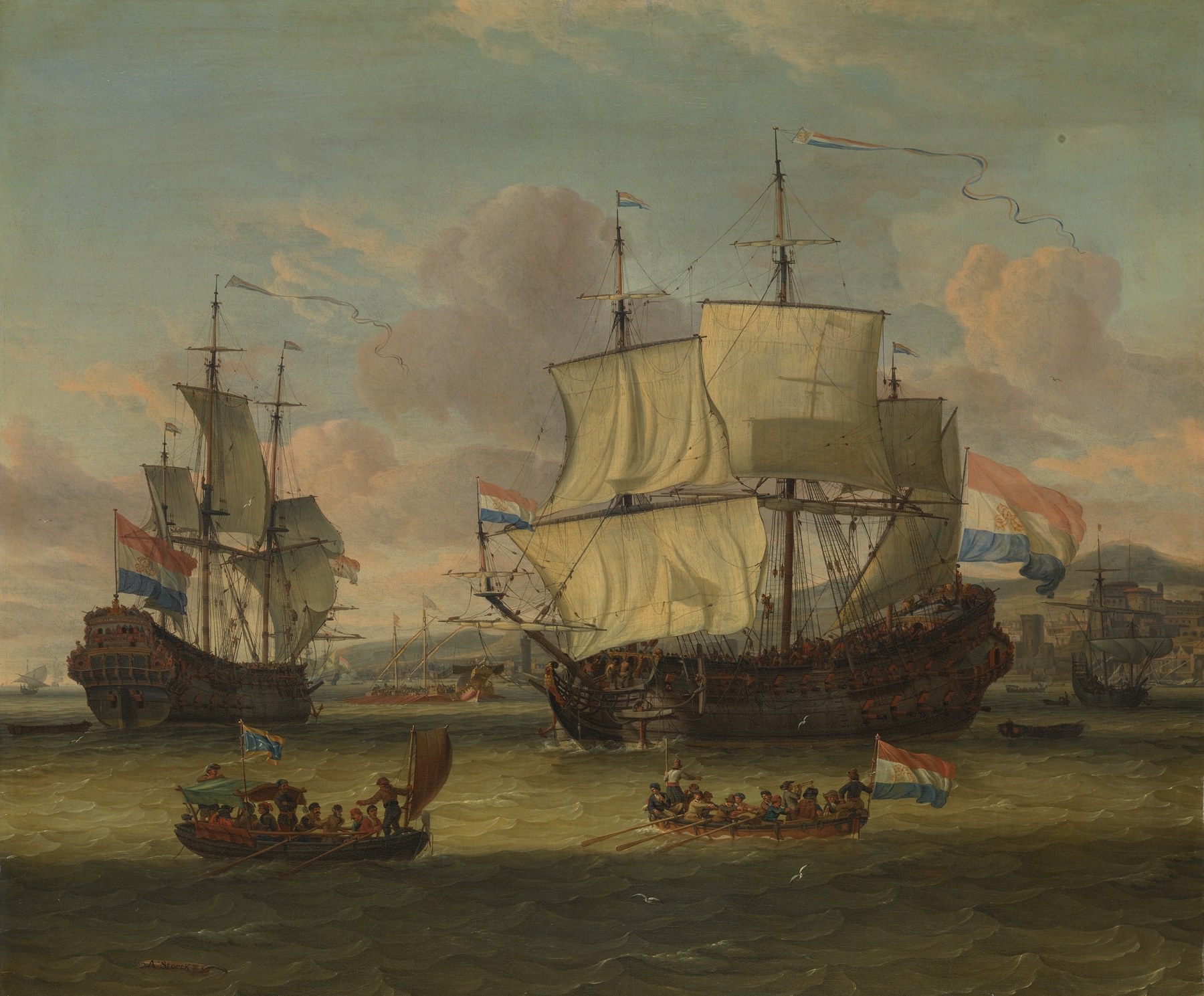
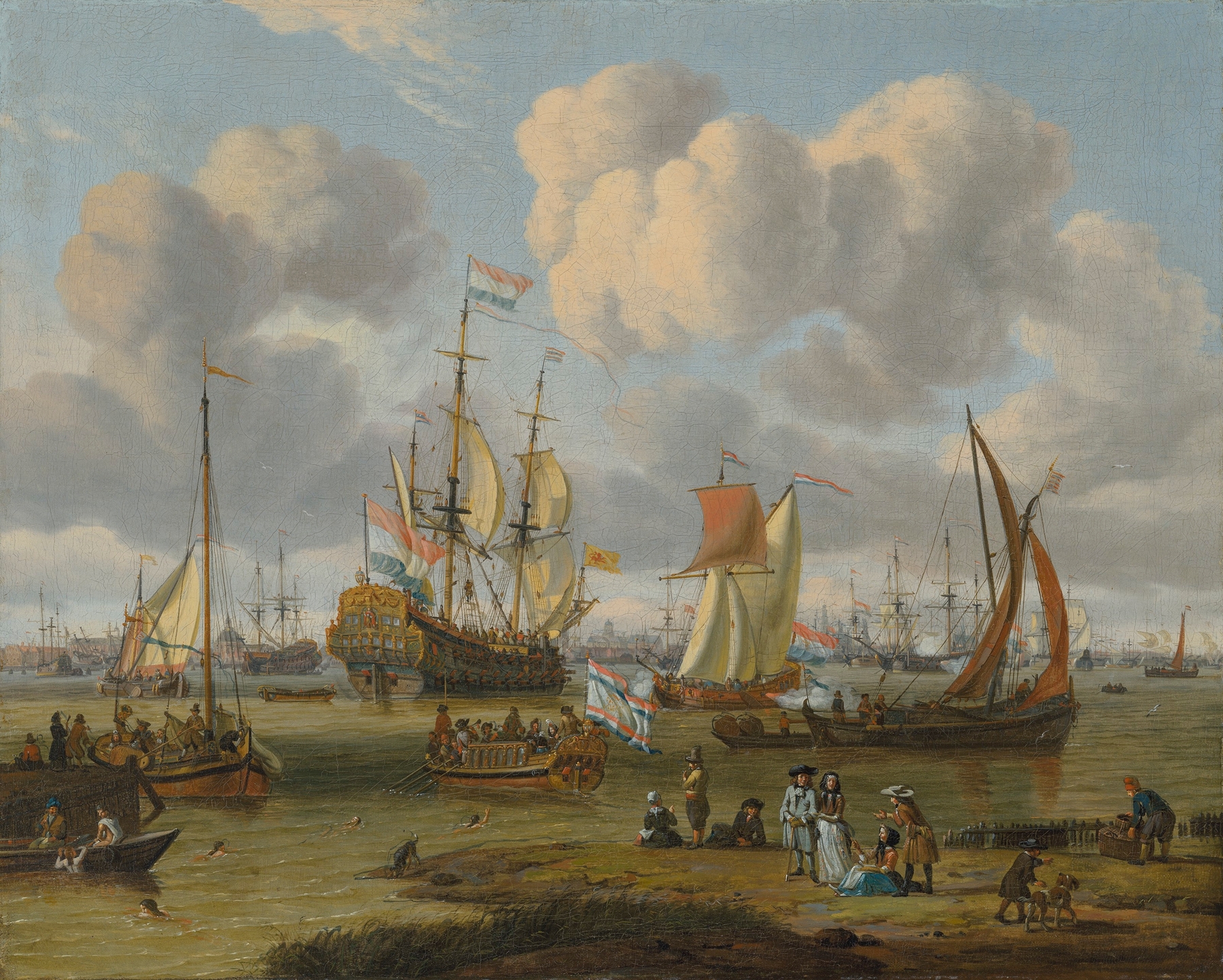
Could a single brushstroke hold eternity? In the vast expanse of a seascape, layers of color whisper tales of betrayal and hope, revealing the intricate dance between man and nature. Look to the center of the canvas where the figures gather on the quay, their poses a blend of anticipation and foreboding. Notice the dichotomy in the light; soft, golden rays flicker across the water’s surface, while shadows loom over the figures, hinting at unspoken tension.
The artist's meticulous brushwork captures the textures of fabric and the rippling waves, allowing the viewer to almost feel the cool breeze, while the palette of earthy tones juxtaposed against the vibrant blue of the water breathes life into the scene. Delve deeper into the subtleties of the composition; the figures, though engaged in conversation, reveal a chasm of emotions—ranging from camaraderie to secrecy. A lone ship in the distance, already departing, serves as a metaphor for lost opportunities or perhaps the betrayal of trust, as connections fray beneath the weight of their choices.
Each detail, from the expressions on the figures’ faces to the gentle sway of the water, amplifies the underlying tension that binds them to this fleeting moment. Created during a period of artistic exploration in the late 17th century, the piece reflects the evolving dynamics of trade and maritime life in the Dutch Golden Age. As Storck painted this scene, he navigated a world burgeoning with commercial prosperity yet fraught with the complexities of human relationships, encapsulating the essence of his time while hinting at the deeper emotional currents that run through life by the sea.