A Mediterranean Harbour Scene With Travellers On The Shore, A Dutch Man-Of-War On The Left — History & Analysis
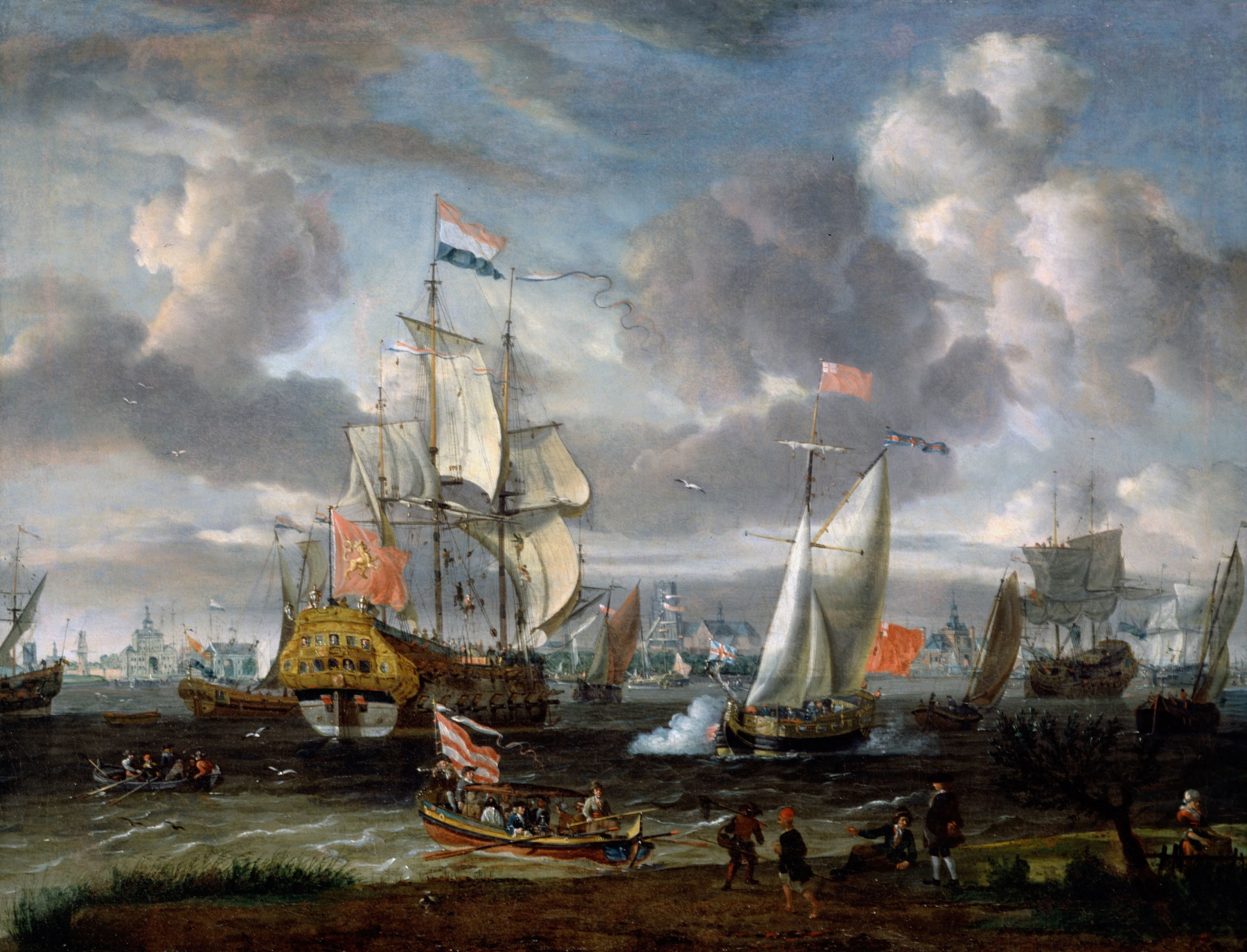
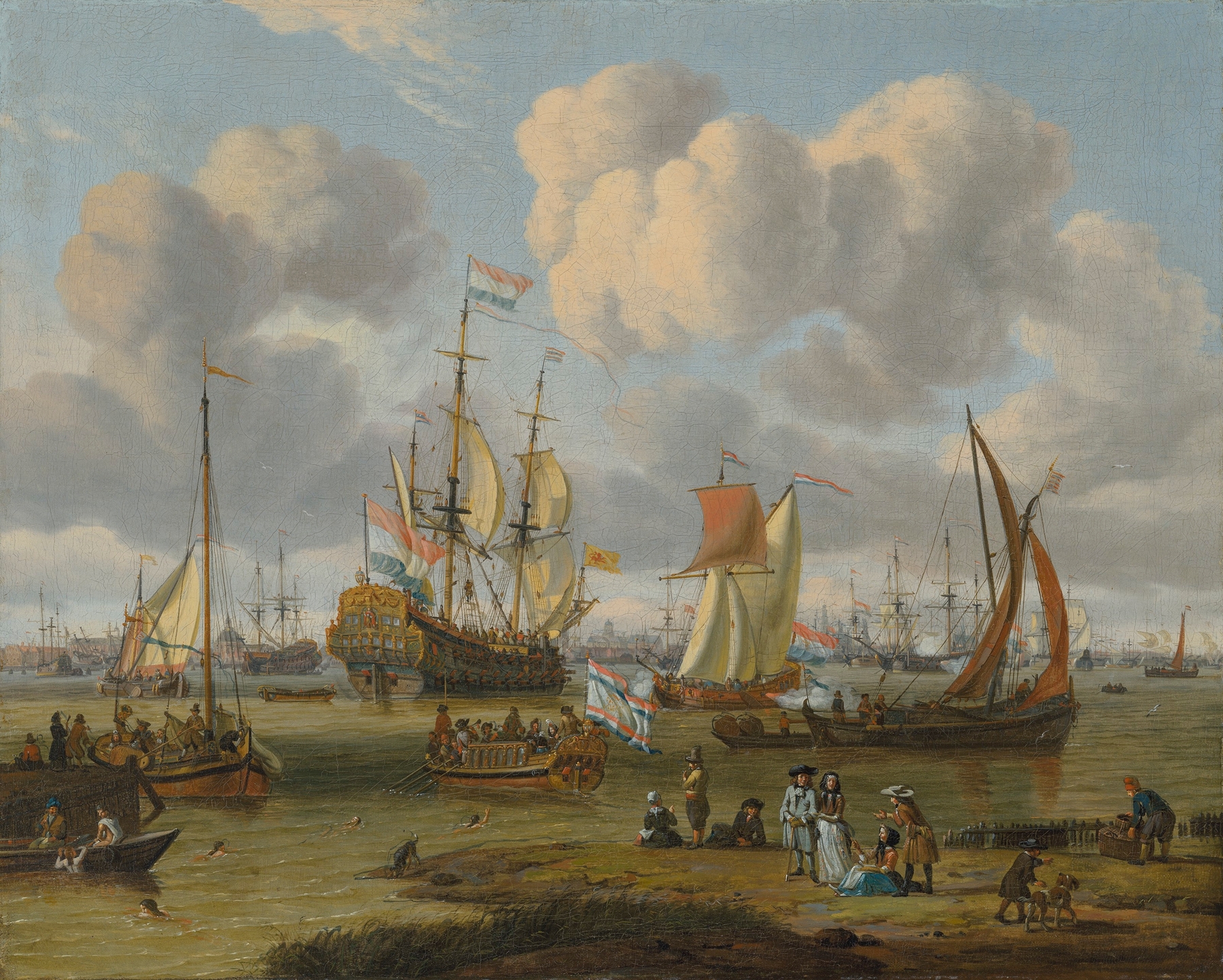
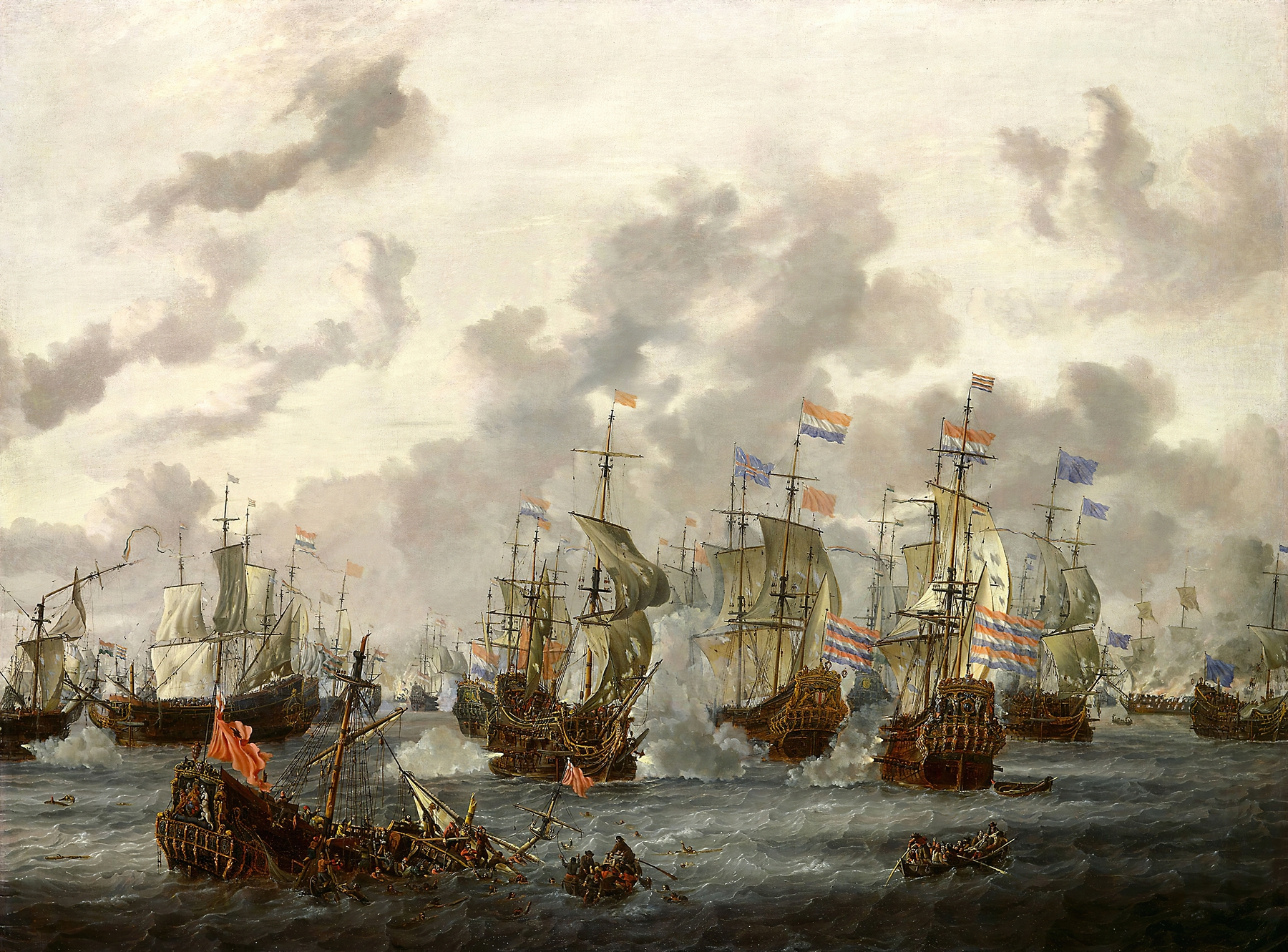
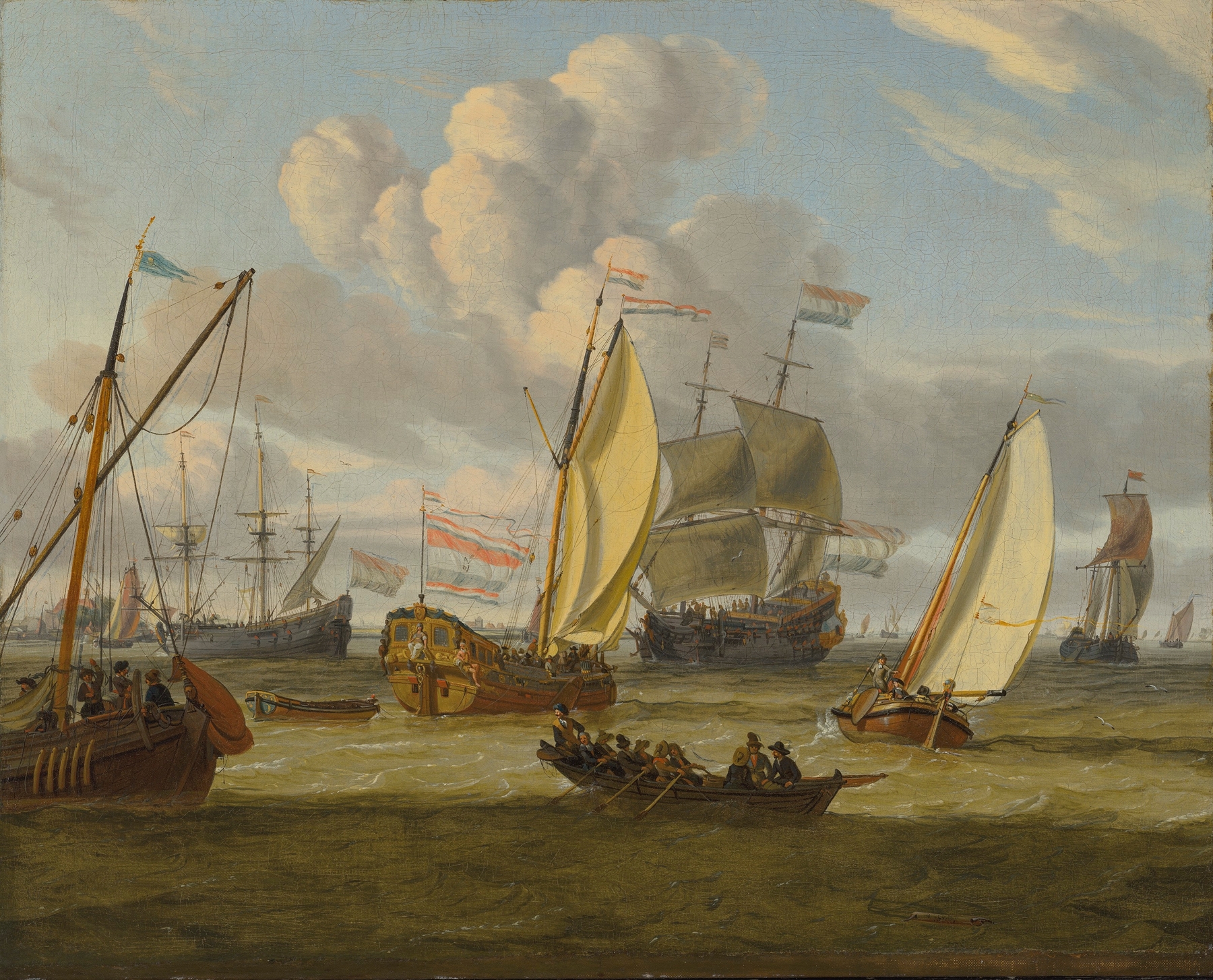
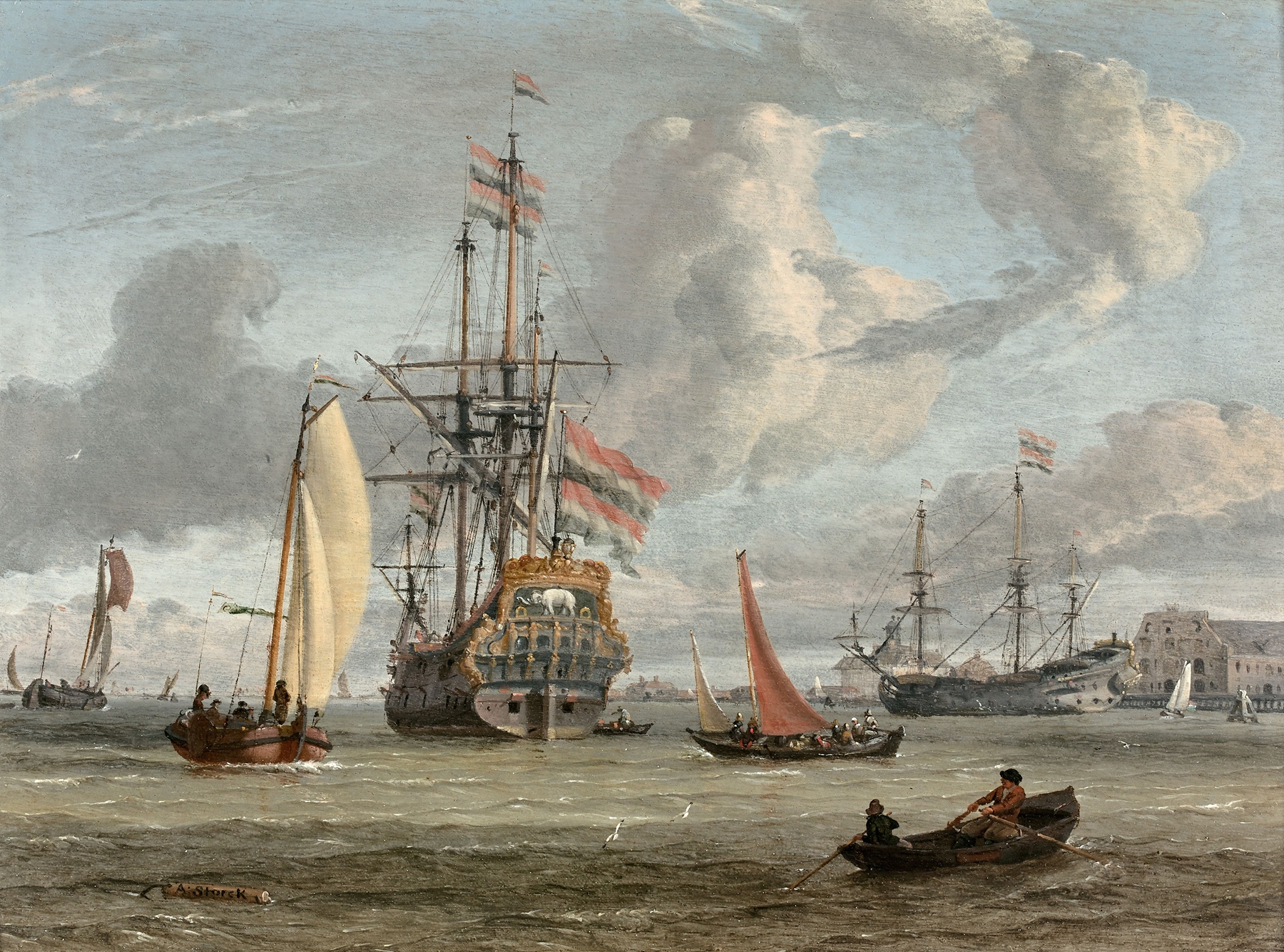
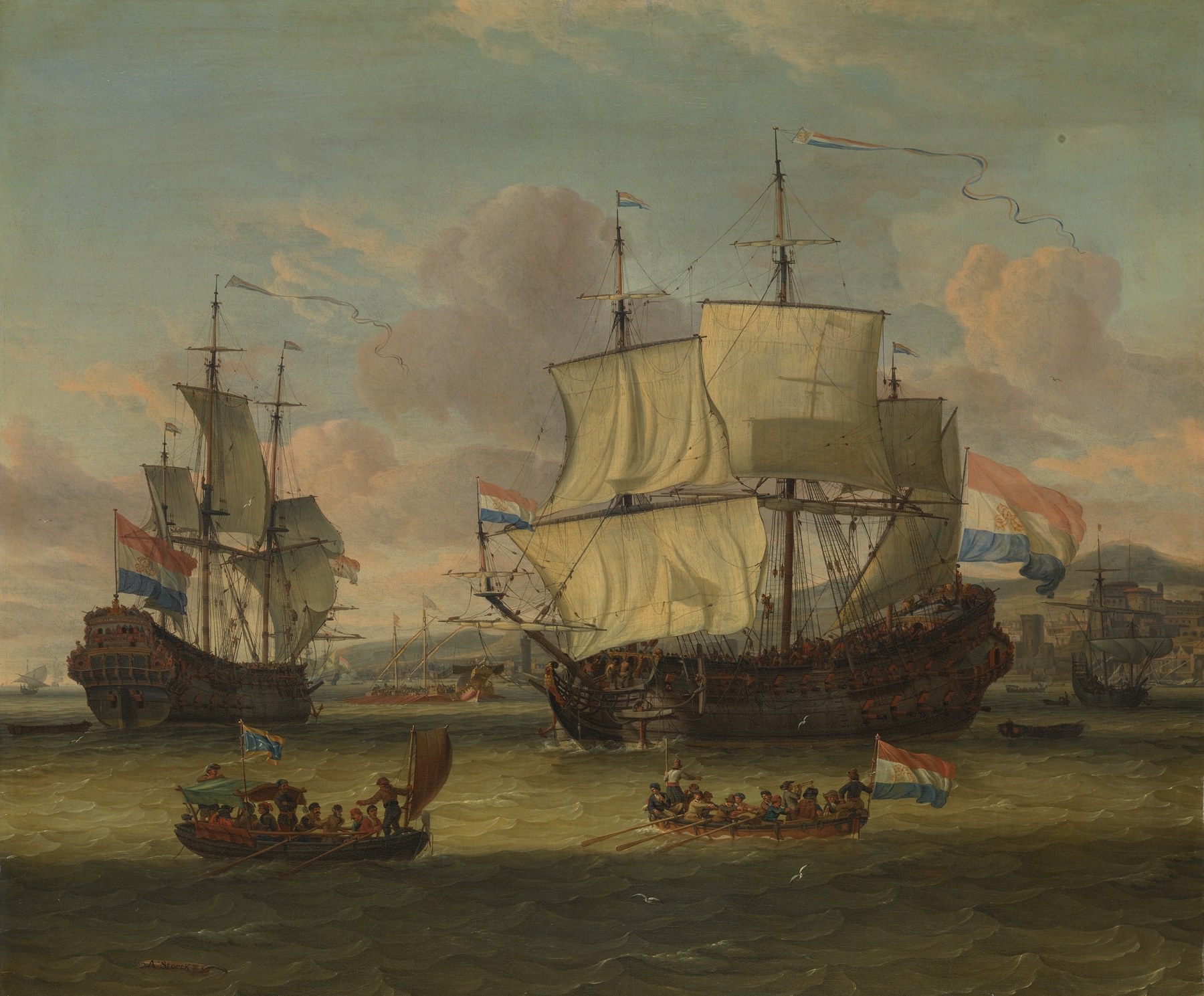
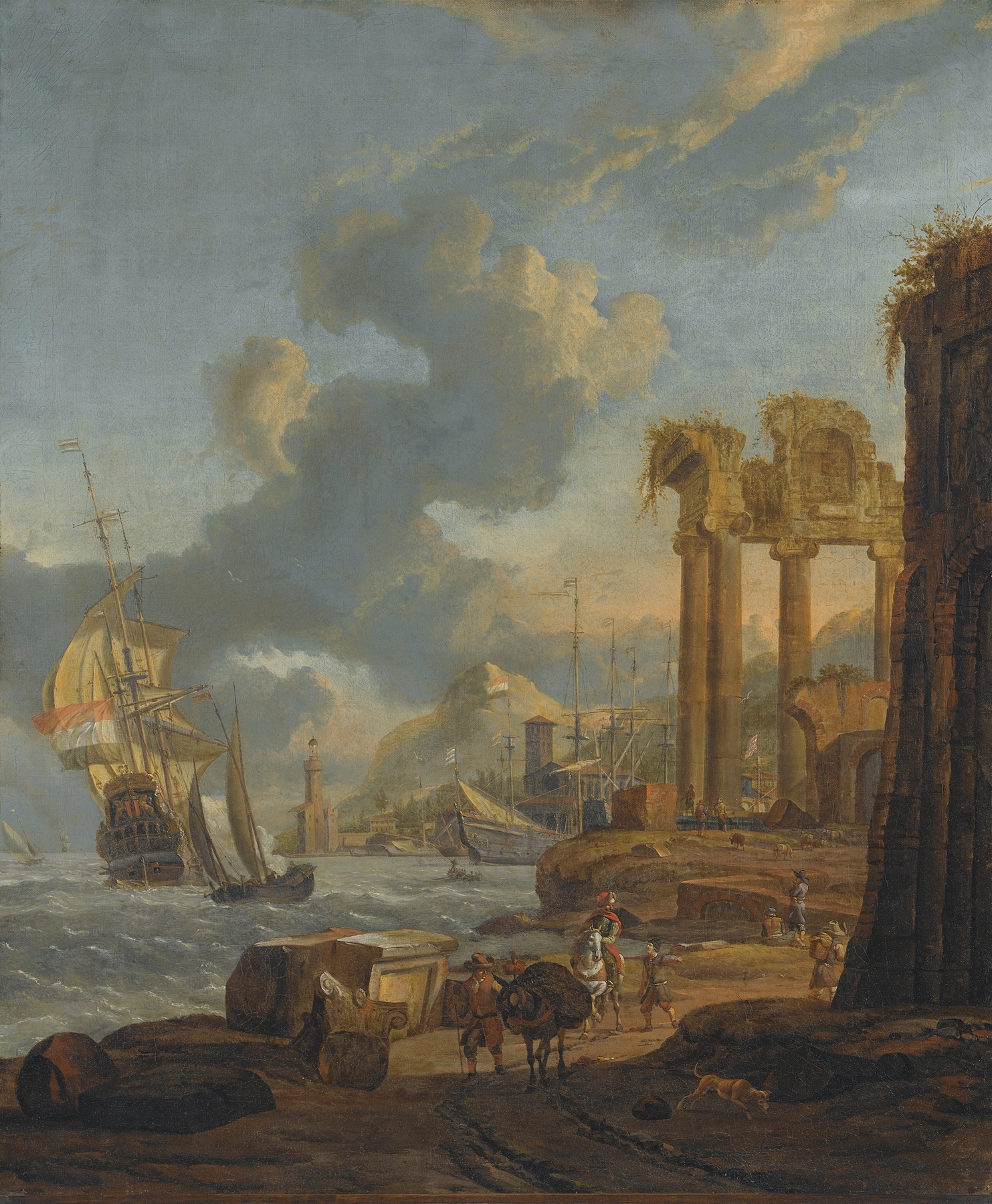
Could beauty survive in a century of chaos? This question lingers in the air as one gazes upon the tranquil allure of a coastal landscape, where the shimmering sea meets the vibrant energy of human life. Look to the left, where the majestic man-of-war rises proudly against the sky, its billowing sails catching the light of the golden sun. The rippling waves dance beneath it, reflecting hues of blue and green, while the shore bursts with activity, where figures in period attire mingle and travel.
Notice the meticulous brushwork that defines each element, from the detailed rigging of the ship to the animated gestures of the travelers, encapsulating a moment where life and artistry converge harmoniously. Beneath the surface of this idyllic scene lies a complex interplay of decay and vitality. The ship, though a symbol of grandeur, hints at the fragility of human endeavors against the ravages of time. The travelers appear both hopeful and weary, suggesting a journey that is as much about exploration as it is about escapism from an uncertain world.
Each detail, from the gentle waves to the distant hills, speaks to the tension between the beauty of life and the inevitability of decline. In 1677, at the height of the Dutch Golden Age, Abraham Storck found himself immersed in a world rich with maritime trade and cultural exchange. Living in Amsterdam, a melting pot of artistic innovation, he captured the essence of travel and exploration during a time when Europe was grappling with political upheaval and economic transformation. Storck's work reflects not only the vibrancy of his contemporary society but also a longing for permanence amidst the fleeting nature of existence.