The fisherman- evening effect — History & Analysis
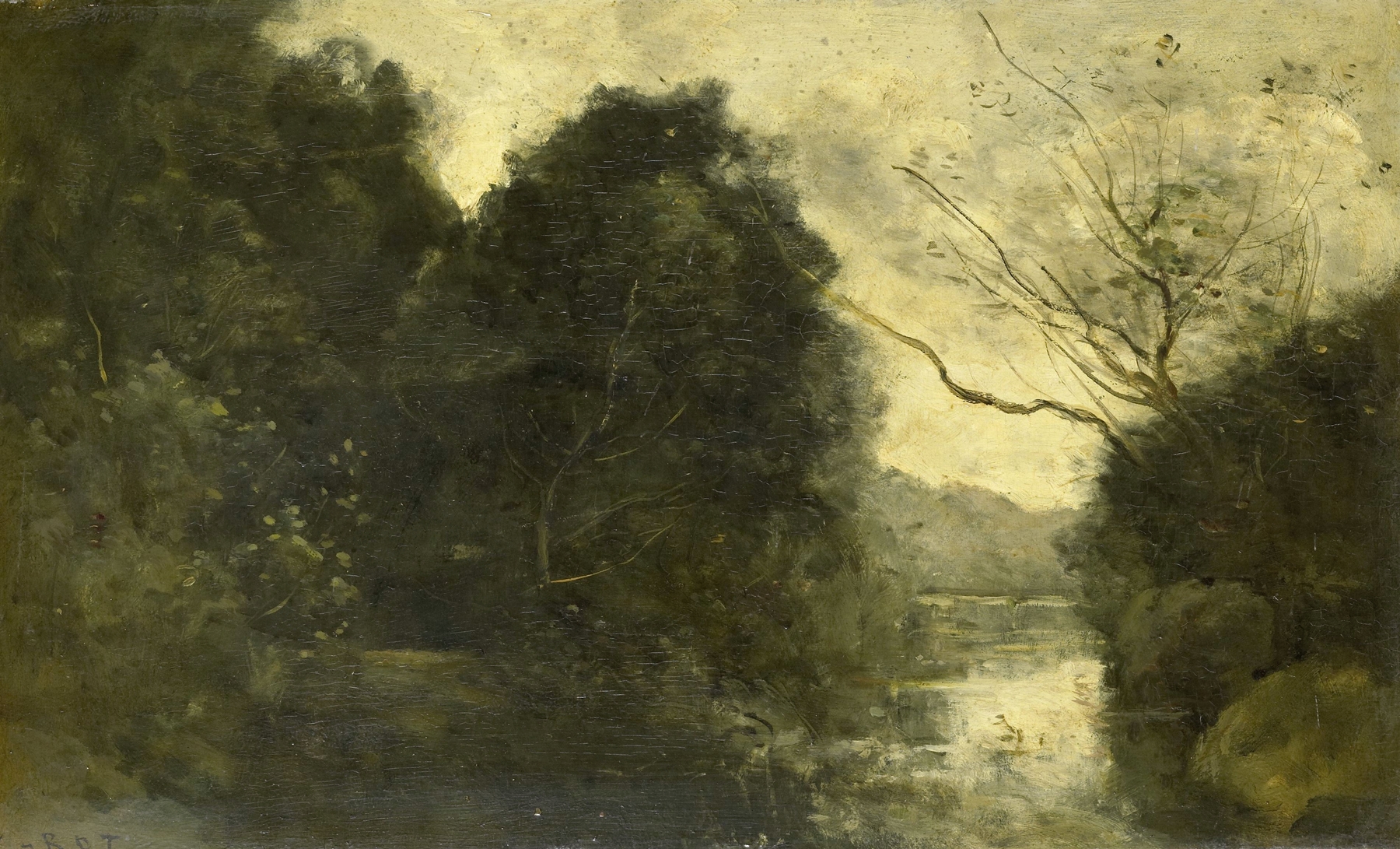
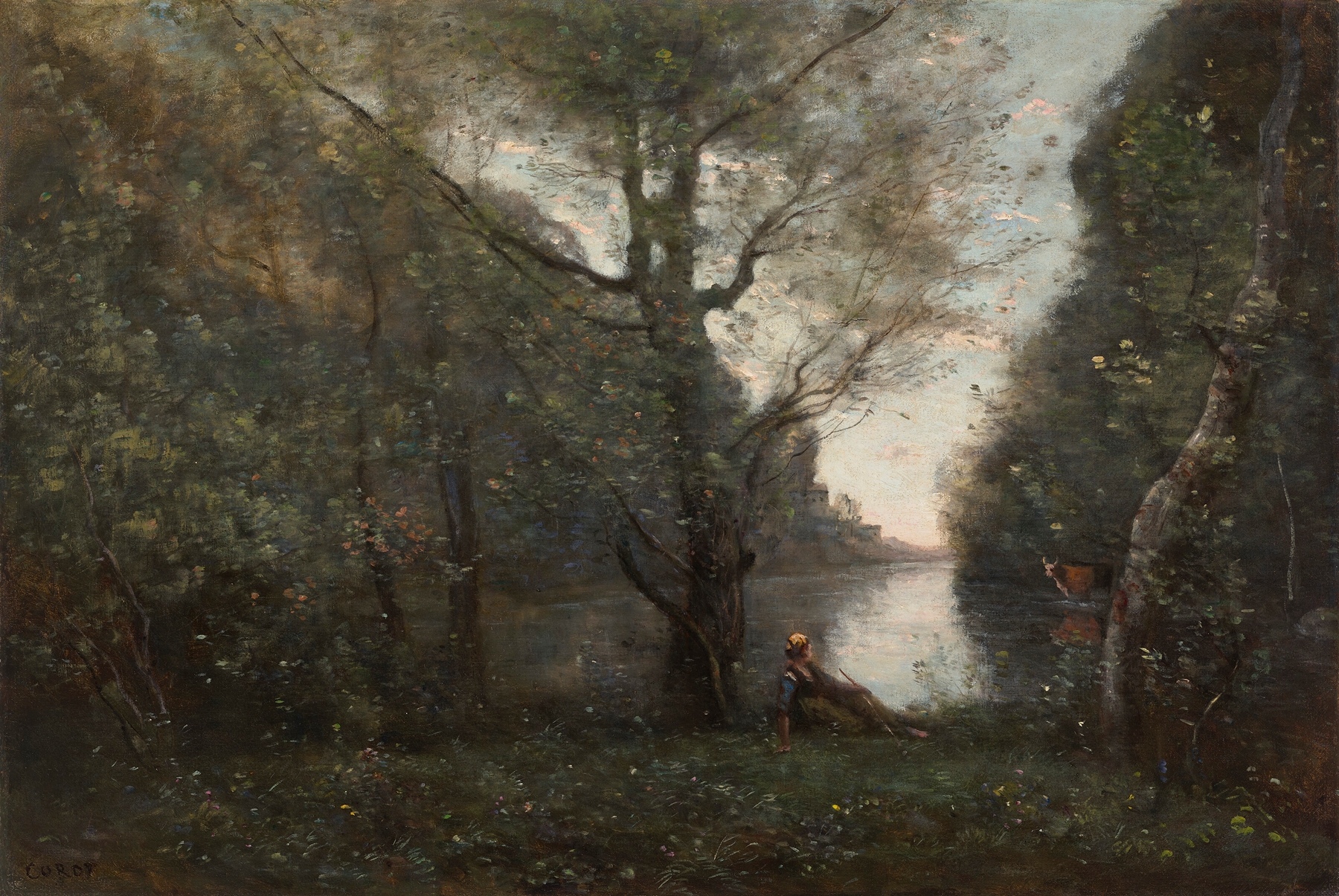
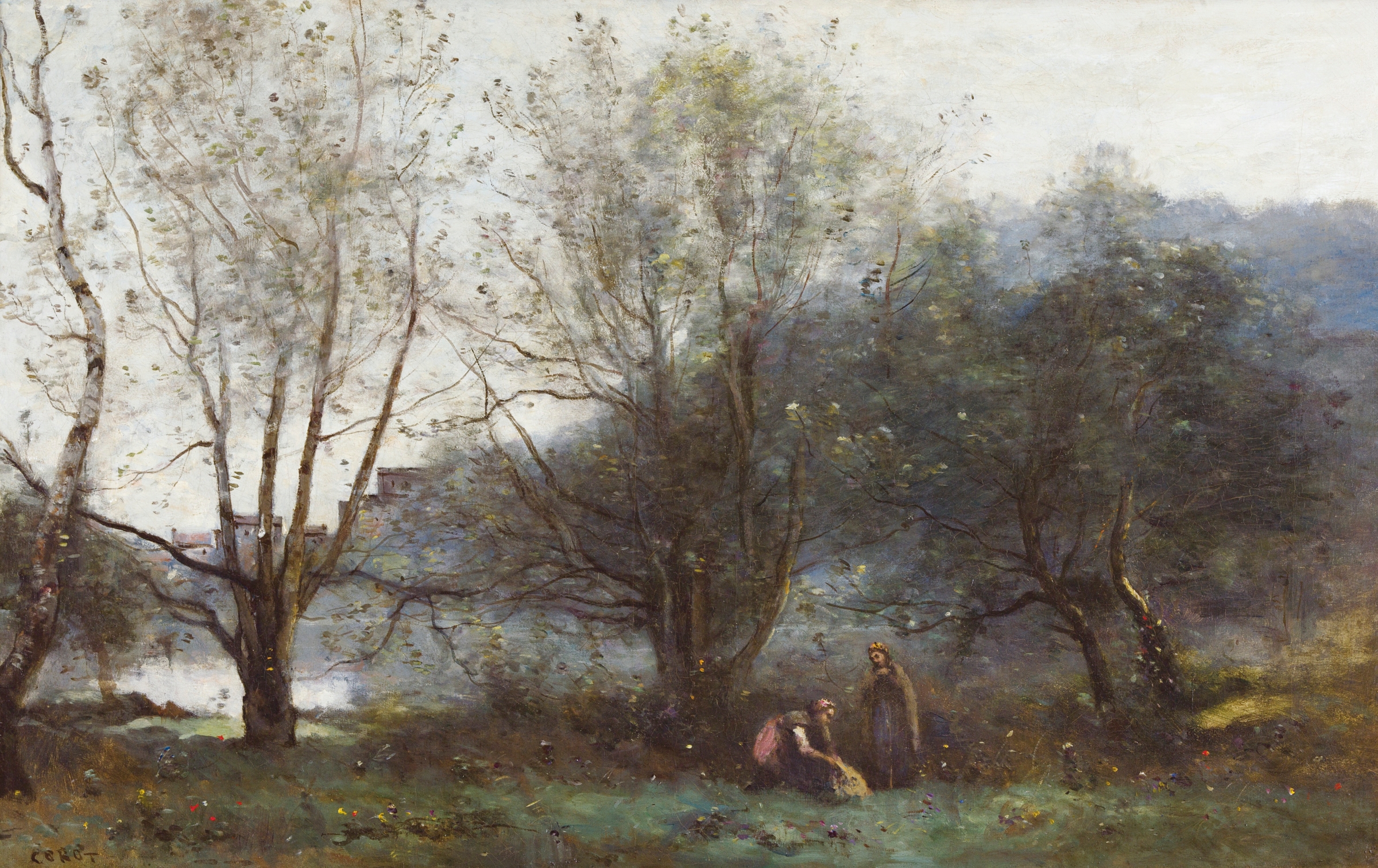
Could beauty survive in a century of chaos? In the depths of uncertainty, even the simplest moments can resonate with profound significance, revealing layers of betrayal hidden beneath serene surfaces. Look to the left at the solitary fisherman, silhouetted against the twilight glow, casting his net into the water. The soft hues of dusk wash over the landscape, merging vibrant oranges and muted blues, inviting the viewer into a world caught between day and night.
Notice how the delicate brushstrokes evoke gentle ripples on the surface, their movements reflecting the quiet turmoil of existence, while the surrounding trees stand sentinel, embodying both solitude and connection. The juxtaposition here is striking: the peaceful act of fishing contrasted against the ominous encroachment of darkness. Each stroke creates a tension between tranquility and the underlying unease—what lies beneath the calm surface? The fisherman is a figure of strength, yet he appears vulnerable, perhaps betrayed by the very nature he seeks to conquer.
This duality invites contemplation on trust and the fragility of hope amid inevitable change. In 1865, during a period marked by artistic exploration and societal upheaval, the artist painted this piece in France. As the Impressionist movement gathered momentum, Corot balanced a commitment to realism with a burgeoning interest in the emotional resonance of light and color. This painting reflects not only his individual style but also the broader artistic dialogue of the time, capturing the fleeting nature of beauty amidst the shadows of a rapidly changing world.