The Fondamenta della Zattere, Venice — History & Analysis
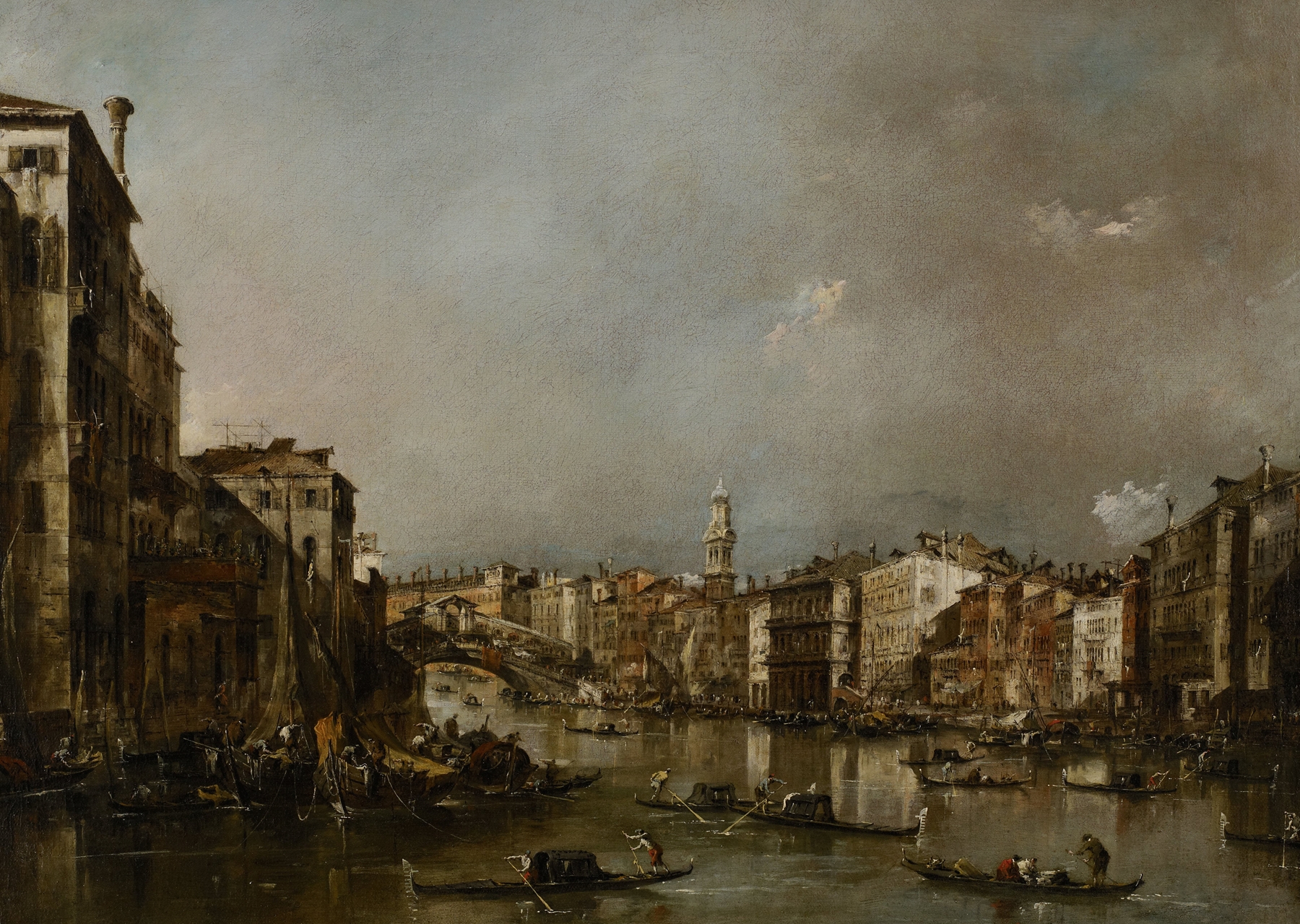
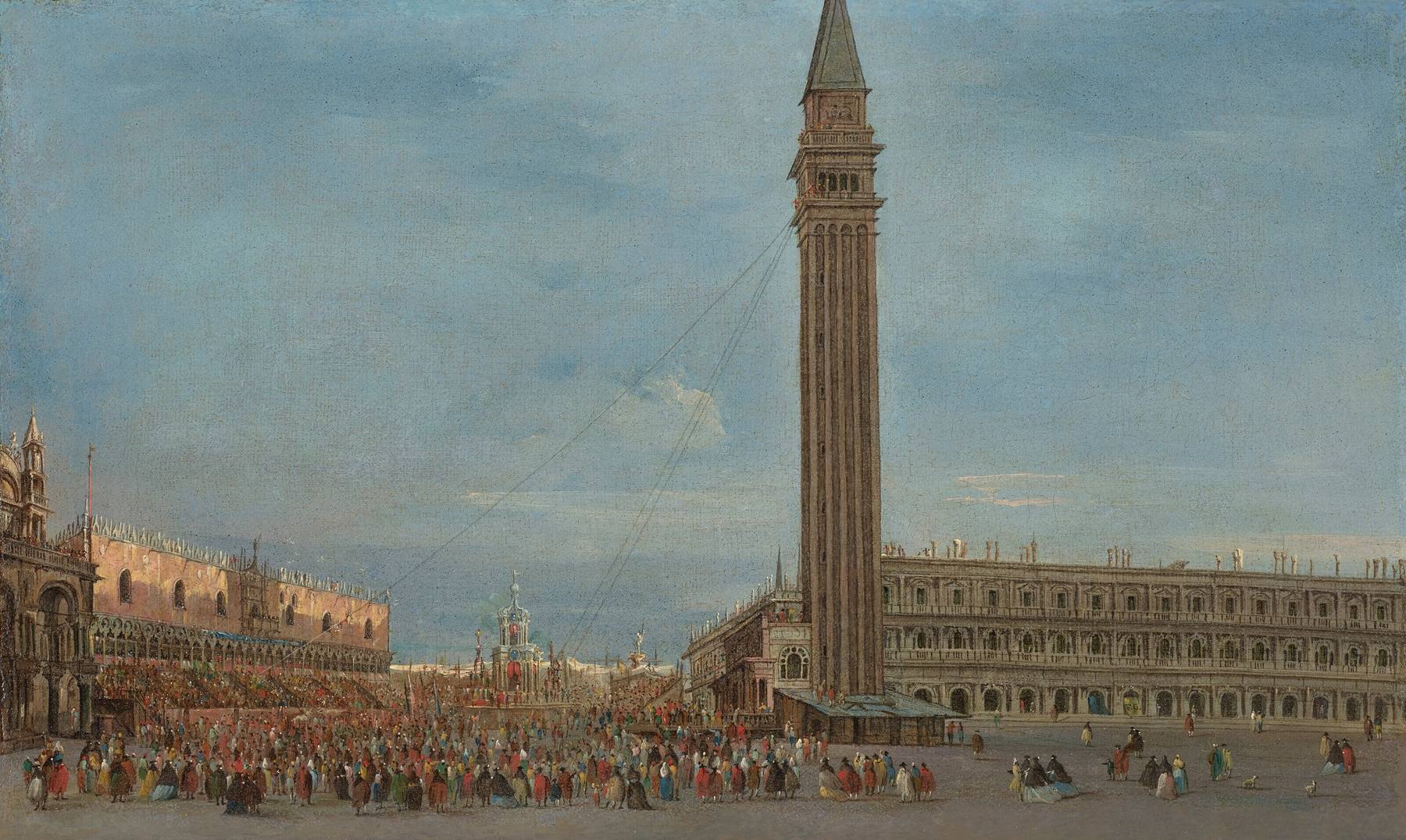
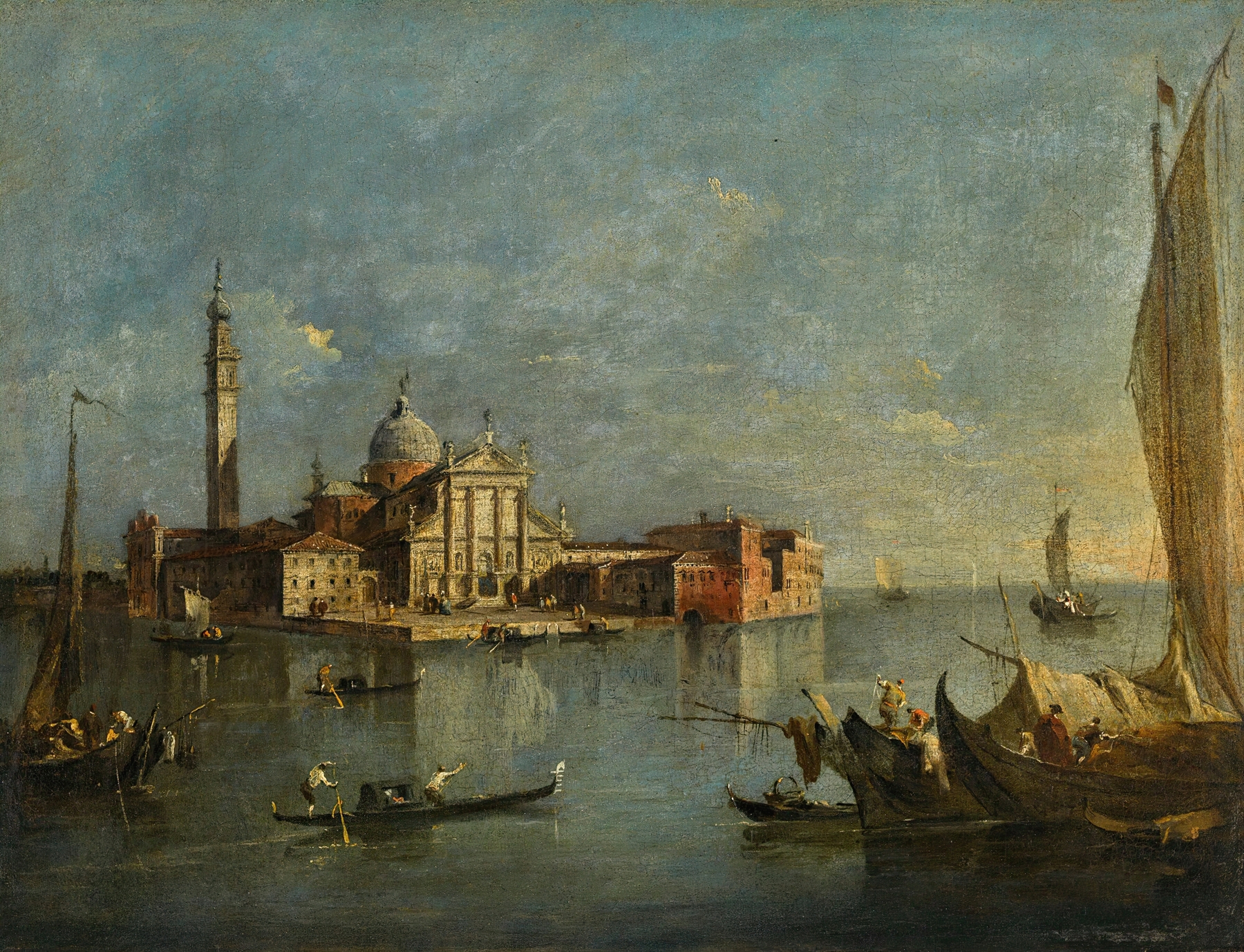
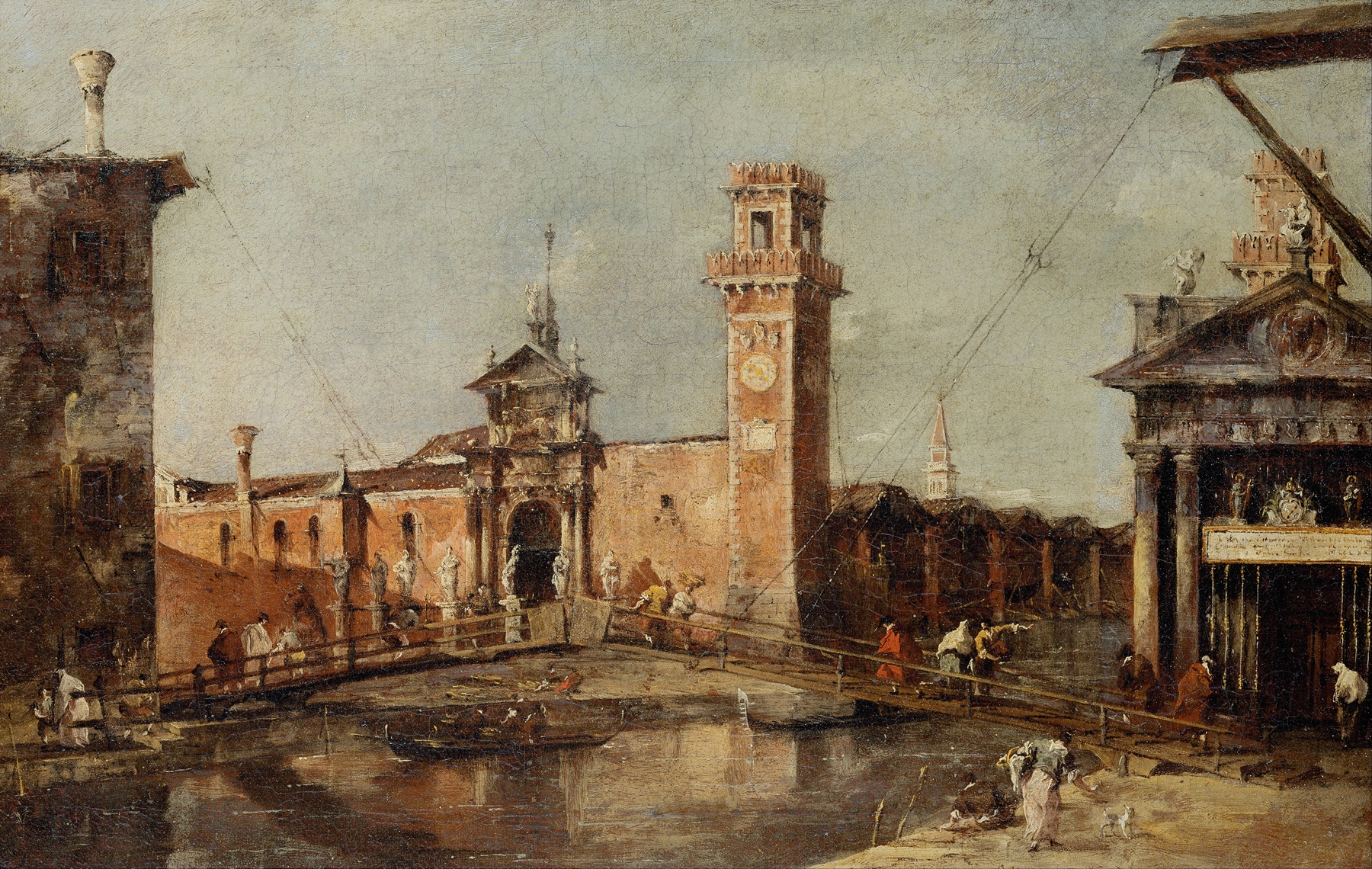
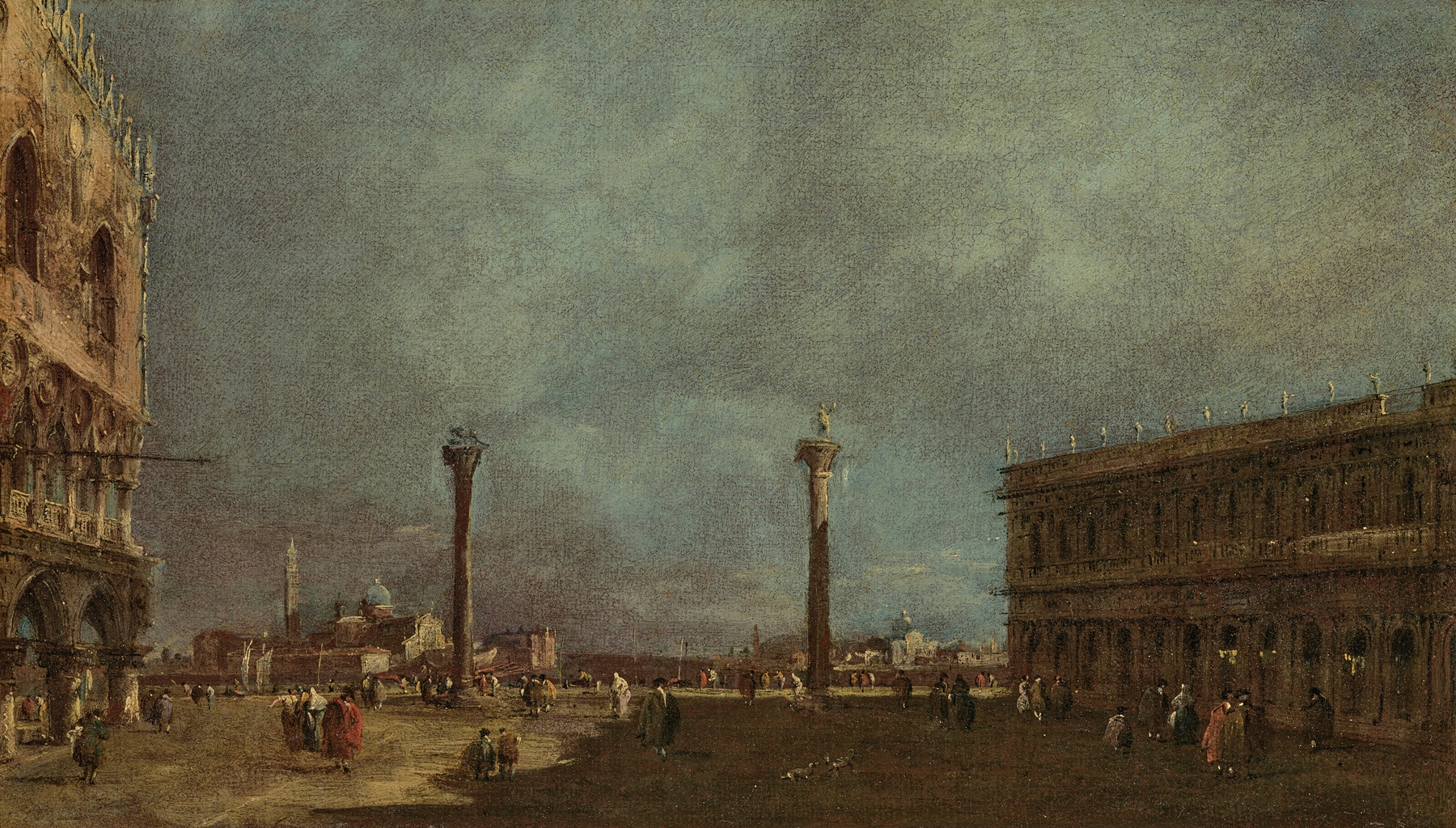
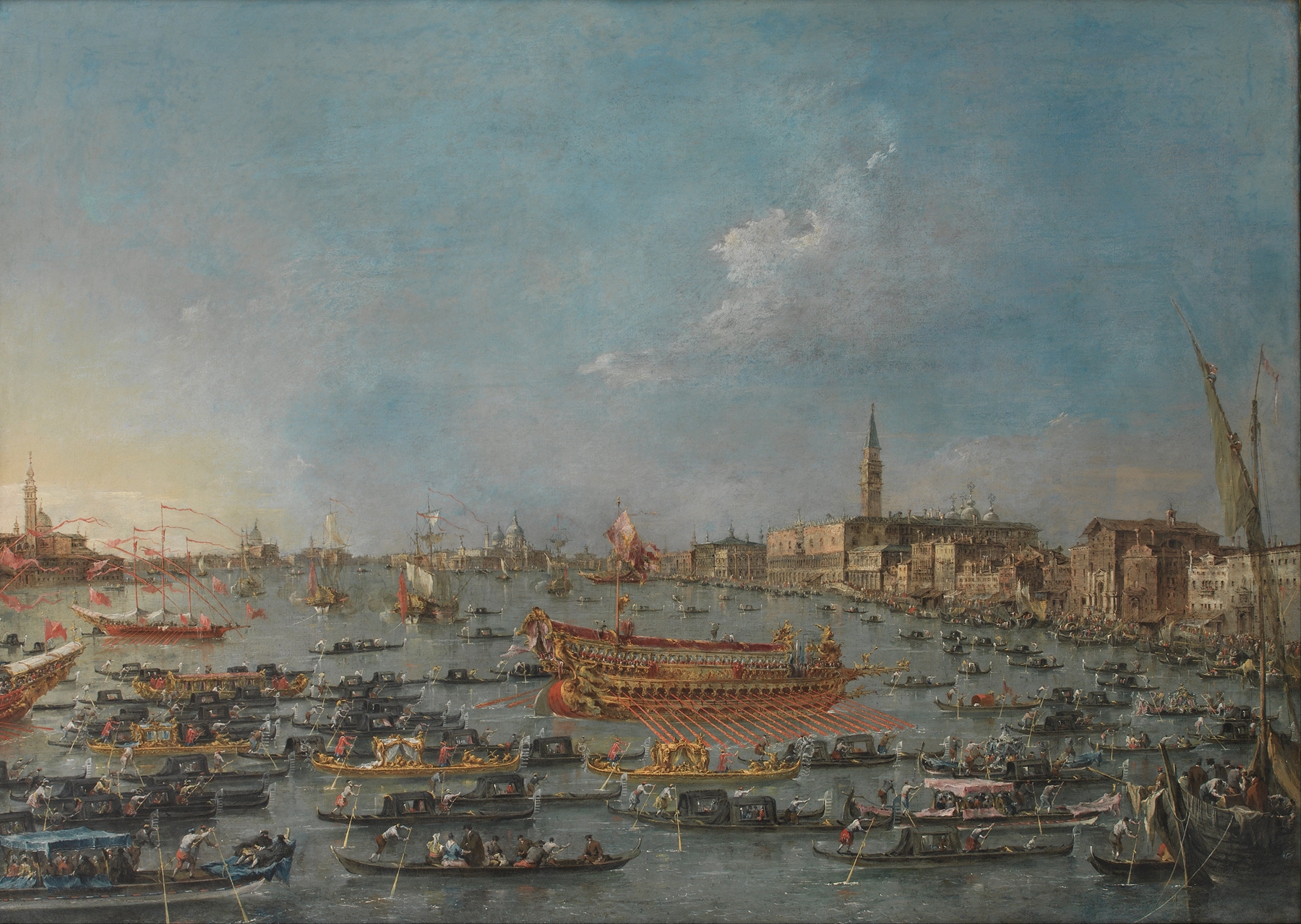
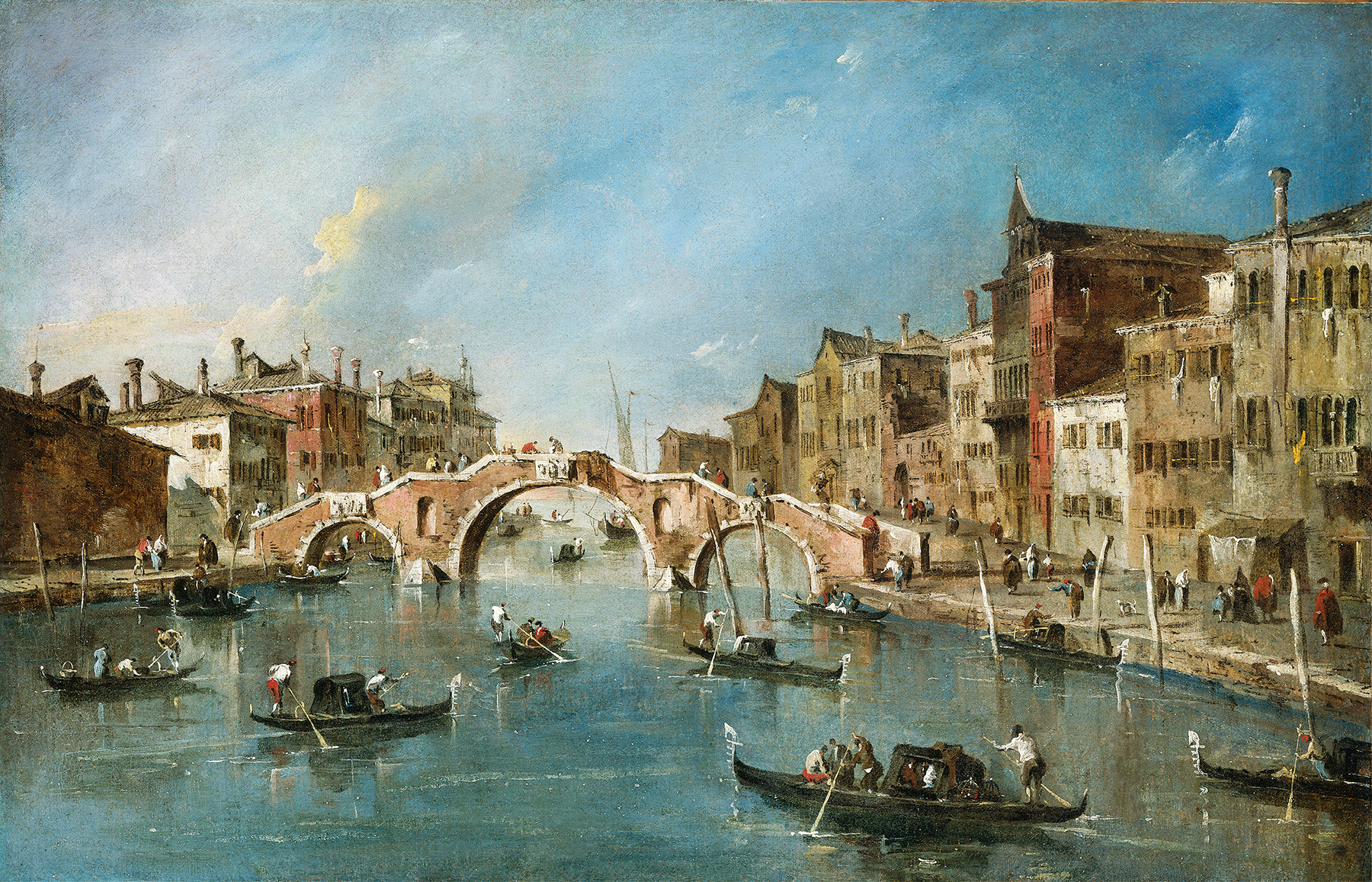
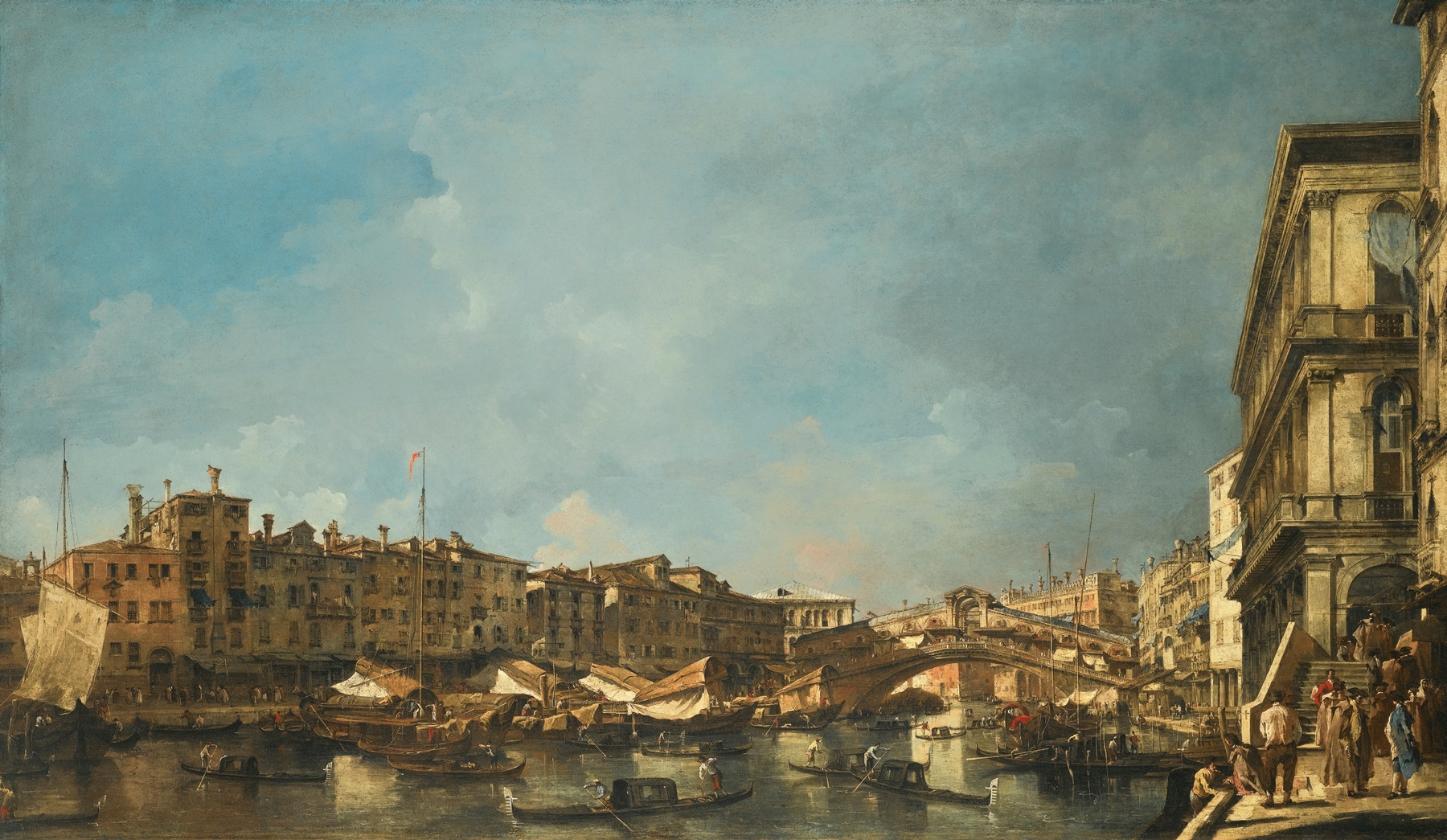
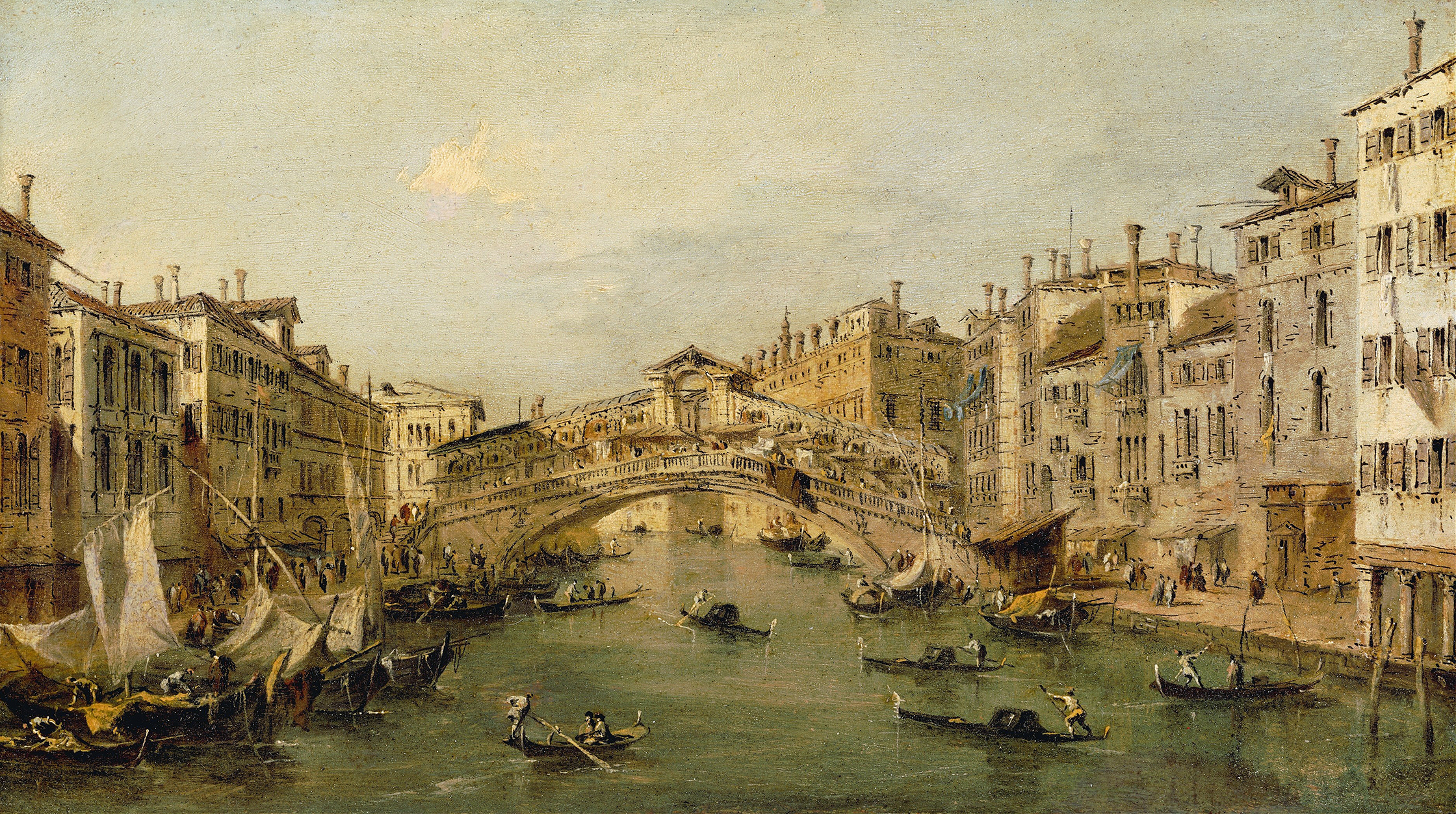
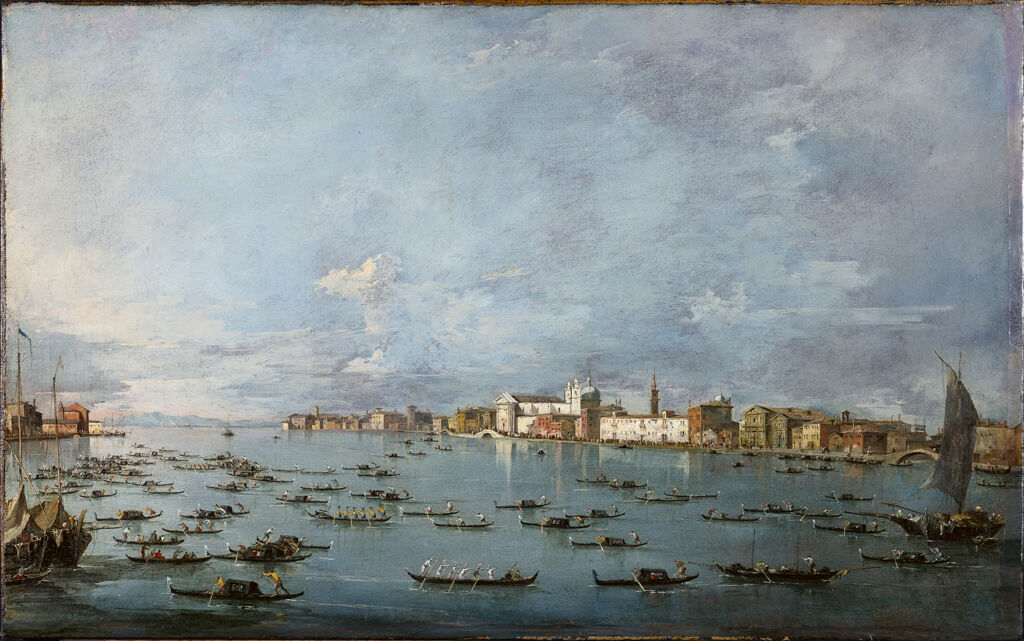
What if beauty was never meant to be finished? A lingering question echoes in the soft hues of watery reflections and the ethereal dance of light across the canvas. Look to the left at the gentle arch of the Venetian buildings, their facades bathed in the warm glow of sunset. The palette is rich with pastel pinks and deep blues, evoking a timeless allure. As your gaze travels down to the water, notice how the brushstrokes create a shimmering texture that captures the movement of the waves, blurring the line between reality and dream.
Guardi’s delicate perspective draws the viewer into a scenic embrace, inviting you to wander through this serene canal-side moment. Beneath the picturesque exterior lies a profound exploration of transience and yearning. The figures engrossed in their daily lives are mere whispers against the backdrop of architectural grandeur, symbolizing the ephemeral nature of beauty and existence. The scattered boats hint at journeys both taken and yet to come, while the fading light suggests an inevitable farewell, deepening the emotional resonance.
Each detail, from the soft ripples to the distant silhouettes, reinforces the tension between permanence and the fleeting nature of time. Guardi painted this work during the late 18th century, a period marked by a growing interest in Romanticism and the sublime. Living in Venice, he captured not only the city's enchanting beauty but also its evolving identity amidst sociopolitical changes. This was a time when artists sought to convey emotion and atmosphere, moving away from rigid classical forms, and Guardi emerged as a significant figure in that shift.