The Four Seasons; Spring — History & Analysis
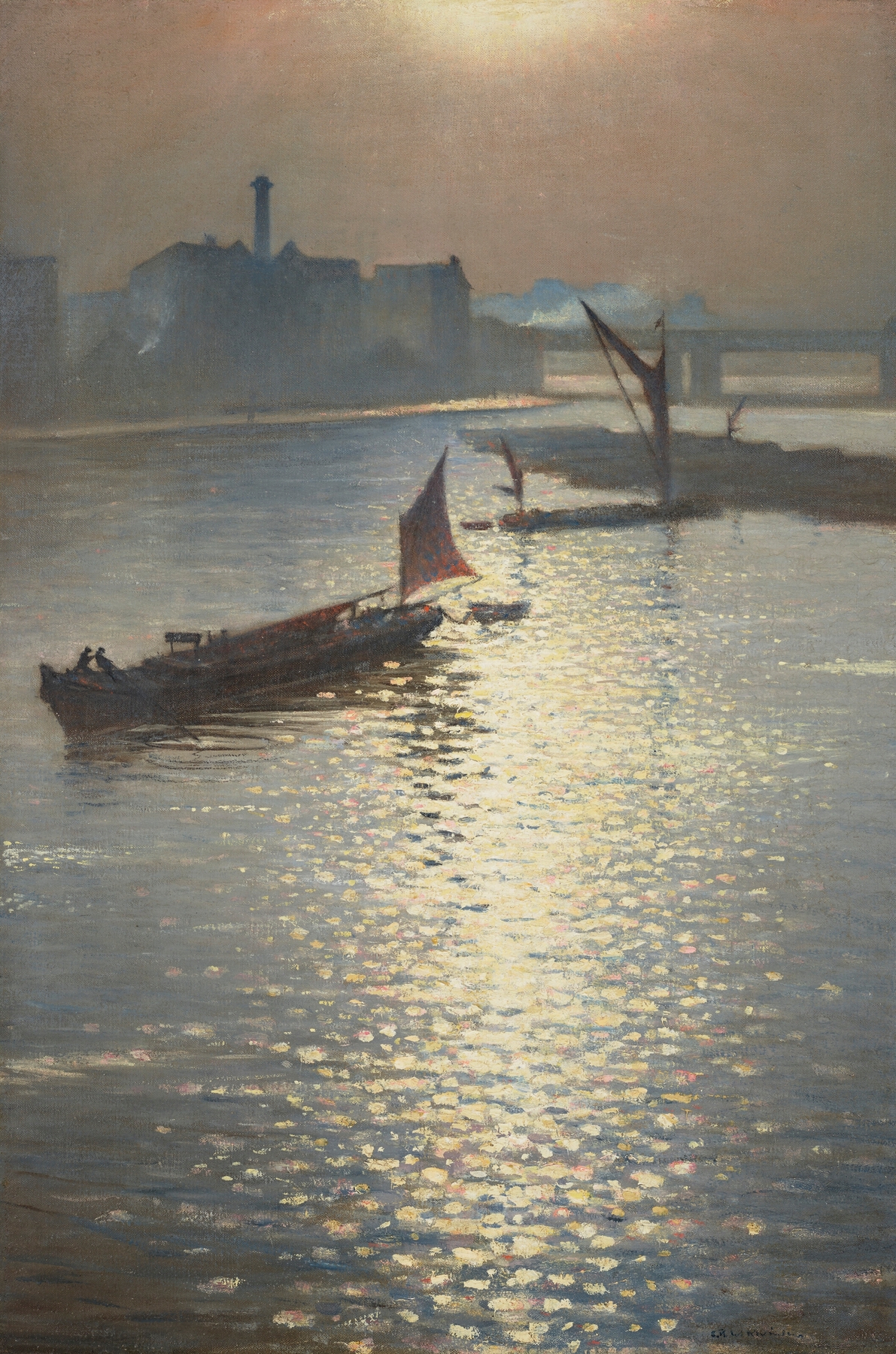
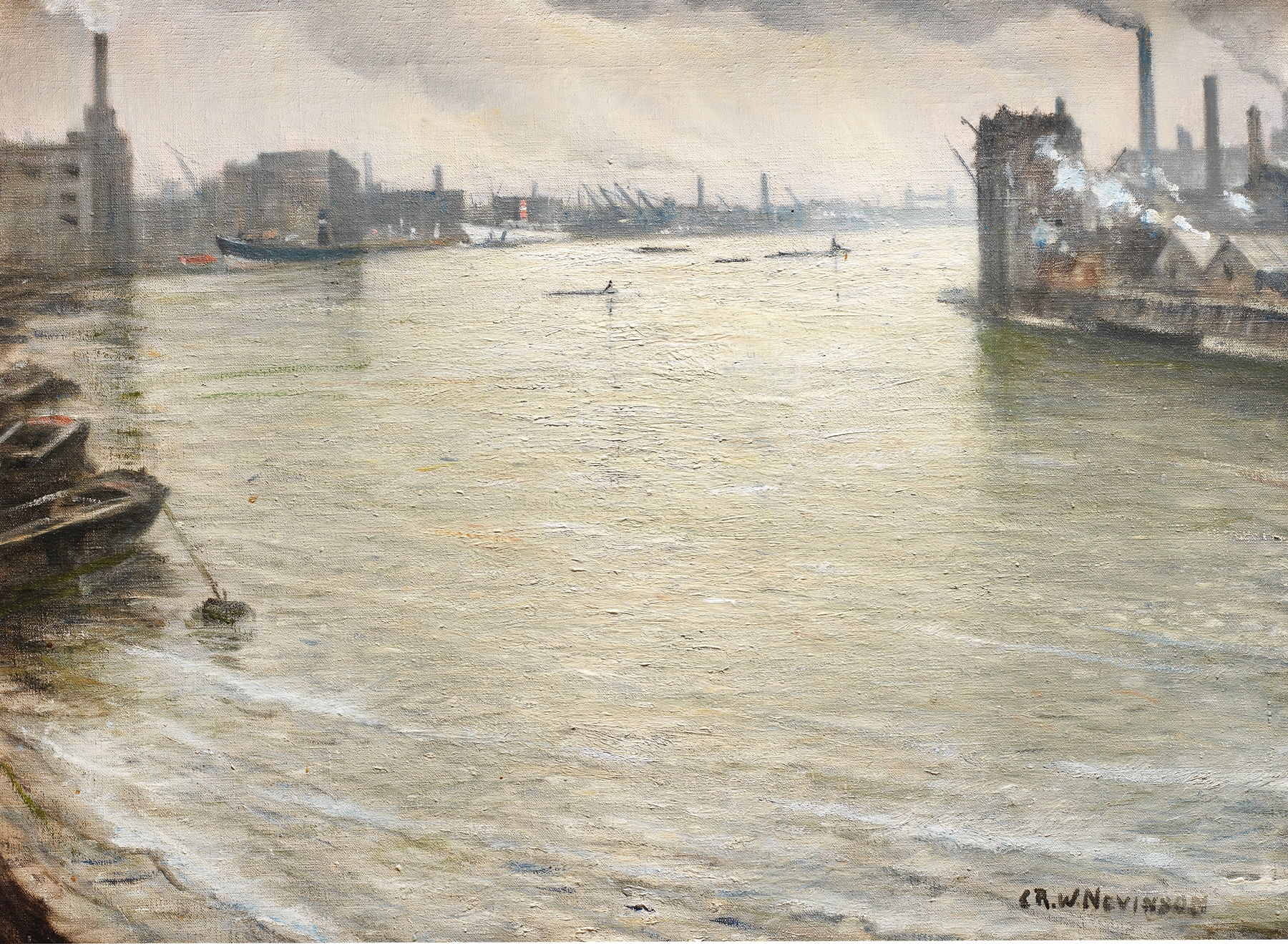
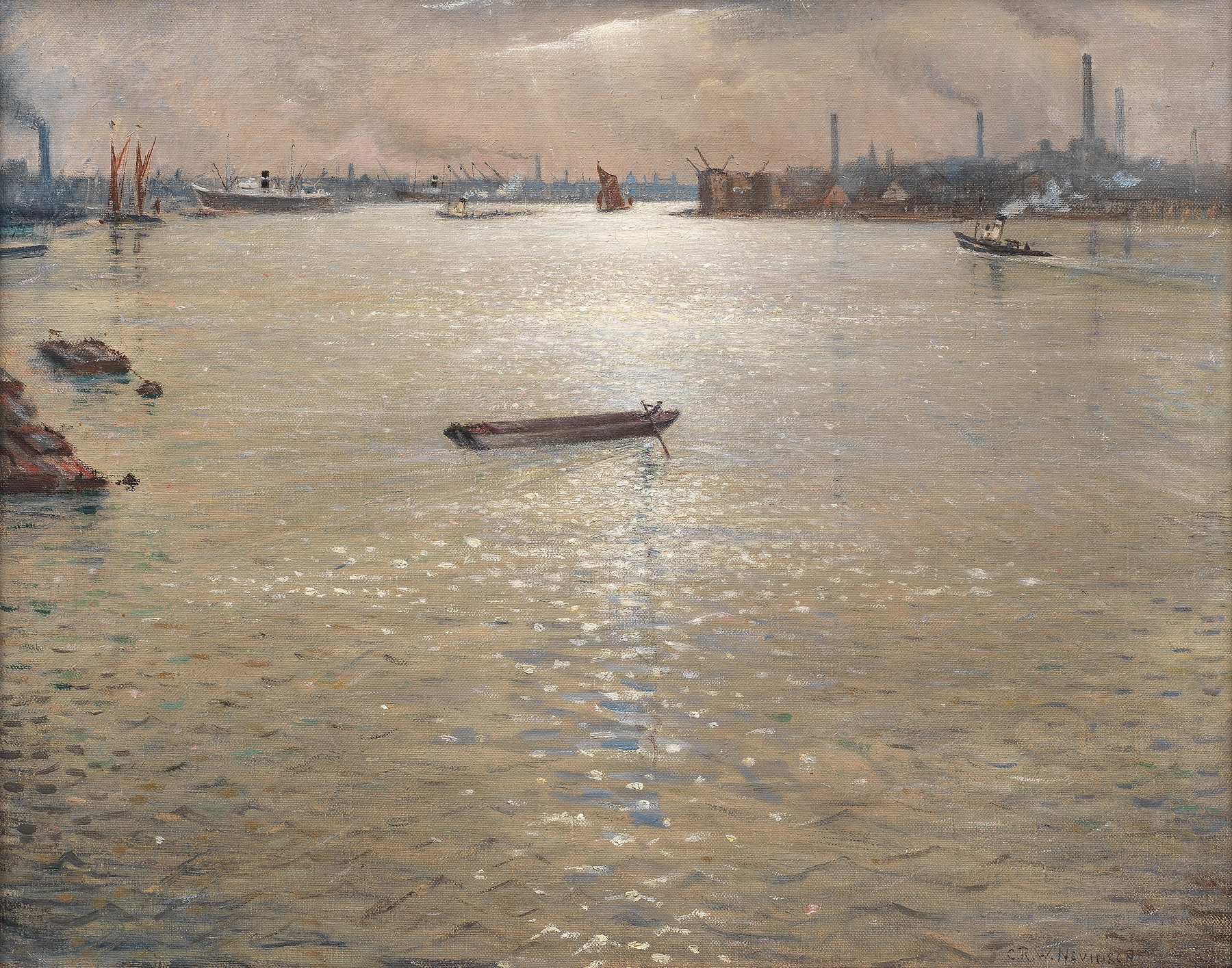
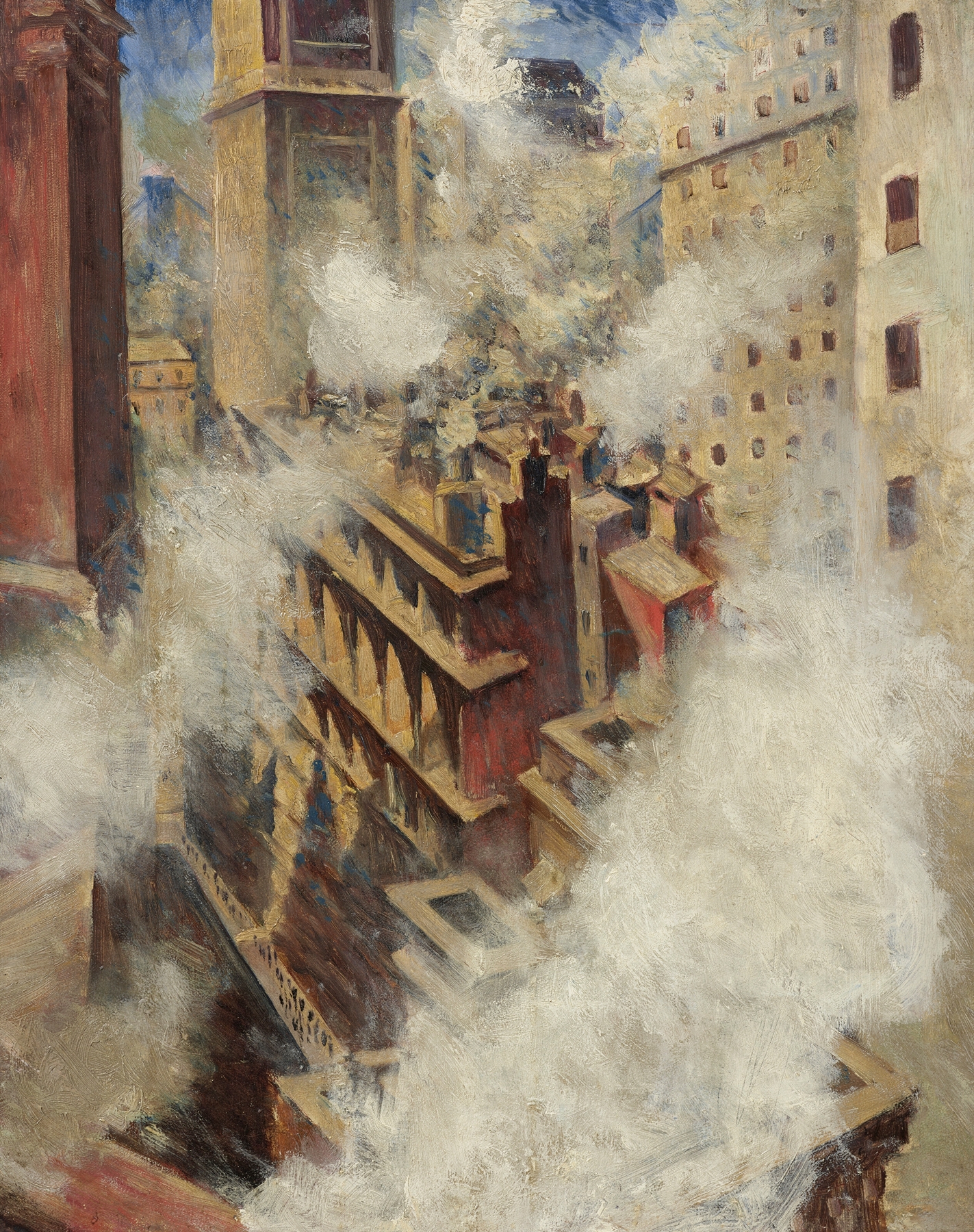
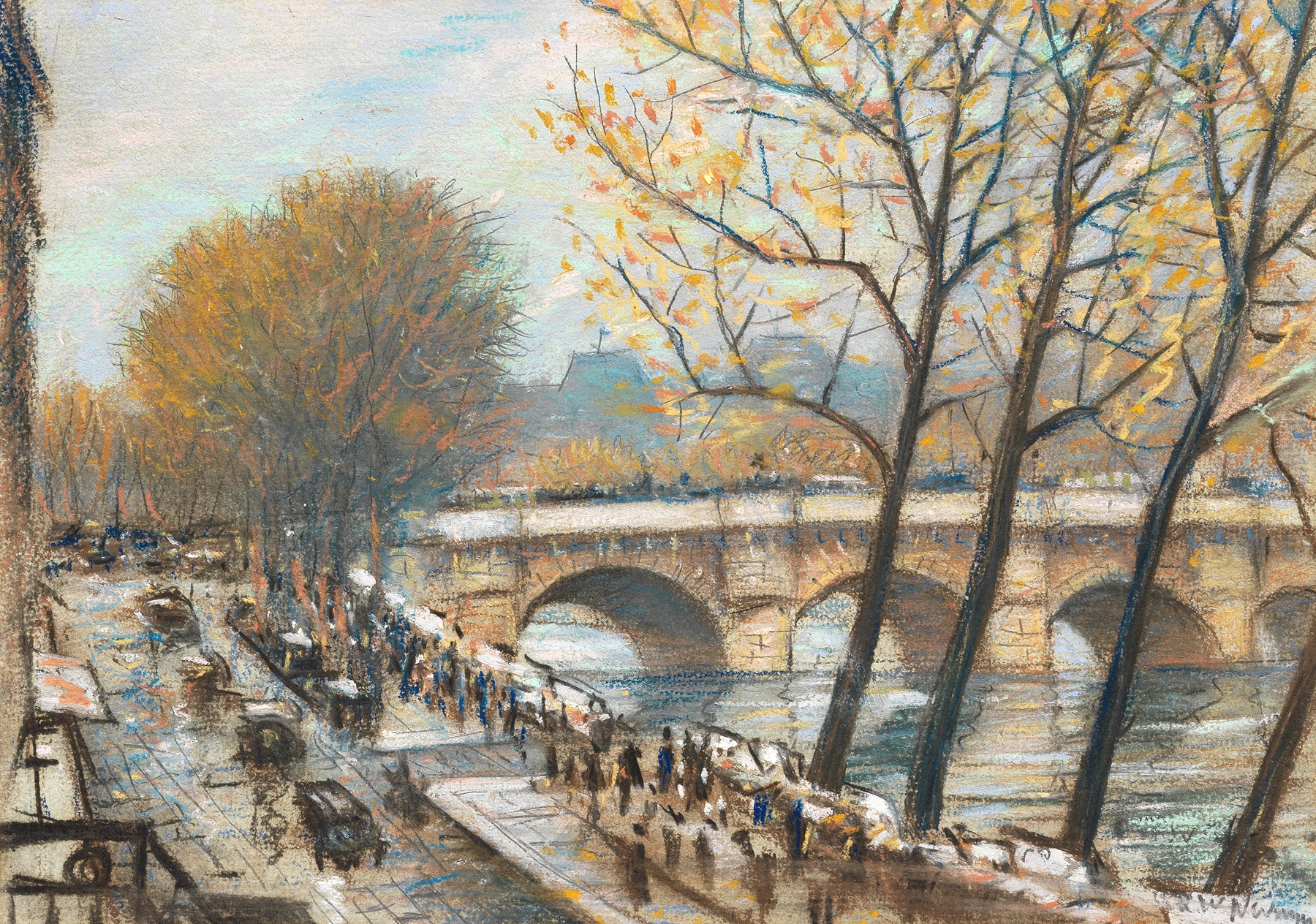
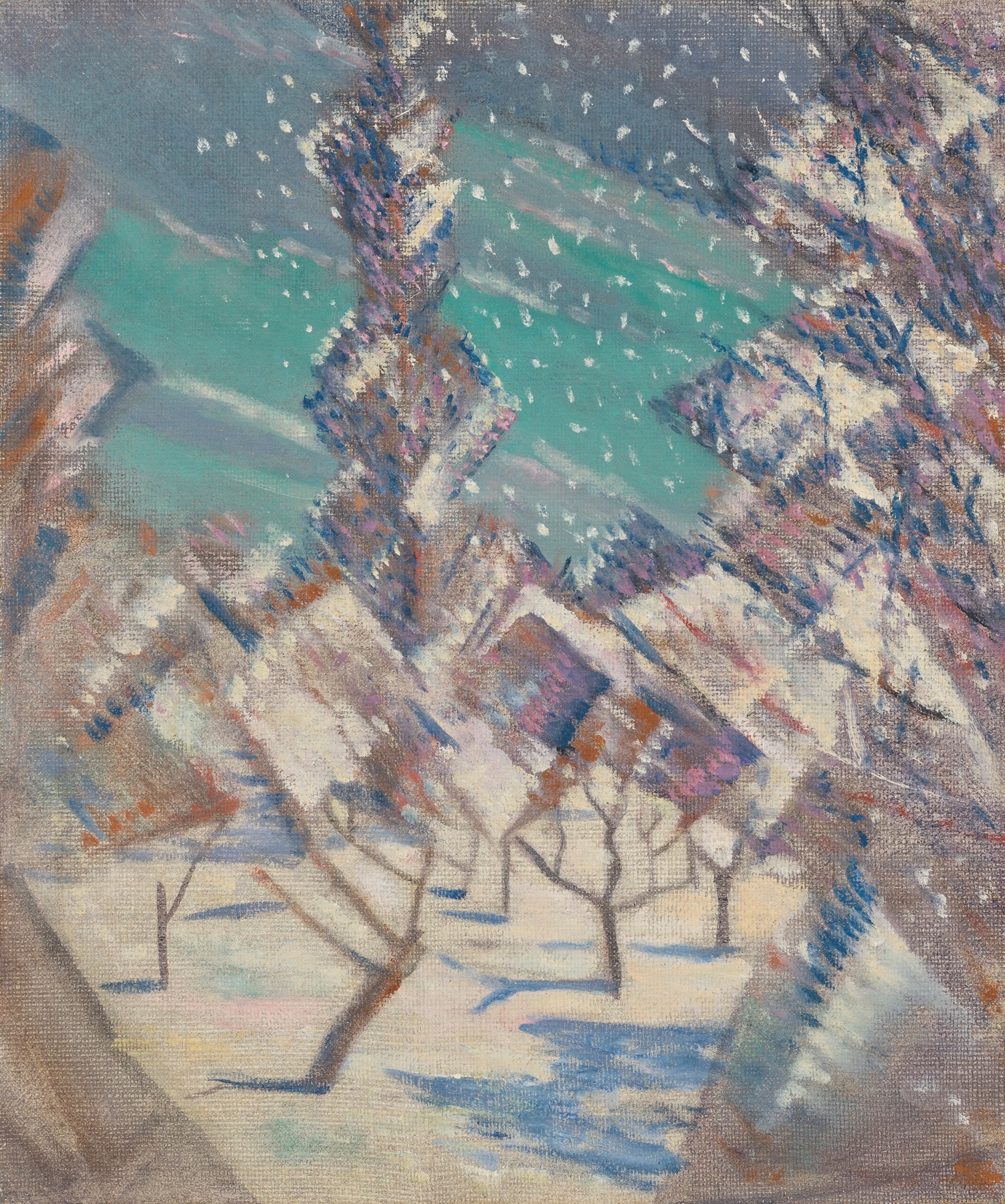
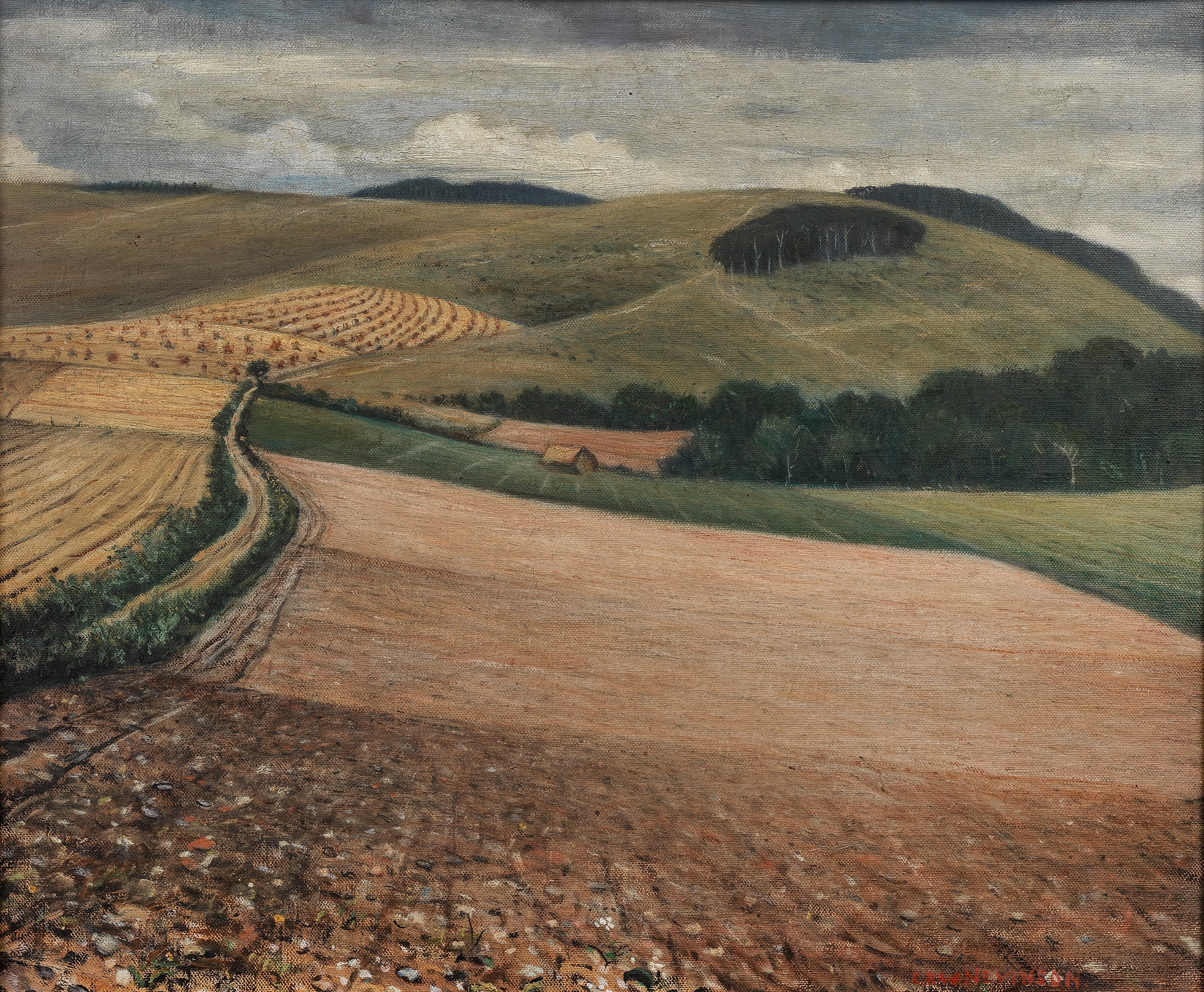
“Between color and silence, truth hides.” In an age defined by tumult, the promise of renewal whispers through the vibrant strokes of color. Herein lies an invitation to witness the awe of nature's rebirth, nestled within the canvas—a realm where life stirs anew. Look to the left at the delicate blend of greens and pastel hues, where the budding flora emerges from the earth, each stroke pulsating with energy. The artist employs a palette of soft pinks and yellows that cascade across the horizon, capturing the essence of spring’s awakening. Notice how the sweeping brushstrokes create a rhythmic flow, guiding the eye along the undulating landscape, each curve both a celebration of life and a tribute to fleeting moments.
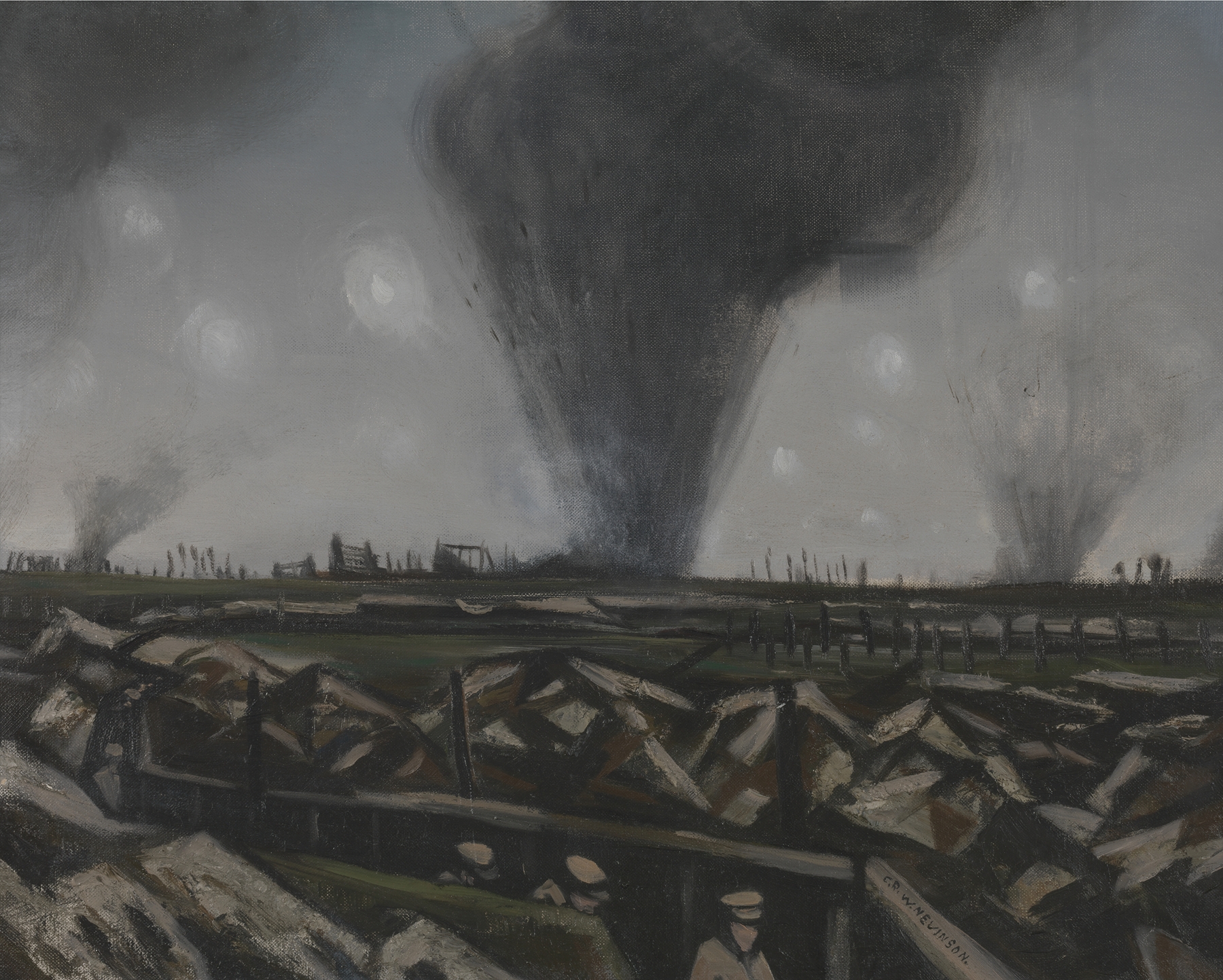
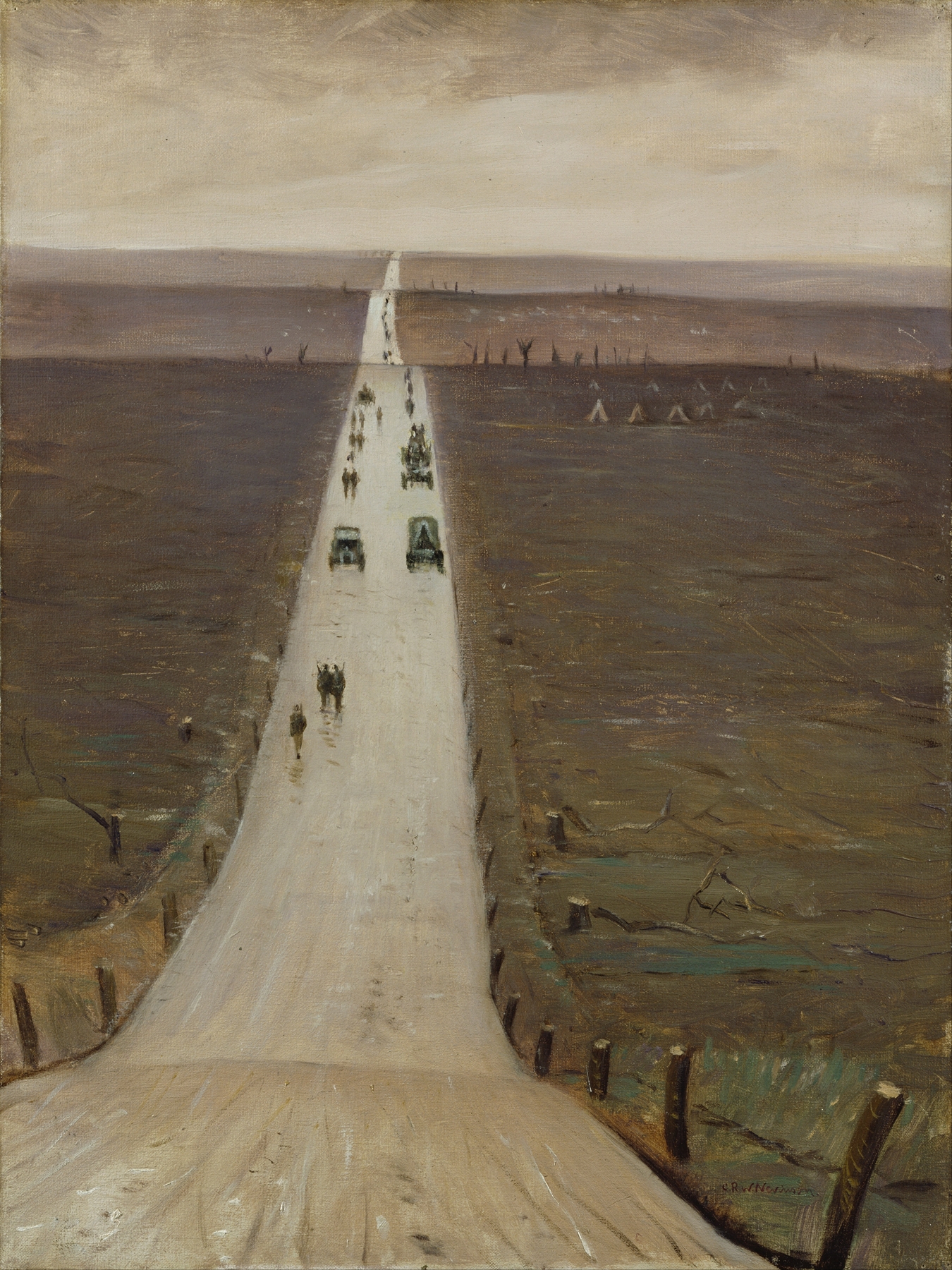
Within this landscape, contrasts pulse beneath the surface. The bright colors symbolize hope and vitality, yet there is an underlying tension, as the harsh lines of darkness hint at the remnants of winter. The juxtaposition of light and shadow conveys both the fragility and resilience of life. Each blossom holds a promise, yet the shadows remind us of the persistent weight of what has passed, intertwining beauty with a sense of longing. In 1918, The Four Seasons: Spring emerged amidst the shadows of World War I, a time when Christopher R.
W. Nevinson grappled with the duality of creation and destruction. Working in London, he drew from a world that yearned for peace while struggling with chaos. This work serves as both a reflection of his personal journey and a collective yearning for renewal, embodying the hope that blossoms even in the darkest of times.