The Road from Arras to Bapaume — History & Analysis
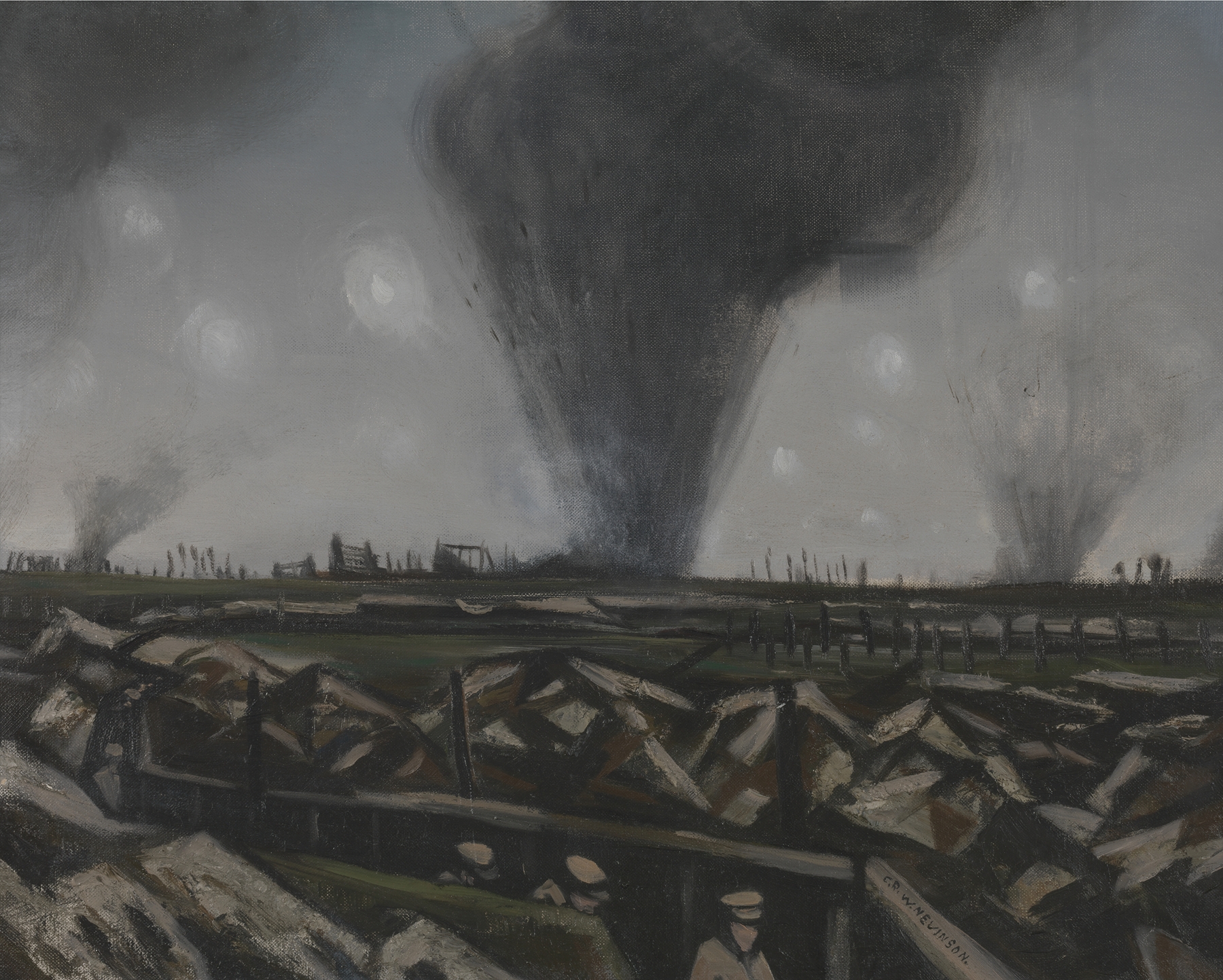
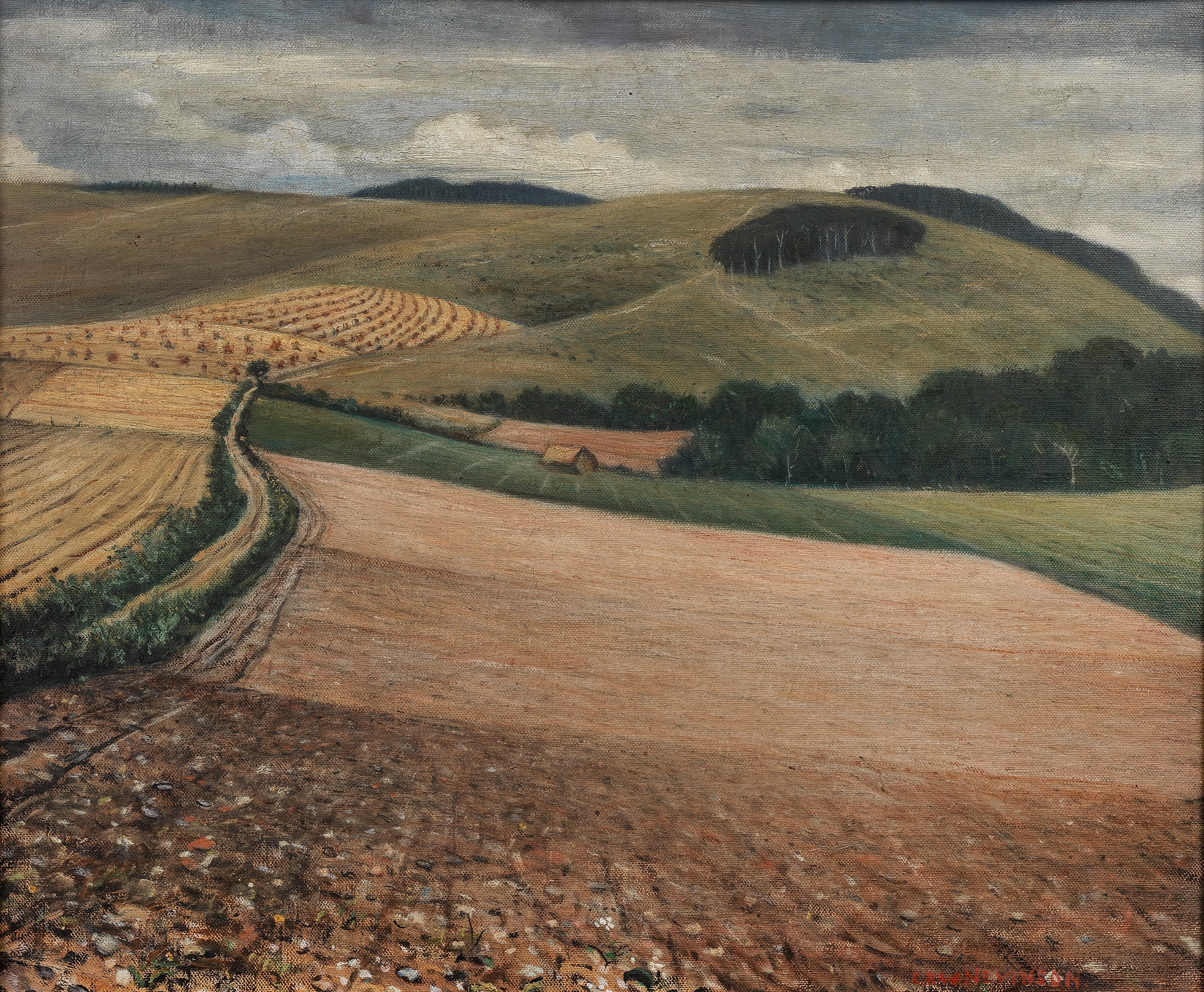
Can beauty exist without sorrow? The intricate layers of existence reveal an eternal interplay between the two, making the legacy of a moment truly profound. Look to the center of the canvas, where a winding road snakes away into the horizon, flanked by ominous clouds that seem to pulsate with emotion. The artist's bold use of palette plays a crucial role here; deep greens and muted browns contrast starkly with the haunting grays above, evoking a sense of foreboding.
The geometric arrangement of the landscape draws our eye along the path, a journey interrupted by the looming specter of war that permeates the scene. In the distance, the brushstrokes evoke both movement and stillness, suggesting the passage of time and the weight of history resting heavily on this route. The stark absence of any human presence serves as a testament to the desolation left in the wake of conflict, yet the vibrant hues remind us of nature’s resilience. Each color choice, from the sickly yellow to the threatening slate, pulsates with an urgency that compels the viewer to reflect on the contrast between serenity and chaos.
Created during the tumultuous era of World War I, the artist painted this piece while grappling with the realities of a war-torn Europe. As a British painter significantly influenced by Futurism, he sought to capture the emotional landscape of the time, reflecting on the destruction and loss that shaped a generation. This painting stands as a somber legacy, a reminder of beauty forged in the crucible of sorrow.