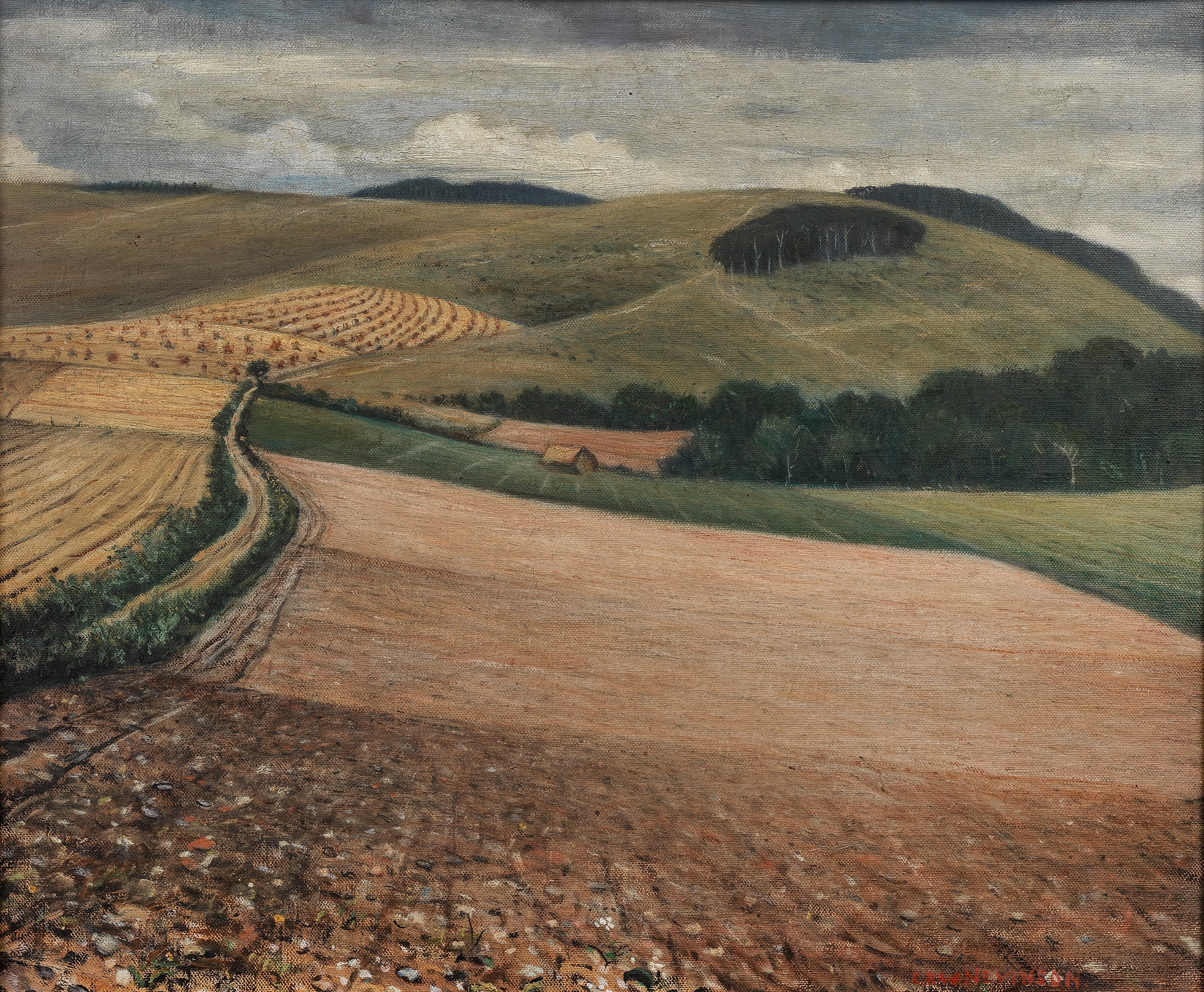
The Four Seasons; Winter — History & Analysis
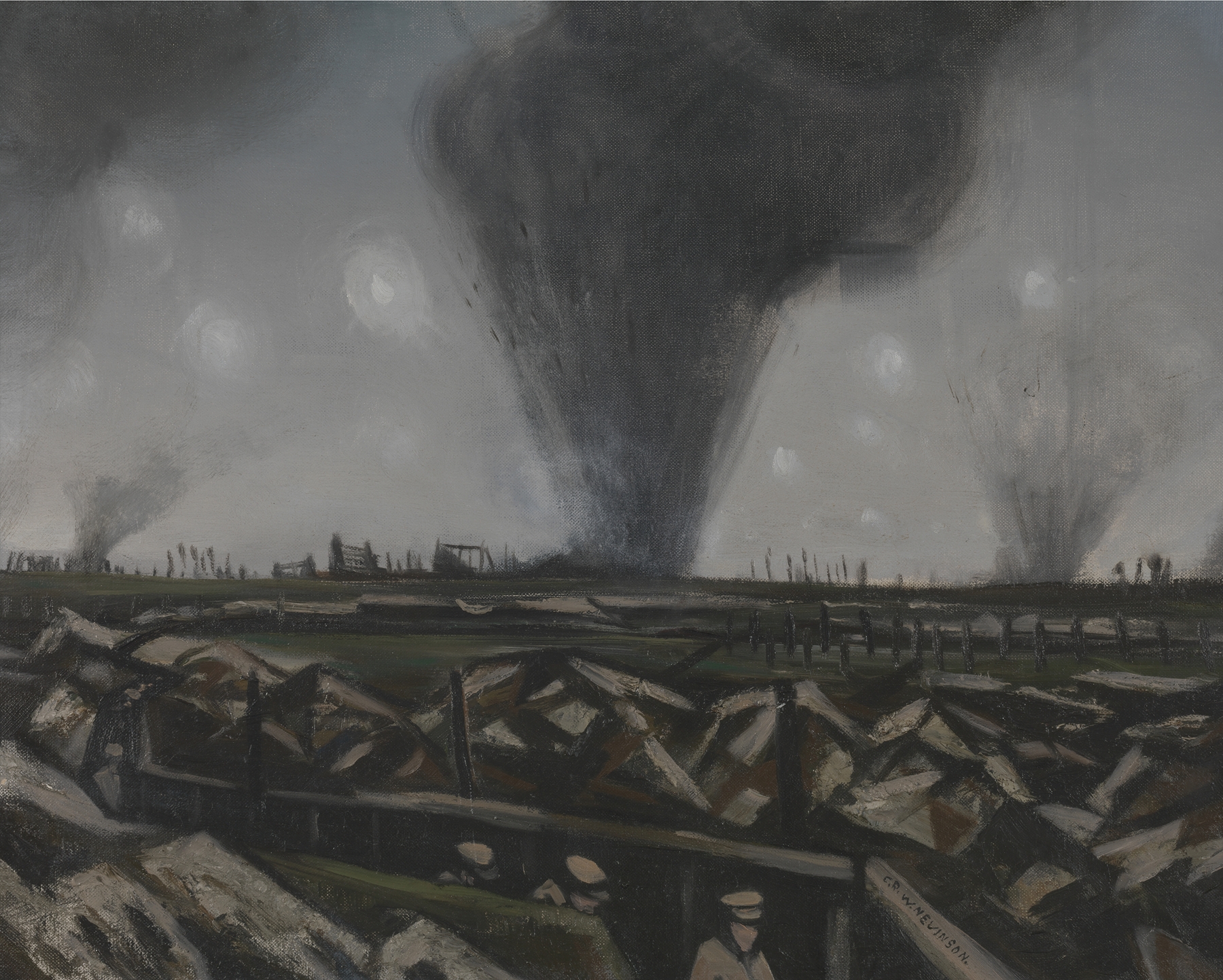
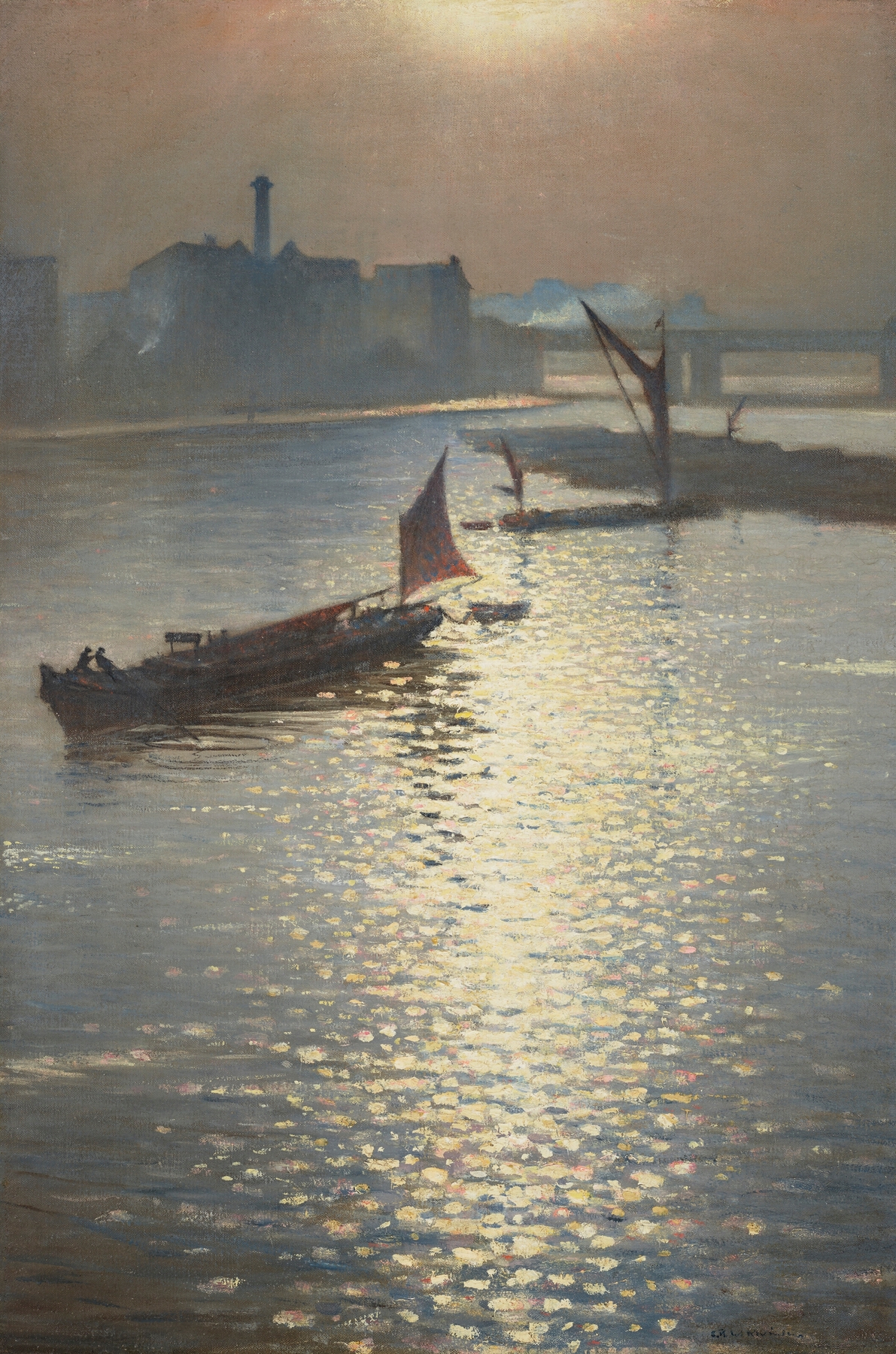
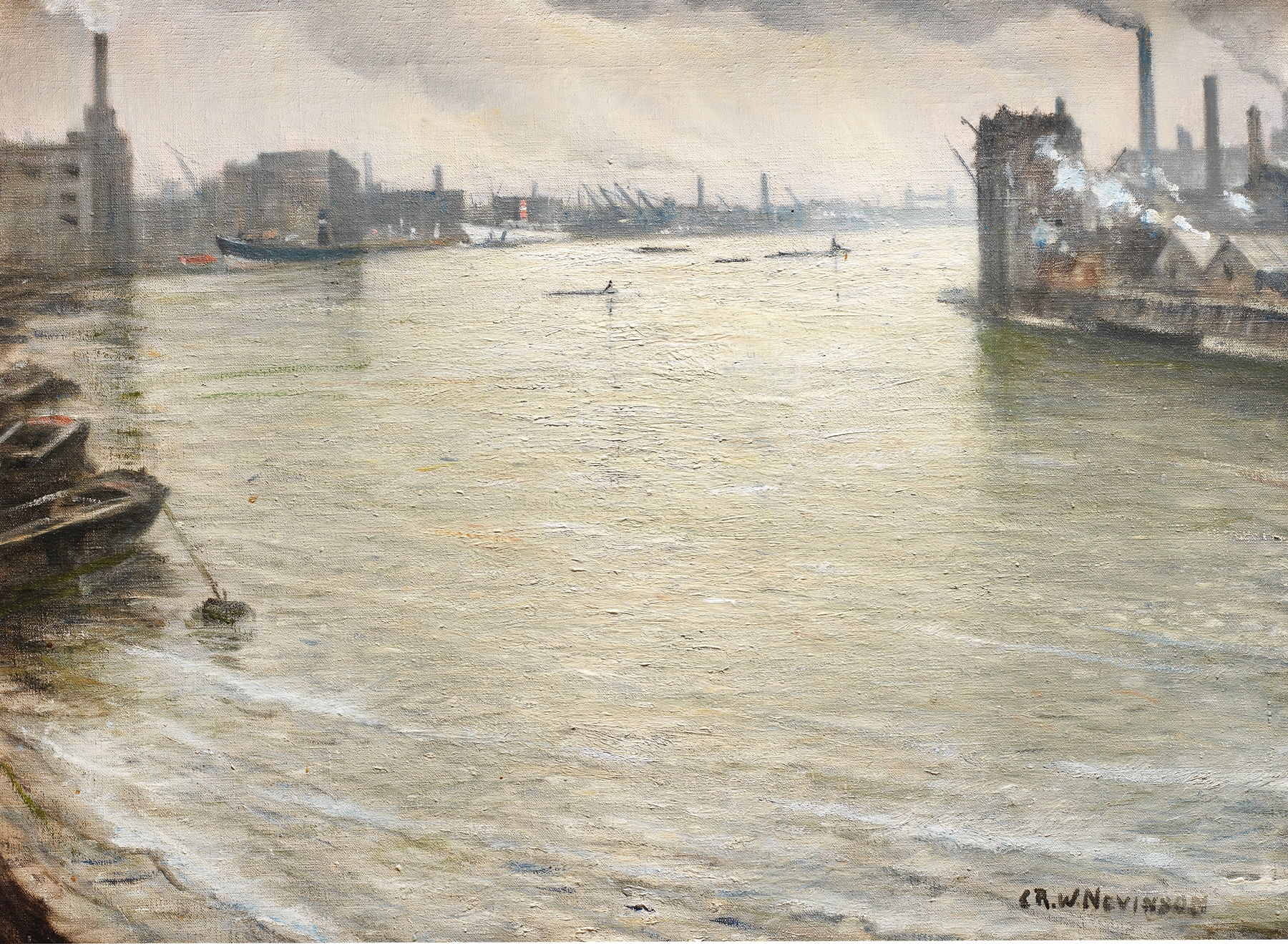
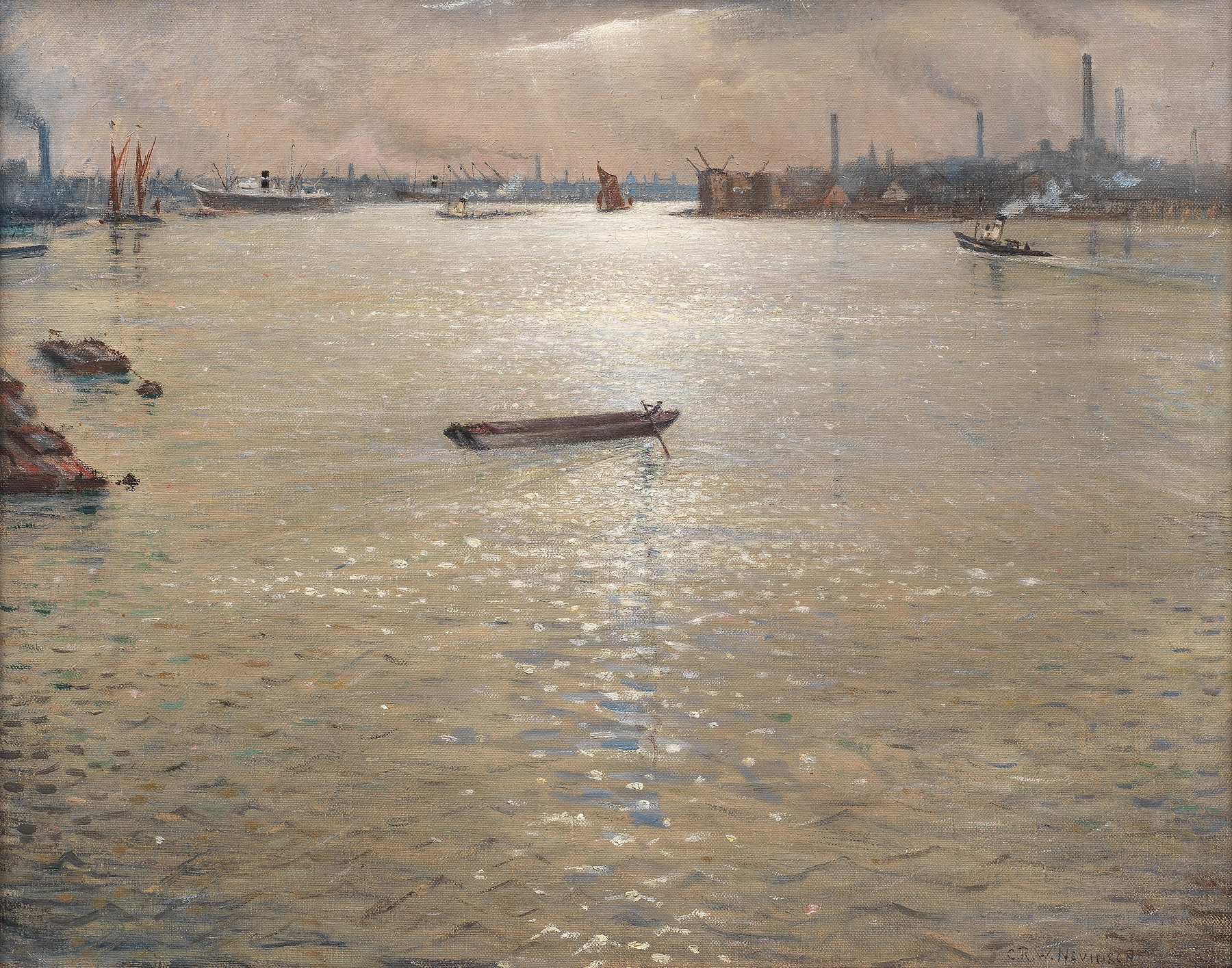
Could a single brushstroke hold eternity? In the realm of artistic expression, the echoes of loss resonate deeply, manifesting through the intricate layers of emotion. Focus on the bold, sweeping strokes of white and grey that dominate the canvas, invoking the chill of winter’s grasp. Notice how the artist utilizes sharp contrasts to depict the starkness of a barren landscape, where the horizon merges with a swirling sky, hinting at both desolation and fleeting beauty.
Look closely at the textured brushwork which seems to vibrate with the breath of cold air, drawing the viewer into a world that is both hauntingly beautiful and achingly empty. The scene is steeped in the tension between life and death, reflecting a profound sense of isolation. The absence of human figures amplifies the emotional weight, suggesting a lingering sorrow for what has been lost. Soft hints of color peek through the icy palette, indicating a flicker of hope amidst the cold, yet they are overshadowed by the omnipresent white, a relentless reminder of winter’s unforgiving nature.
Each stroke tells a story, capturing the essence of stillness that comes when all life recedes. In 1918, Nevinson created this piece while grappling with the aftermath of World War I, a time when the world stood on the precipice of change and devastation. Living in London, he was part of a broader movement exploring the psychological impacts of conflict through art. The somber tones and stark visuals of The Four Seasons; Winter encapsulate the collective grief of a post-war society, embracing the weight of loss while hinting at the resilience of the spirit.