Autumn in Paris — History & Analysis
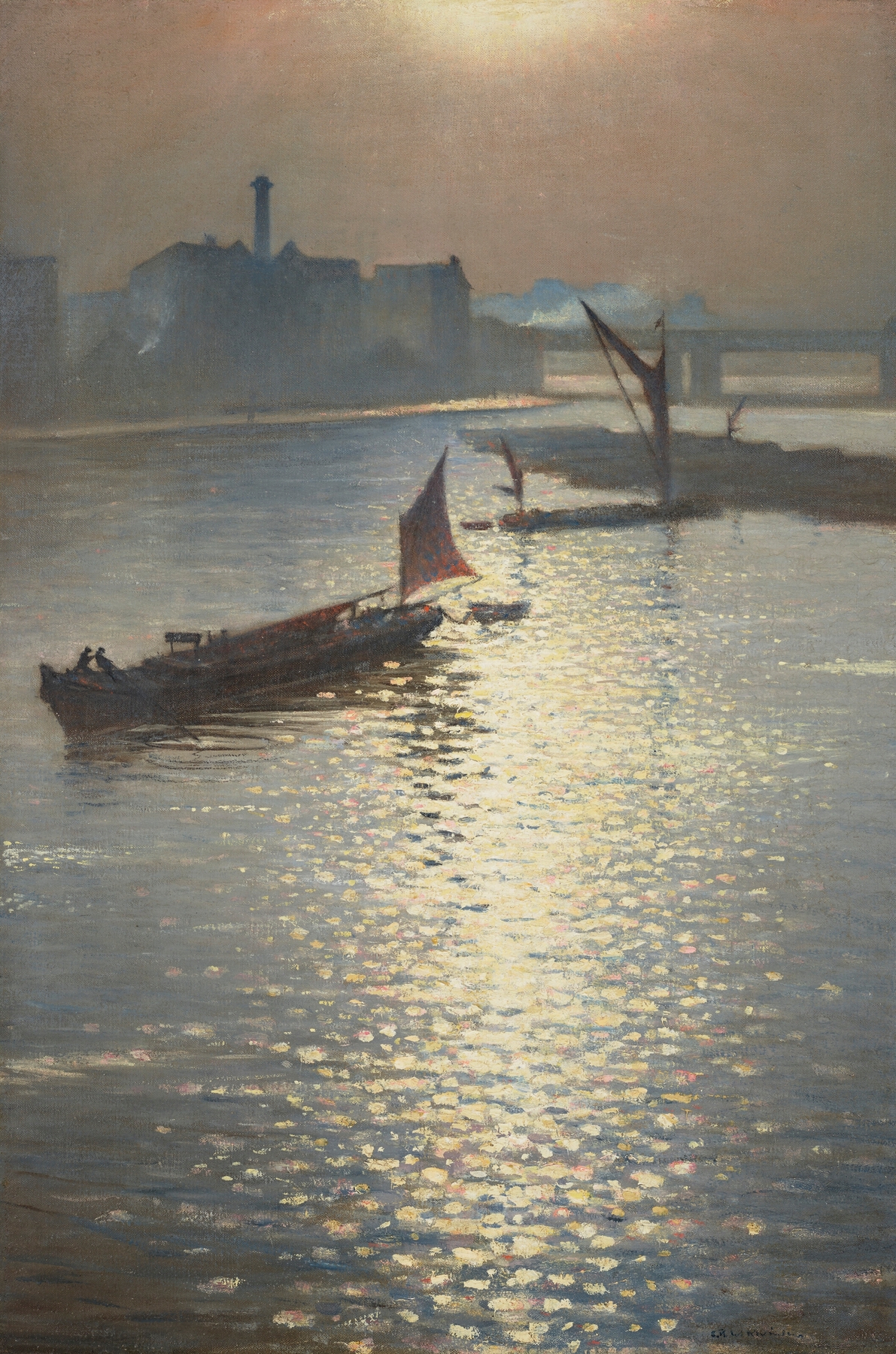
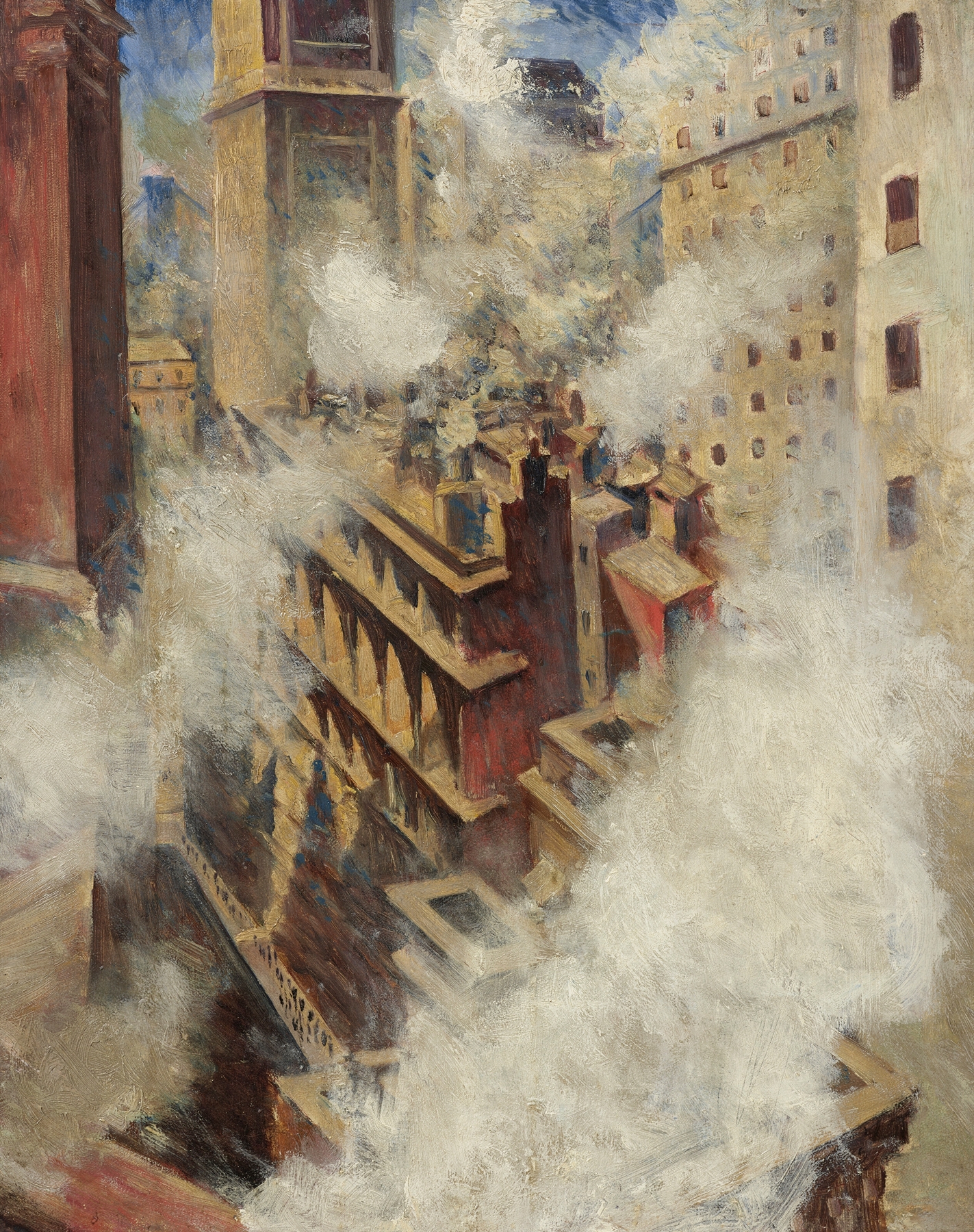
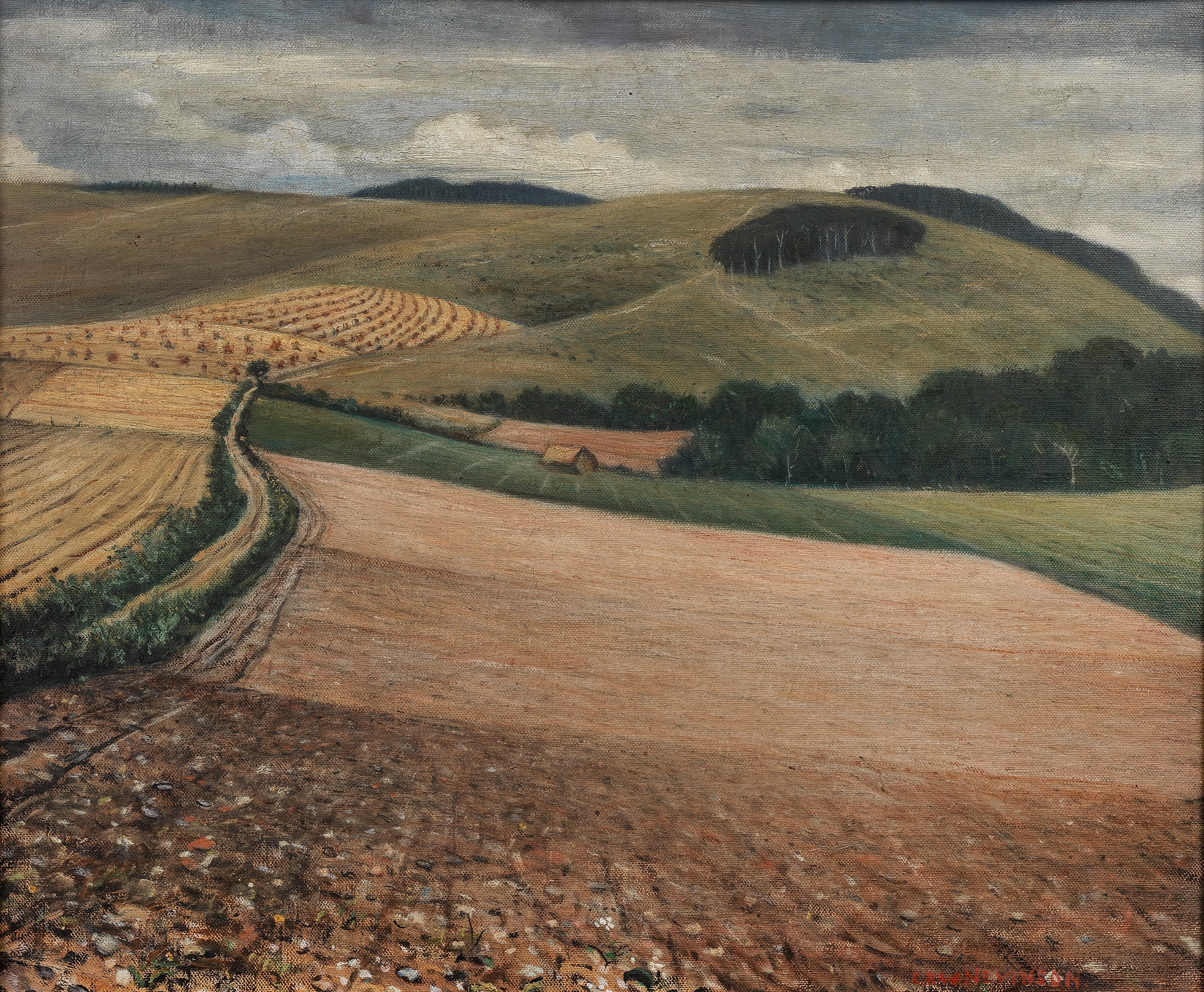
Did the painter know this moment would outlive them? A fleeting season captured, yet tinged with the bittersweet taste of betrayal. Look to the left at the gnarled branches, their skeletal limbs reaching out against the backdrop of an amber sky. The vivid oranges and earthy browns swirl together, evoking the decay and vibrancy of autumn. Notice how the brushstrokes pulse with energy, yet carry a certain heaviness, as if the artist poured a part of himself into the composition.
The interplay of light and shadow creates a sense of depth, inviting the viewer to step into this melancholic urban landscape. Beneath the surface, the painting speaks of transience and loss. The solitary figure in the distance, slightly hunched, embodies the weight of solitude in a bustling city. This poignant contrast between the brilliant hues of fall and the starkness of the figure hints at emotional fragmentation—perhaps the betrayal of love or friendship in an unforgiving world.
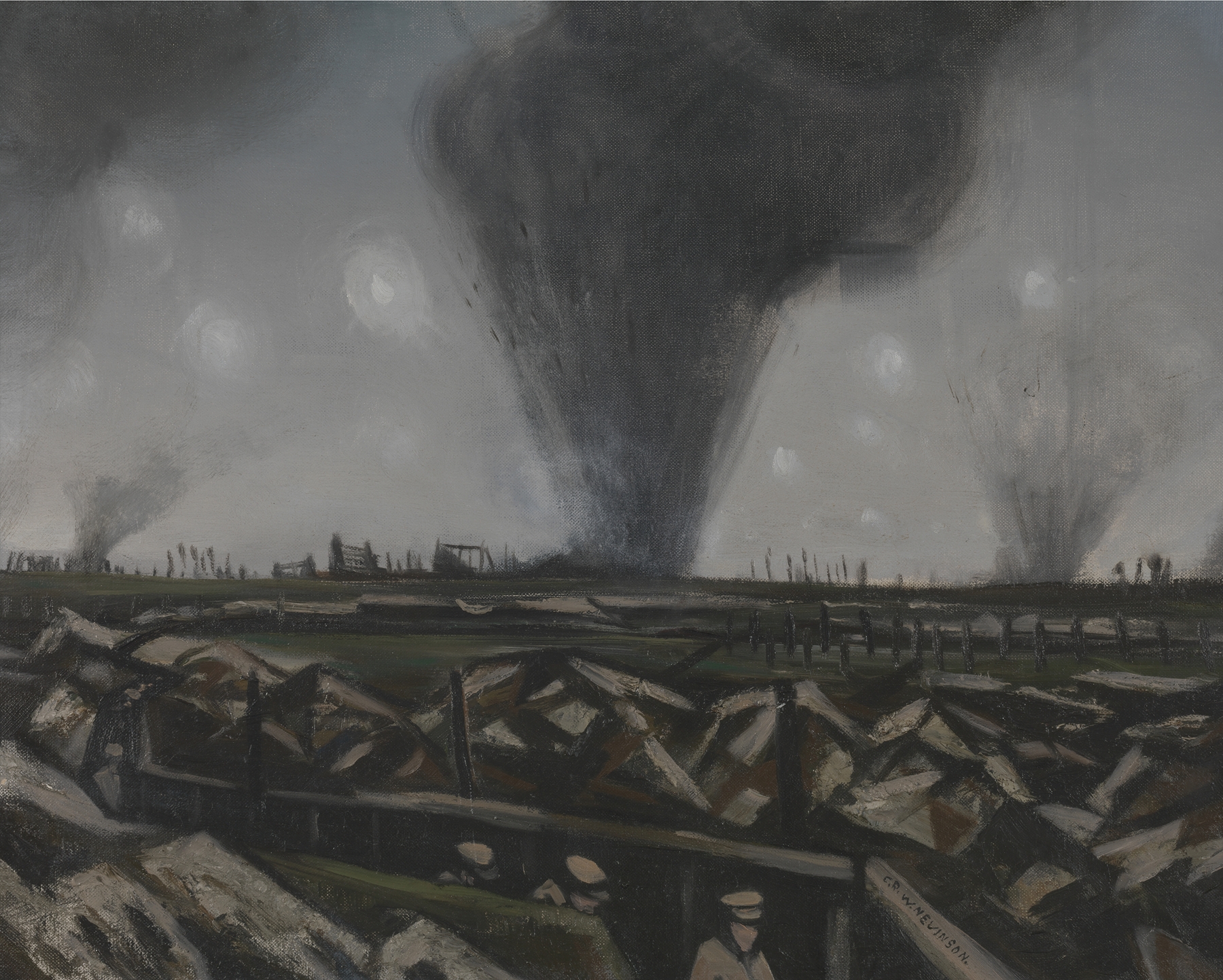
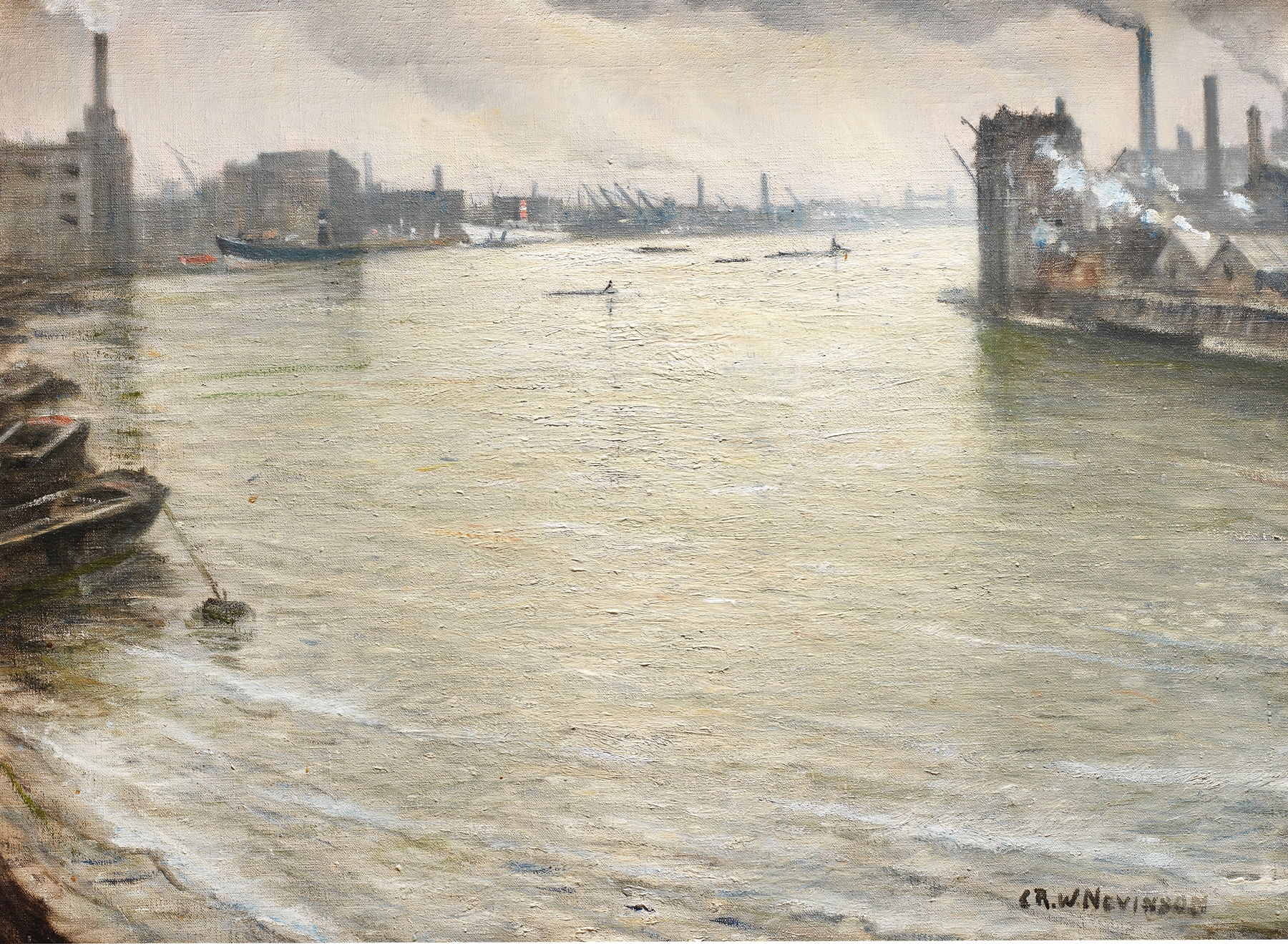
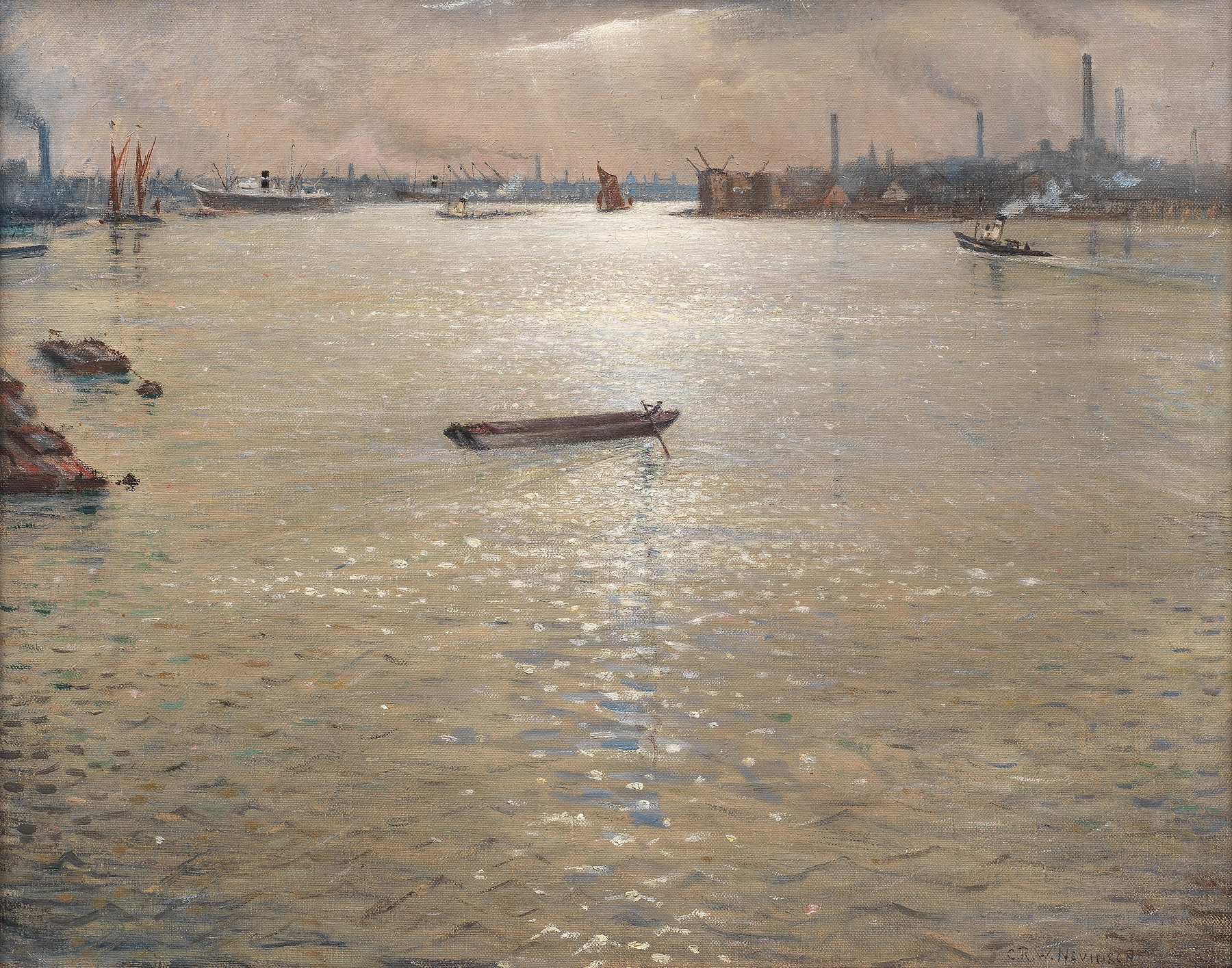
Each leaf that spirals to the ground symbolizes not only the passage of time but also the connections we lose, leaving behind only echoes of what once was. During this period, Nevinson was immersed in the post-war artistic climate of the early 20th century, grappling with the remnants of conflict and the shifting dynamics of society. Working in London at an unspecified date, he was influenced by the Futurist movement, which sought to capture the energy and movement of modern life. It was a time of experimentation, where he explored the balance between abstraction and representation, ultimately giving rise to this poignant portrayal of a city steeped in both beauty and sorrow.