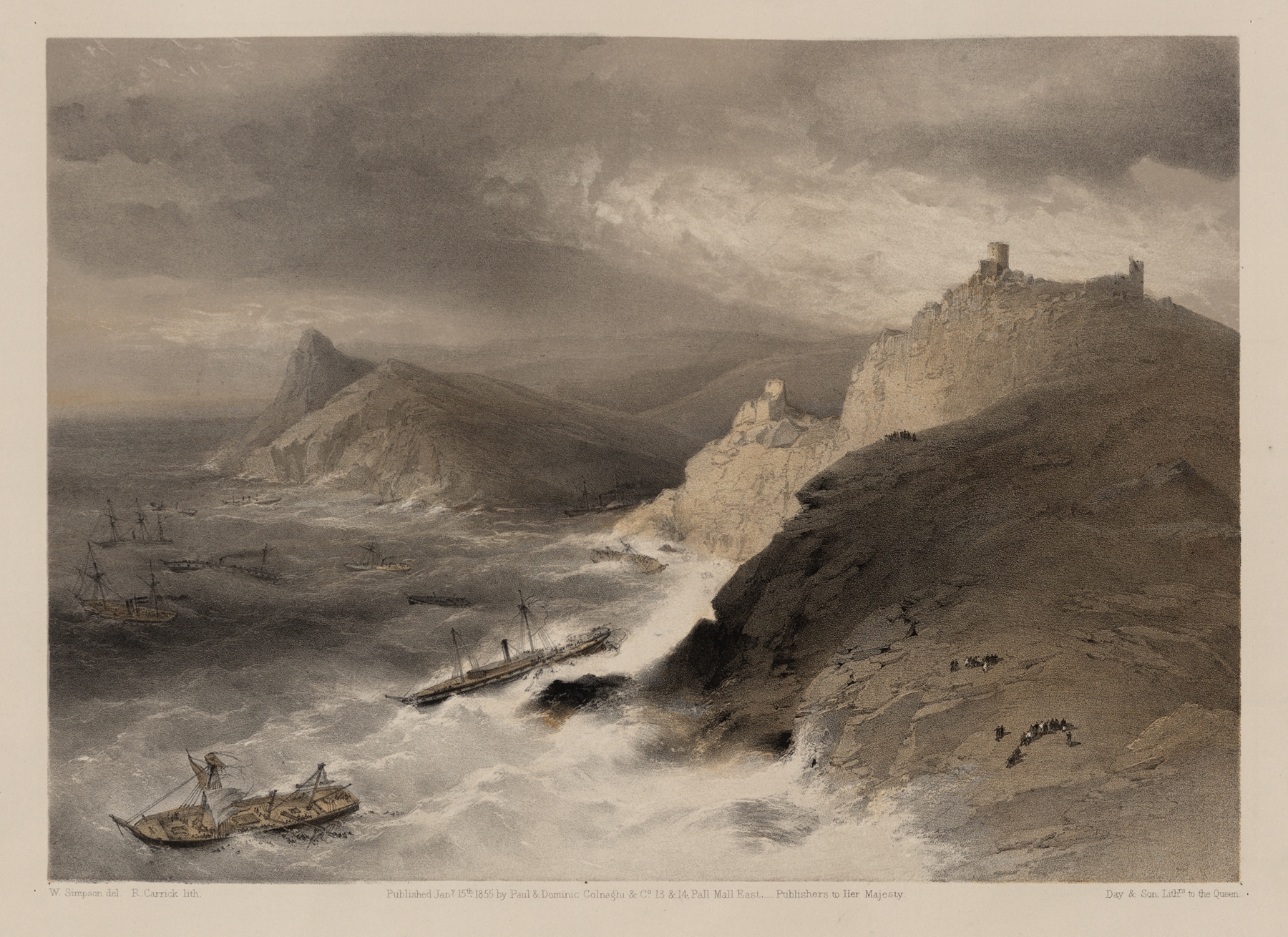
The gale off the port of Balaklava, 14th Nov. 1854 — History & Analysis
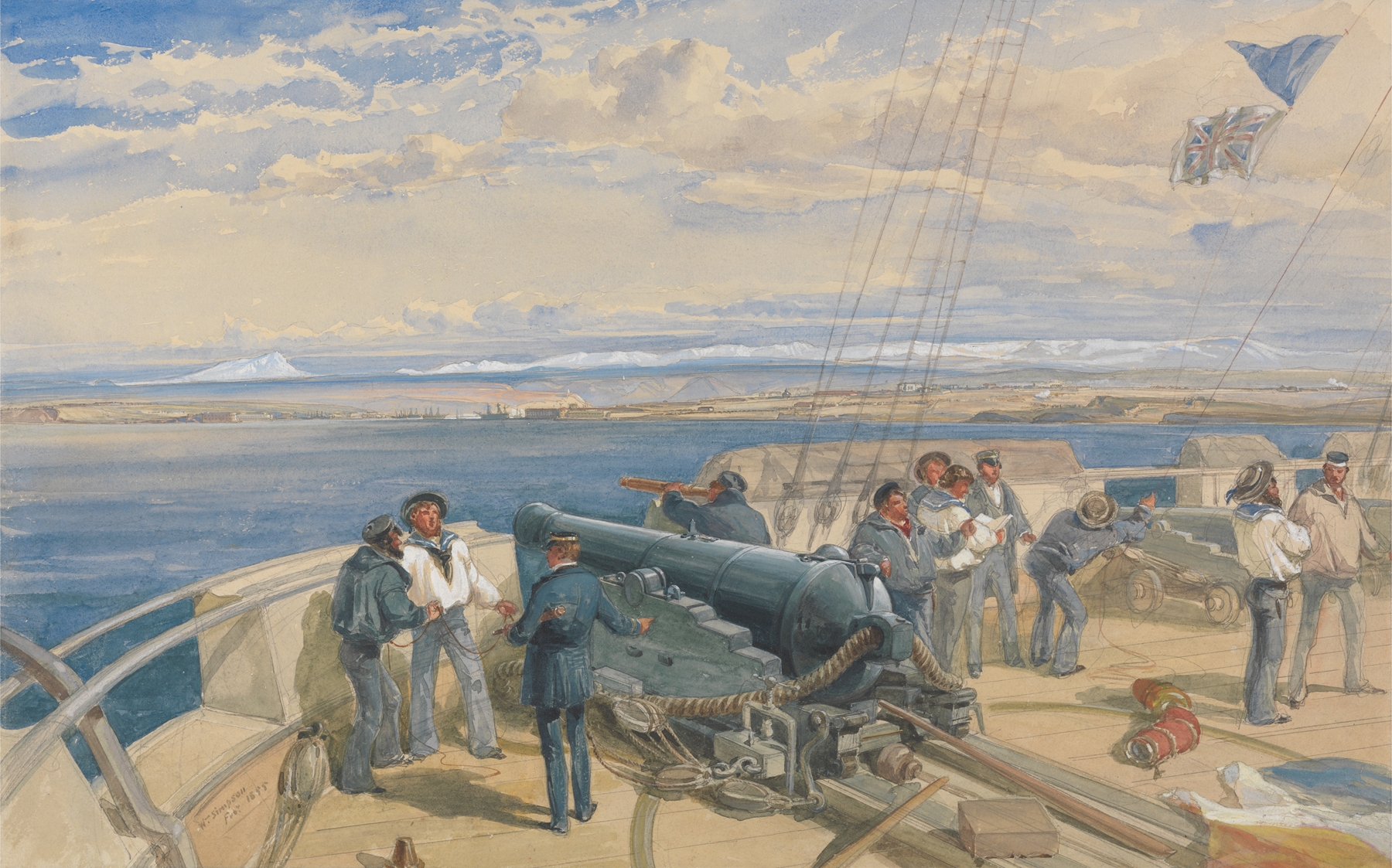
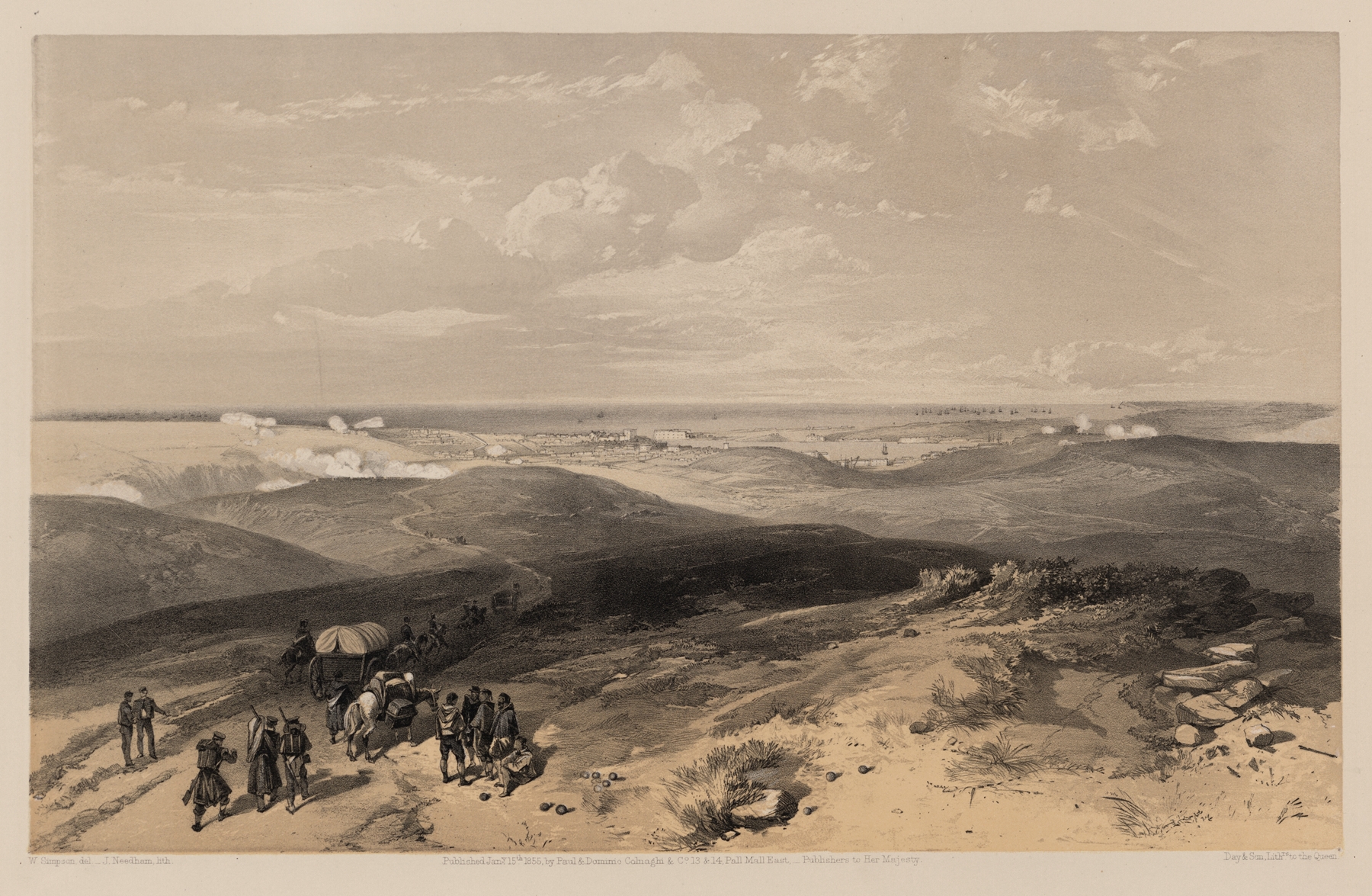
What if beauty was never meant to be finished? A fleeting moment where nature’s grandeur meets human frailty, revealing the captivating tension between creation and decay. Focus first on the swirling storm clouds, dark and ominous, that dominate the upper half of the canvas. The tumultuous waves crash against the rocky shoreline below, where a solitary ship wrestles with the elements. Notice how the artist employs a palette of grays and blues, layered with delicate strokes that bring movement to the water, contrasting sharply with the irrevocable stillness of the land, suggesting a world caught in transition. The composition draws the eye from the chaos above to the fragile vessel, a testament to resilience against nature’s fury. Hidden within this scene lies a deeper commentary on the ephemeral nature of existence. The ship, while a symbol of human endeavor, also represents vulnerability, caught in an eternal battle with the relentless tide that threatens to engulf it. The juxtaposition of the fierce gales and the steadfastness of the land reveals an emotional tension—beauty intertwined with uncertainty, a reminder that all is subject to decay, even the most steadfast of structures. This dynamic captures not just a moment in time, but an eternal struggle that resonates through the ages. Created in 1855, during a period marked by the Crimean War, the artist found himself in a world grappling with the turbulence of conflict and change. William Simpson, notably an illustrator and war correspondent, sought to depict the raw power of nature while reflecting on the human experience amidst chaos. The painting stands as a historical artifact, encapsulating both the valor of the maritime spirit and the inevitable decline that follows.