The Garden of the Villa Borghese — History & Analysis
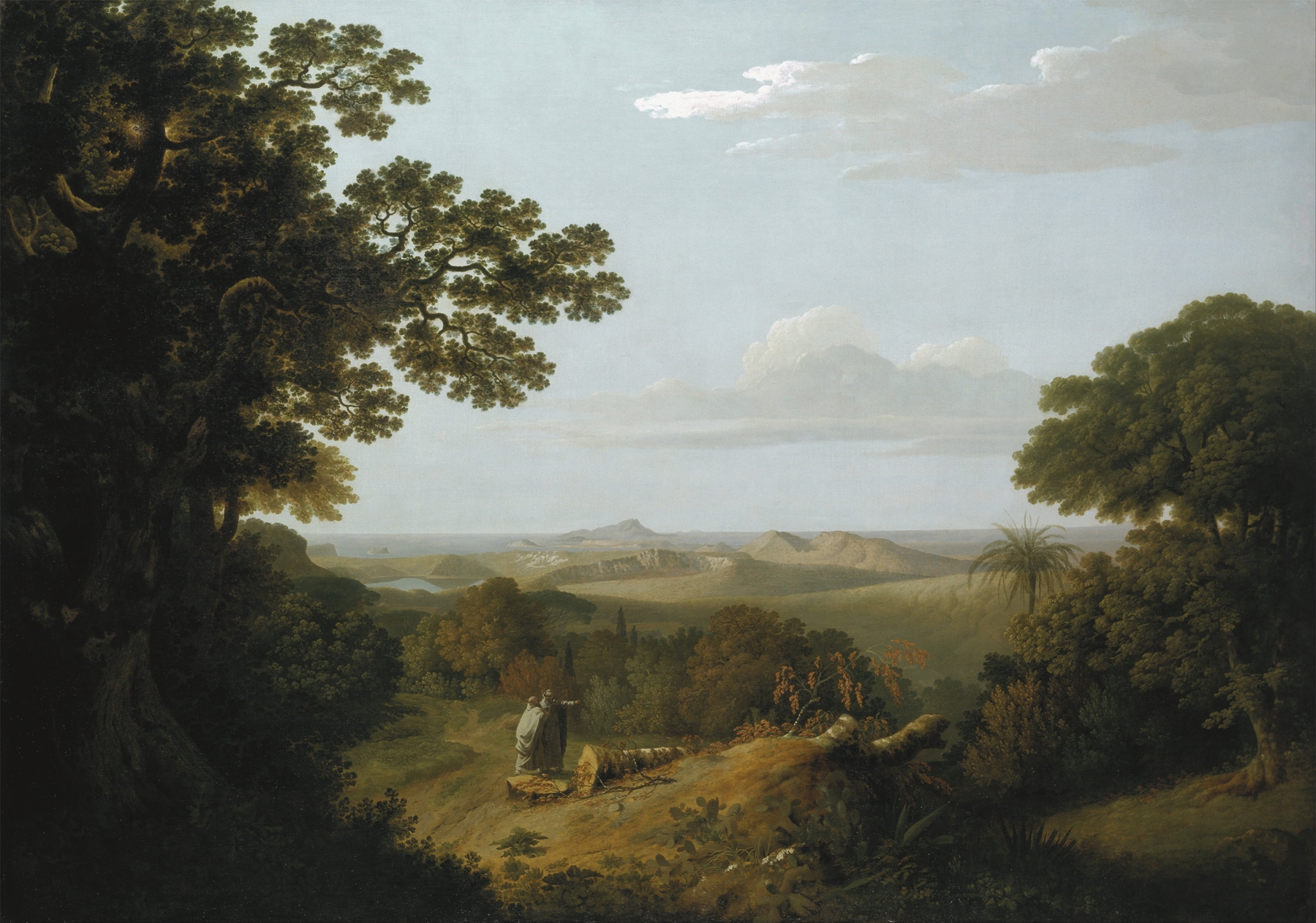
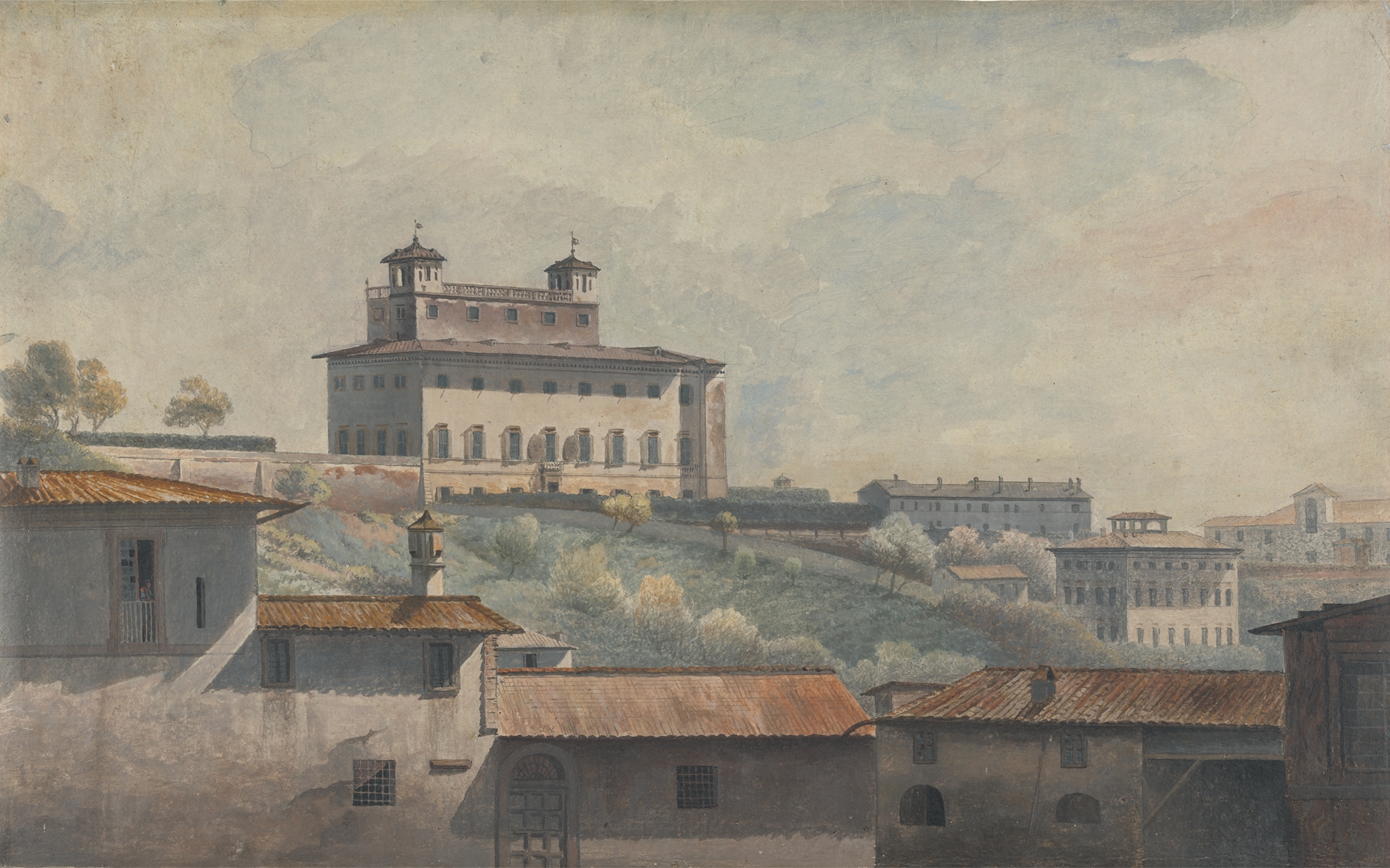
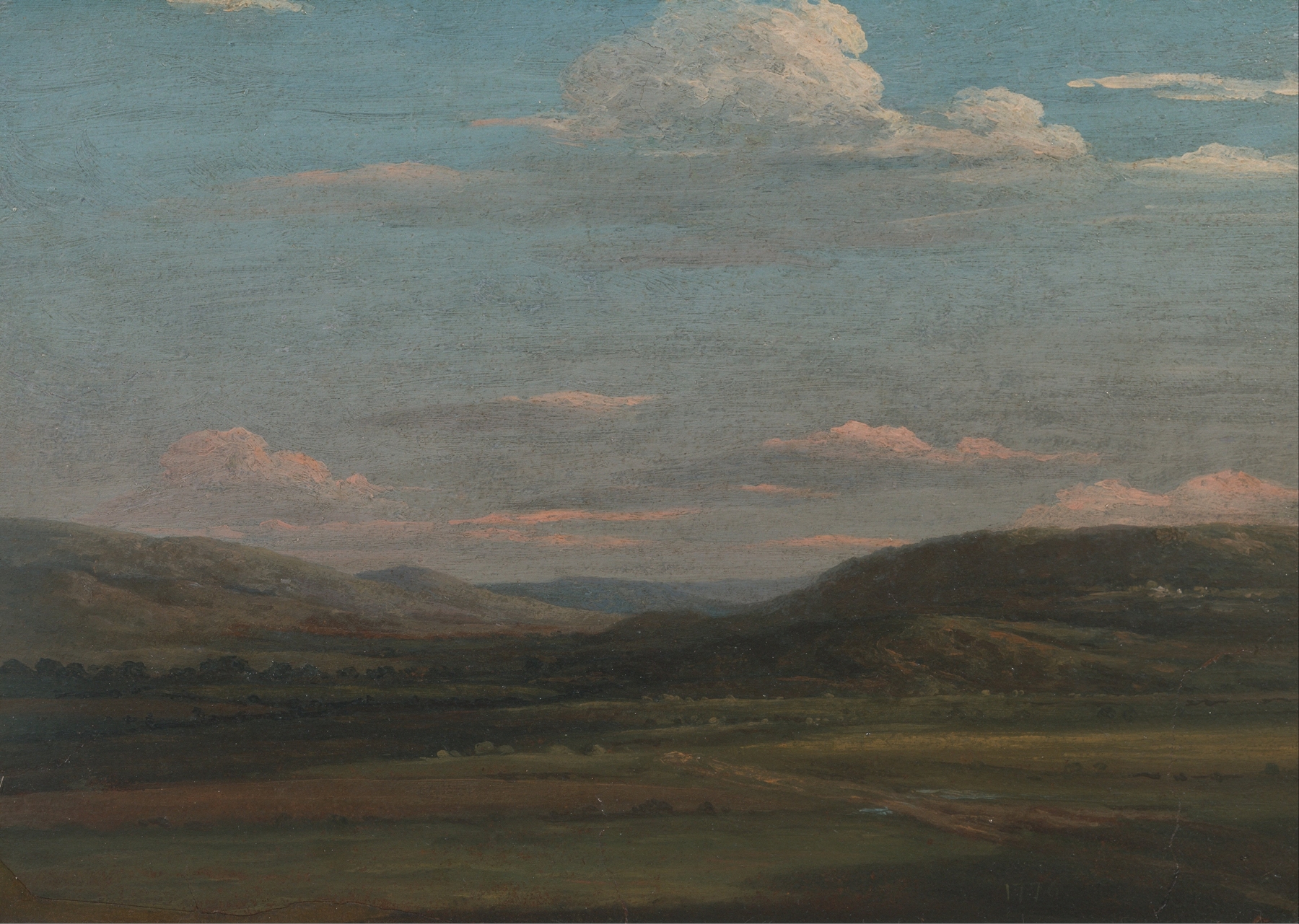
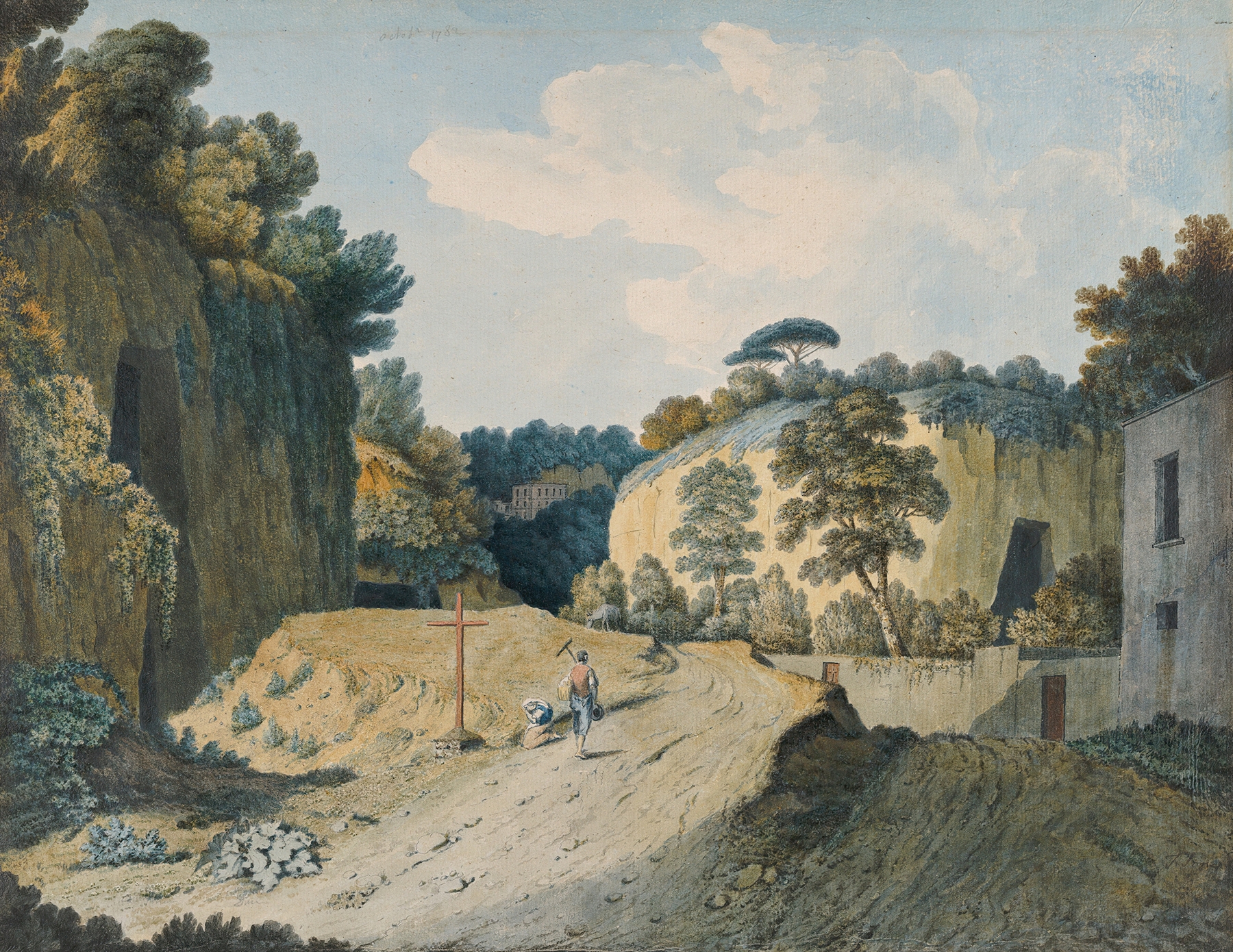
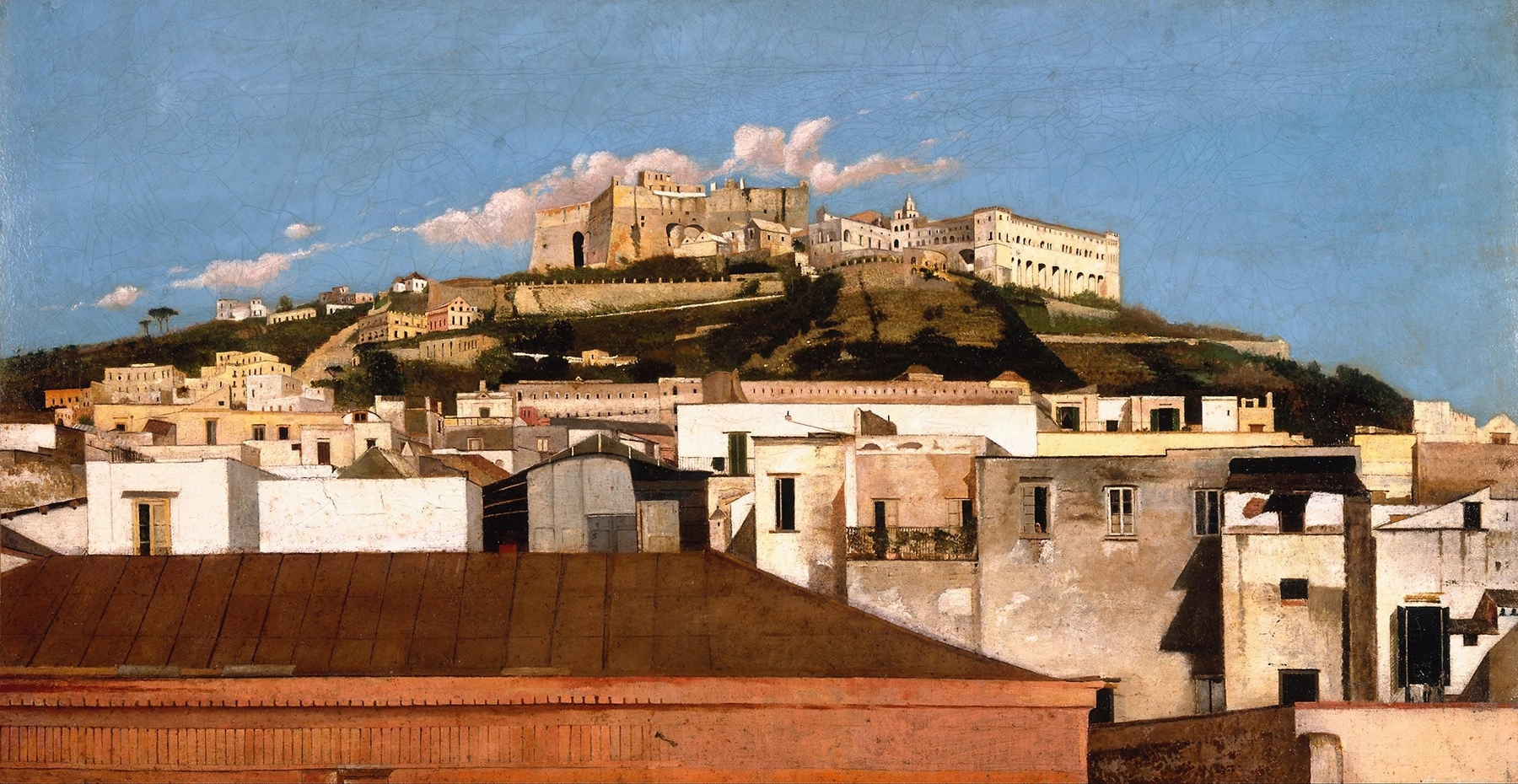
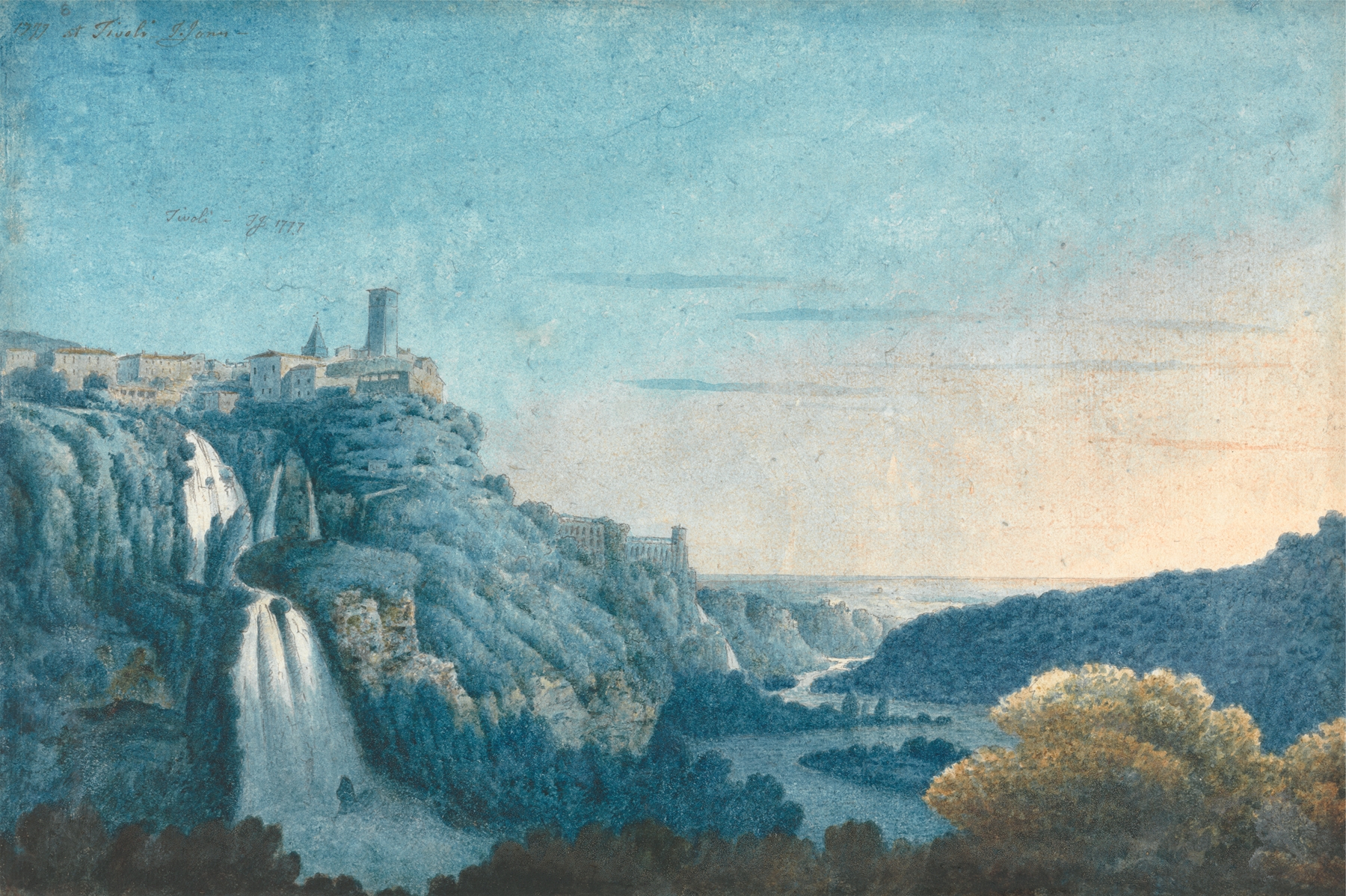
The sun hangs low in the sky, casting a golden hue upon the lush greenery of the Villa Borghese. A group of elegantly dressed figures stroll leisurely along the winding paths, their laughter almost drowned out by the distant rustle of leaves. Yet, beneath the surface of this idyllic garden, there lurks an unseen tension, a whisper of violence threatening to shatter the tranquility of the scene. Look to the left at the graceful archway, where light dapples through the leaves, illuminating the manicured hedges that frame the scene. The vibrant greens and soft earth tones blend seamlessly, while splashes of color from blooming flowers create a striking contrast against the foliage.
The careful composition invites the viewer to explore the depth of the garden, leading the eye through a labyrinth of beauty seemingly untouched by strife. Yet, the tension in the air suggests that beauty may be but a veneer. Delve deeper, and you may notice the subtle, uneasy gestures of the figures; some converse animatedly, while others stand apart, their poses hinting at secrets or unspoken grievances. The interplay of shadow and light underscores these contrasts, revealing an underlying complexity.
The idyllic setting becomes a stage for the quiet violence of emotions—envy, unrequited love, or hidden animosity—all masked by the garden’s serene beauty. In 1776, The Garden of the Villa Borghese was painted during a period of personal and artistic exploration for Thomas Jones, who was living in Rome. The Enlightenment was in full swing, and artists were grappling with the tension between nature and civilization. This work reflects not only Jones’s admiration for the picturesque but also the subtle complexities of human relationships within a seemingly tranquil world, capturing the era's duality.