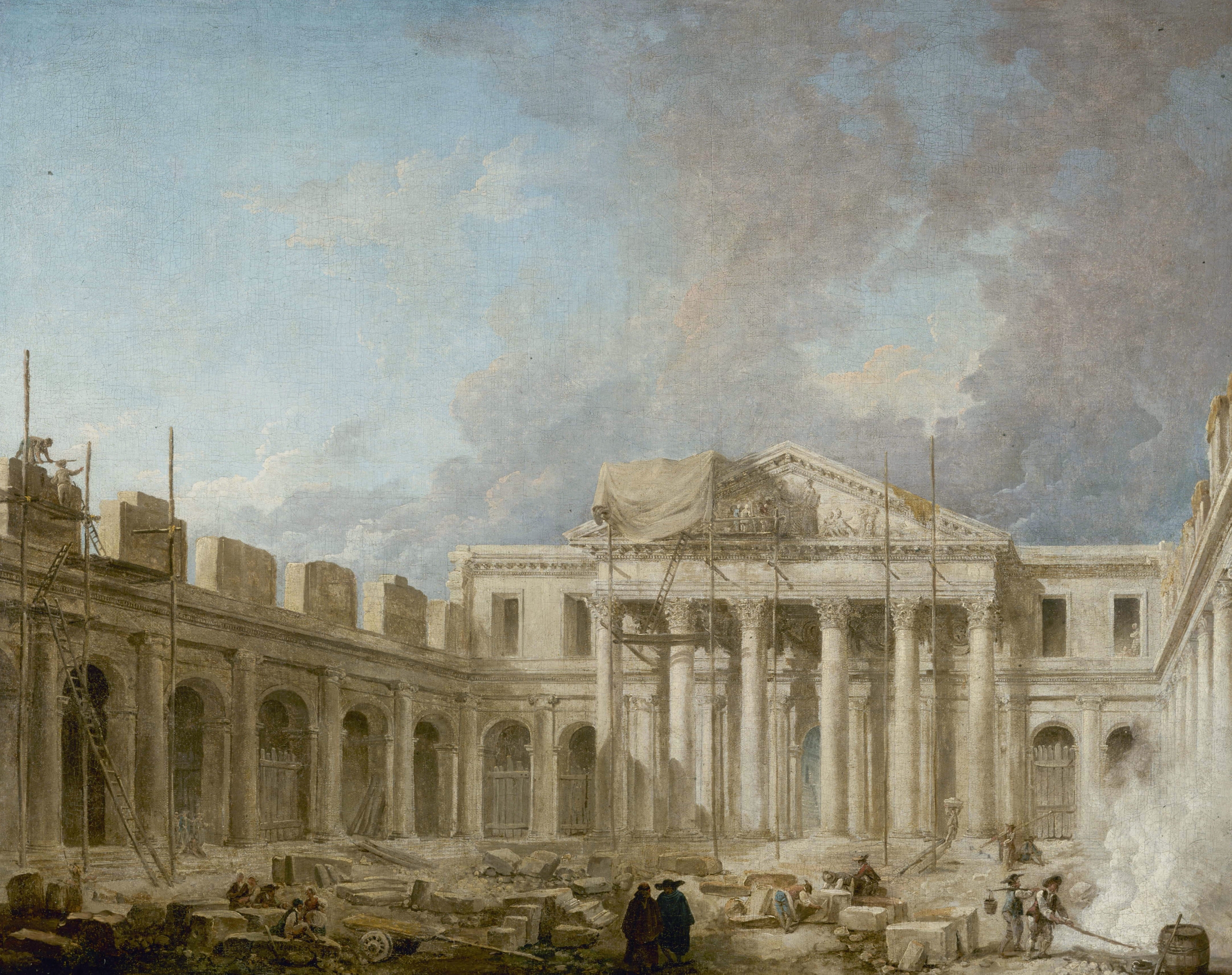
The Landing Place — History & Analysis
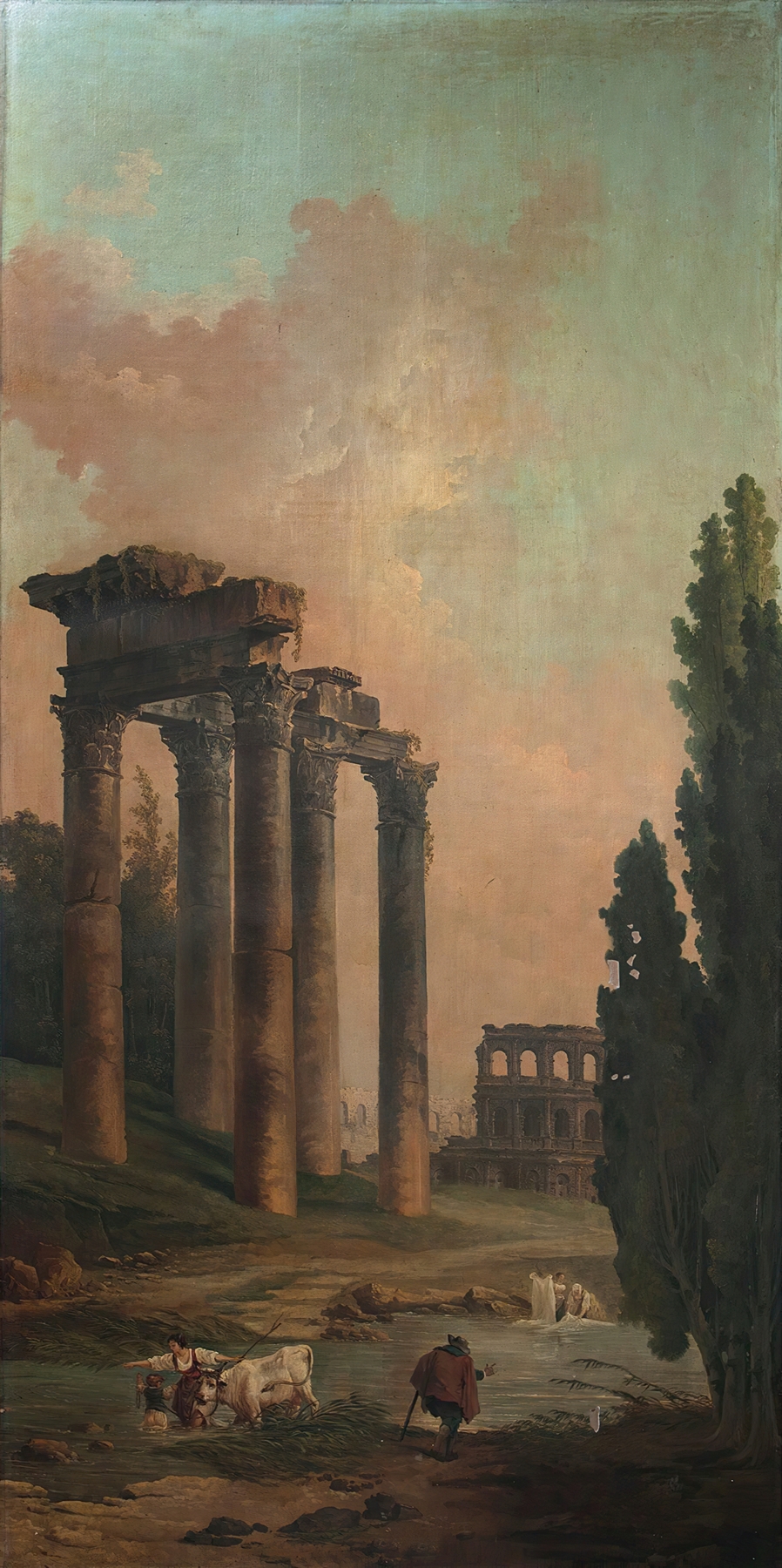
Is this a mirror — or a memory? In The Landing Place, the boundary between reality and reflection blurs seamlessly, inviting viewers to wander into a world balanced delicately between imagination and the tangible. Look to the left, where a beautifully rendered archway frames a serene lakeside scene. Notice how the play of light allows reflections to dance on the water's surface, creating an illusion of depth and movement that feels almost lifelike.
The artist’s brushwork captures the gentle undulations of the water, while the warm hues envelop the landscape in a soft embrace. The contrasting shadows cast by towering trees lead the eye deeper into this tranquil haven, suggesting secrets waiting to be uncovered. Within the composition lies an emotional tension: the juxtaposition of solidity and transience. The vibrant greenery and sturdy architecture stand resolute against the ephemeral nature of the reflections, evoking a sense of nostalgia that resonates with the viewer.
Furthermore, the interplay of light and shadow invites contemplation on the fleeting quality of moments, stirring a desire for connection with both the past and the present. In 1788, Hubert Robert created this piece during a pivotal time in European art, marked by the rise of Romanticism and a growing fascination with nature and the emotional landscape. Living in Paris, Robert was influenced by the classical ideals of harmony and balance, yet embraced the emerging movements that sought to convey individual experience and sentiment. His works often reflect the tension between the manmade and the pastoral, a hallmark of his artistic exploration during this transformative period.