The Mountain of the Holy Cross, Colorado — History & Analysis
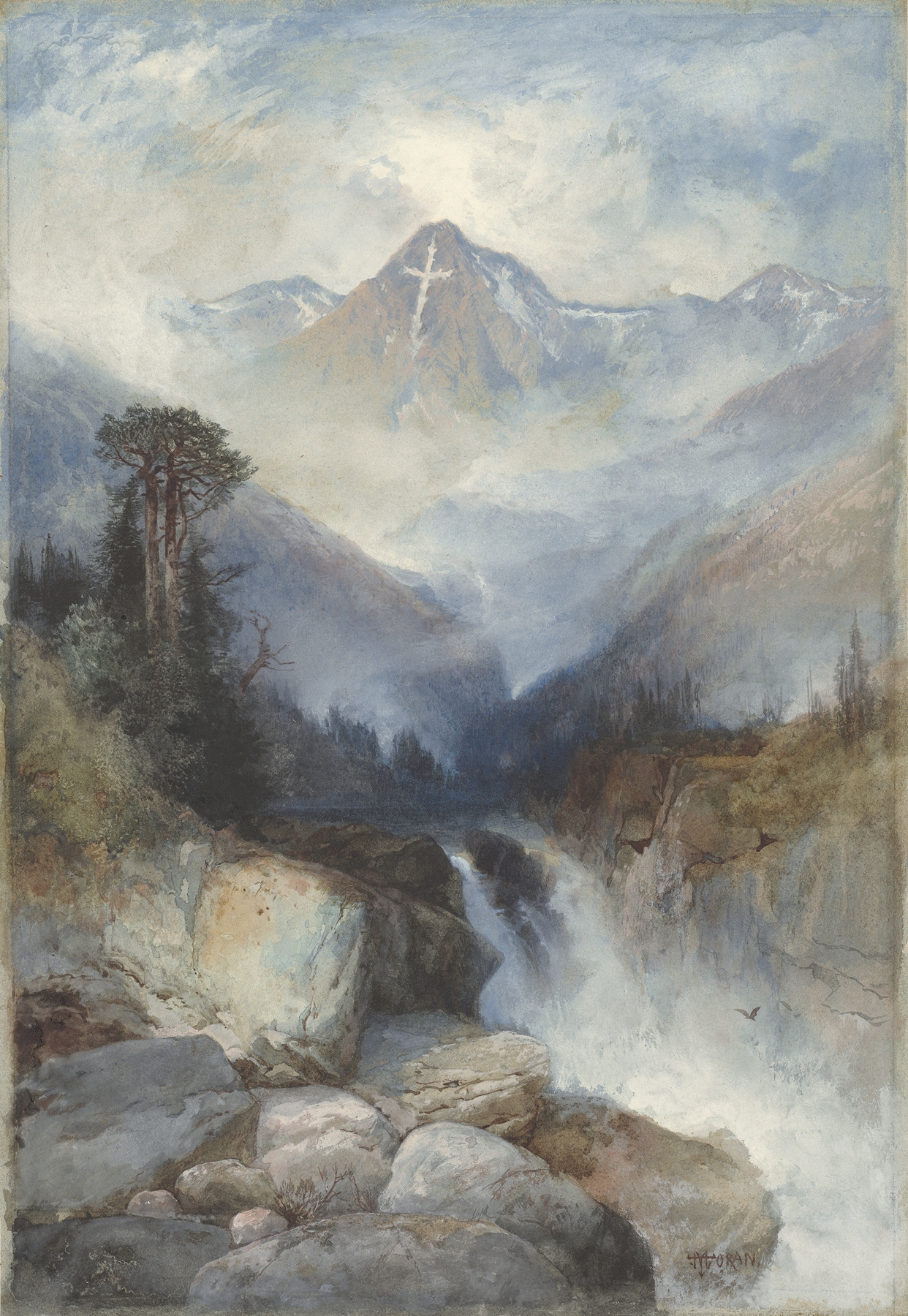
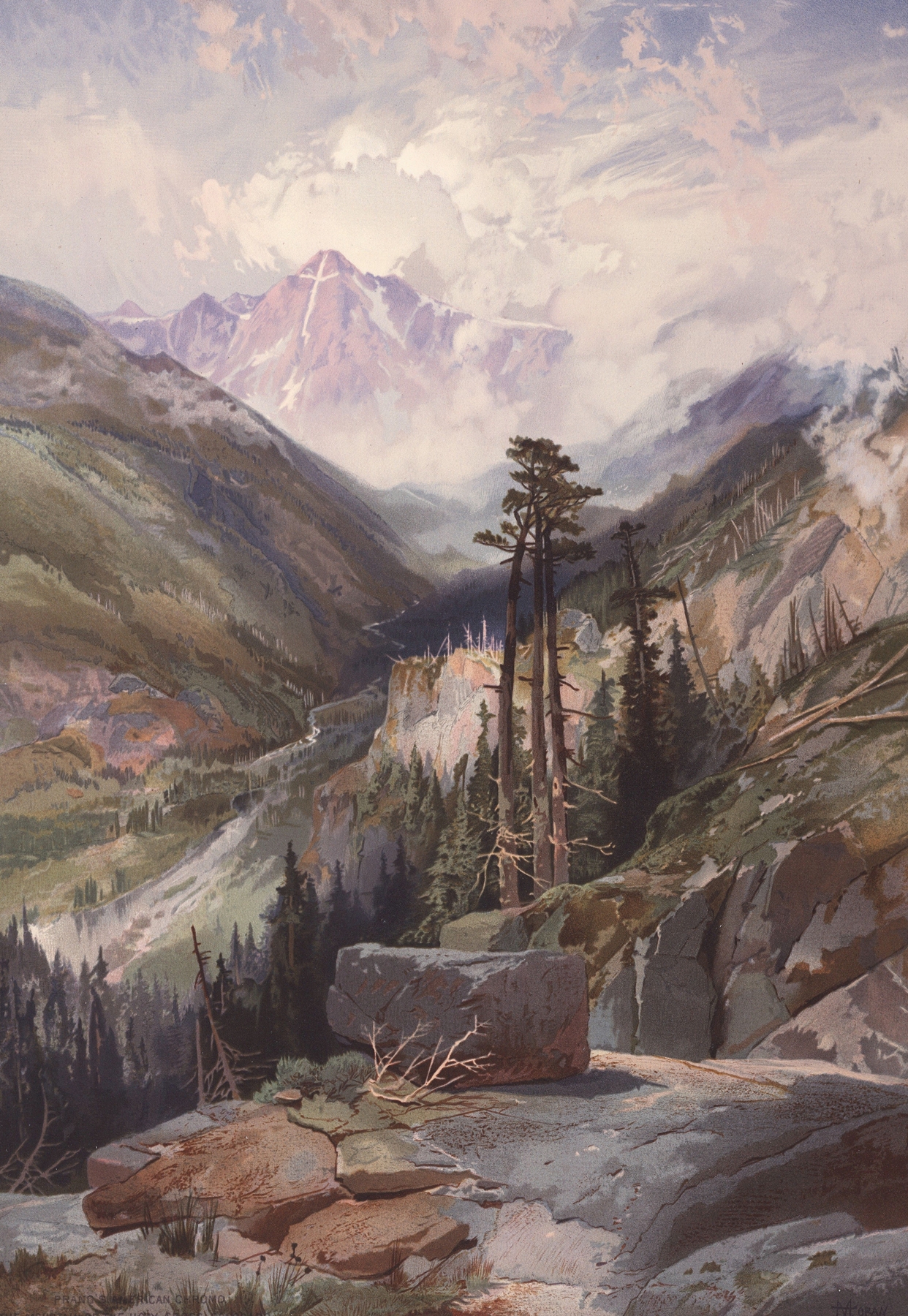
Could a single brushstroke hold eternity? In *The Mountain of the Holy Cross*, the interplay of light and shadow invites us to contemplate the profound silence that envelops the scene, echoing a deeper spiritual resonance. Look to the upper left at the delicate glimmers of sunlight breaking through soft clouds, illuminating the imposing peak. Notice how the shadows cascade down the mountain's rugged face, each stroke of paint revealing the texture of the rock, inviting the viewer to trace the contours of this sacred space. The vibrant greens of the valley below contrast sharply with the stark whites and grays of the mountain, creating a dialogue between the earth and the divine. Within this striking composition lies a tension between grandeur and humility. The mountain, revered and awe-inspiring, looms over the diminutive figures of travelers below, evoking a sense of both adventure and insignificance. The shadowy crevices hint at the mysteries and challenges that lie ahead, suggesting that every journey into the sublime is fraught with both beauty and peril. In 1875, while creating this masterpiece in Colorado, the artist was deeply influenced by the American West's vast landscapes and the burgeoning interest in nature's majesty. This was a transformative period in his career, as he embraced the romantic ideals of the time, celebrating the natural world through his vivid palette and dramatic compositions. As the art world began to shift, Moran's work served not only to capture the wilderness but also to elevate it as a vital part of the American identity.