Cliffs Of The Upper Colorado River, Wyoming Territory — History & Analysis
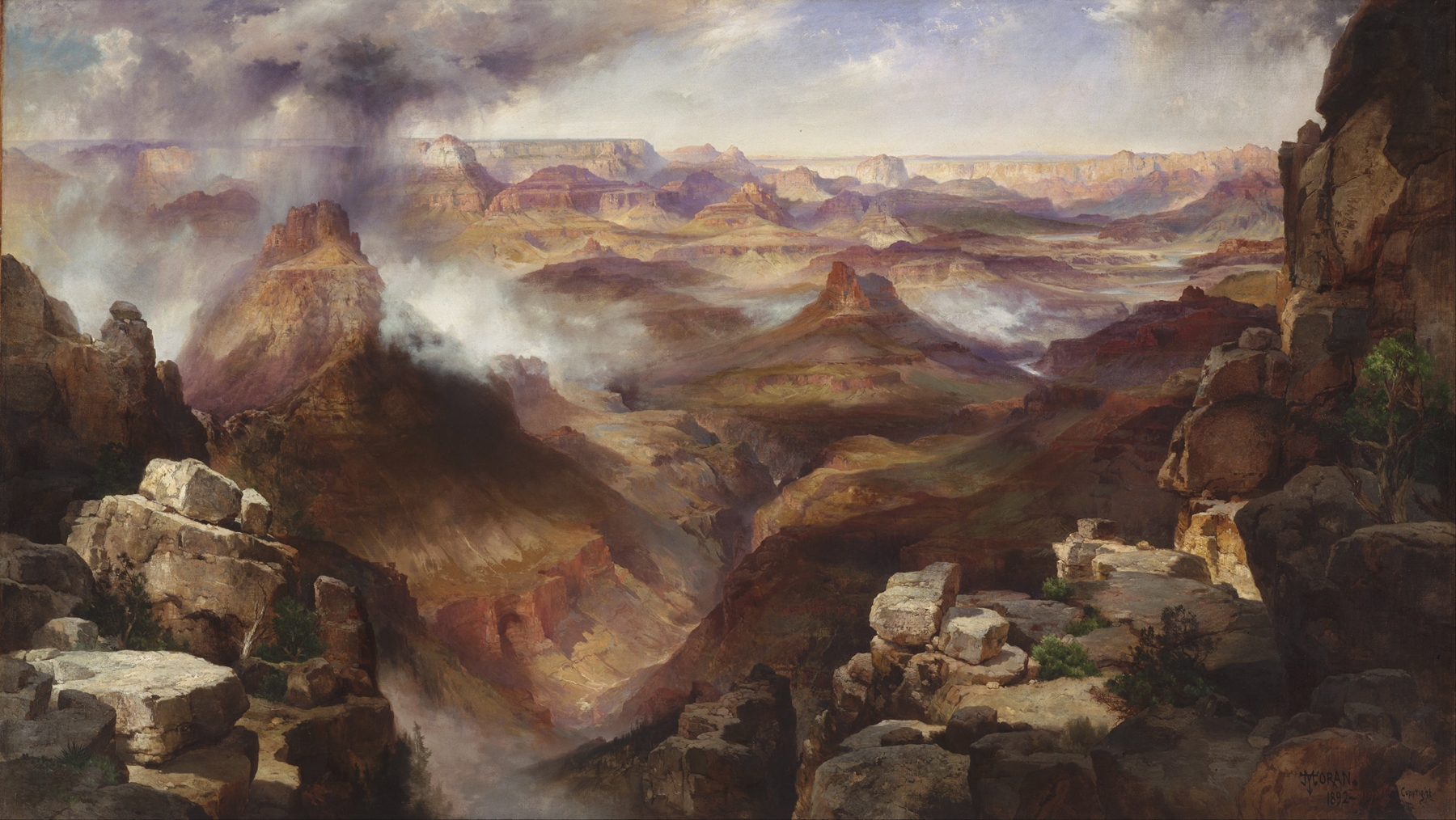
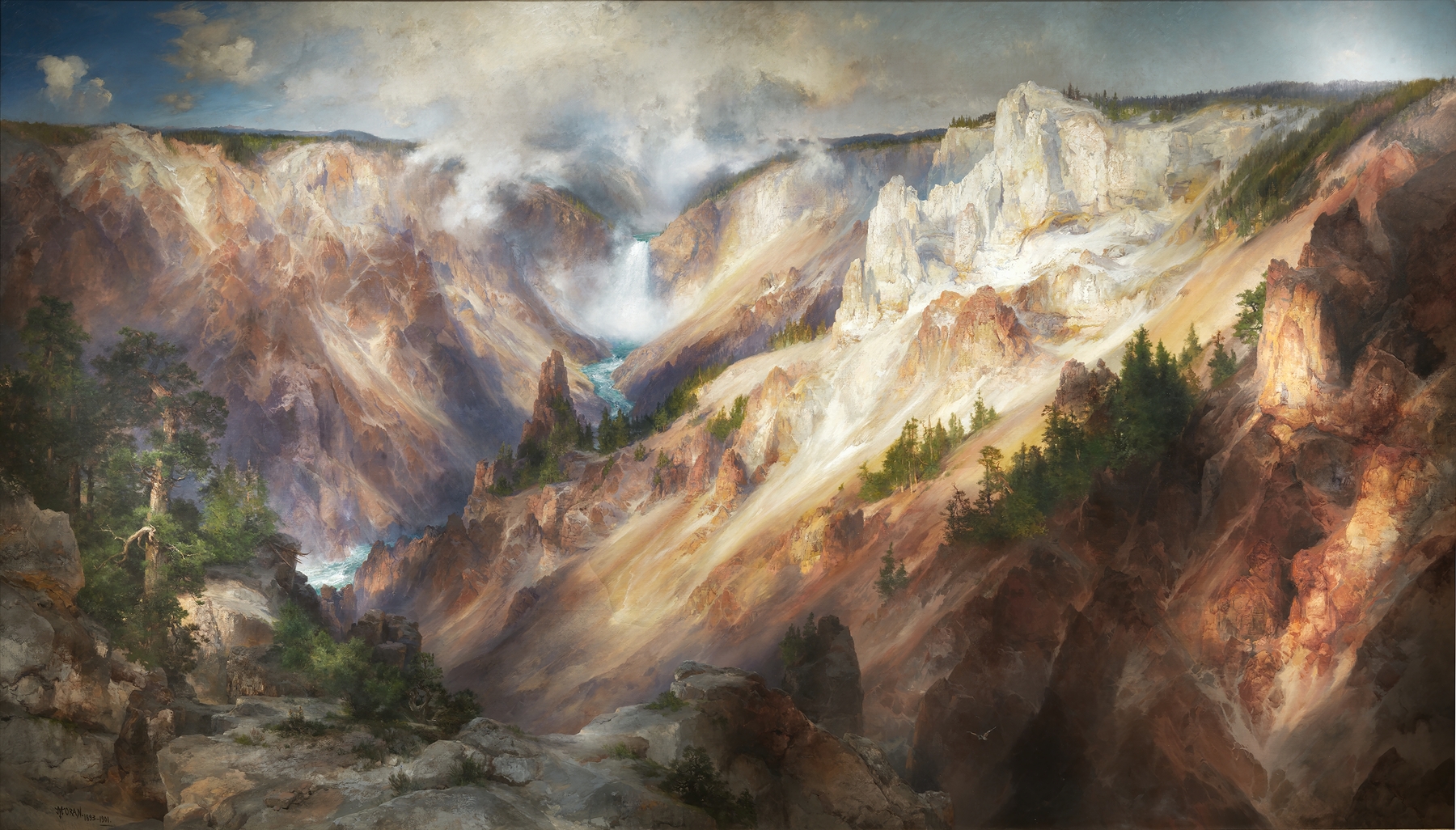
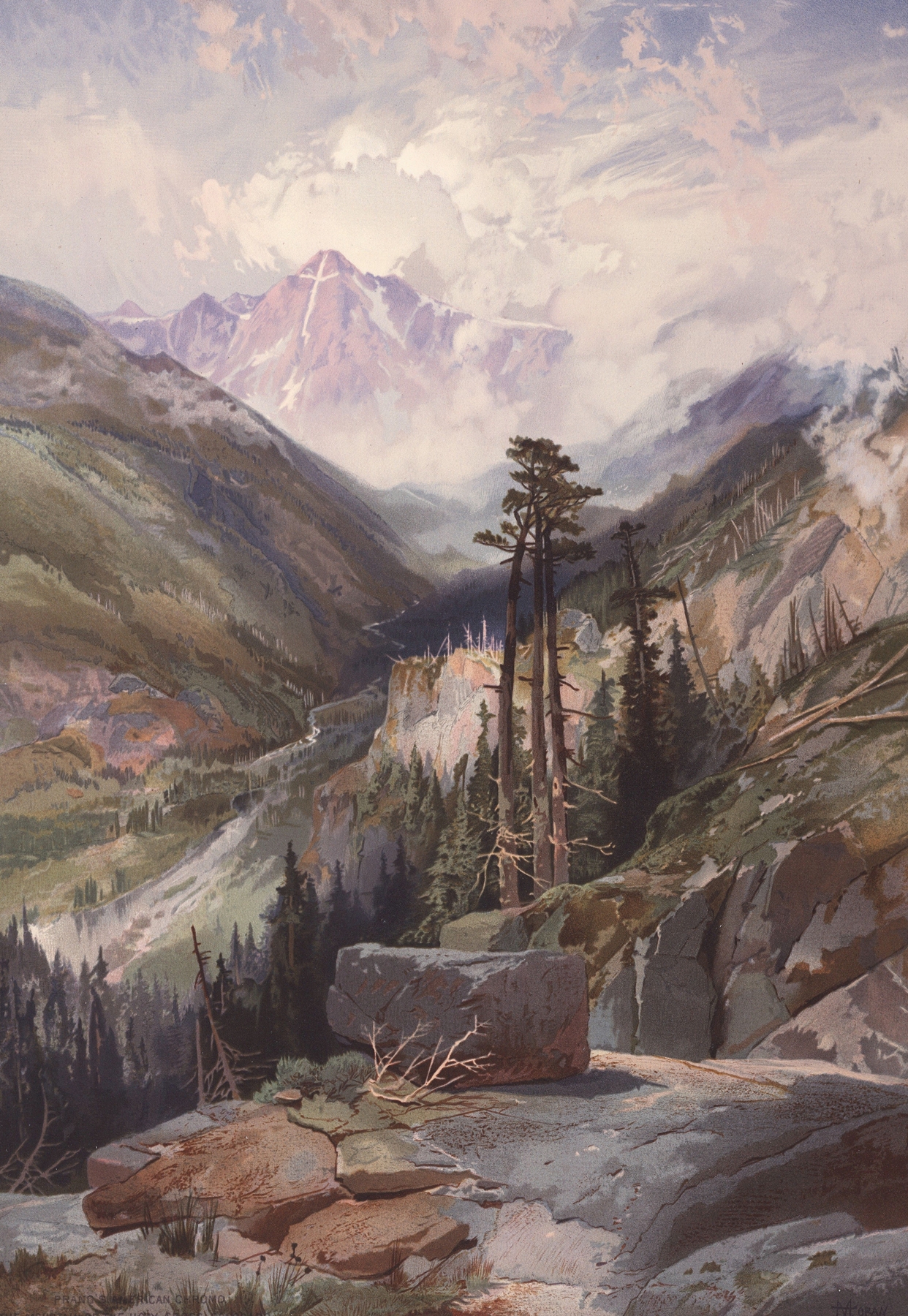
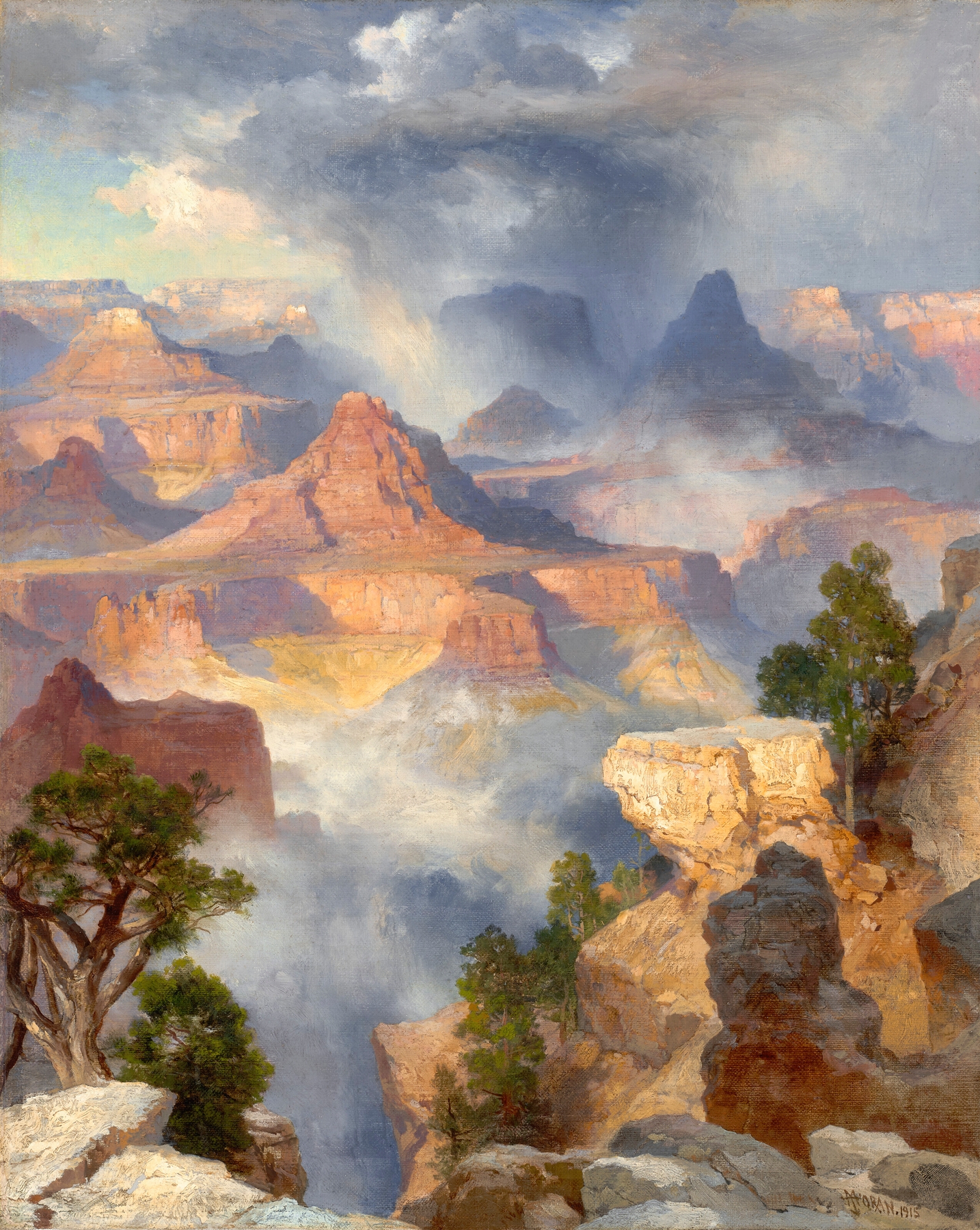
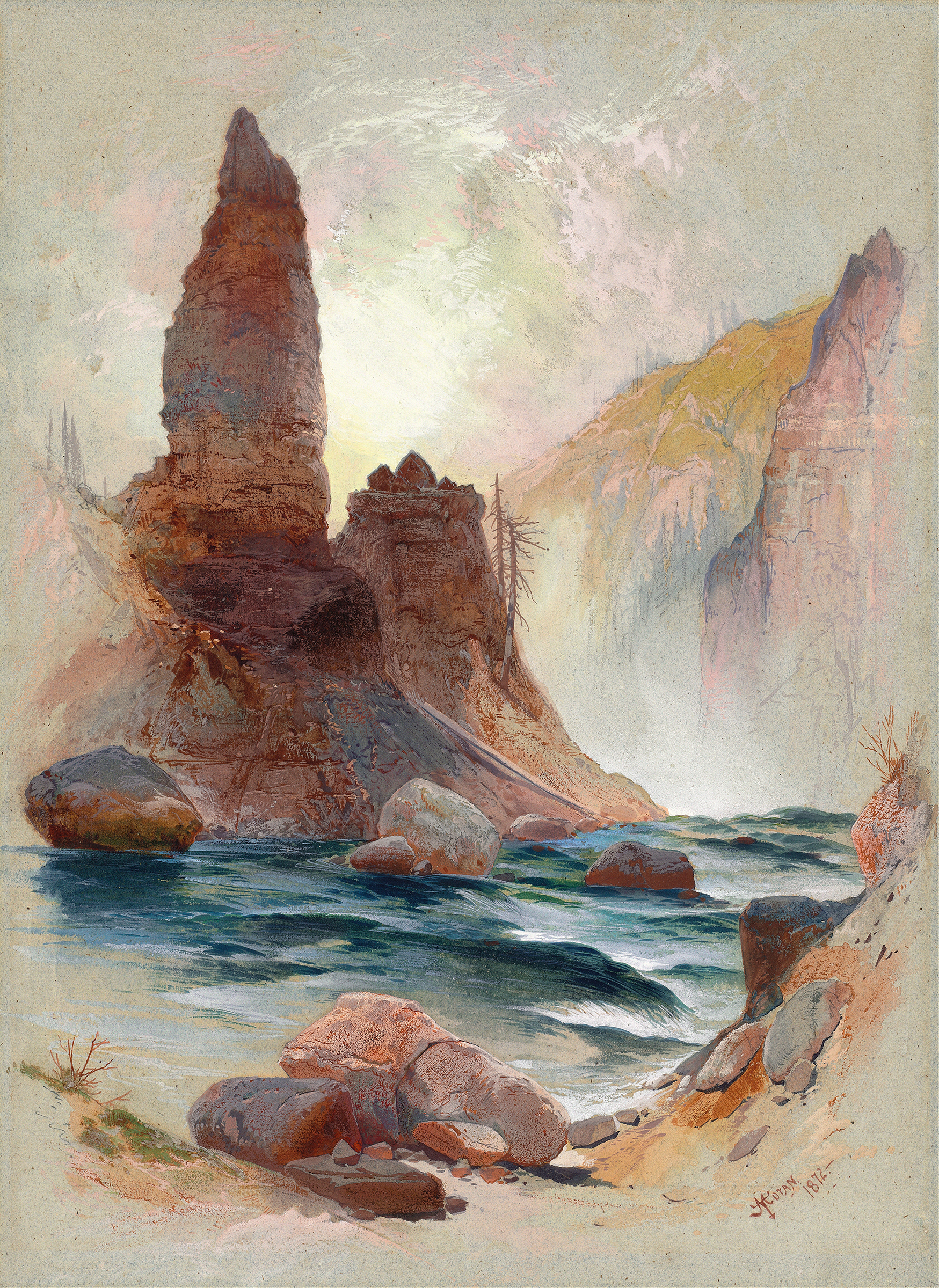
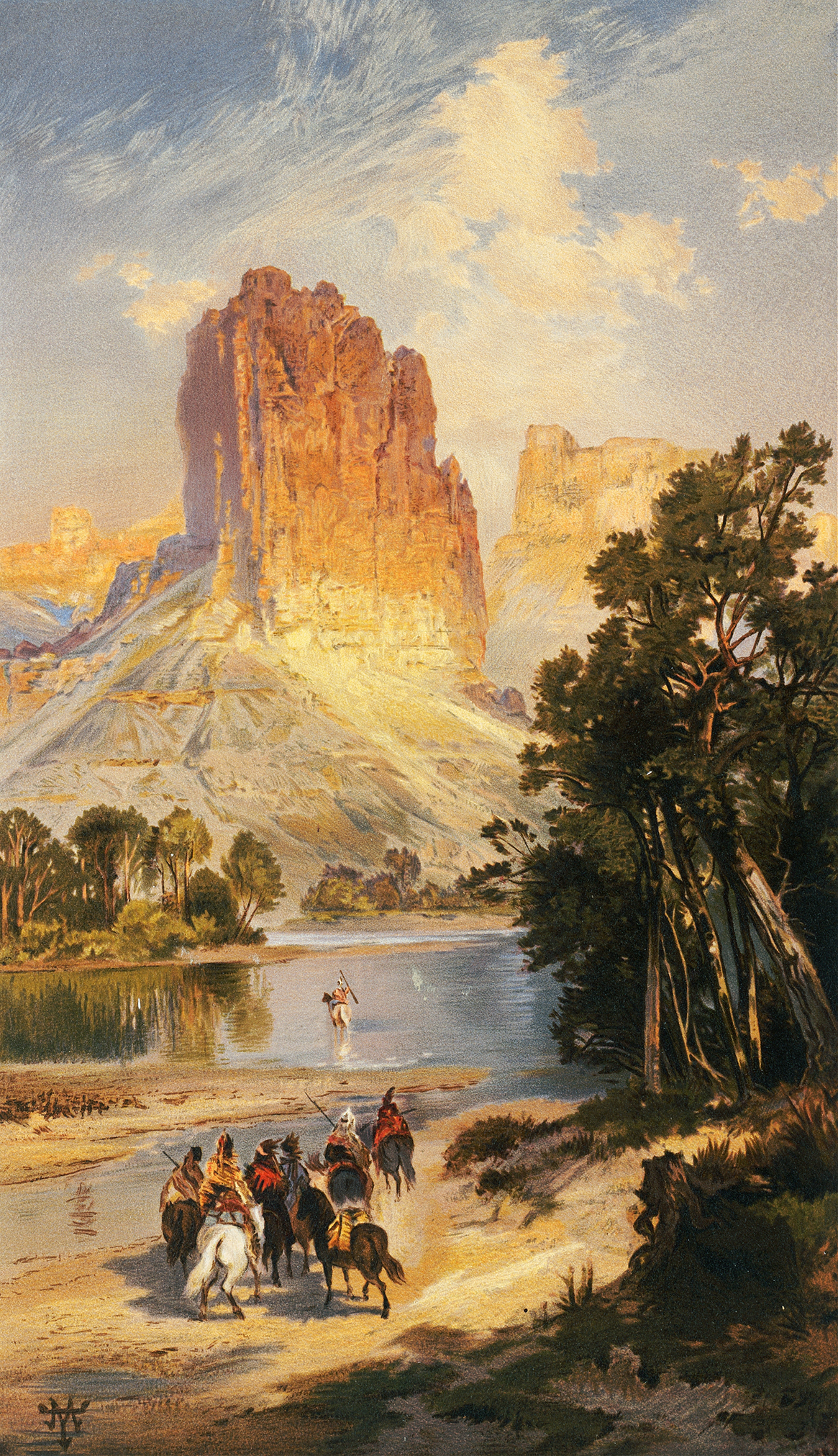
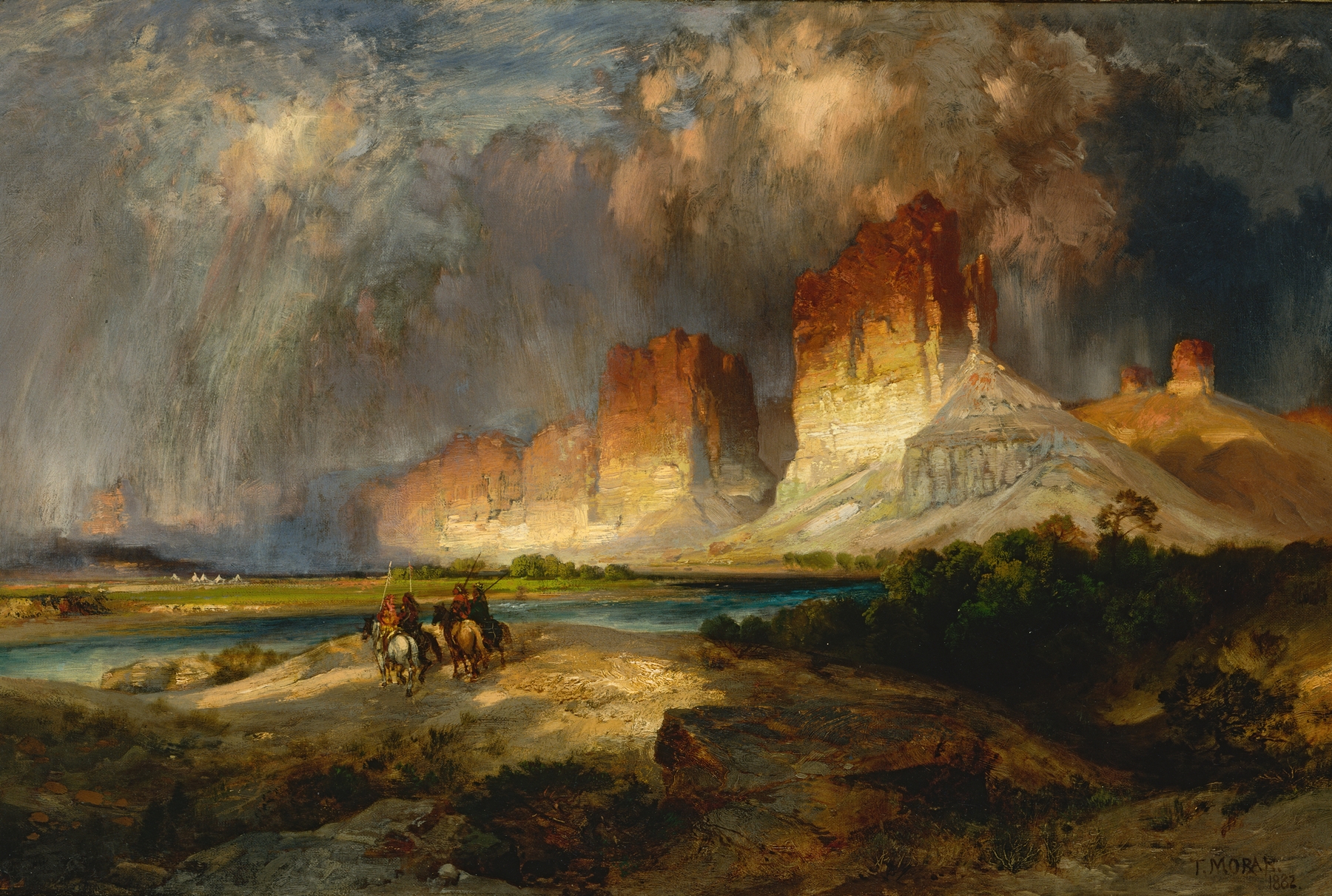
Could beauty survive in a century of chaos? In *Cliffs Of The Upper Colorado River, Wyoming Territory*, this question resonates deeply, inviting contemplation of nature's enduring grace amid the turmoil of a changing world. Look to the sweeping expanse of the canvas where mountains rise dramatically against the sky. Focus on the luminous colors that blend seamlessly, from the deep blues of the river to the warm golds and reds illuminating the cliffs at dusk. Notice how the delicate interplay of light and shadow reveals the textures of the rock faces, while the gentle curves of the river guide the viewer’s gaze through the landscape, creating a sense of both depth and tranquility. This painting captures a profound contrast between the majestic, untouched wilderness and the encroaching modernity of the 19th century. The towering cliffs stand as a testament to nature's grandeur, while the winding river symbolizes the passage of time and change. The serene beauty invites a moment of pause, suggesting that despite the chaos surrounding it, this landscape remains a sanctuary of peace and resilience, untouched by human hand. Thomas Moran painted this piece in 1882 during a time when the American West was undergoing rapid transformation due to exploration and expansion. As the United States grappled with issues of territory and identity, Moran’s work emerged amid the growing interest in capturing the sublime beauty of the natural landscape, positioning him as a pivotal figure in the American art movement focusing on Western scenery.