Yellowstone Lake — History & Analysis
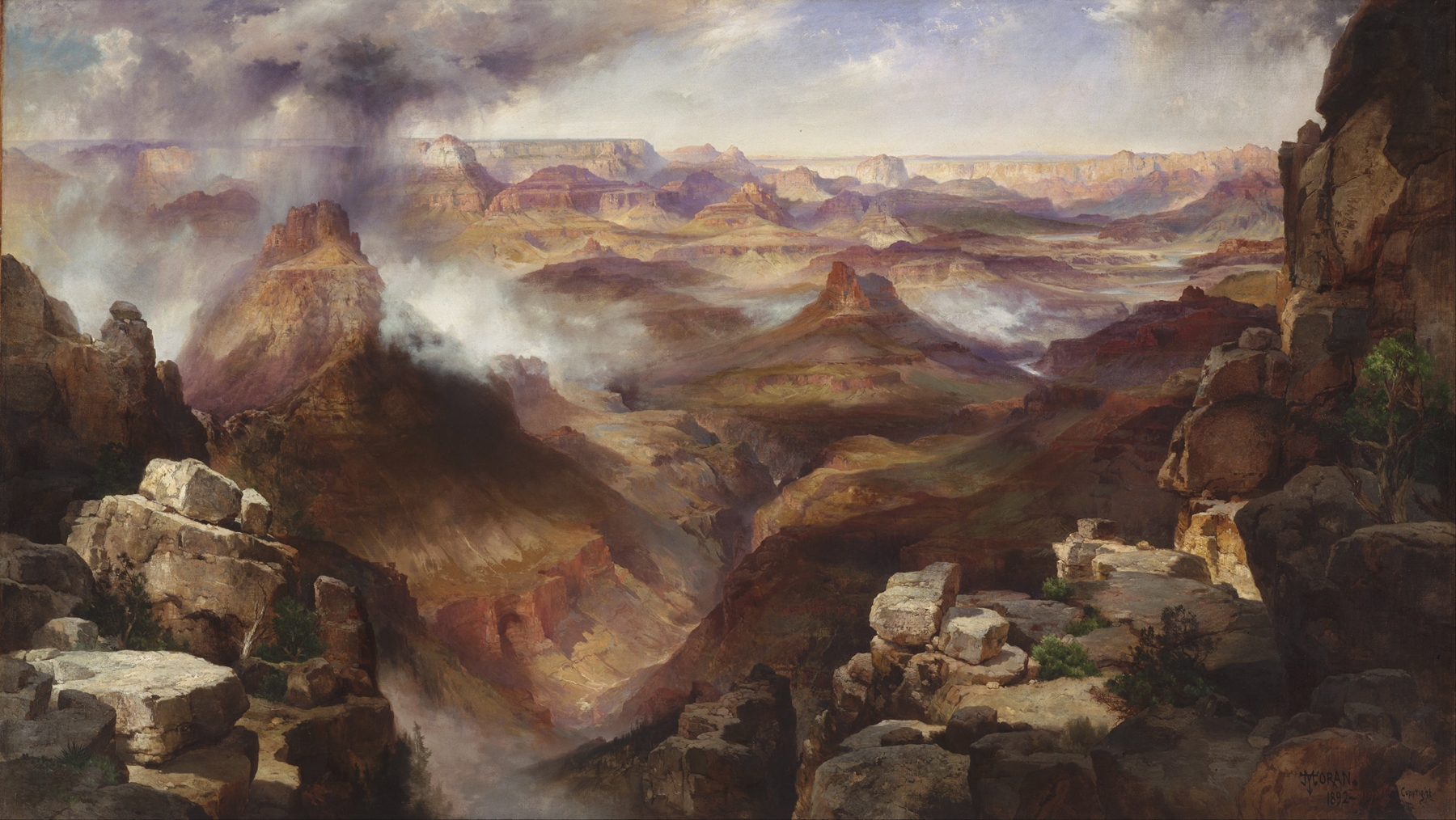
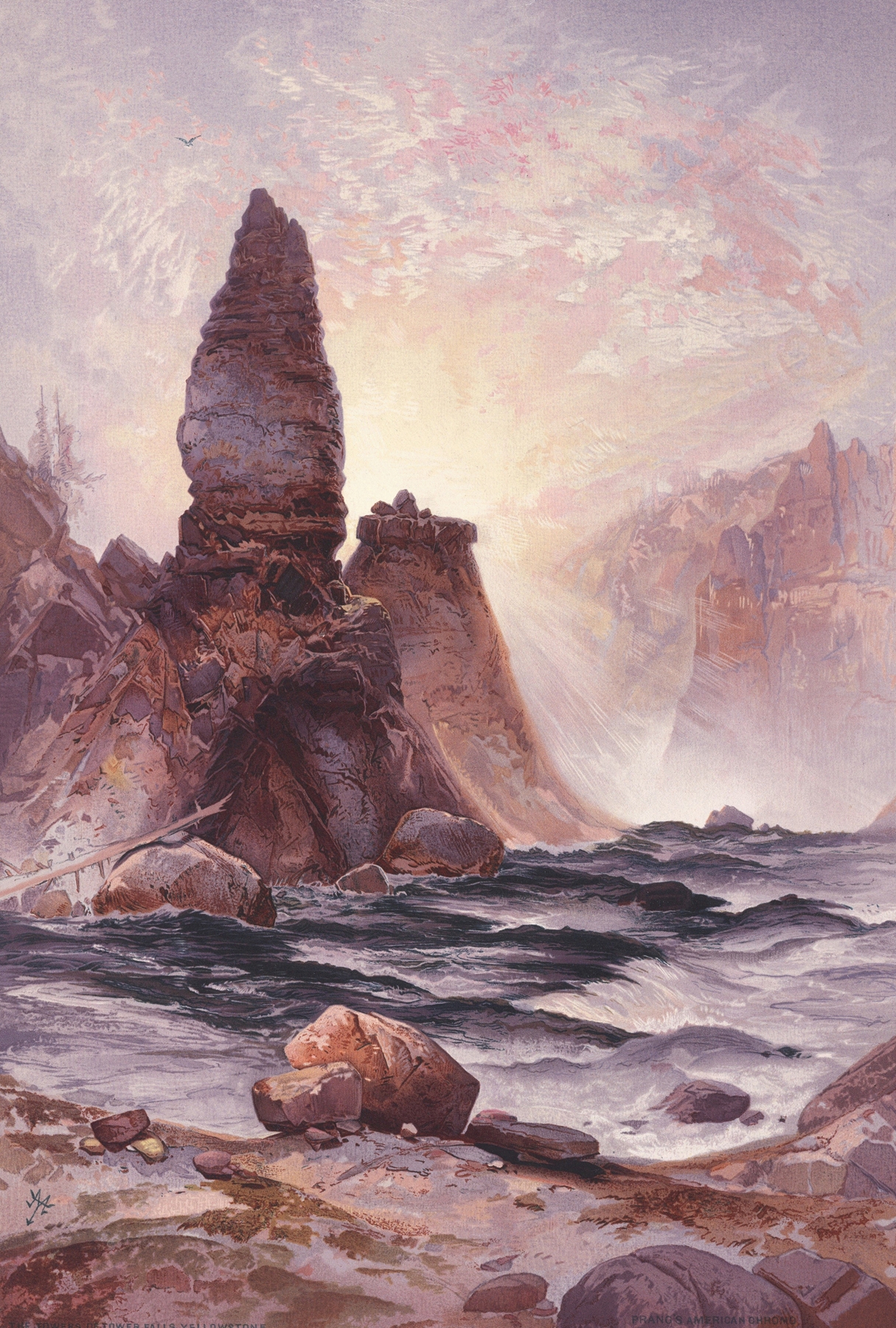
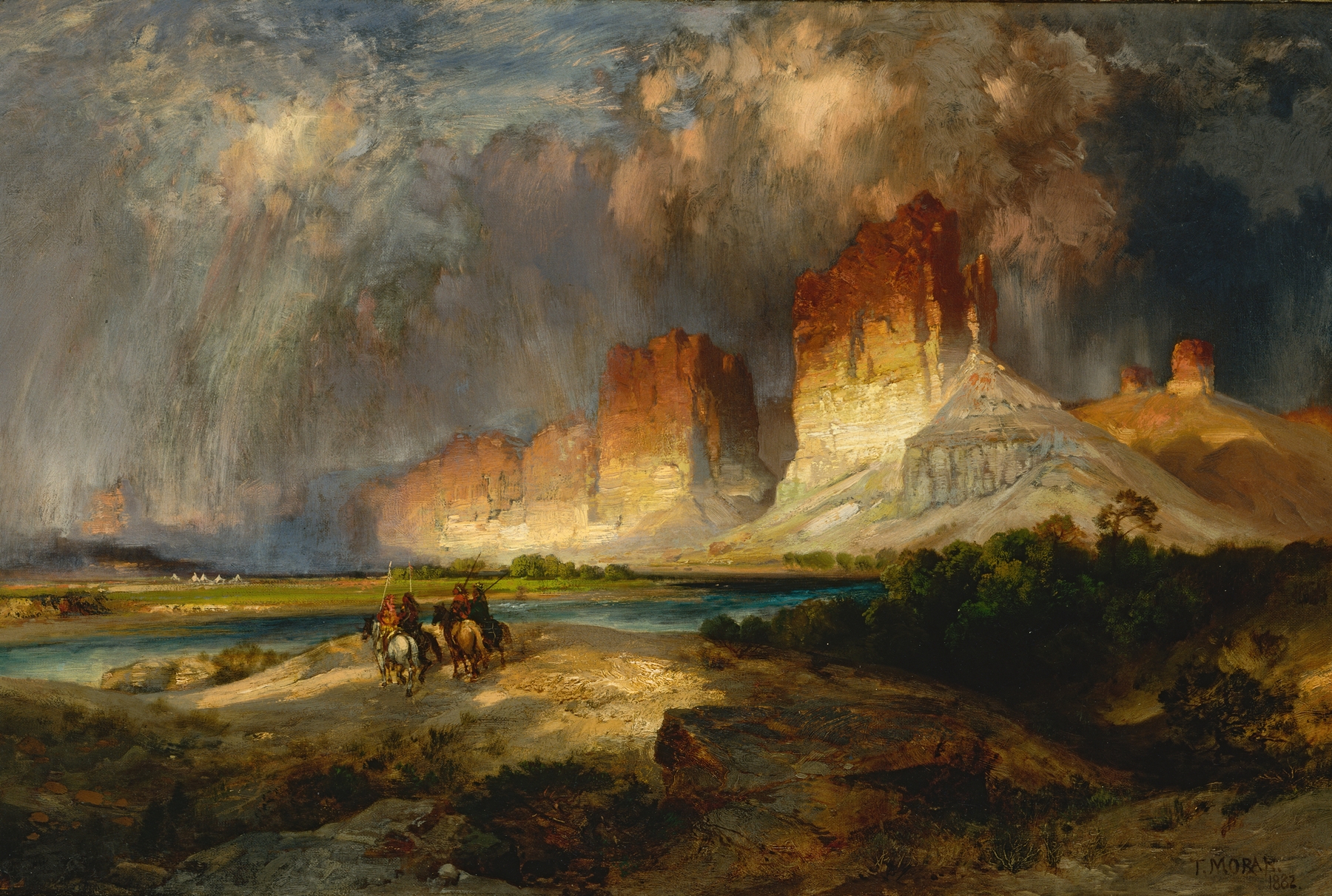
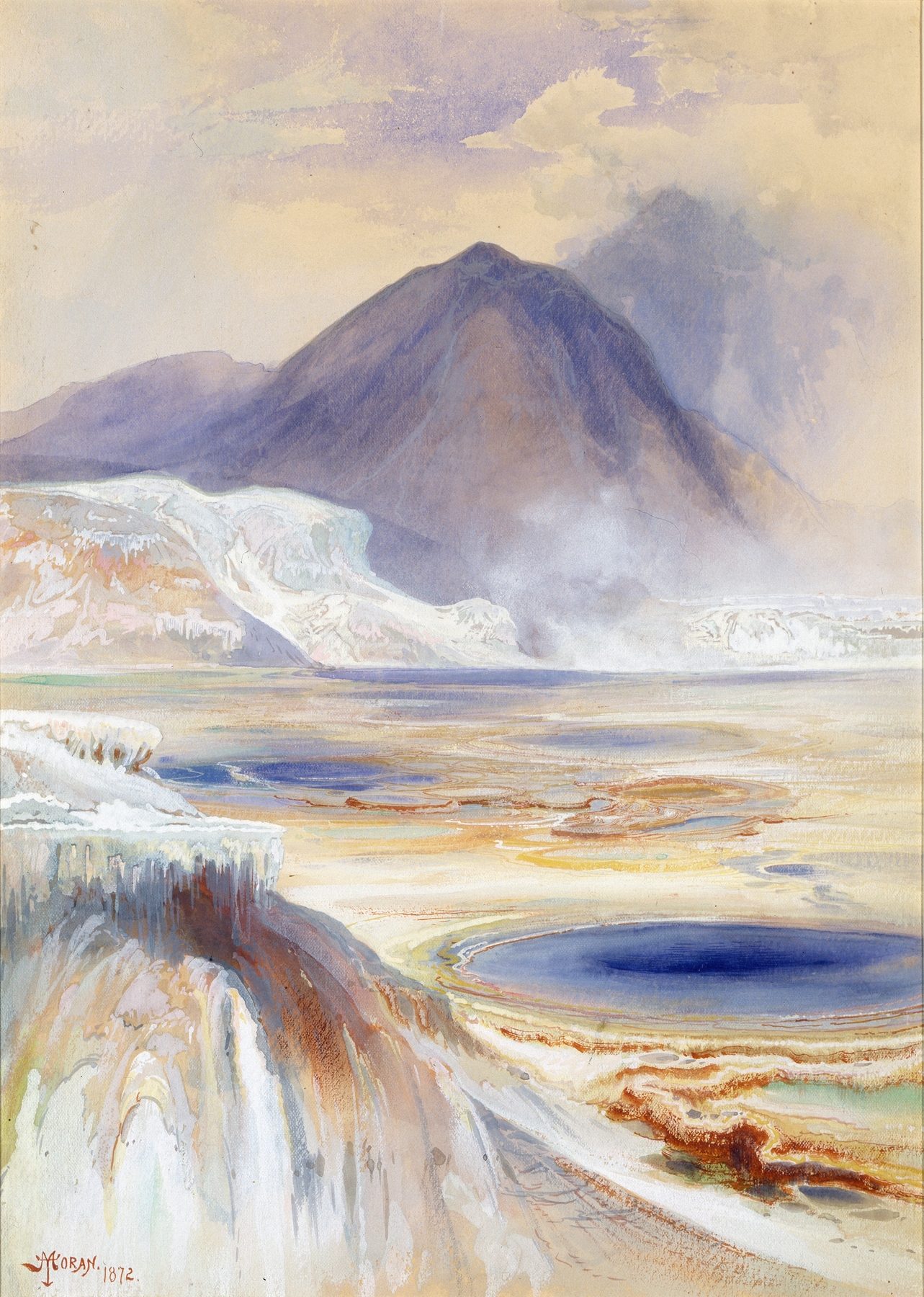
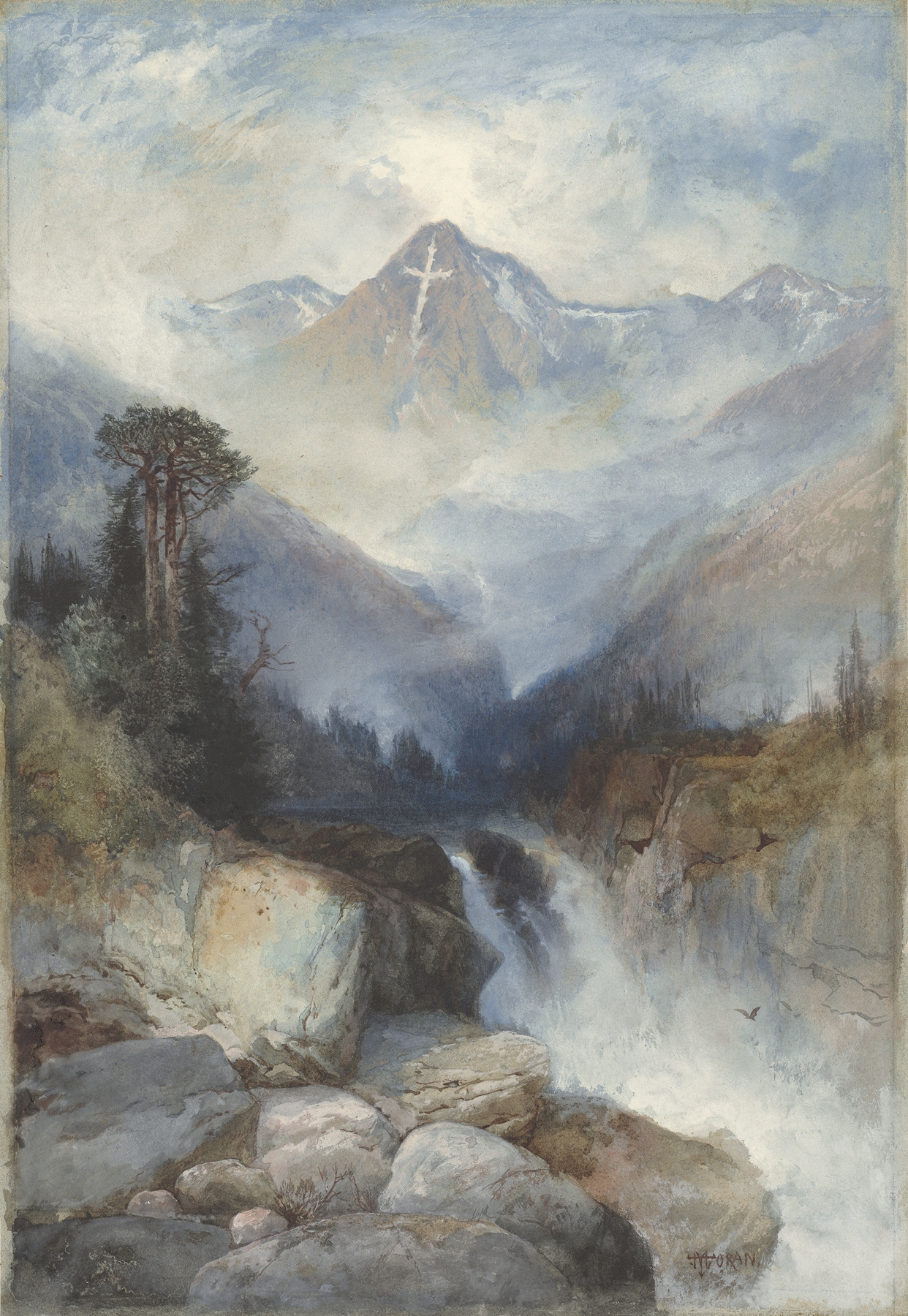
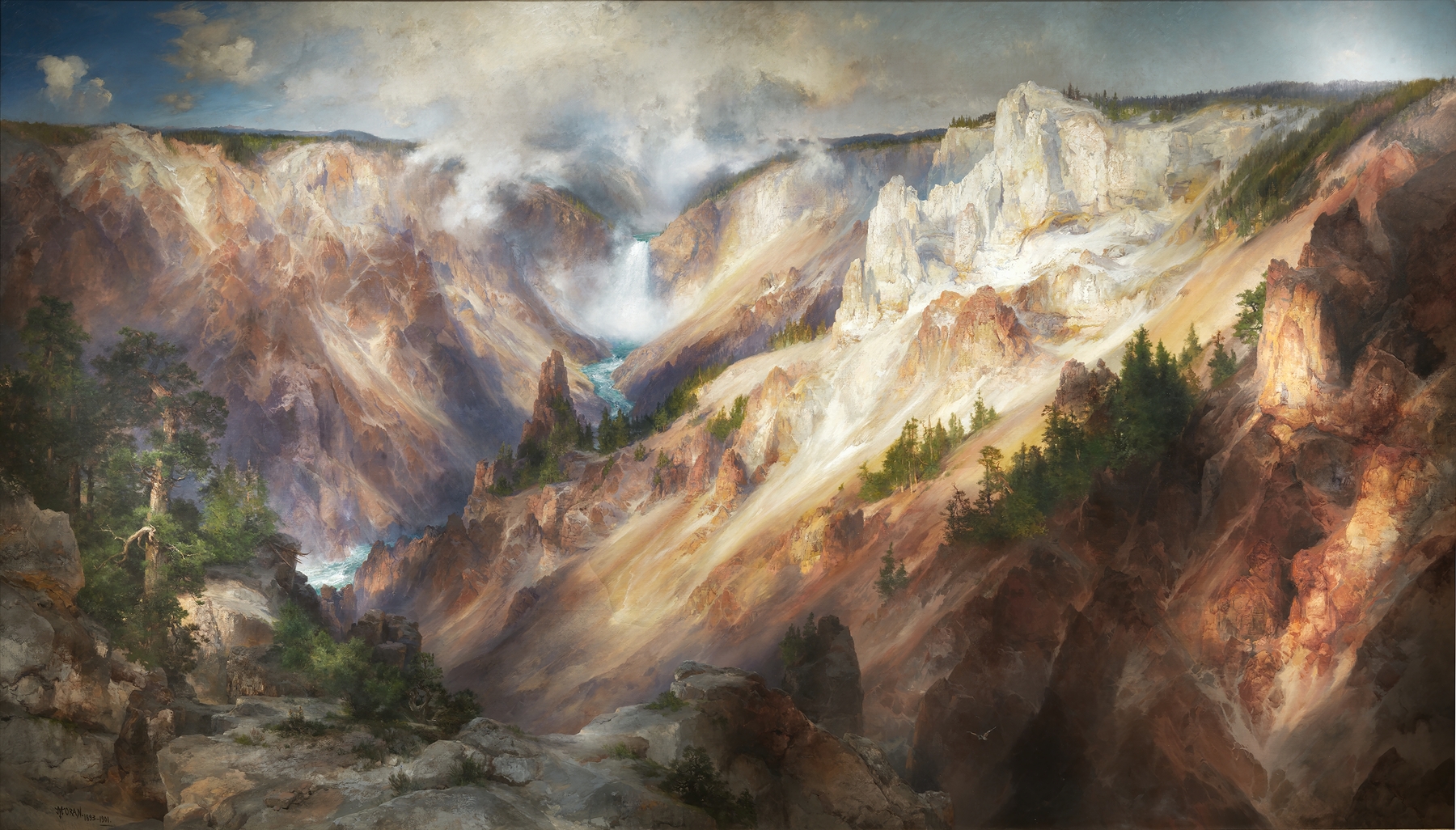
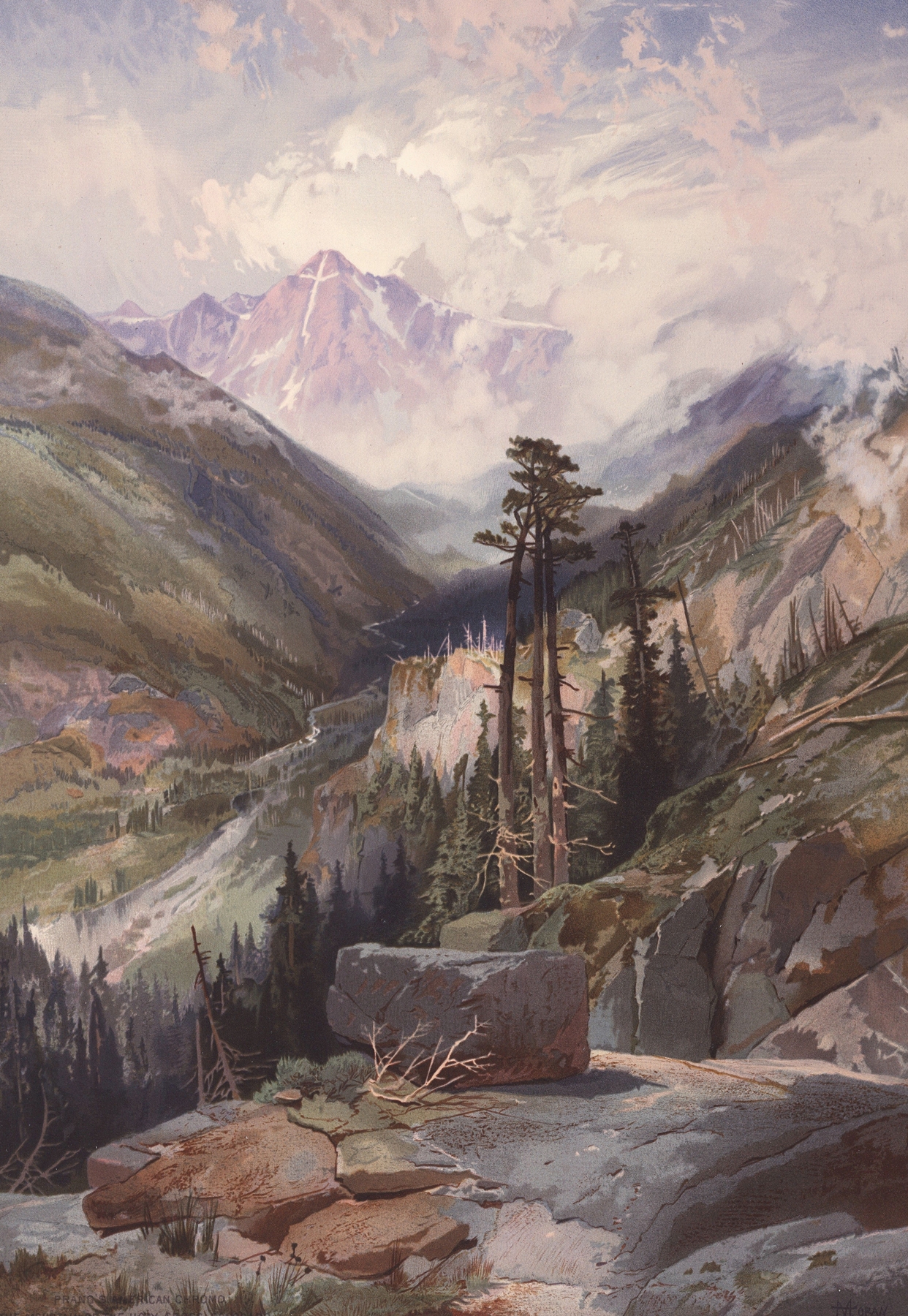
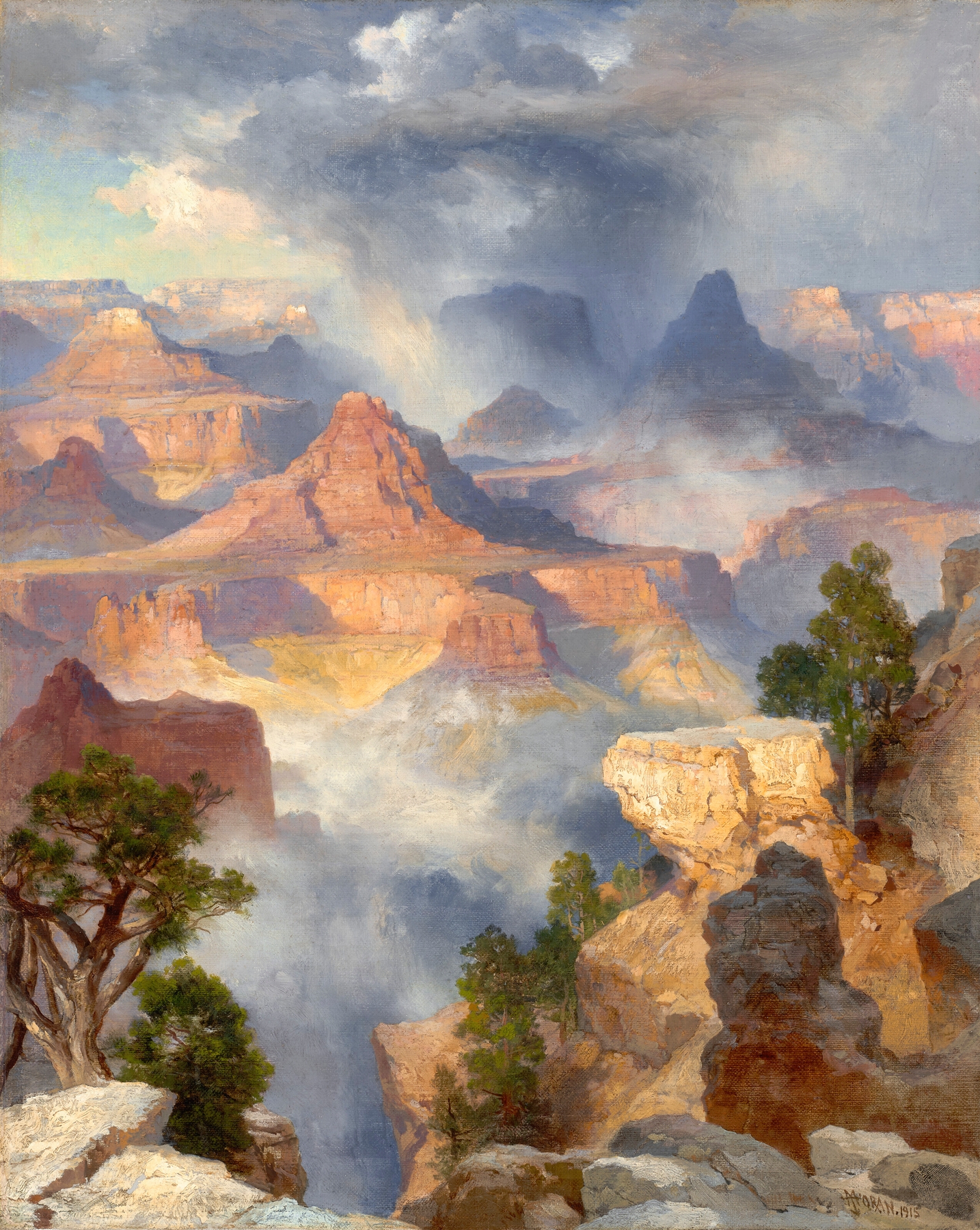
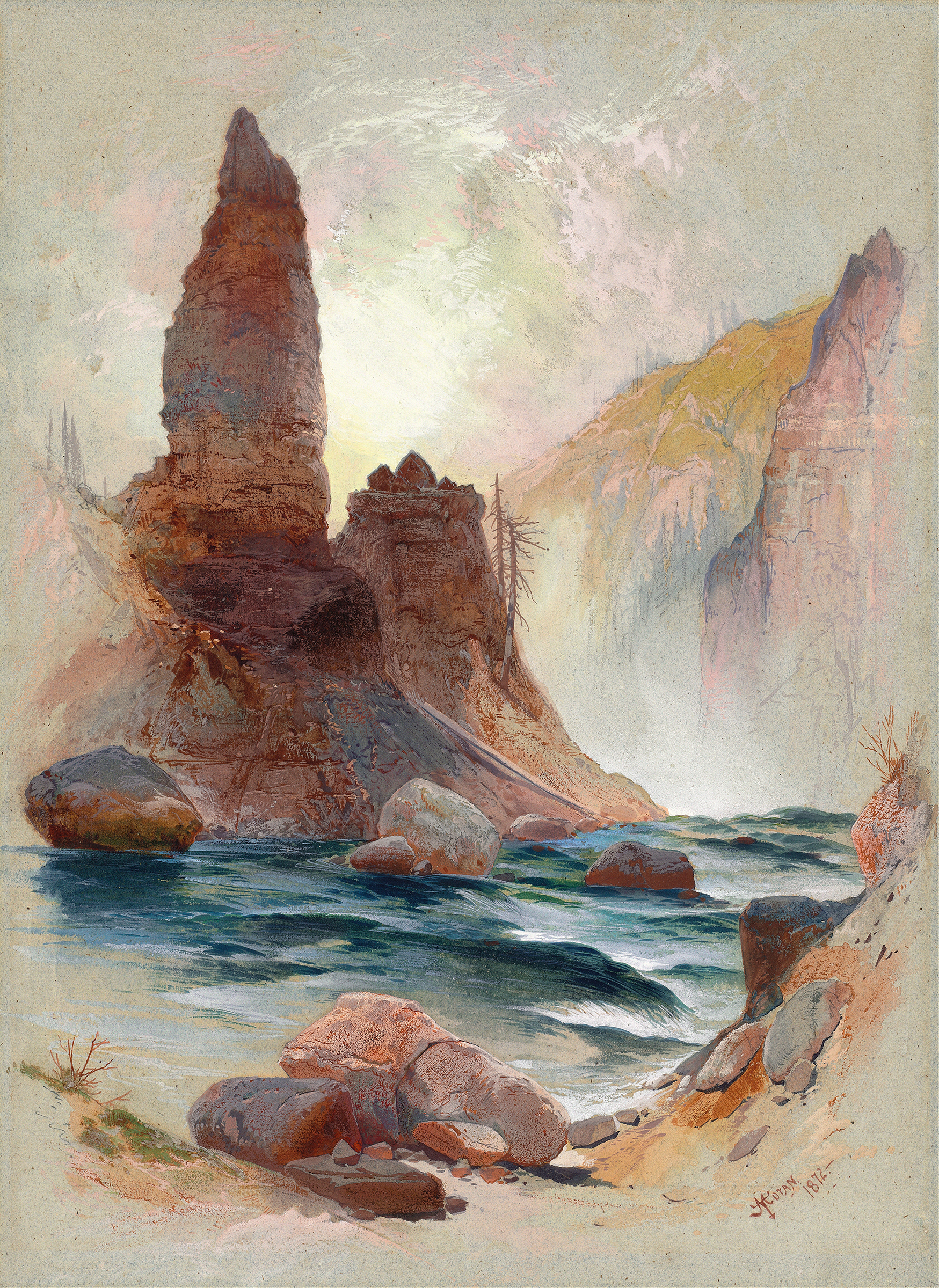
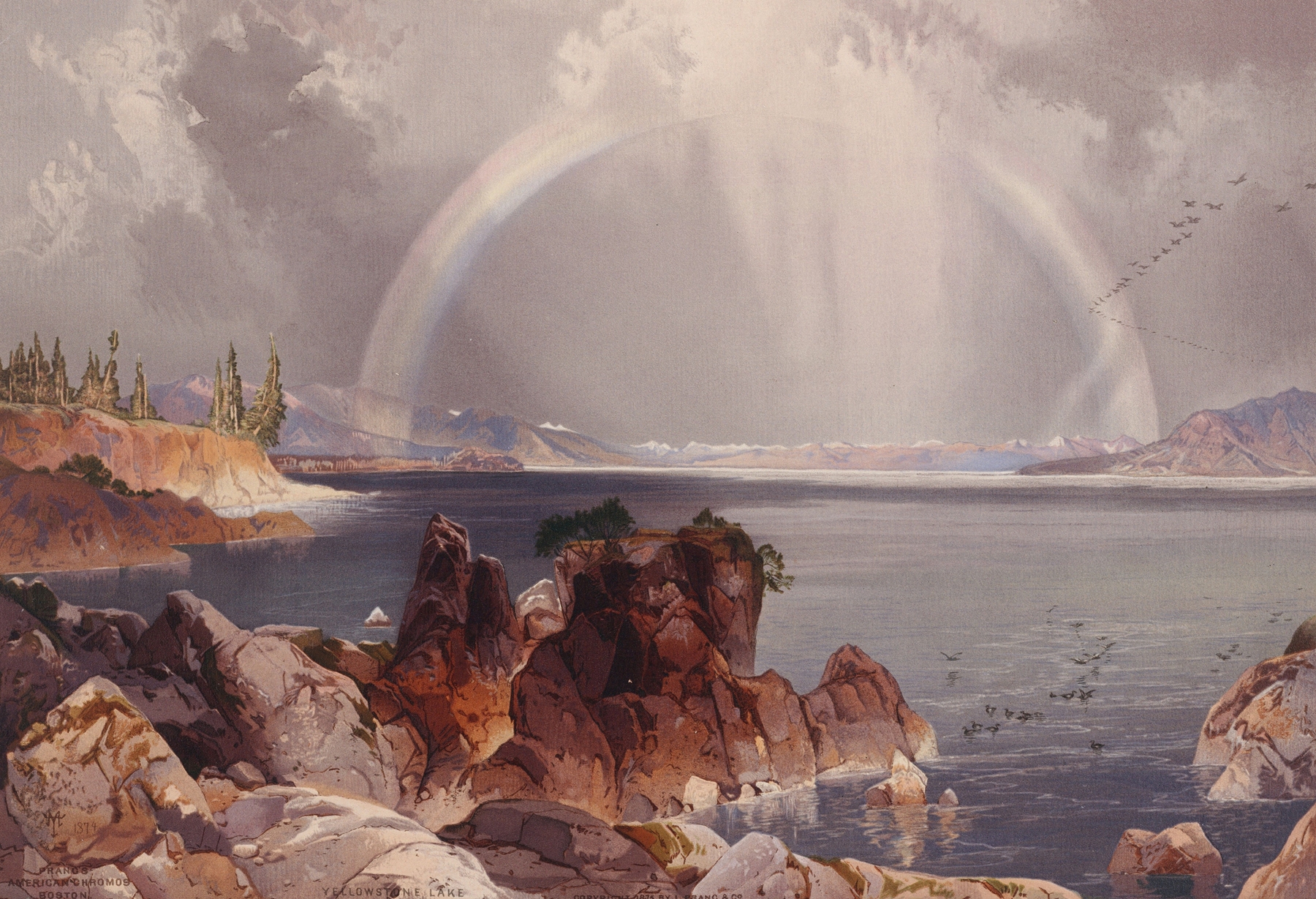
What if beauty was never meant to be finished? In the tranquil expanse of *Yellowstone Lake*, the artist captures a moment that feels both eternal and elusive—a serene yet powerful reflection on nature’s grandeur. Look to the center where the lake mirrors the vibrant hues of a sunset, the soft blues and fiery oranges blending seamlessly. Notice how the artist employs delicate brushstrokes to evoke the shimmering surface, creating a sense of movement that contrasts with the stillness of the surrounding landscape. The distant mountains frame the scene, their silhouettes dark against the glowing sky, inviting the viewer to delve deeper into the layers of color and emotion. As you explore further, consider the juxtaposition of light and shadow, where the reflections in the water challenge your perception of reality. The ethereal quality suggests that beauty is both transient and permanent, capturing the tension between nature’s wildness and its quietude. Hidden details, like the soft ripples near the shore, remind us of the delicate balance within this majestic ecosystem, prompting reflection on our connection to such landscapes. Created in 1875 during a pivotal moment in American art, this work emerged from Moran's travels through the American West, a period when artists sought to capture the nation's breathtaking natural beauty. The piece reflects the growing appreciation for wilderness as a subject of art, aligning with a broader movement that celebrated the American landscape and its sublime qualities.