Grand Canyon of the Colorado River — History & Analysis
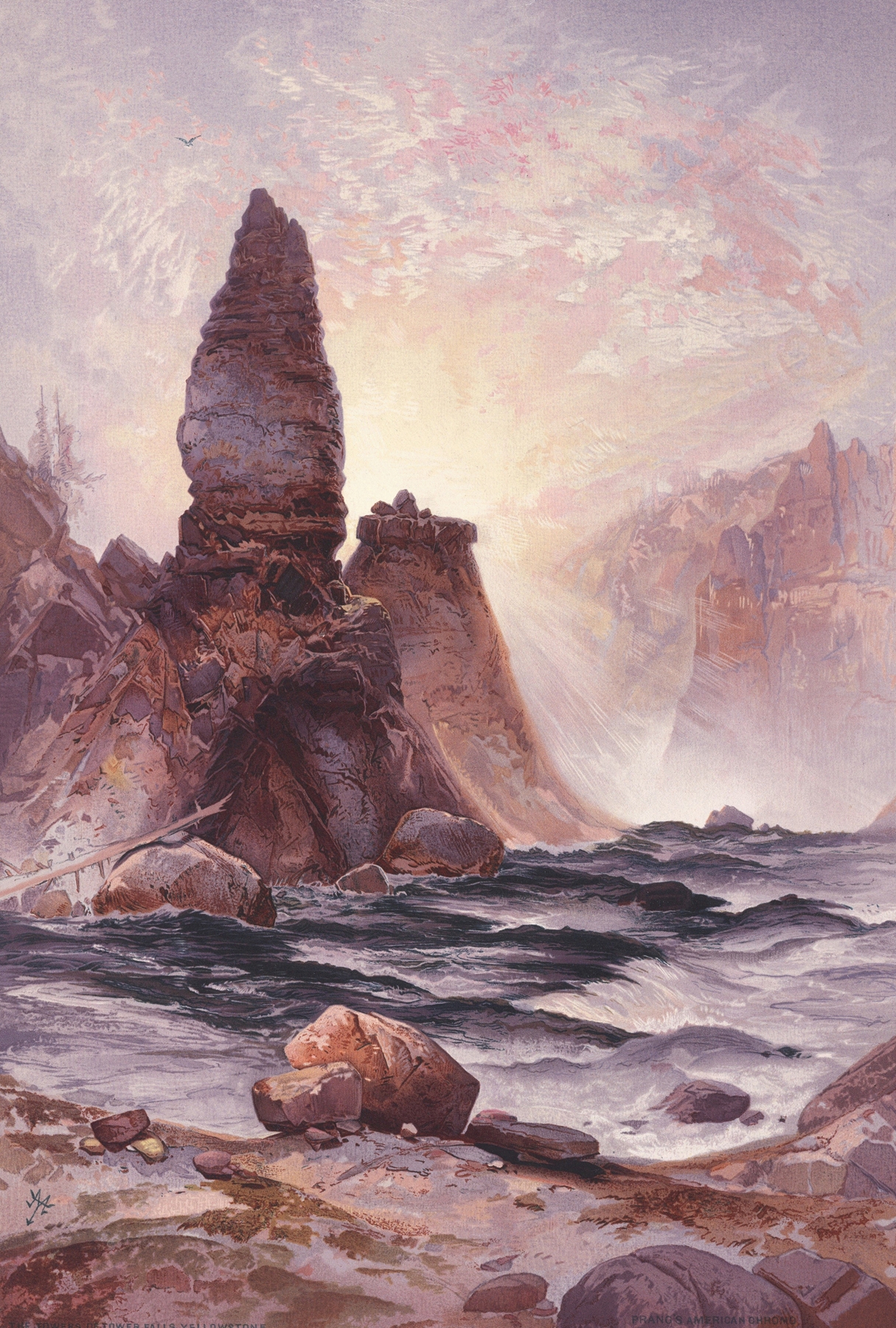
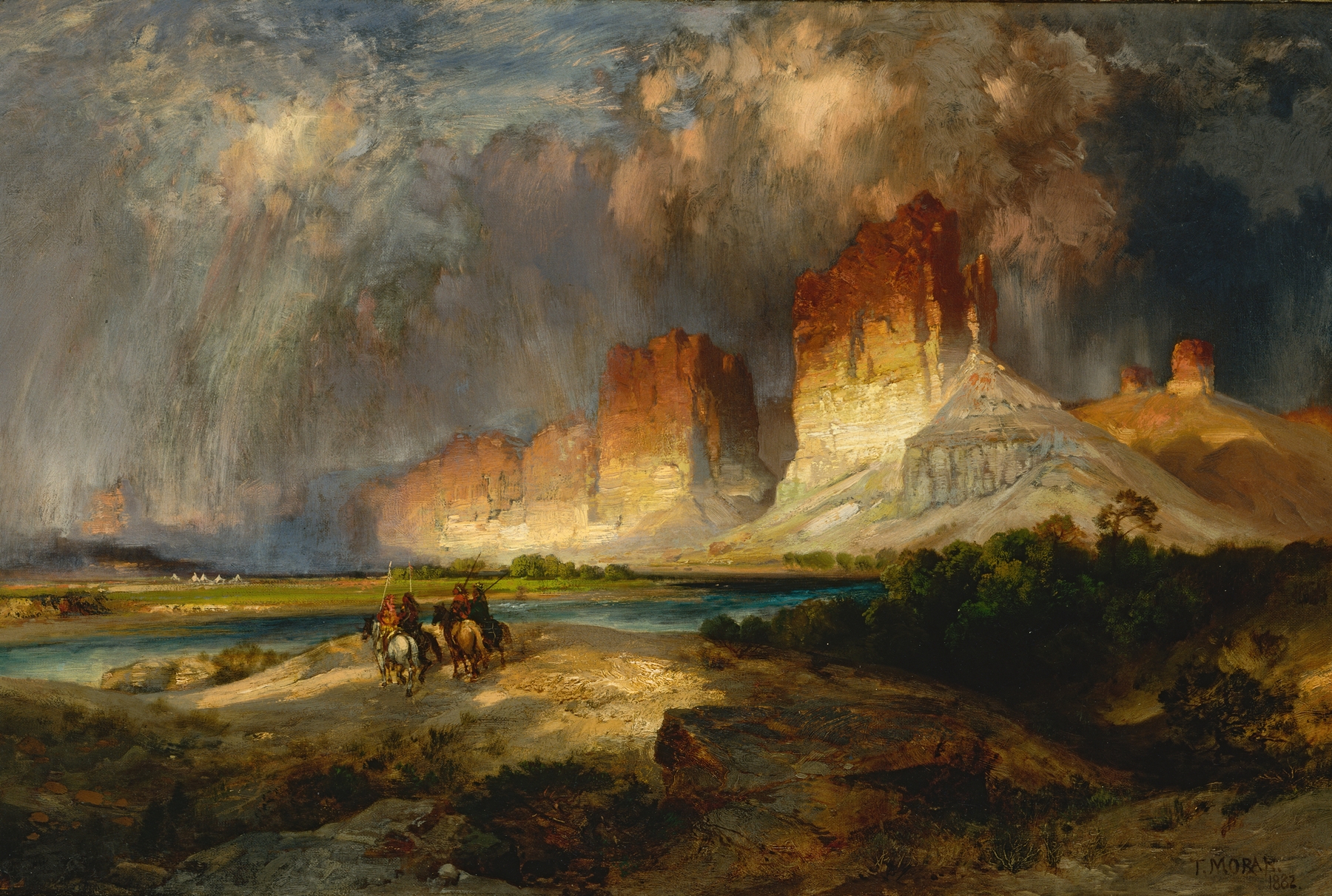
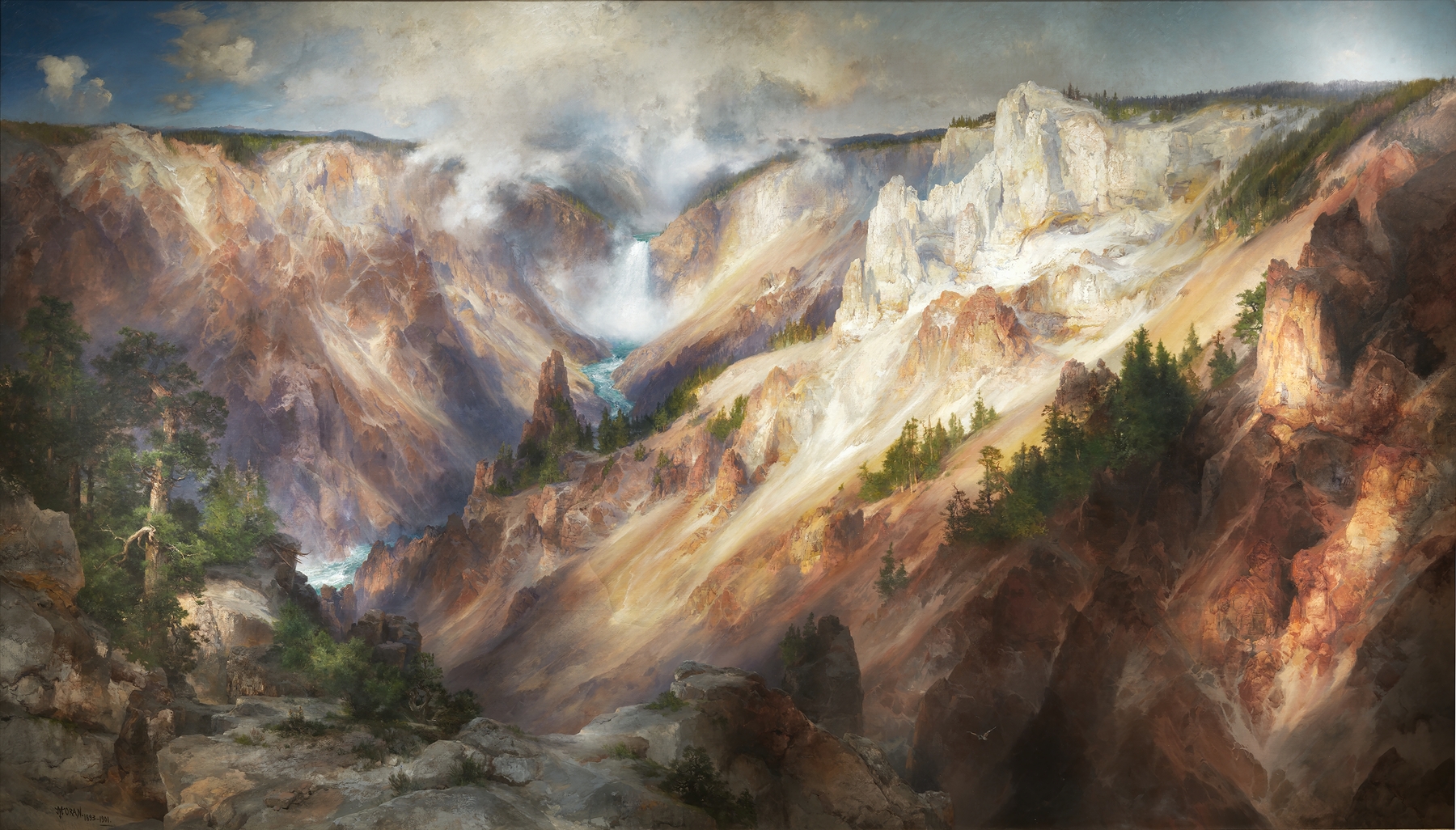
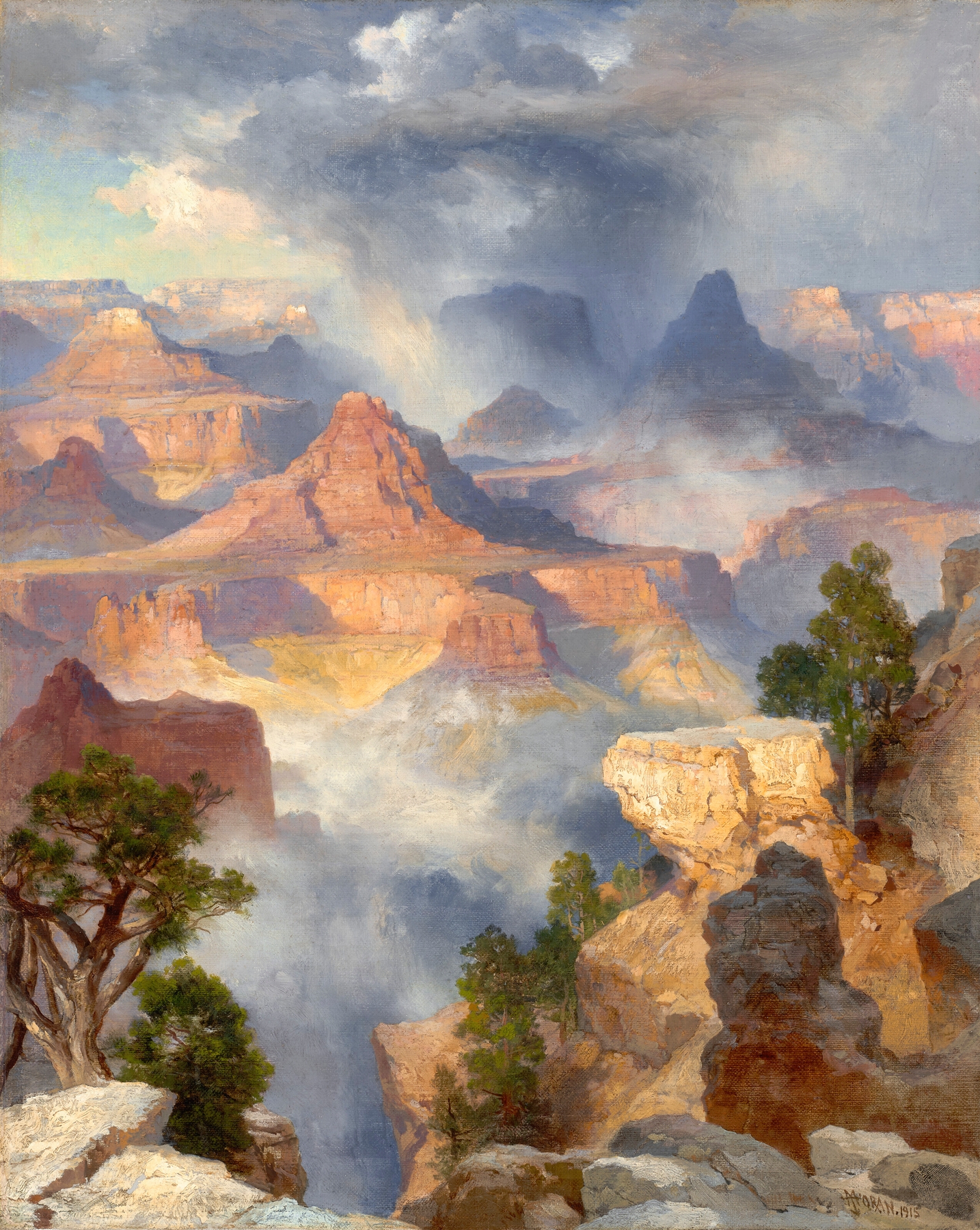
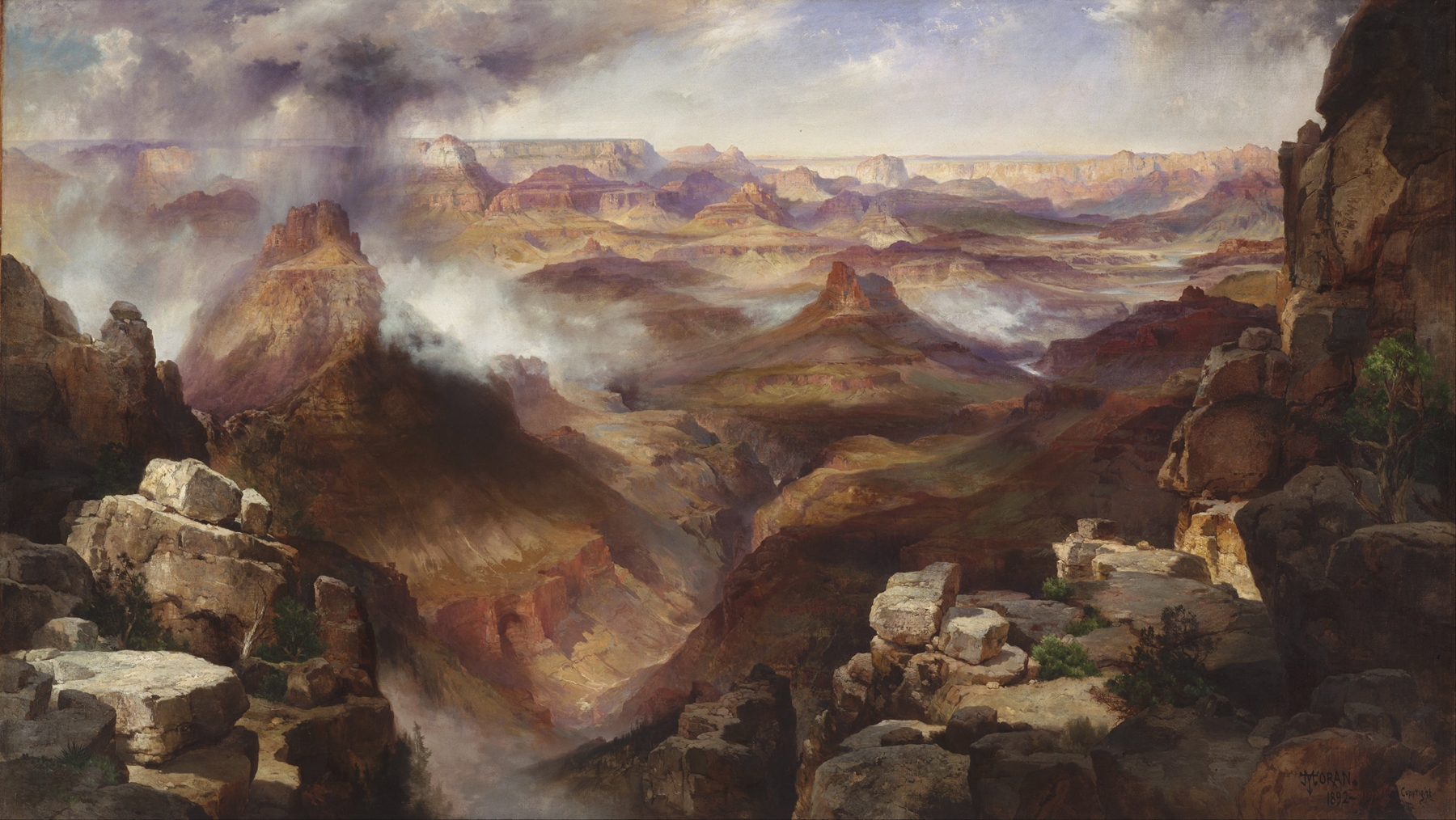
Where does light end, and longing begin? In the vast expanse of nature, the boundary between observation and emotion often blurs, revealing deeper truths. Focus on the radiant interplay of colors in the foreground, where lush greens and earthy browns draw the eye. Notice how the sweeping strokes create a sense of movement, as if the rocks and trees breathe, teeming with life. The majestic hills rise in layers, each one bathed in a golden hue that signals the setting sun, inviting the viewer to explore the undulating terrain and its hidden secrets. The artist's meticulous attention to detail captures not just the scene but the spirit of the Grand Canyon itself. In the distance, the interplay of light and shadow tells a story of contrasts—between the rugged cliffs and serene waters, between the boldness of nature and the quiet awe it inspires. There lies an emotional tension, a yearning for connection with the untamed wilderness. The composition invites reflection on the relationship between mankind and the sublime, urging us to confront the truths hidden within our hearts as we gaze into the breathtaking abyss. This masterpiece emerged during a pivotal moment in the 19th century when the American landscape was gaining recognition as a subject worthy of artistic portrayal. The artist, often influenced by the burgeoning conservation movement, created this piece amid a growing interest in the American West, contributing to the dialogue surrounding nature’s beauty and fragility. It reflects not only a personal journey but also a collective cultural awakening to the landscapes that define a nation.