The Nativity — History & Analysis
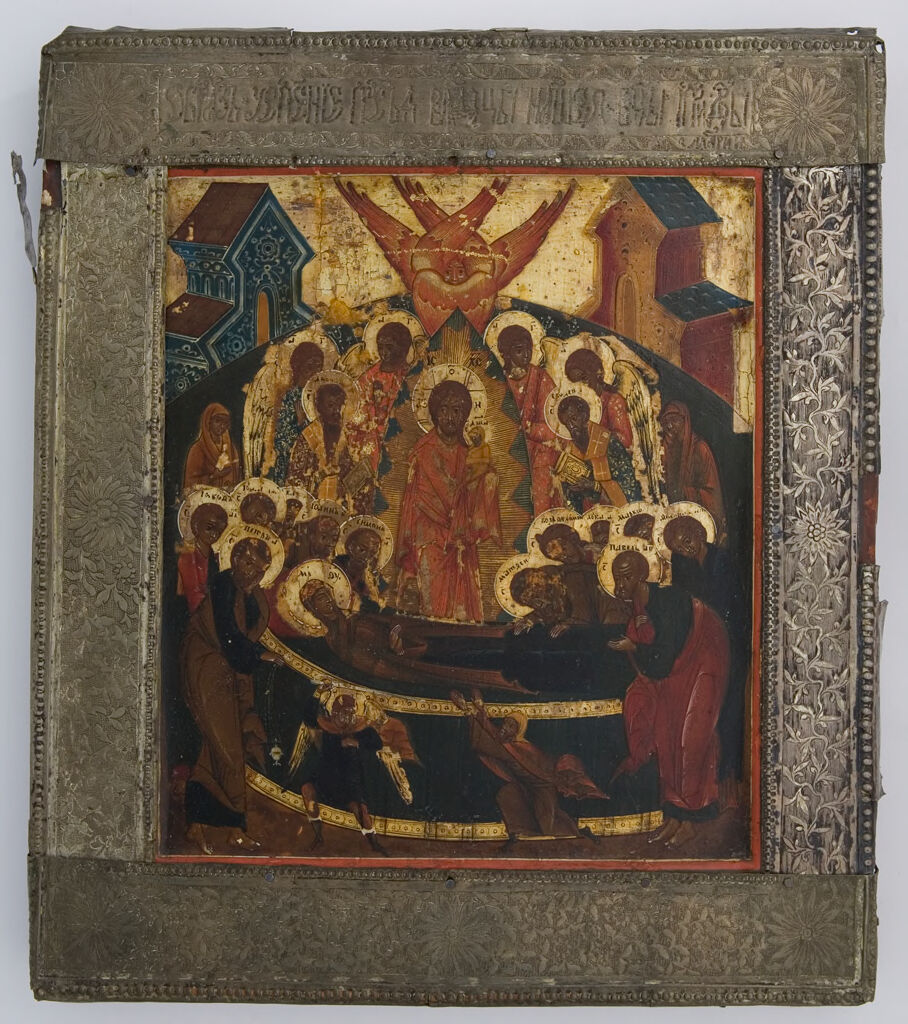
In a humble stable, soft light spills from a single lantern, illuminating the serene faces around a newborn babe. The air, thick with the scent of hay and an undercurrent of reverence, holds the breath of the gathered figures—Mary, Joseph, shepherds, and distant saints, each drawn by a gentle gravity. Their gestures, poised in awe and adoration, capture a moment suspended in time, where innocence reigns supreme. Look to the center, where the infant lies swaddled in simple cloth, radiating a glow that seems to transcend the dimness surrounding Him.
The figures encircling Him are cloaked in rich blues and earthy browns, contrasting against the soft pastels of the newborn's garments. Notice how the artist masterfully blends gold leaf into the halo, drawing your gaze back to the child, an emblem of purity and hope amidst the rustic environment. The artwork speaks to themes of innocence and divinity, evoking a profound sense of protection and warmth. The juxtaposition of the ethereal light and the rough textures of the stable suggests a convergence of the divine and the ordinary.
Subtle details—like the gentle touch of Mary’s hand or the awestruck expressions of the shepherds—invite contemplation of their emotional weight, hinting at the transformative power of this miraculous event. Created around 1280, this piece reflects the profound spirituality of its time, emerging from a period when the Catholic Church was a dominant force in art and culture. The anonymity of the artist suggests a collective faith rather than individual renown, echoing the communal reverence for the Nativity story. In an age marked by fervent devotion, this portrayal captures the essence of hope and salvation, resonating deeply with the hearts of its viewers.