The poor Man’s Field — History & Analysis
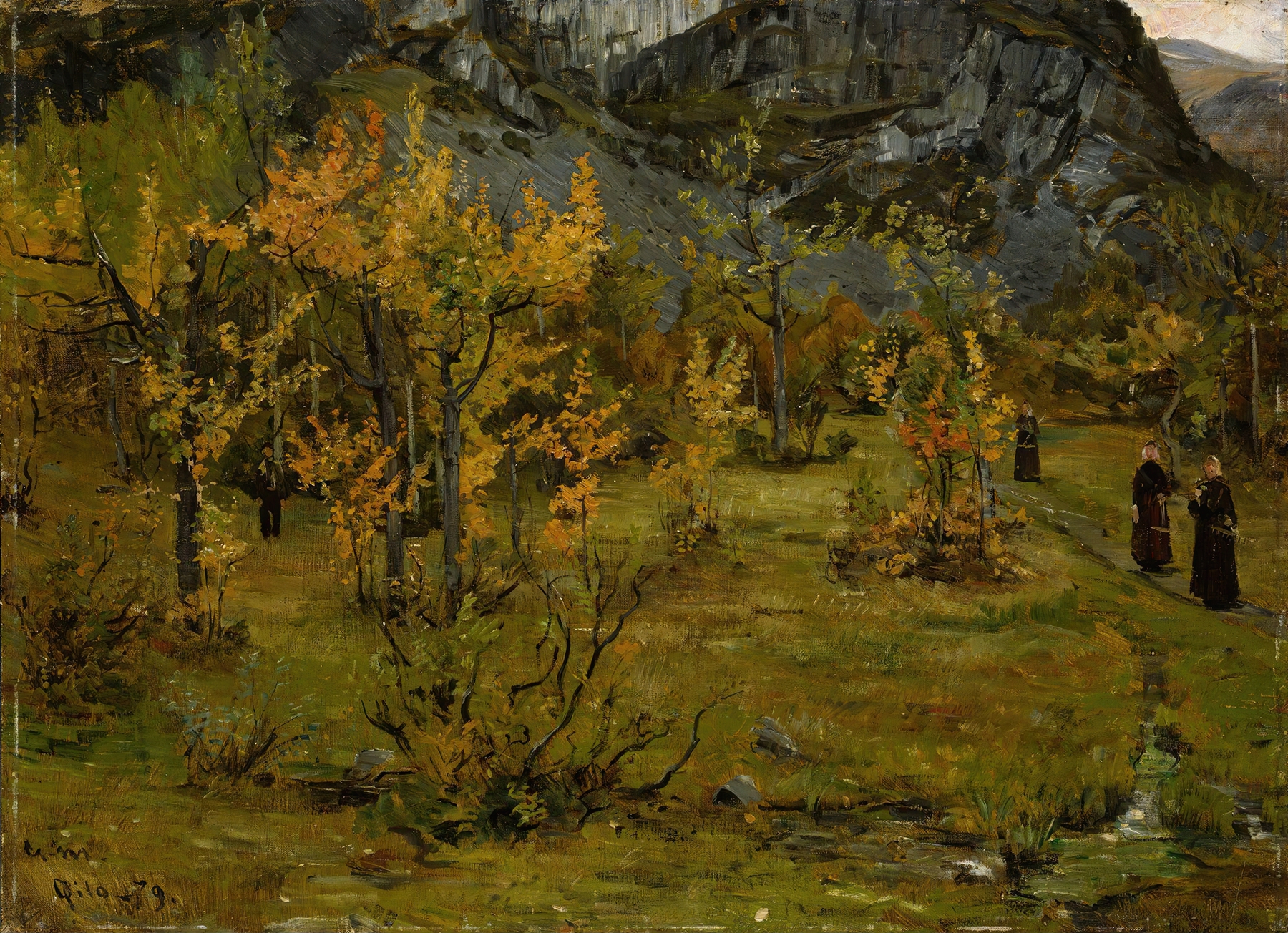
Where does light end, and longing begin? In a world steeped in yearning, the boundary between illumination and desire often blurs, giving rise to profound narratives of hope. Look to the center of the canvas, where a solitary figure kneels in a field that stretches endlessly toward the horizon. The muted earthy tones of the landscape contrast sharply with the soft, golden light that bathes the scene, drawing the viewer's eye to the man's humble posture.
His tattered clothing illustrates both his poverty and resilience, while the delicate brushwork captures the gentle swaying of the grass in a breeze, imparting a sense of life and continuity. As you explore the edges of the painting, notice the delicate balance between despair and hope. The man's downturned head reflects a moment of introspection, yet the soft glow of the sun suggests that even in the direst circumstances, there is the promise of a new day. The juxtaposition of his solitary figure against vast nature speaks to the universal human struggle—where hardship exists alongside an indomitable spirit.
In 1877, Gerhard Munthe painted this work during a period of artistic exploration, influenced by the burgeoning naturalism movement while grappling with the realities of contemporary life. At this time, Europe was witnessing significant social changes, prompting many artists to reflect on themes of poverty and resilience. Munthe's experience as a young artist shaped his focus on the intricate relationship between man and nature, and The Poor Man’s Field emerges as a poignant testament to that connection.