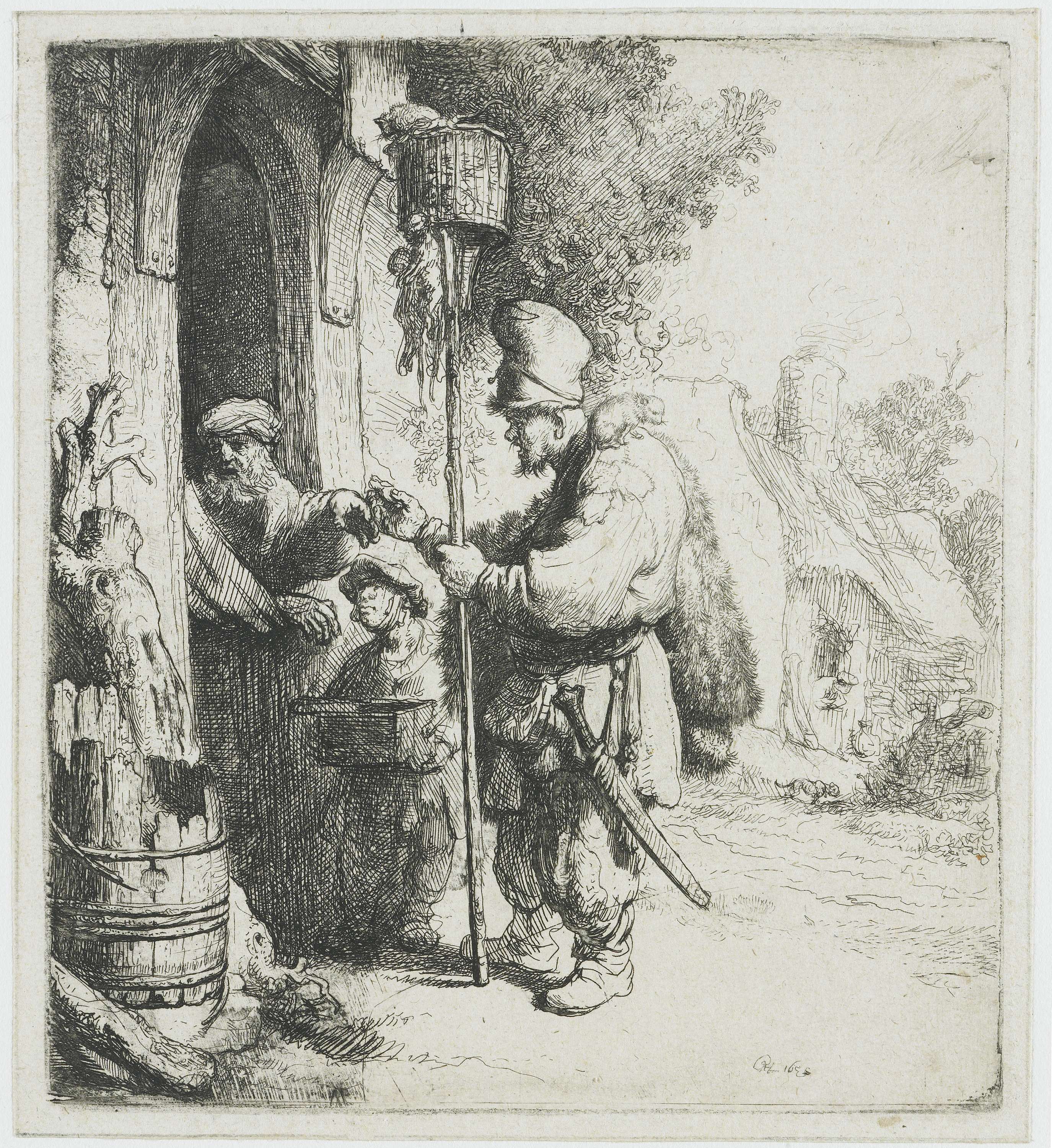
The rat catcher — History & Analysis
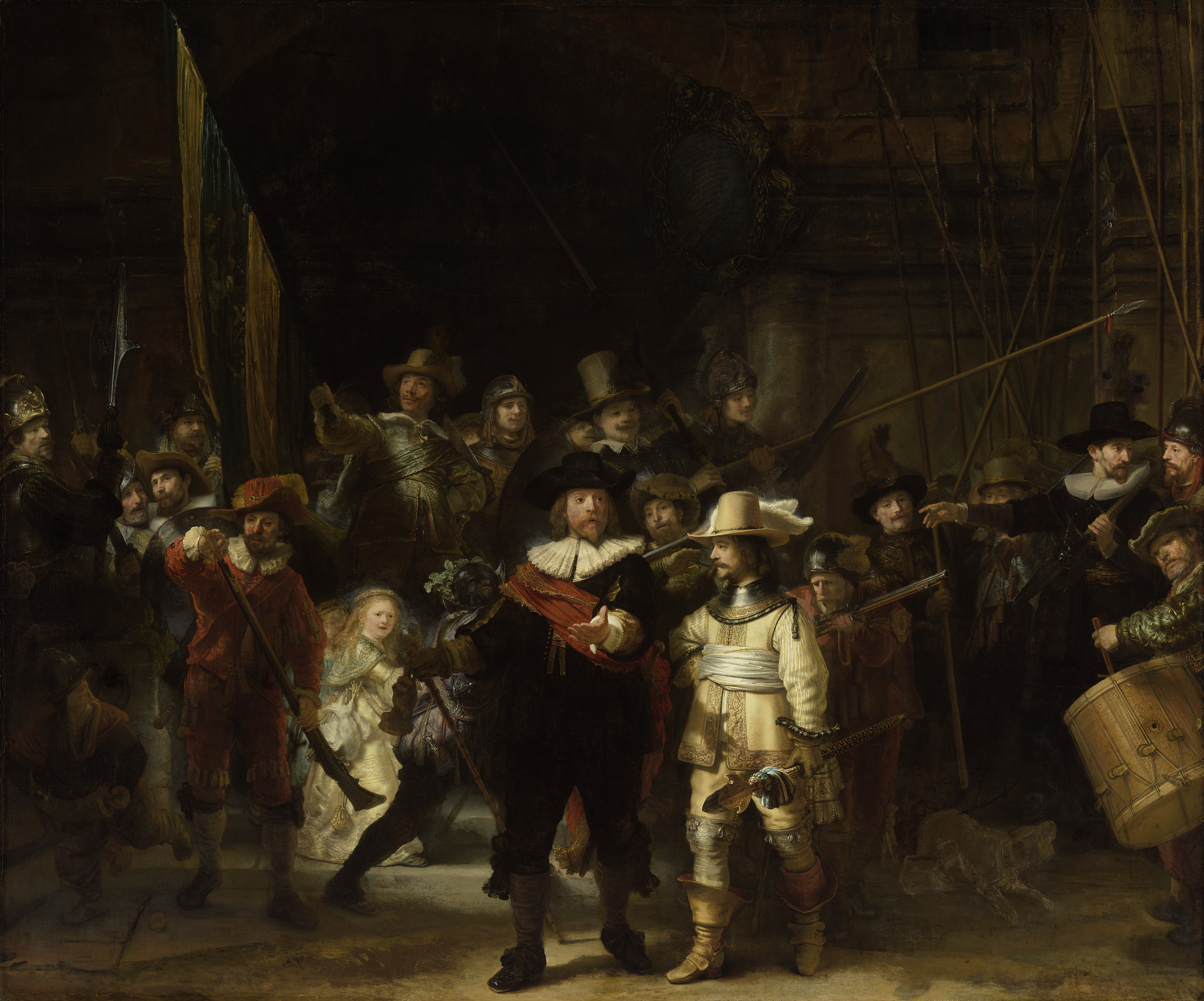
Can paint confess what words never could? In The Rat Catcher, this masterpiece captures the beauty of vulnerability, revealing the silent struggles that accompany the simplest of tasks. Look closely at the figure of the rat catcher, situated in the foreground, where his worn hands grasp the lifeless creature. Notice how the light bathes him in a golden glow, contrasting starkly with the shadows that loom around. The muted color palette, dominated by earthy browns and soft creams, underscores an atmosphere of reverence and resilience.
Every brushstroke, with its deliberate texture, invites the viewer to feel the weight of the moment, drawing us into the emotional gravity of the scene. Beneath the surface lies a tension between life and death, joy and despair. The rat brings with it a dual symbolism: a menace to the household yet a testament to the catcher's skill and worth. His pained expression reveals a deeper struggle, perhaps with societal expectations or personal demons.
The background, blurred and indistinct, suggests a world that remains oblivious to the laborer’s triumph, hinting at the isolation often felt by those who labor in obscurity. In 1632, Rembrandt was navigating the early stages of his career in Amsterdam. He was establishing his reputation as a portrait artist while exploring the interplay of light and shadow. The art world was ripe with innovation, and this work reflects both the theatricality of Baroque aesthetics and his burgeoning capacity to capture the human experience, setting the stage for his enduring legacy.