The Road from Versailles to Saint-Germain — History & Analysis
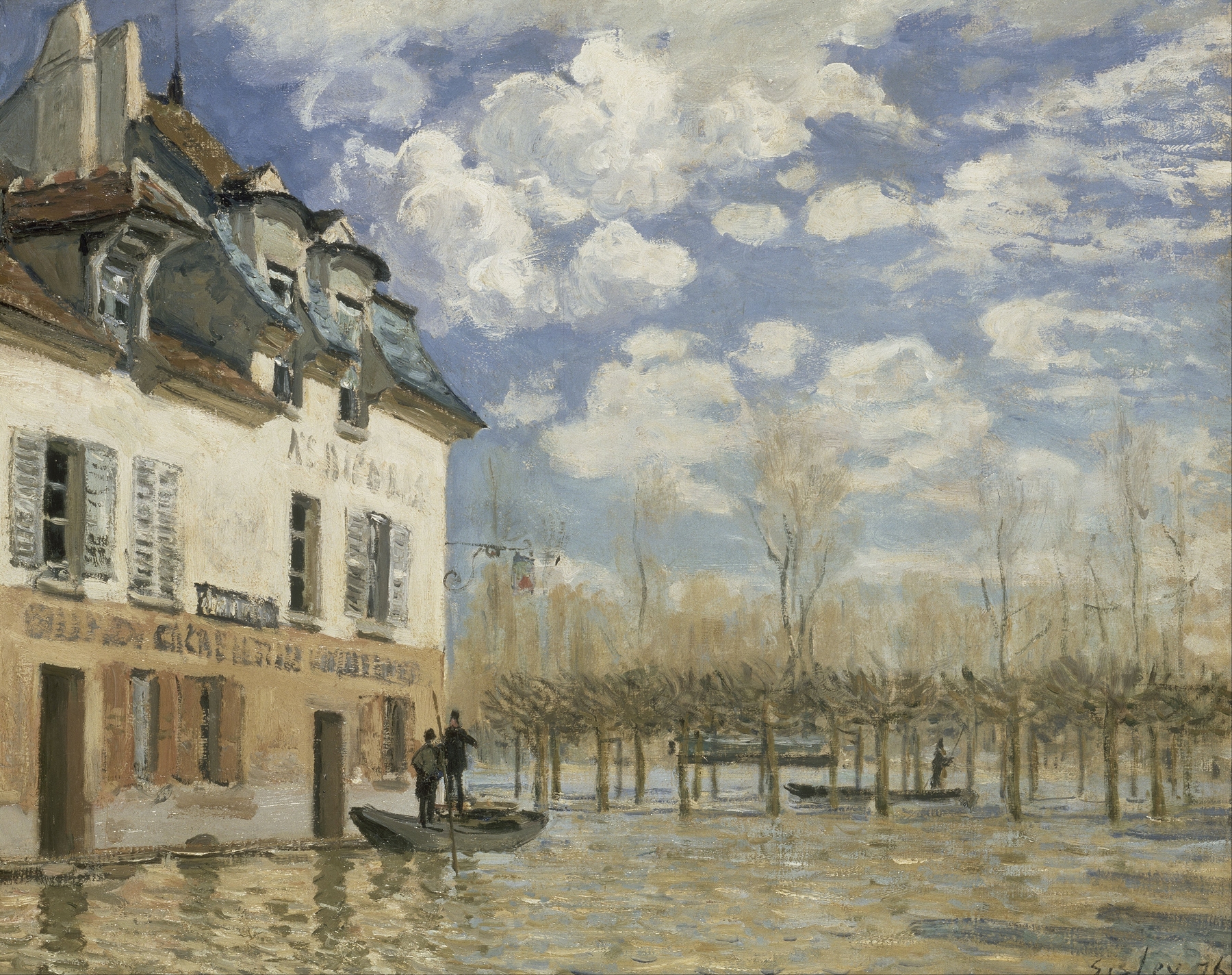
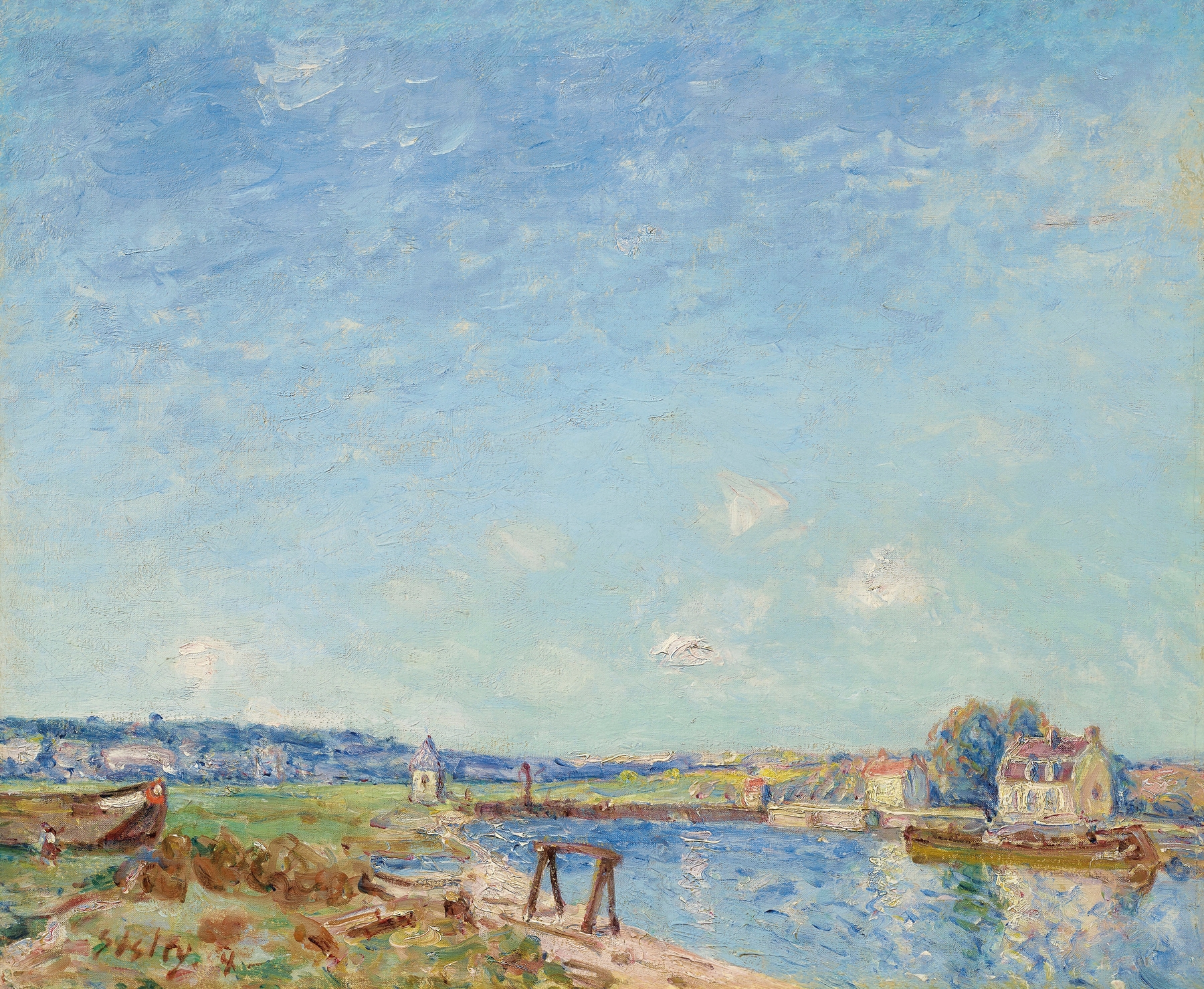
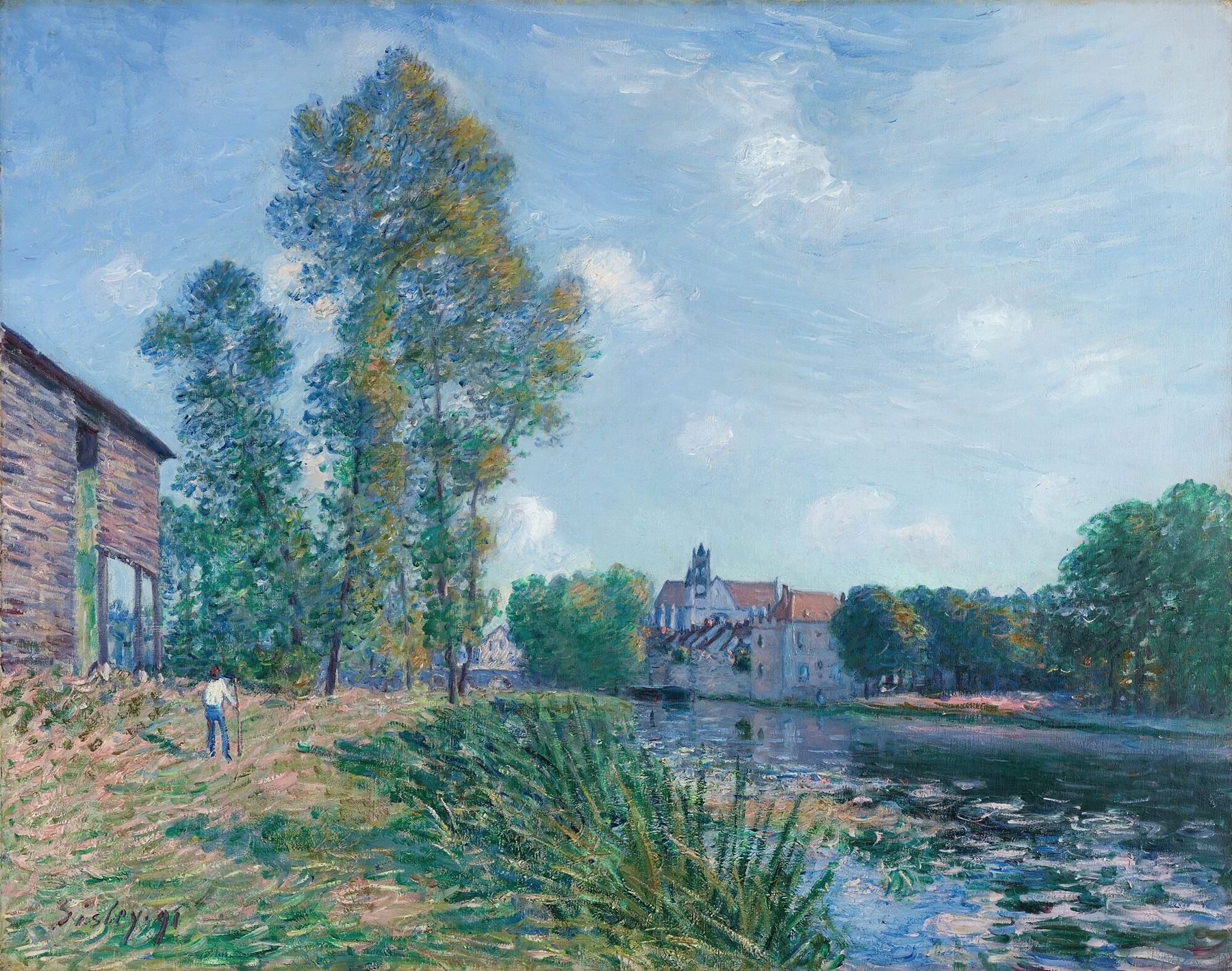
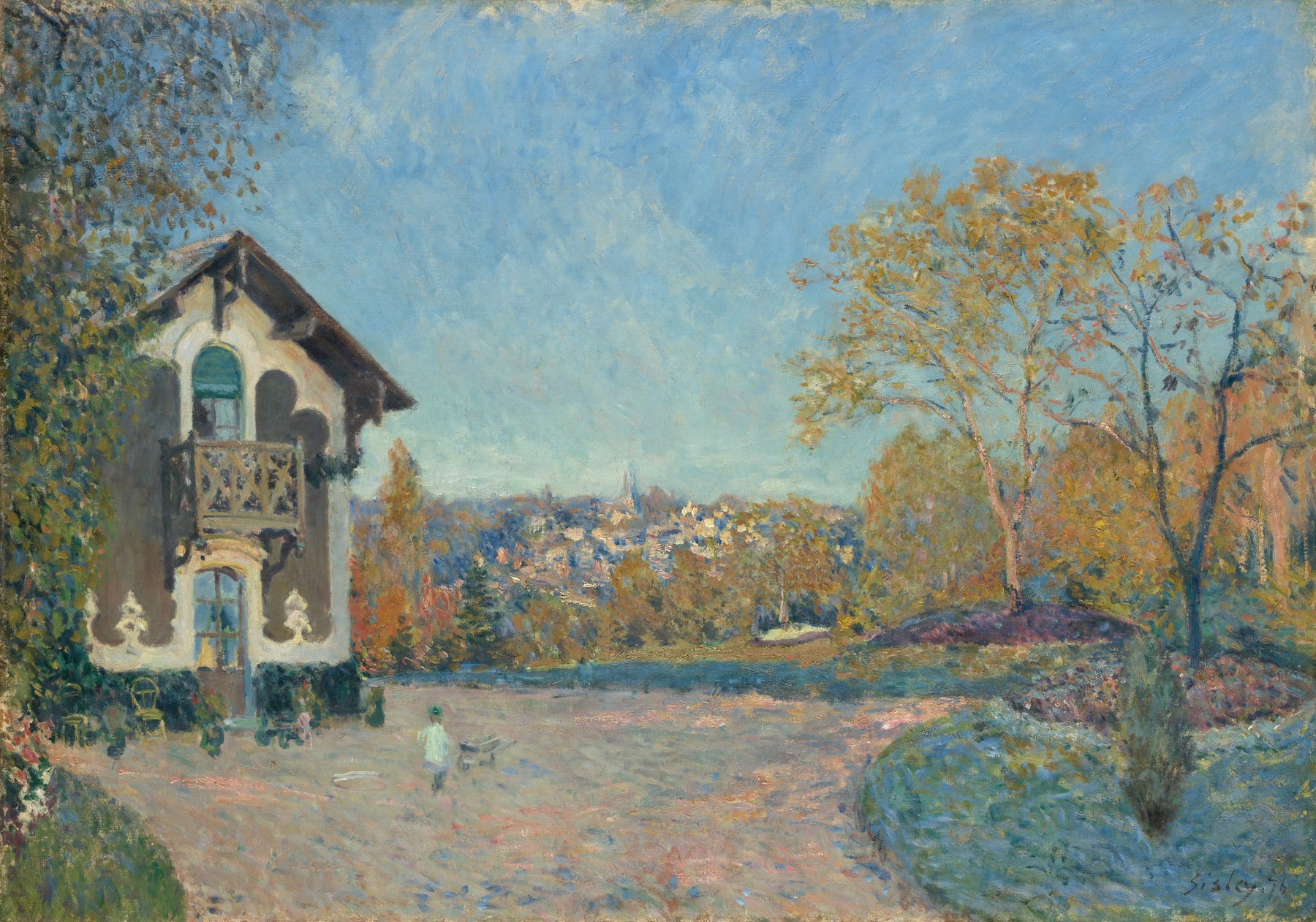
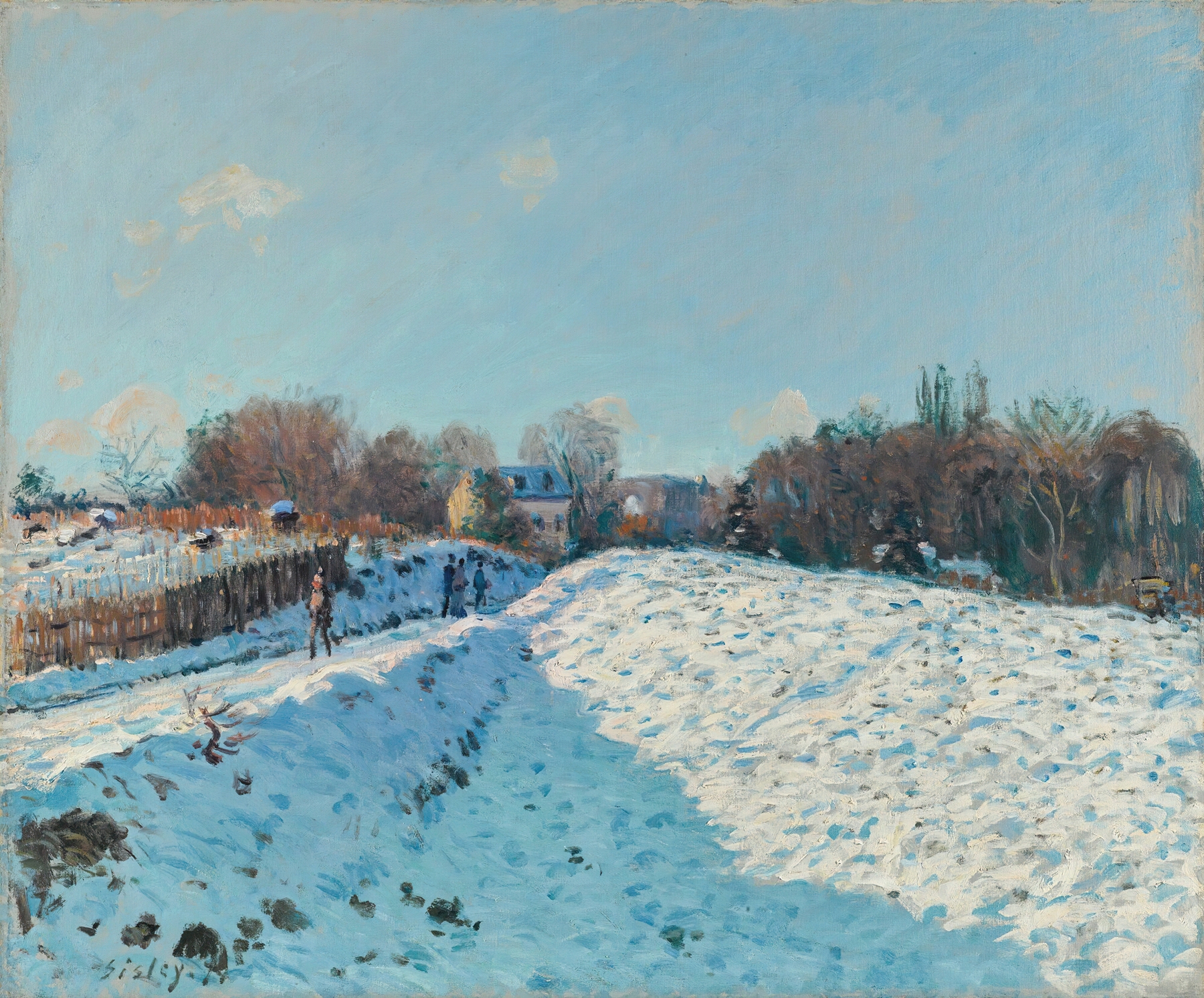
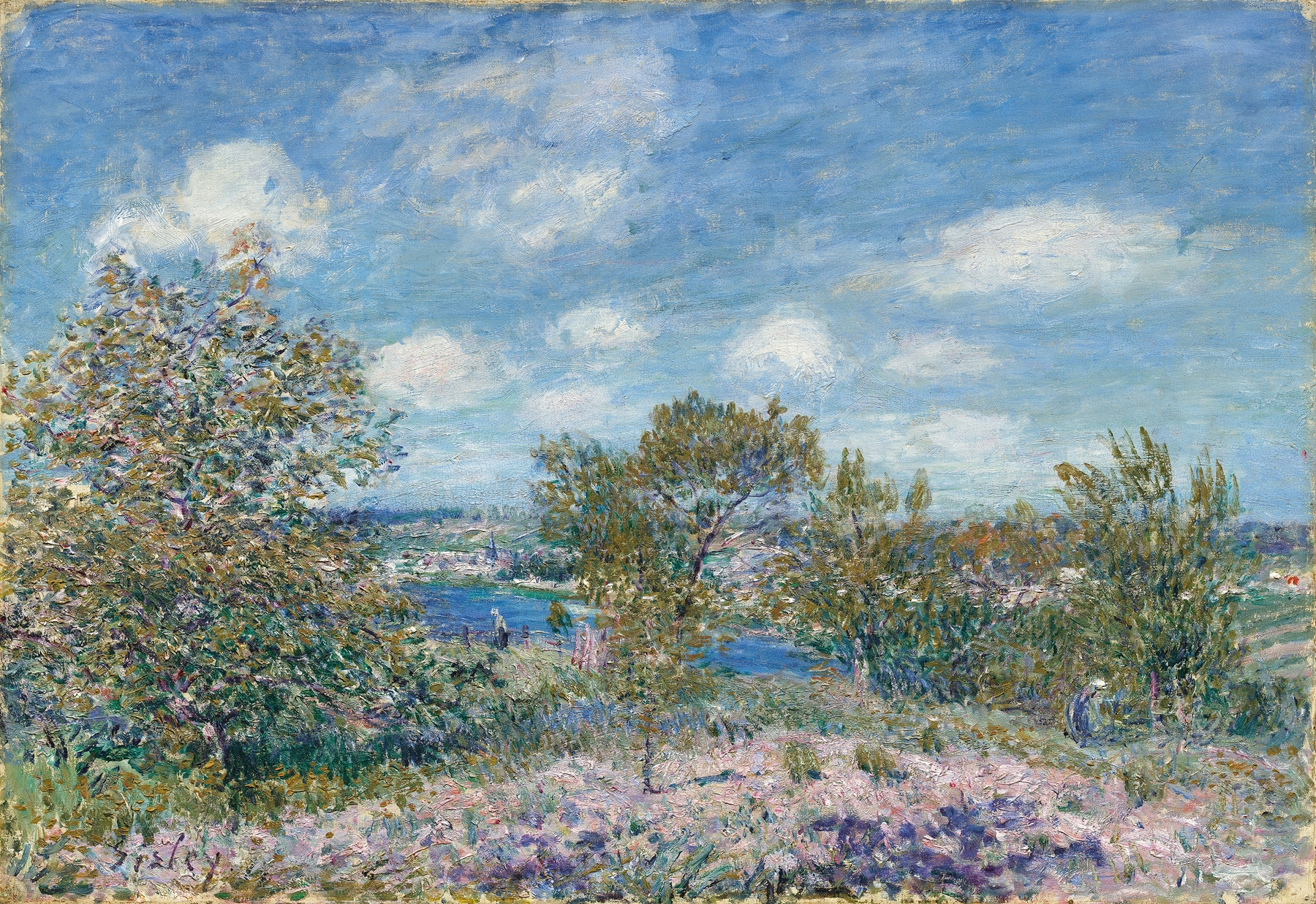
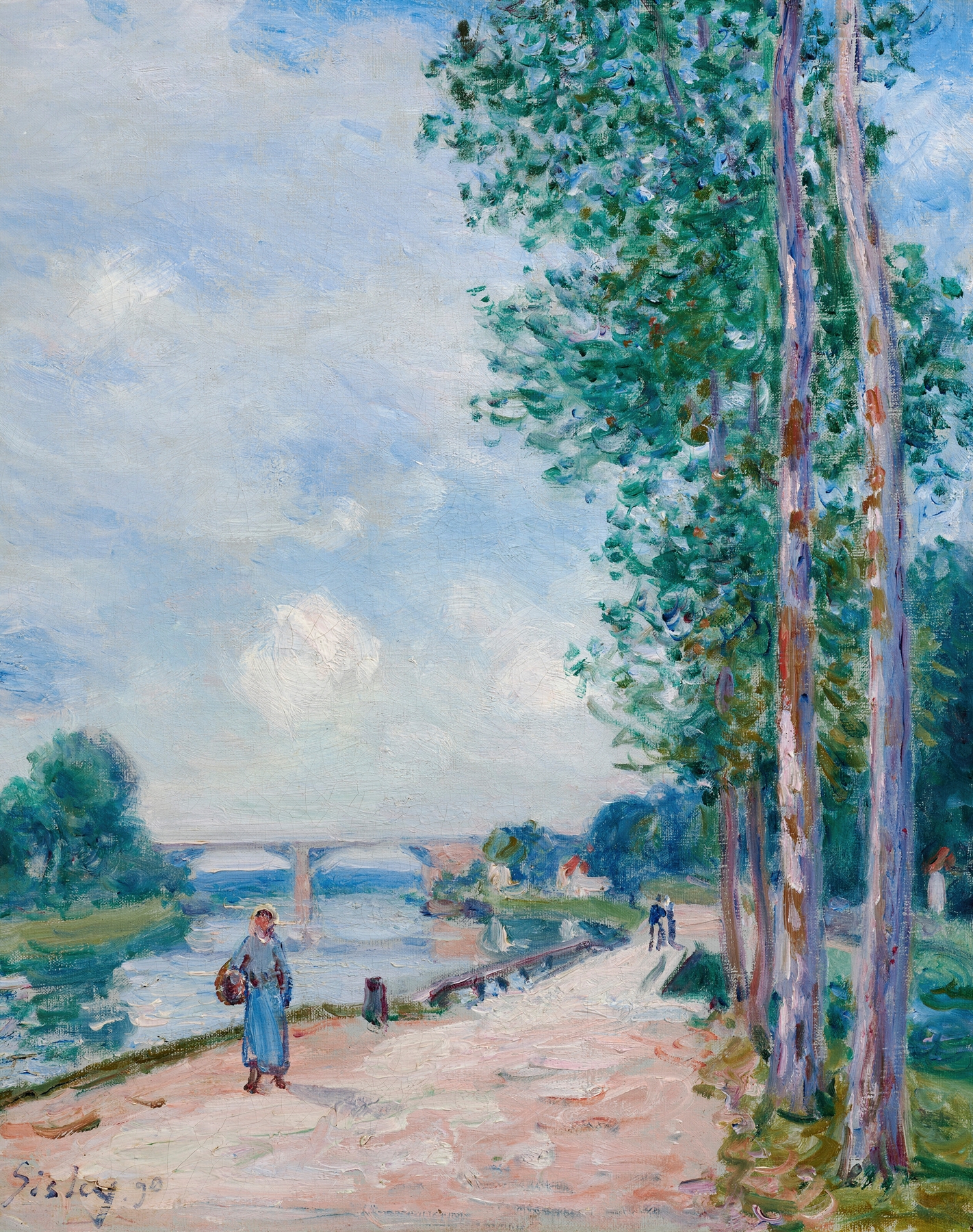
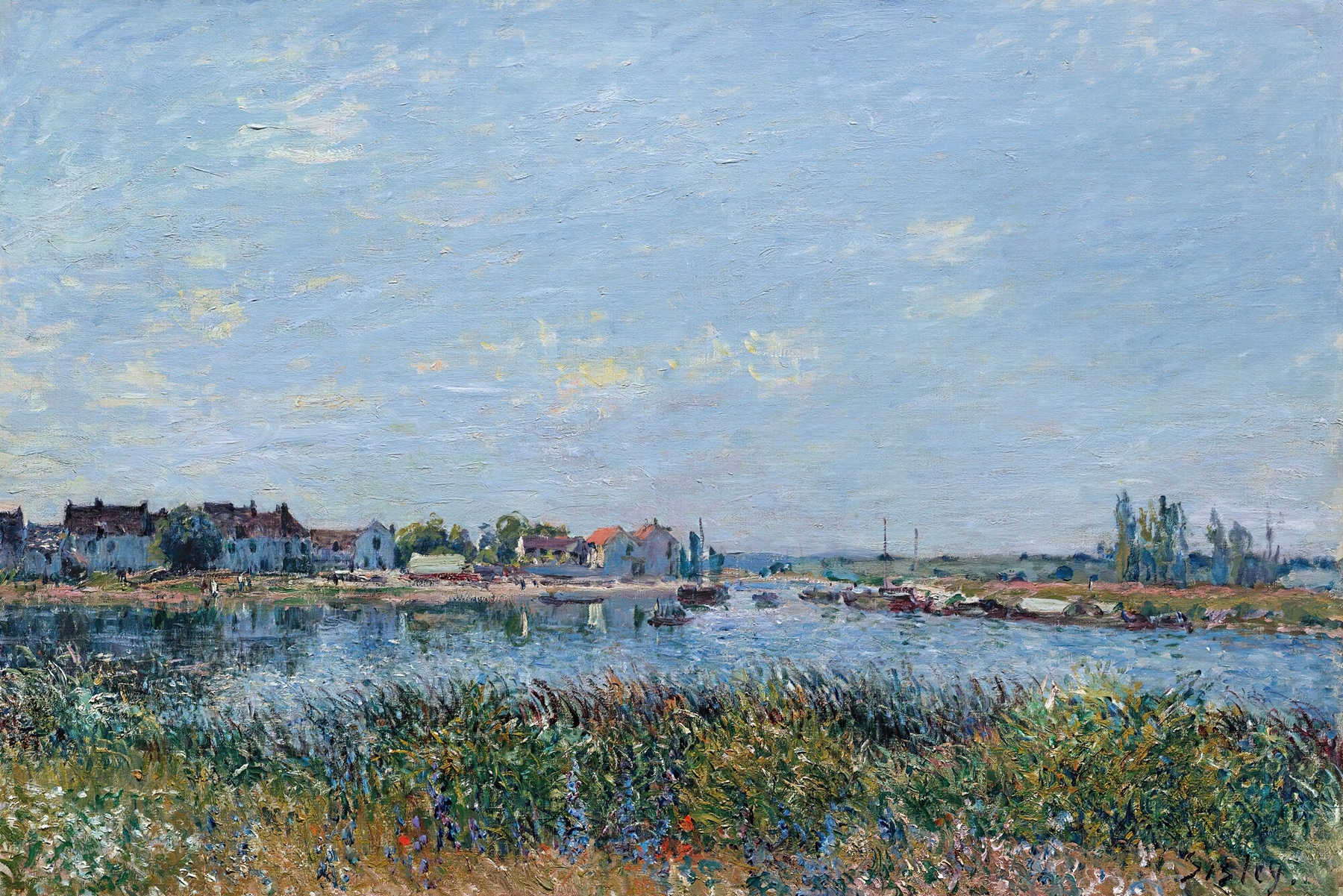
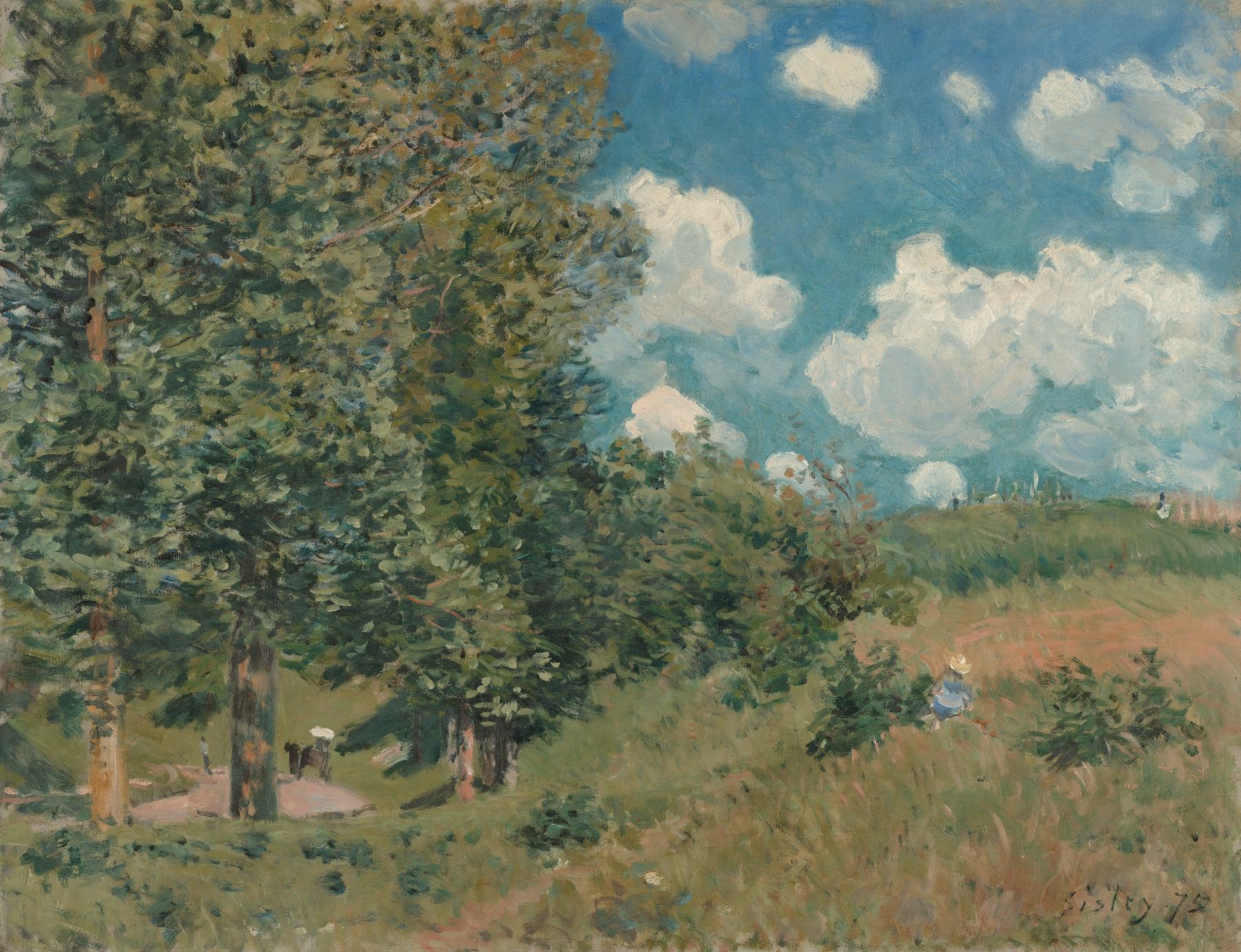
Did the painter know this moment would outlive them? In The Road from Versailles to Saint-Germain, the fleeting desire for freedom and connection is captured in a serene landscape, inviting contemplation of time's passage. Focus first on the winding path that draws the eye into the heart of the scene, where the horizon gently kisses the azure sky. Notice how the dappled sunlight filters through the foliage, casting playful shadows upon the road—each brushstroke breathing life into the soft greens and warm earth tones.
The composition is deceptively simple yet profoundly engaging, suggesting a journey that is both physical and metaphorical. The juxtaposition of light and shadow creates an emotional tension, embodying the duality of desire: the longing to escape the confines of the familiar and the comfort found within its embrace. As the figures traverse the path, one senses an unspoken connection to both nature and one another, hinting at the collective human experience of yearning for something just beyond reach. Intricately painted clouds drift above, symbolizing fleeting thoughts and aspirations that hover just out of grasp.
Alfred Sisley created this piece in 1875 while living in France, immersed in the Impressionist movement alongside contemporaries such as Monet and Pissarro. At this time, he was seeking personal and artistic recognition, grappling with the shifting dynamics of society and art. Capturing the essence of a moment that connects people to their environment, he developed a distinct style that celebrated the beauty of everyday life, echoing the desires that dwell within us all.