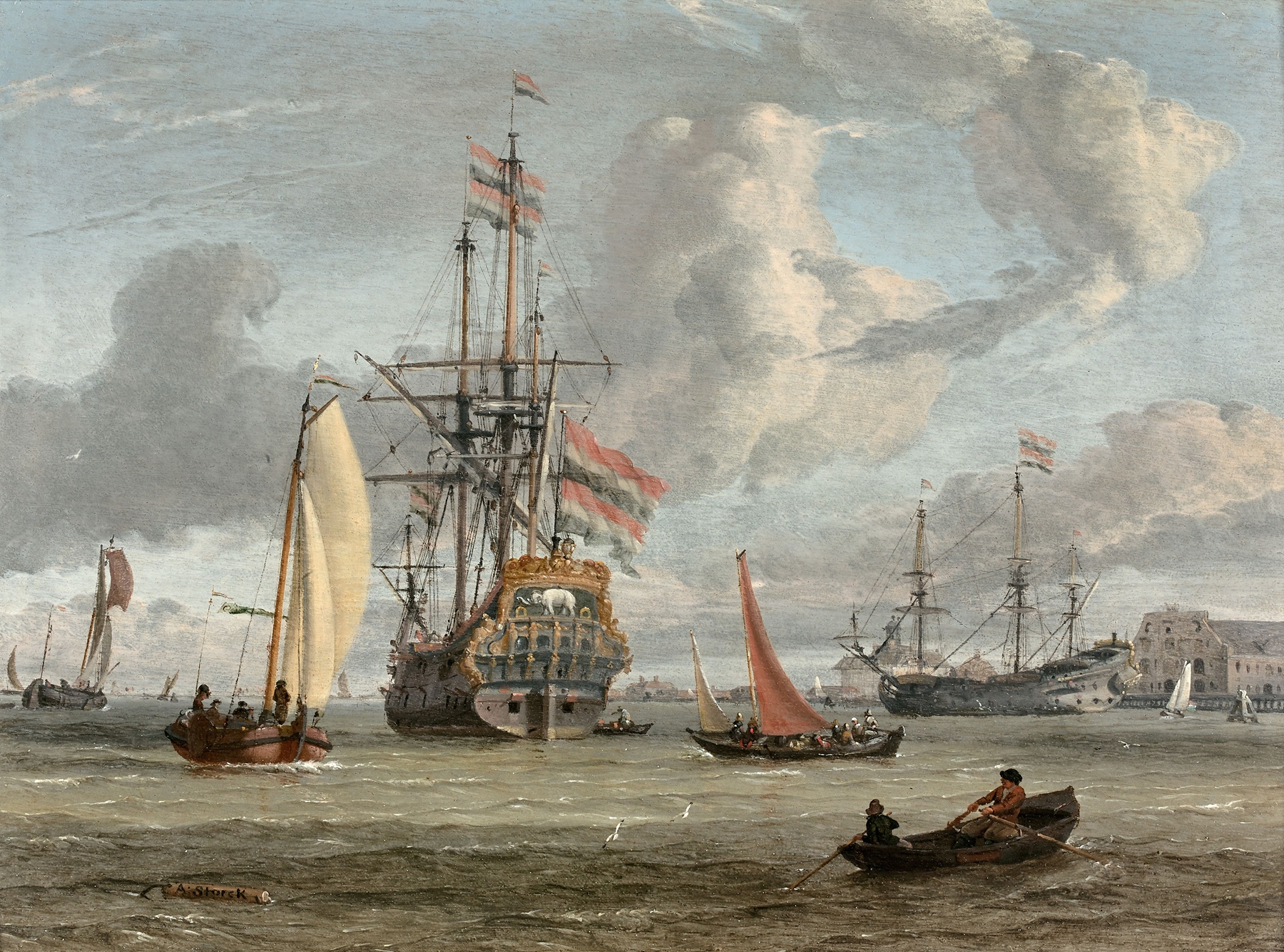
The Roads of Enkhuizen — History & Analysis
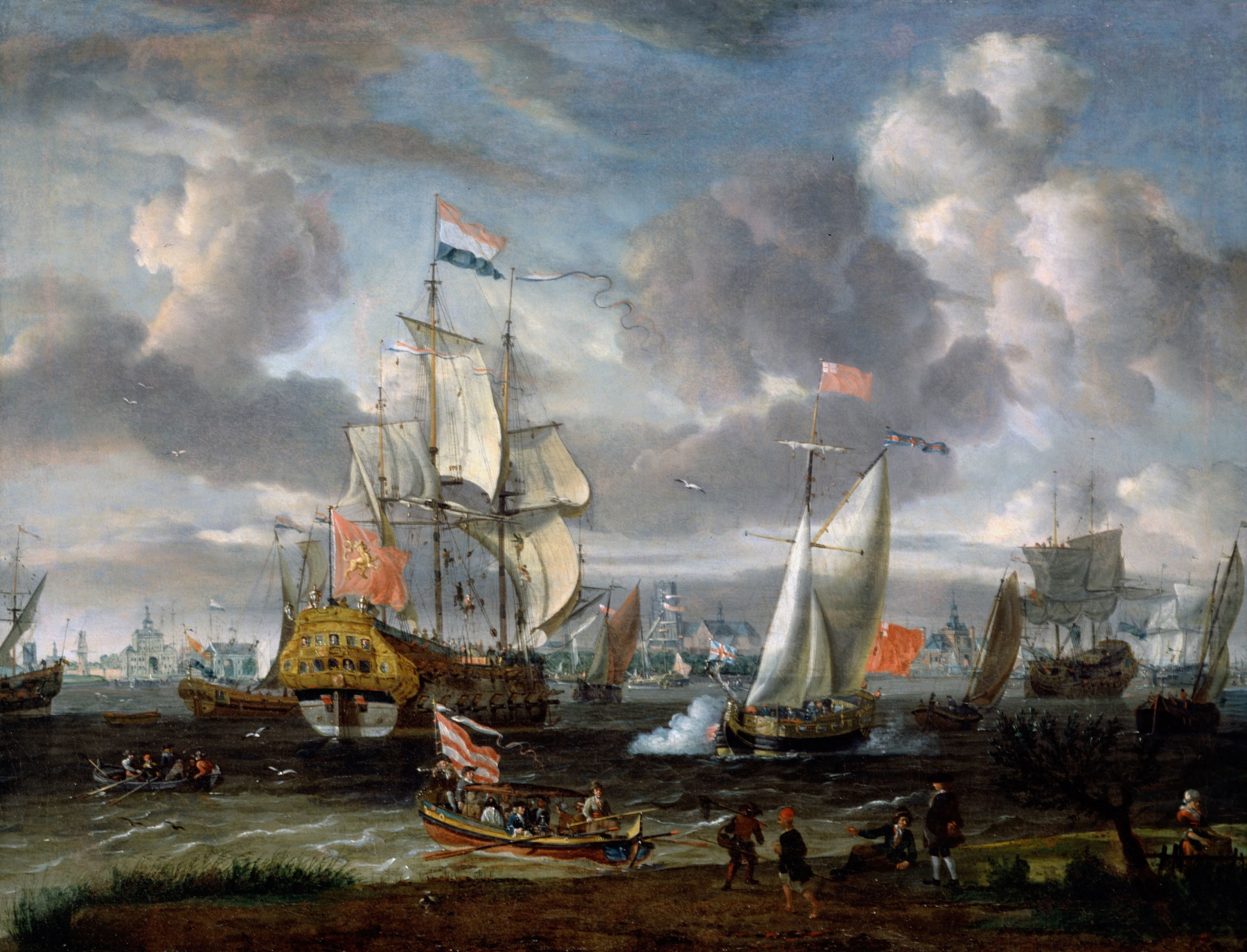
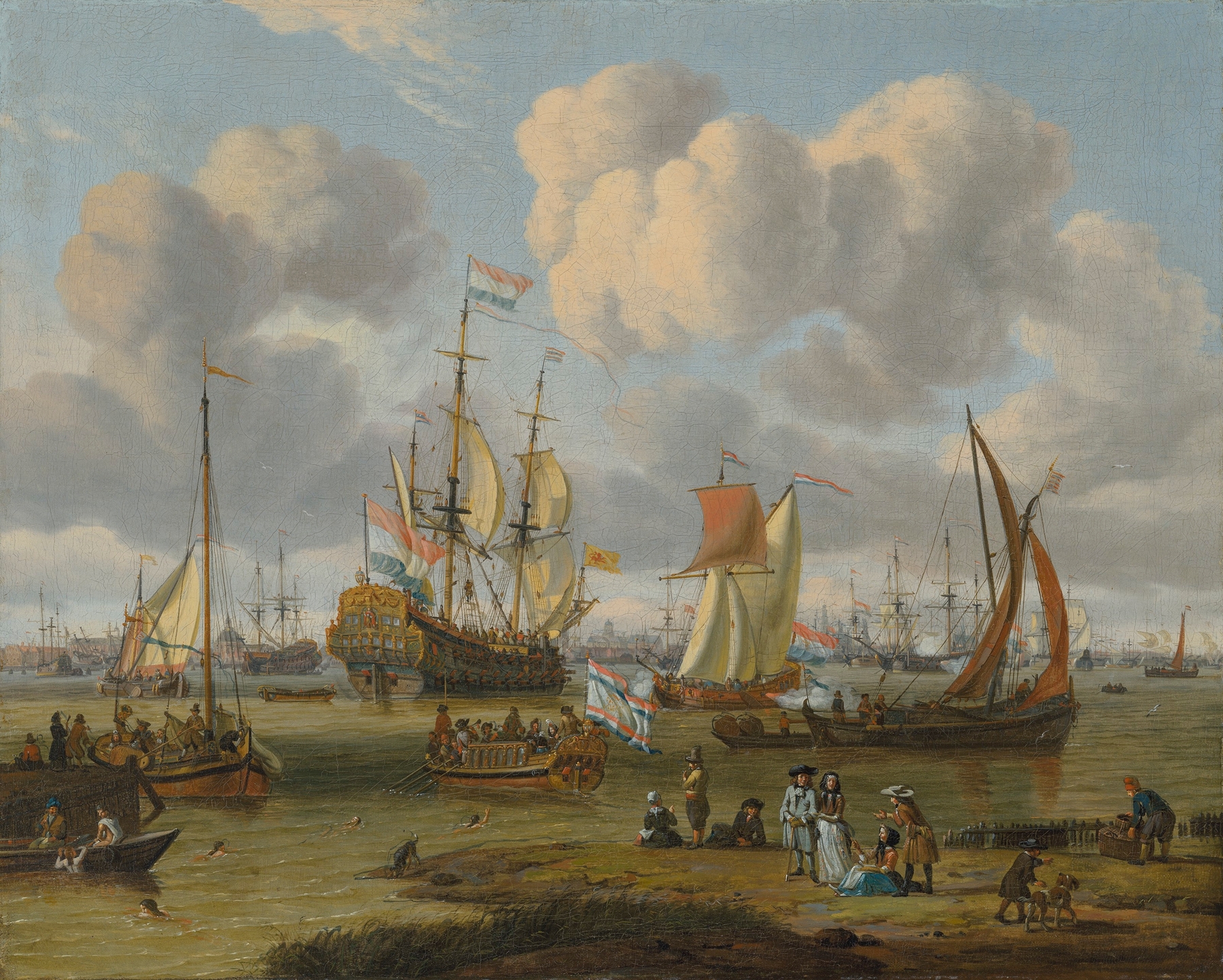
Could a single brushstroke hold eternity? In The Roads of Enkhuizen, shadow plays a vital role in weaving a narrative beyond the canvas, evoking thoughts of time's passing and the transient nature of life. Look to the center, where the shimmering water reflects the soft hues of a setting sun. The boats gently bob, their sails catching glimmers of light, while the muted earth tones of the docks contrast with the vibrant blues and oranges of the sky.
Notice how the artist uses a delicate balance of light and shadow to create depth; the shadows cast by the masts suggest movement and mystery, inviting viewers to ponder what lies beyond the horizon. Beneath the surface of this moment lies a duality of calm and restlessness. The bustling activity of the harbor contrasts sharply with the stillness of the water, symbolizing the interplay between human endeavor and nature's serenity. Shadows hint at unseen stories—perhaps of sailors returning home after long voyages or whispers of lost opportunities that linger just out of reach.
Abraham Storck painted this work during the late 17th century, a time when maritime trade flourished in the Netherlands. The prosperity of the Dutch Golden Age deeply influenced his art, showcasing scenes of everyday life infused with both beauty and realism. Amidst a thriving art scene, Storck's dedication to capturing the intricate dance of light and shadow reflects his desire to immortalize the fleeting moments of existence within the bustling world of Enkhuizen.