The Ship of Fortune — History & Analysis
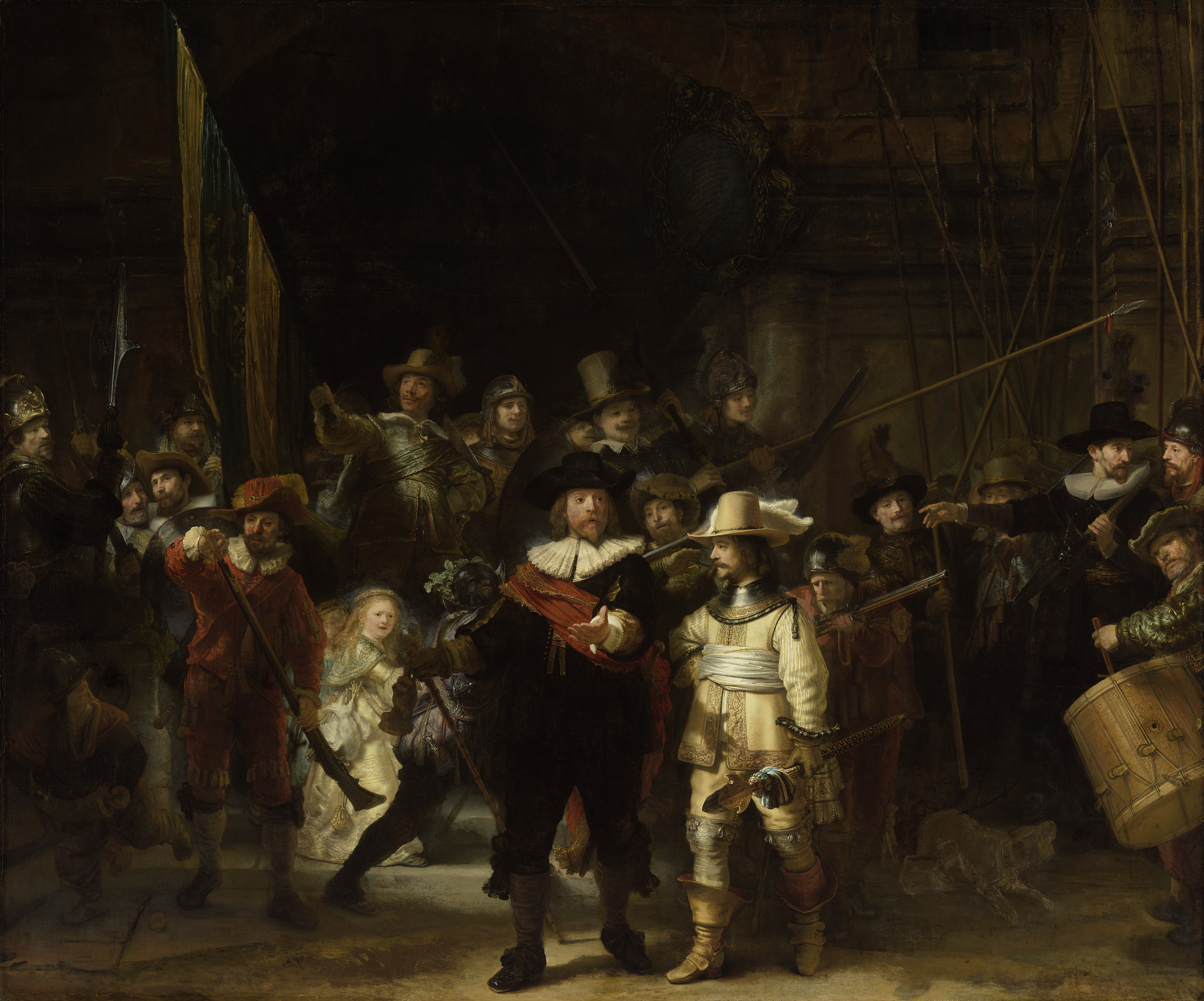
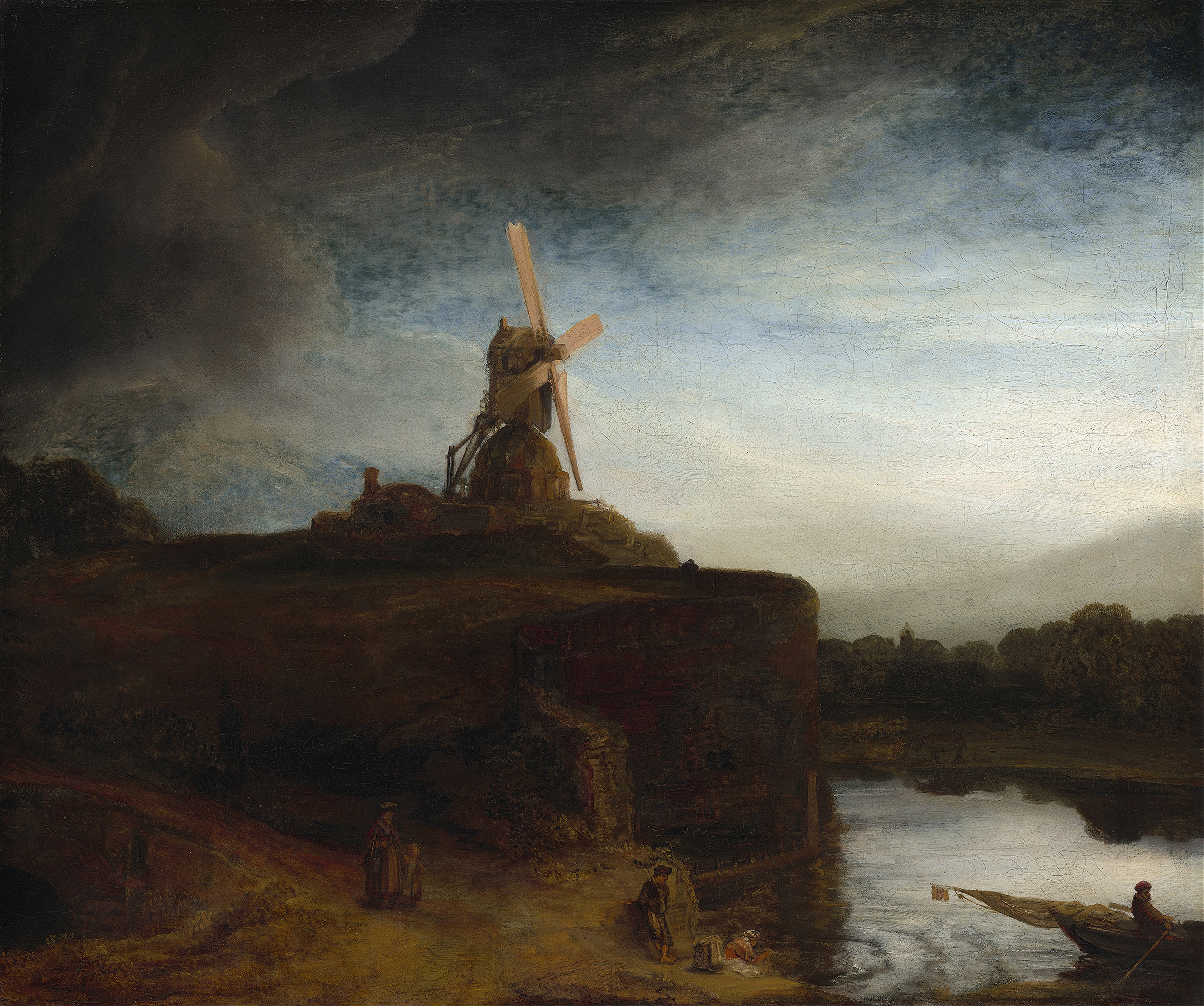
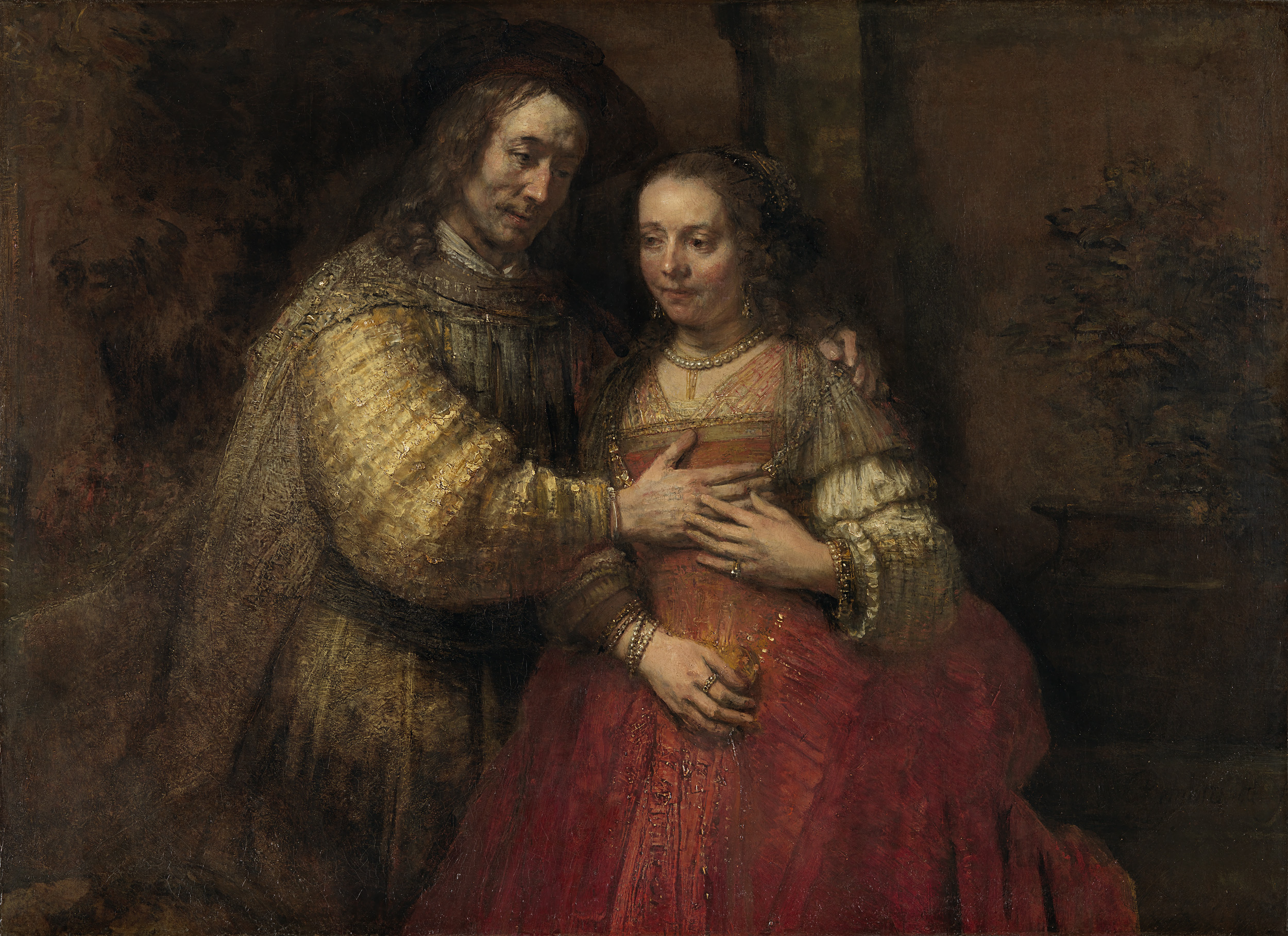
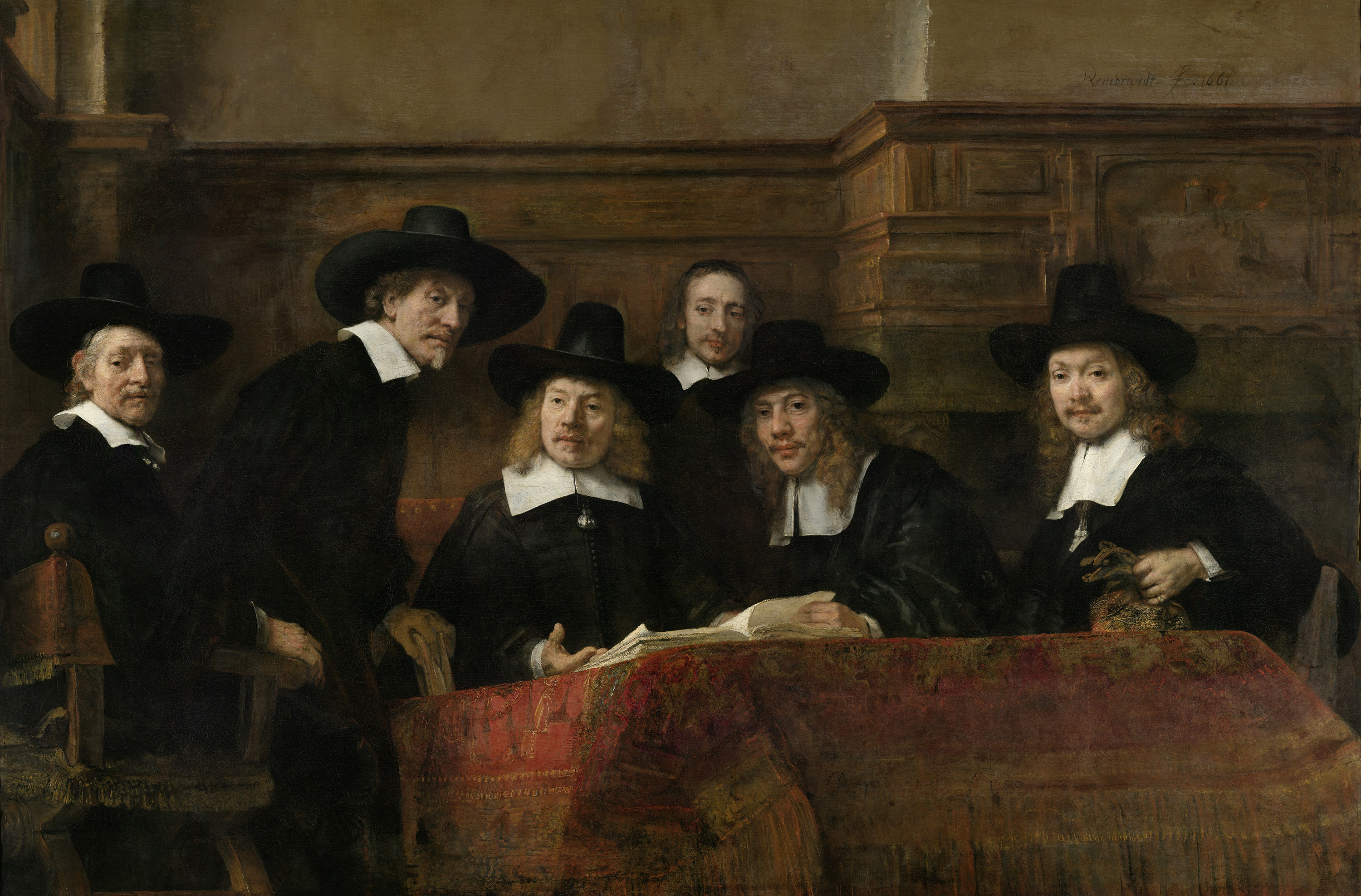
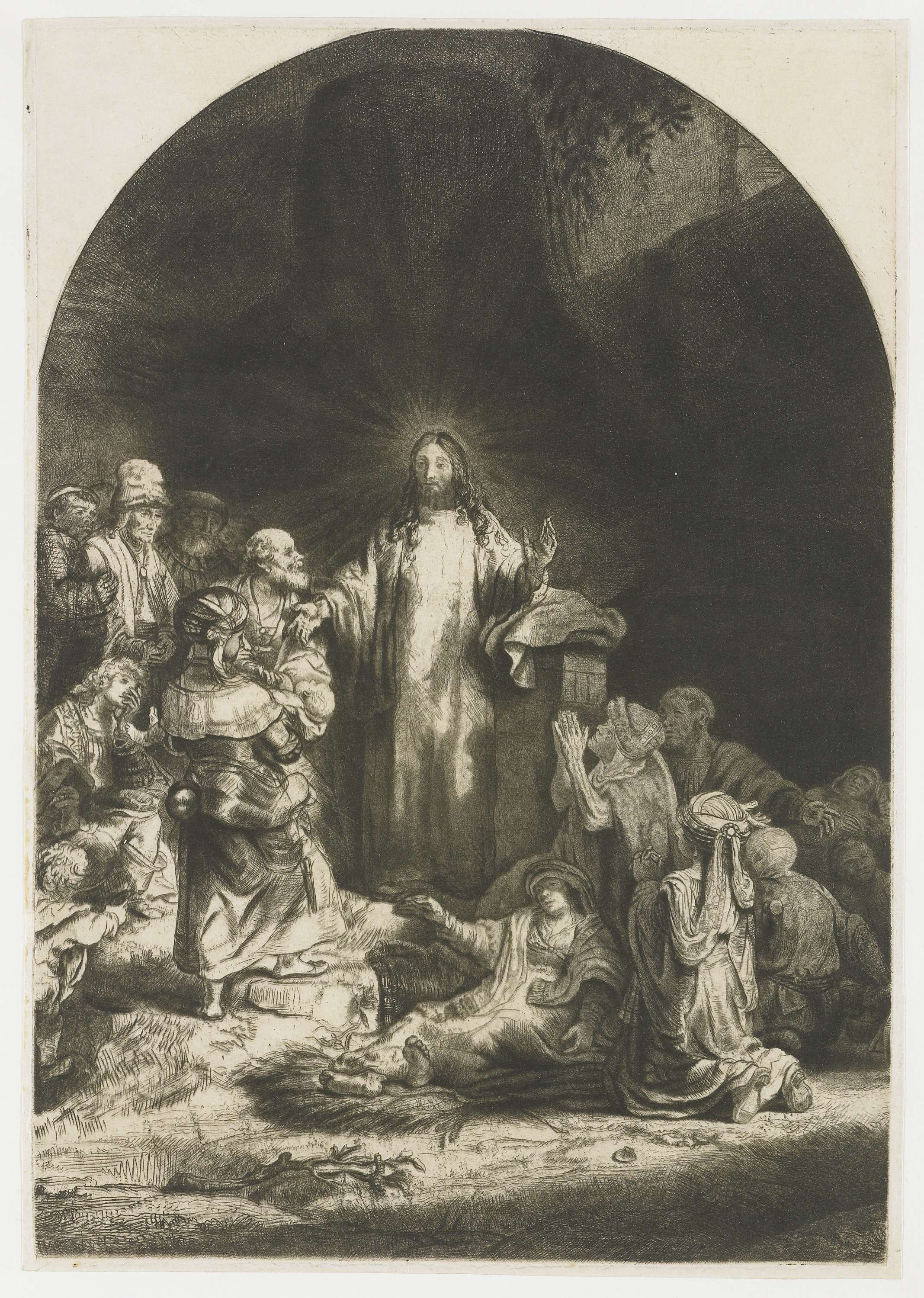
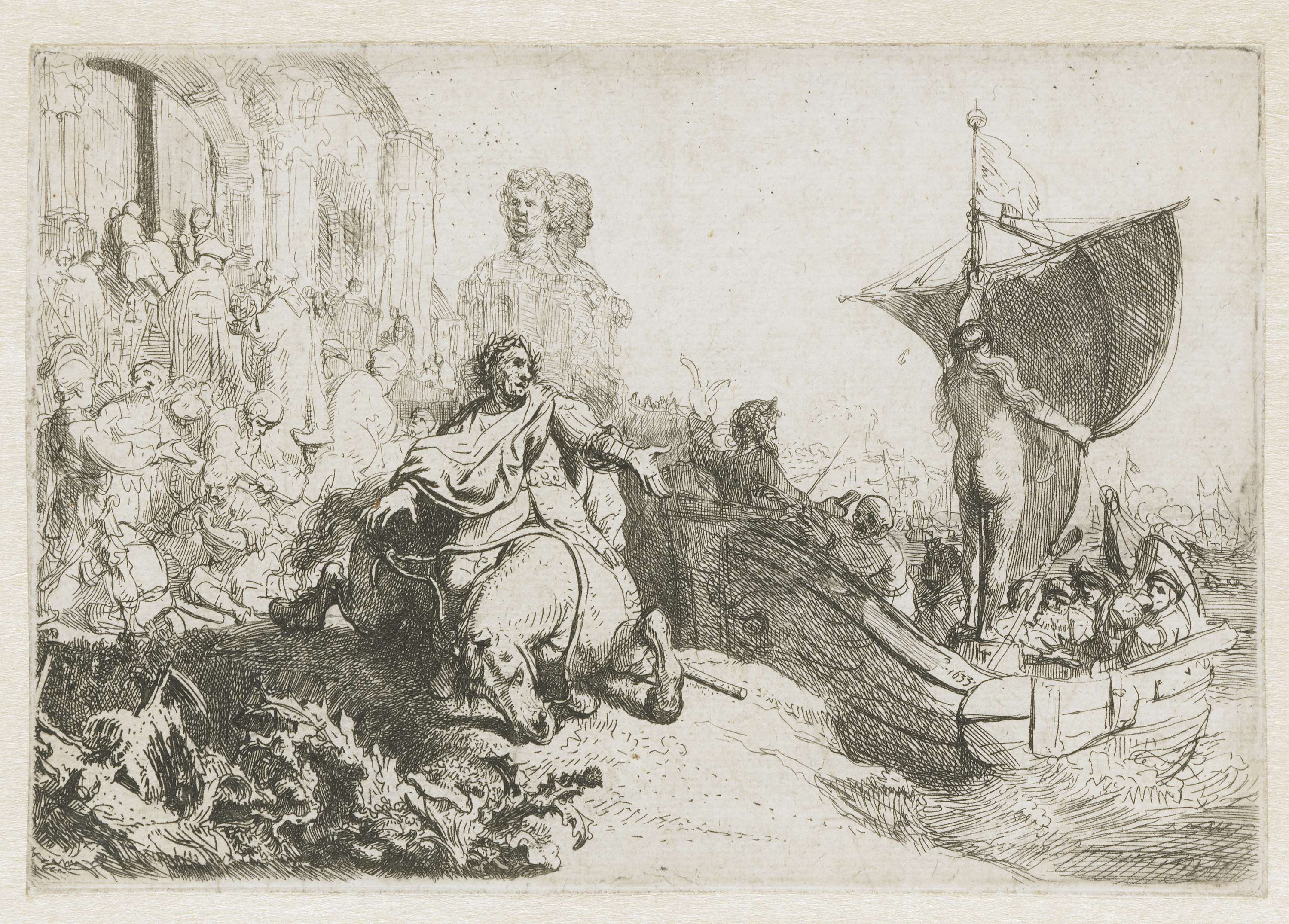
When did color learn to lie? In a world awash with hues, the heart often finds itself caught between the longing for truth and the allure of illusion. Look closely at the vibrant interplay of reds and golds in the foreground, where a ship laden with treasures beckons from the canvas. The spectral light enveloping the scene dances across the waves, accentuating the yearning expressions of the figures aboard. Their faces, awash with hope and desire, grasp at the intangible riches that fate promises but rarely delivers.
Notice how the darker tones of the background loom ominously, contrasting with the luminous vessel to invoke a sense of impending uncertainty. The emotional tension lies in the juxtaposition of opulence and vulnerability. The ship, a symbol of ambition and adventure, seems both a lifeline and a precarious gamble. Each figure embodies a narrative of aspiration, but their gazes reveal the lurking shadows of doubt and desperation.
The canvas encapsulates a moment suspended between hope and despair, suggesting that fortune is as much a chimera as it is a destination. In 1633, Rembrandt painted this work during a period of profound exploration in both his life and the art world. He was establishing his reputation in Amsterdam, navigating the complexities of personal and financial challenges while striving for artistic innovation. The Dutch Golden Age was at its zenith, fostering an environment where the intricate balance of light and shadow became a hallmark of his style, evoking deep emotional resonance in the pursuit of wealth and meaning.