The Spanish Stairs, Rome — History & Analysis
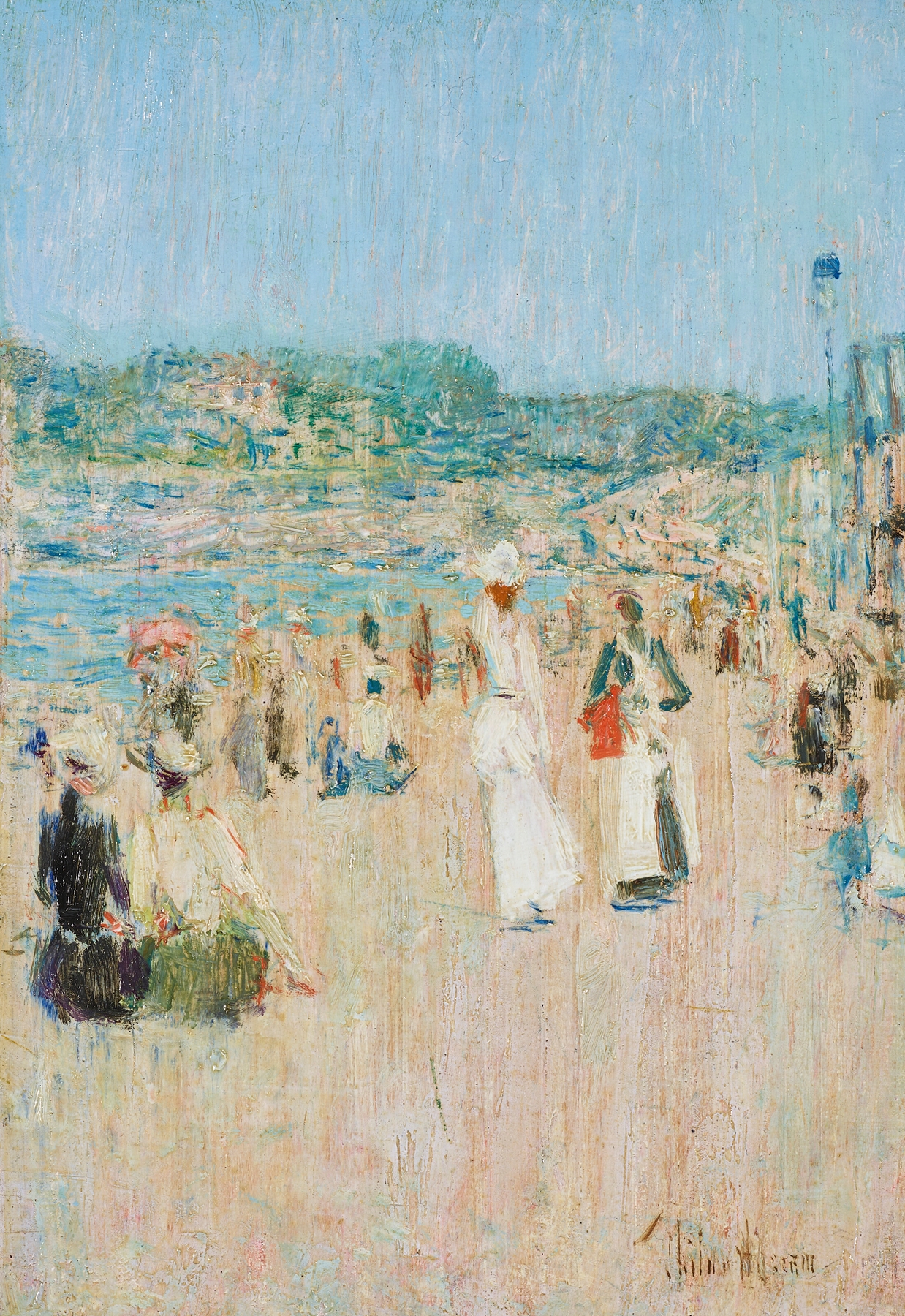
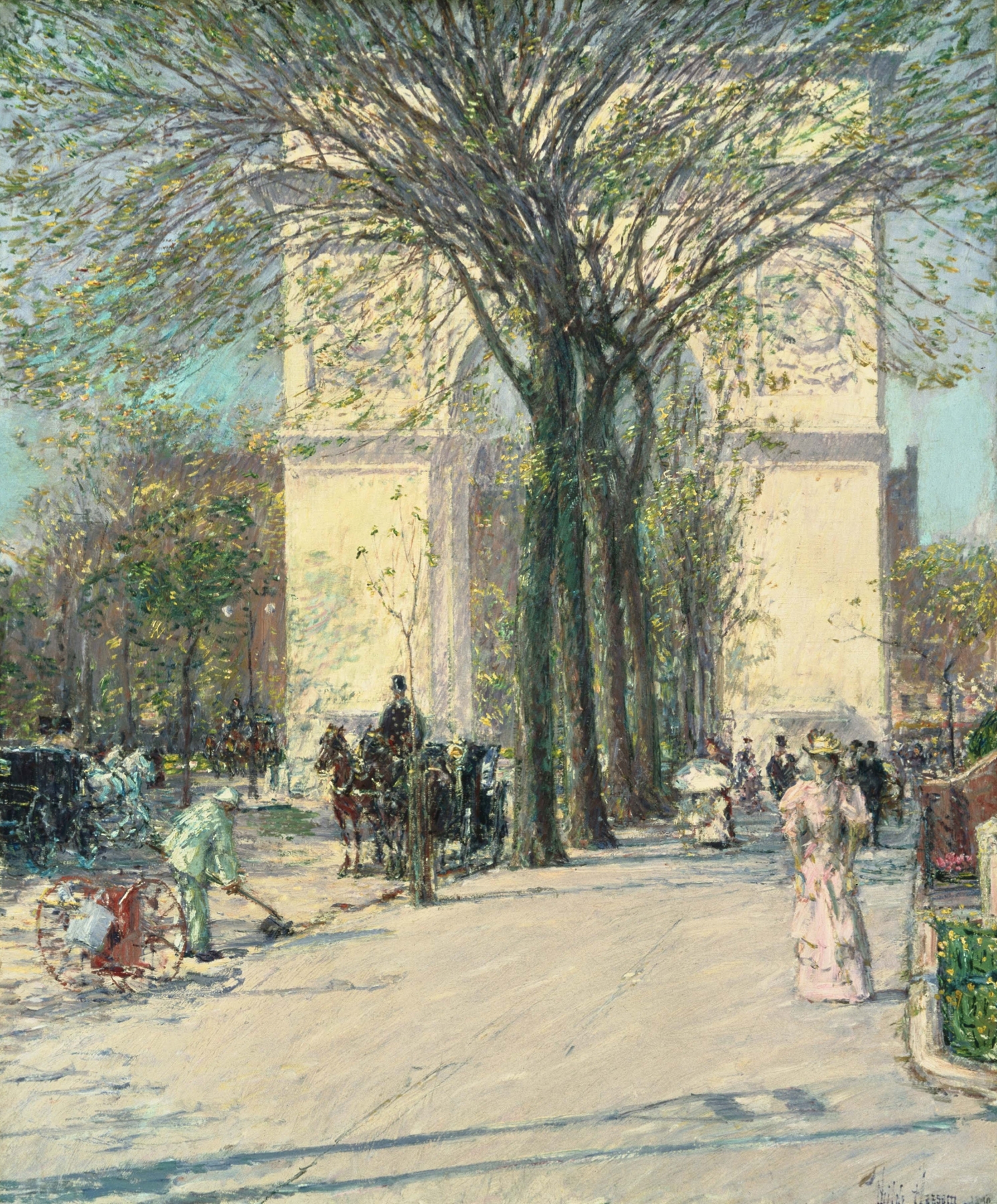
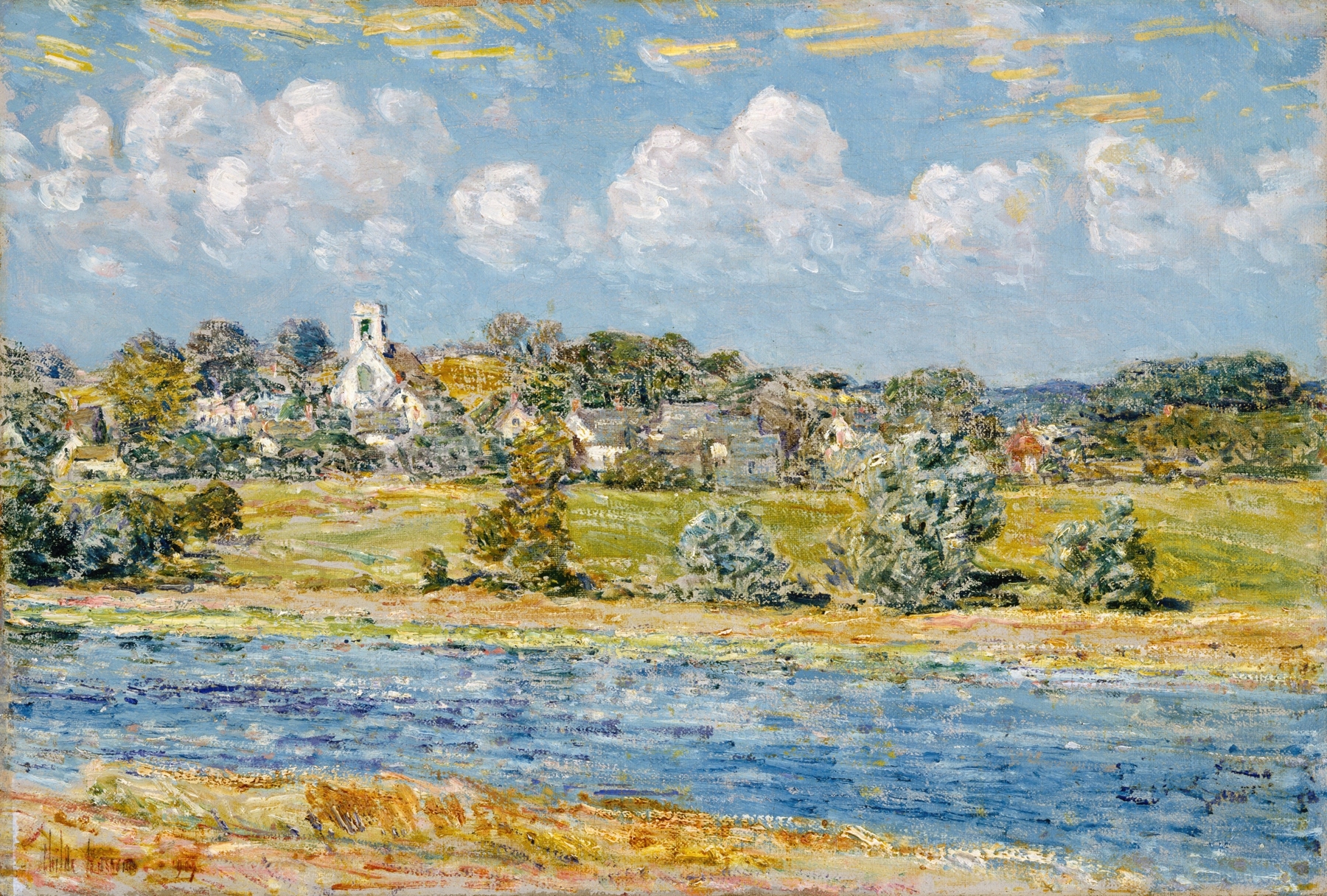
What if beauty was never meant to be finished? In The Spanish Stairs, Rome, this notion resonates deeply, as the interplay of time and decay unveils layers of transience in urban life. Look closely at the lower left corner, where a cascade of worn stone steps invites you on a journey. The sunlight dapples the scene, highlighting the warm hues of ochre and ivory, while shadows deepen the crevices, hinting at the passage of time.
You can almost feel the heat of the Roman sun and hear the distant hum of life floating through the air, creating a vivid backdrop for the moment captured. The loose brushwork conveys movement, suggesting that the scene is alive with passersby, whose presence is felt more than seen. The juxtaposition of lively greens and muted earth tones speaks to the tension between the vibrancy of life and the inevitability of decay. Each step and crack in the façade tells a story, inviting reflection on the impermanence of beauty.
The figures, though abstract, evoke emotions—perhaps nostalgia or longing—while their faded forms serve as a reminder that even the most splendid architecture and landscapes are subject to the relentless tide of time. Childe Hassam painted this scene in 1897 during a period of artistic exploration, reflecting his fascination with Impressionism and the changing urban environment of Rome. At that time, he was immersing himself in the city’s vibrant culture, influenced by its rich history and the interplay of light and shadow. The artwork captures not just a physical space, but a moment in his artistic evolution, where he sought to embrace both the beauty and decay that coexist in everyday life.