The Surf — History & Analysis
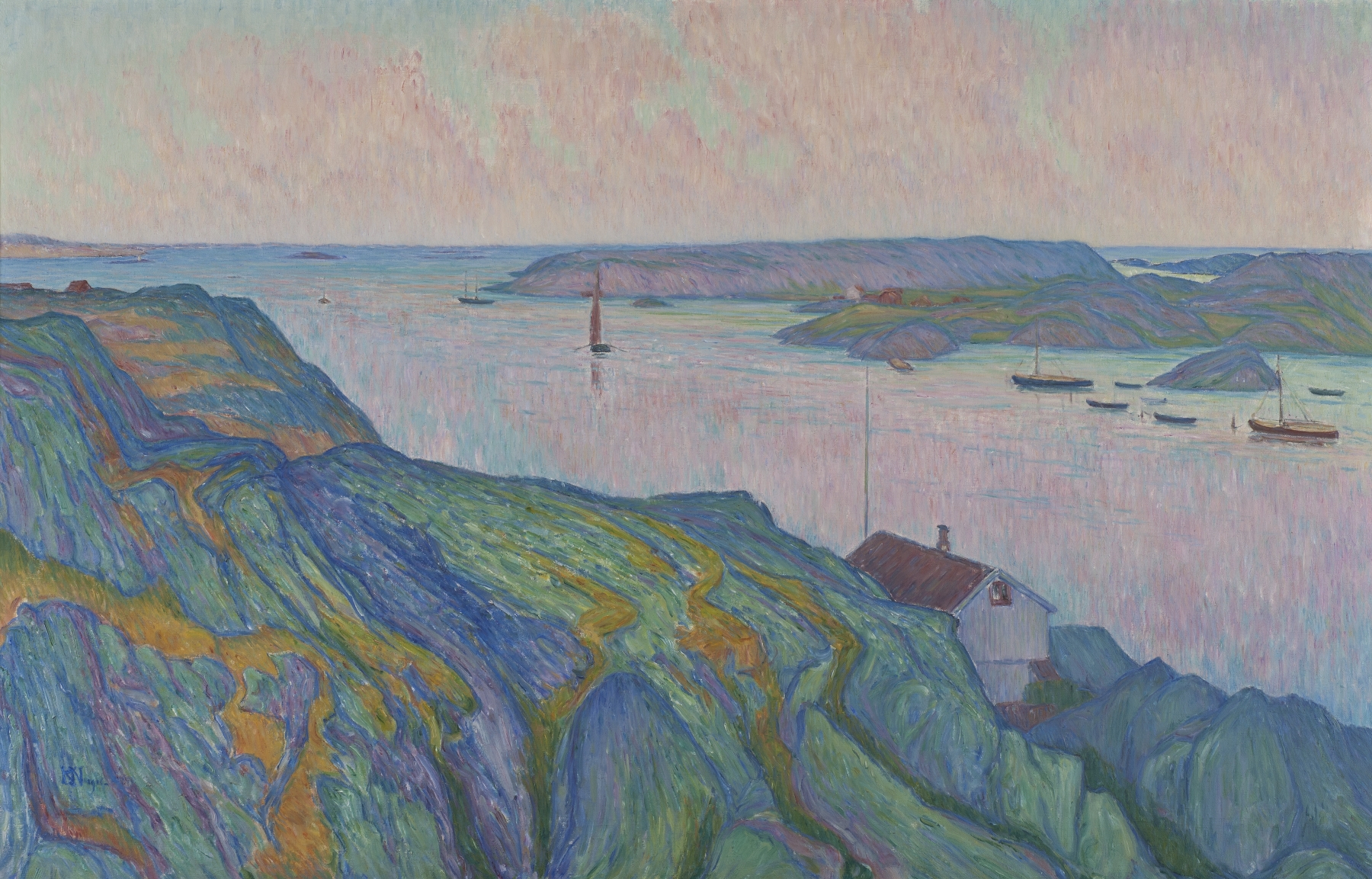
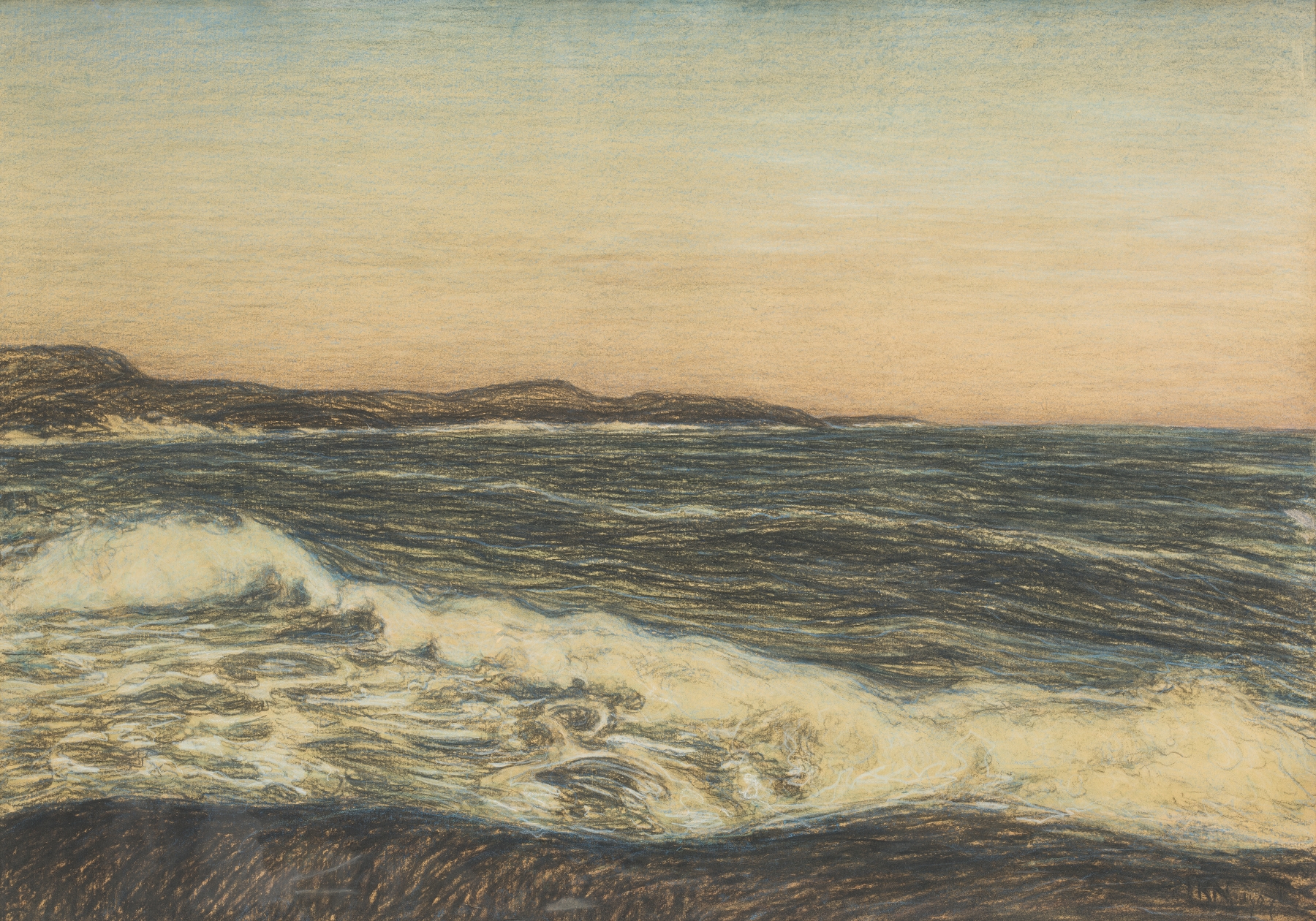
“Under the brush, chaos becomes grace.” Time, in its relentless march, offers a tapestry of moments woven together and immortalized through the strokes of a painter. Focus on the swirling waves that dominate the canvas, where each brushstroke captures the tumult and rhythm of the surf. Notice how the vibrant blues and whites of the ocean clash and dance, creating a sense of movement that draws you in. The contrasting earthy tones of the shore serve as a grounding element, while the scattering of light reflects on the water’s surface, illuminating the chaos around it.
This interplay between the tumultuous sea and the solid land challenges our perception of stability in nature. Delve deeper into the contrasts within the work. The energy of the waves appears both fierce and inviting, embodying the duality of nature's beauty and danger. Amidst the tempest, the delicate touches of white foam evoke a fleeting moment of serenity – a reminder of the ephemeral nature of time and experience.
The dynamic tension between these elements suggests a struggle, not just between land and sea, but within ourselves as we navigate the relentless ebb and flow of life's moments. In 1907, at a time when artistic movements were rapidly evolving, the artist sought to capture the raw essence of the natural world. Working in Sweden, he was influenced by the impressionist approach while exploring the emotive power of color and form. This period in his life marked a transition, as he embraced both the chaos and harmony inherent in nature, reflecting the broader discussions of modernity in the art world.