Rising Clouds — History & Analysis
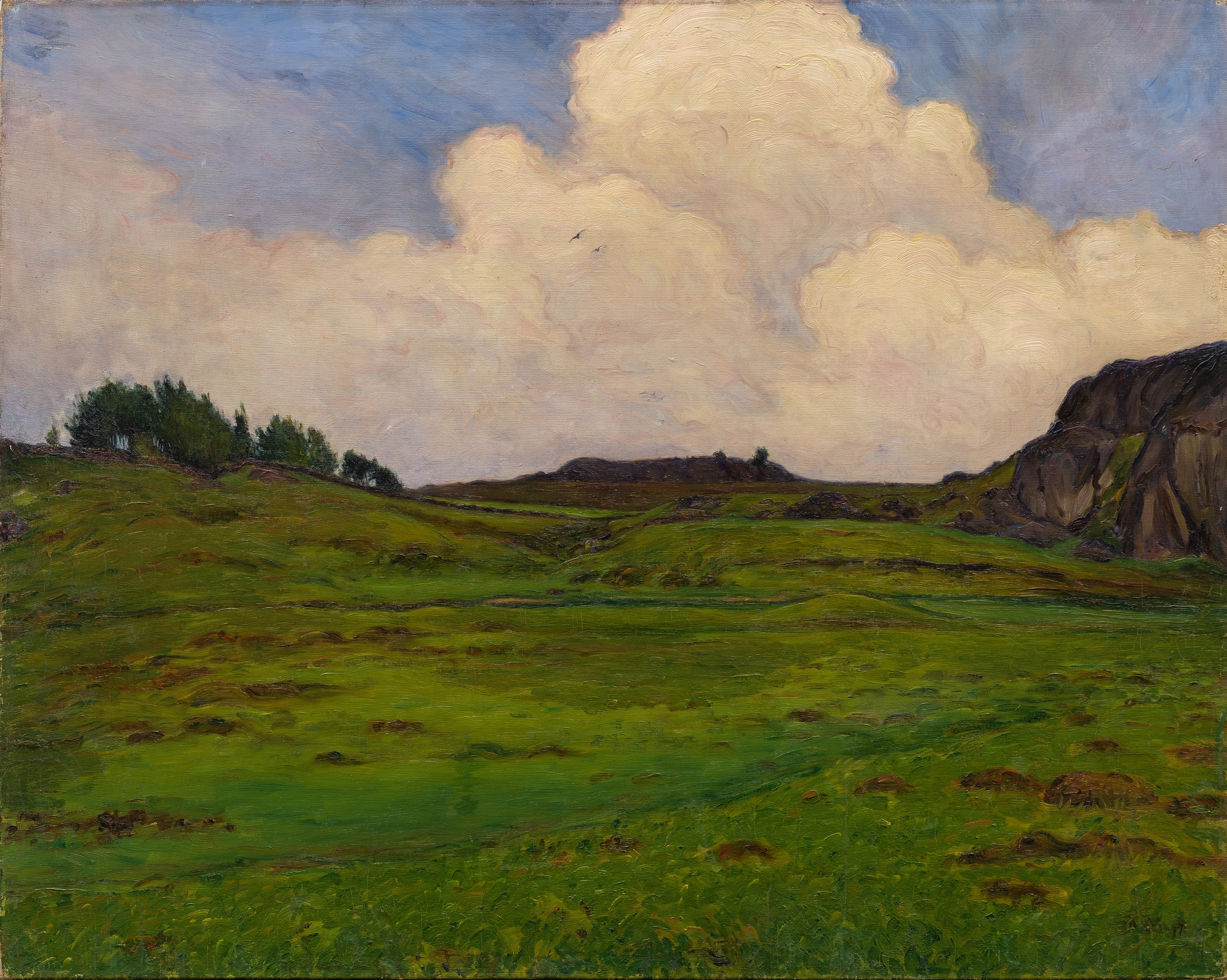
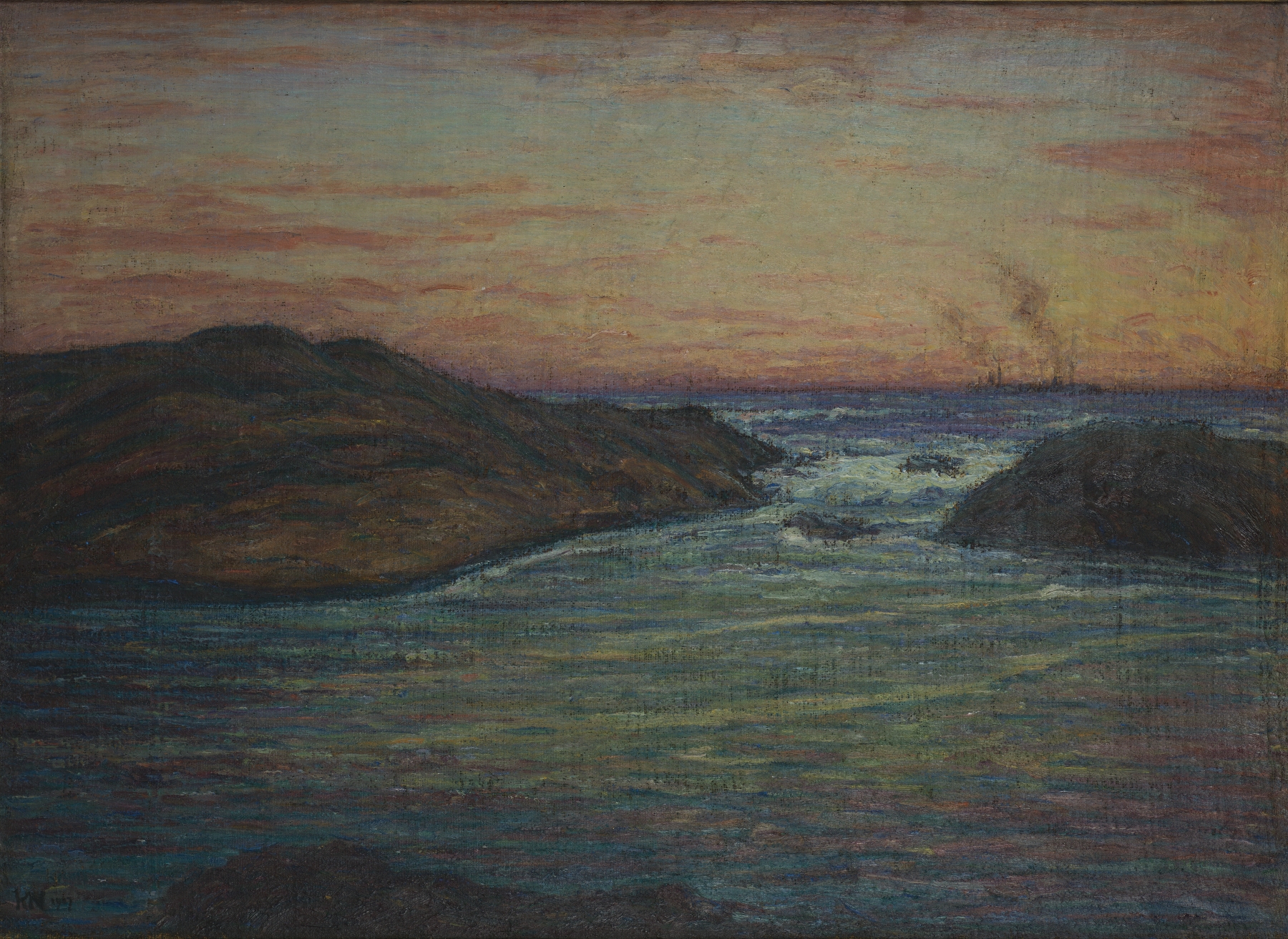
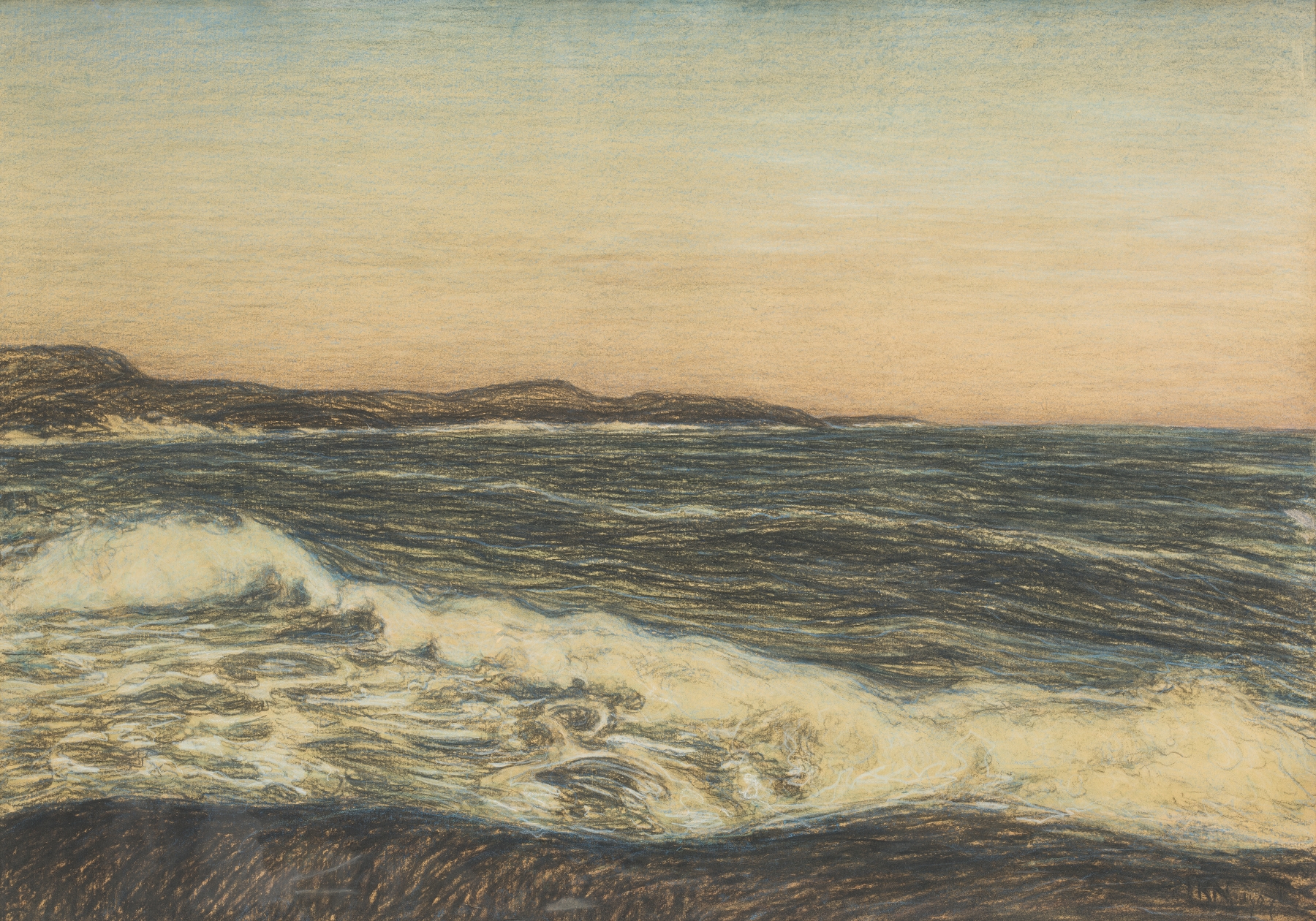
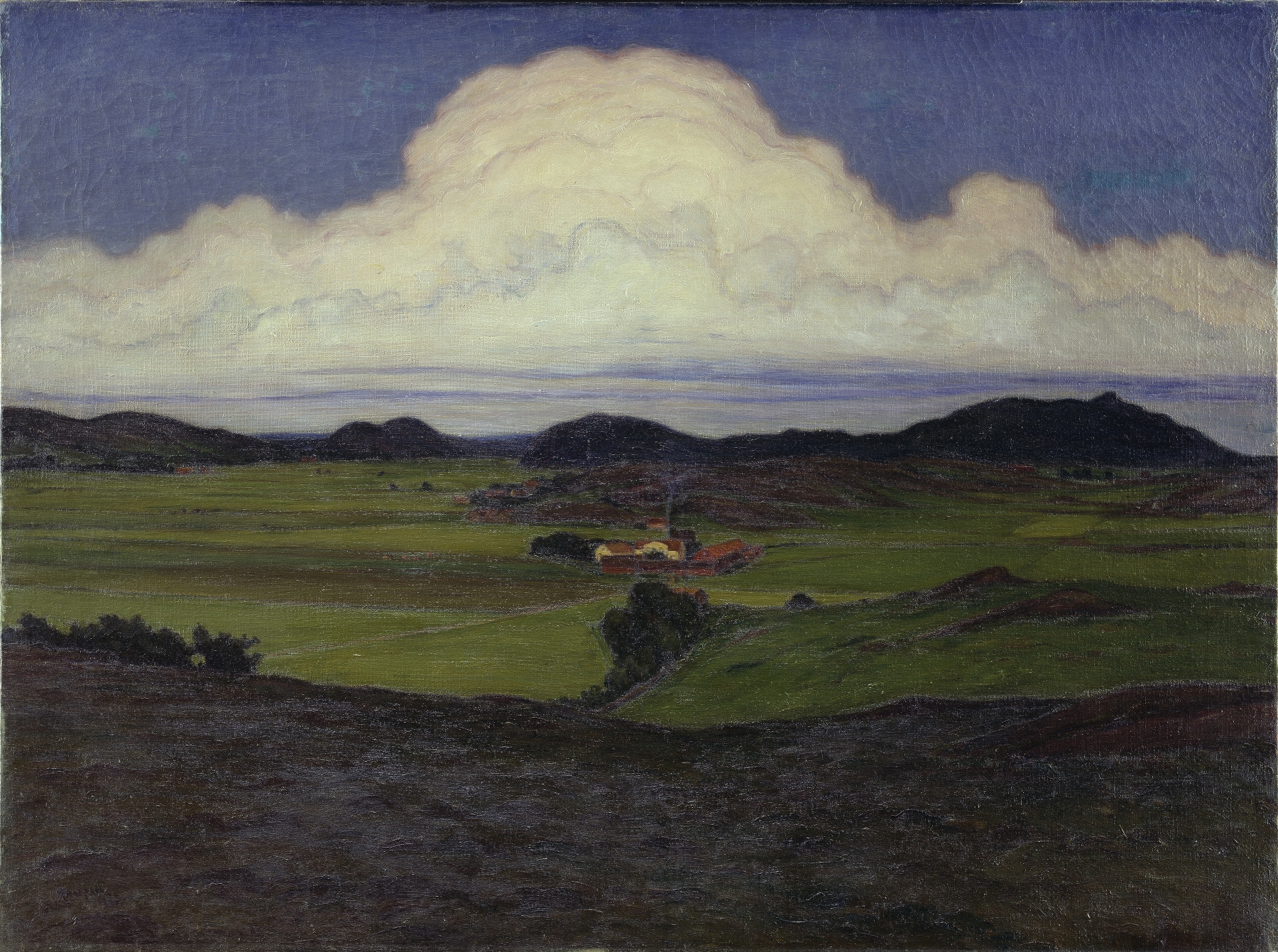
“Sometimes beauty is just pain, disguised in gold.” In Rising Clouds, the viewer finds themselves contemplating a revelation that unravels the intricate relationship between nature and human emotion. This artwork invites us into a silent dialogue with the skies, urging us to confront the duality of serenity and turmoil lurking beneath its surface. Look to the horizon where the delicate swirls of golden and azure hues blend seamlessly, drawing your gaze upward. Notice how the clouds, soft and luminous, seem to beckon, while beneath them, darker shades linger, hinting at an approaching storm.
The artist’s brushwork is both fluid and dynamic, creating a sense of movement that pulses through the painting, evoking a feeling of anticipation as if the air itself is charged with an unspoken truth. Delve deeper, and you’ll find a contrast between the lightness of the cloud formations and the weight of the impending darkness. The interplay of color not only captures beauty but also suggests that beneath the calm exterior lies an emotional complexity, a reminder of life’s fragile balance. The ethereal quality of the clouds can be interpreted as a metaphor for fleeting moments of happiness, clouded by the inevitability of sorrow.
In 1904, Karl Nordström painted Rising Clouds during a period of personal exploration and artistic development. Residing in Sweden, he was influenced by the Symbolist movement, which encouraged artists to delve into emotional depth and abstract representation. This painting reflects his engagement with nature and the human experience at a time when Europe was grappling with the tensions of modernity, paving the way for a new artistic language that would resonate through the ages.